





Antique China Serving Tray
An antique china serving tray brings hand-painted floral bouquets, cobalt transfer prints, and rich gilding directly to the table.
Antique China Serving Tray
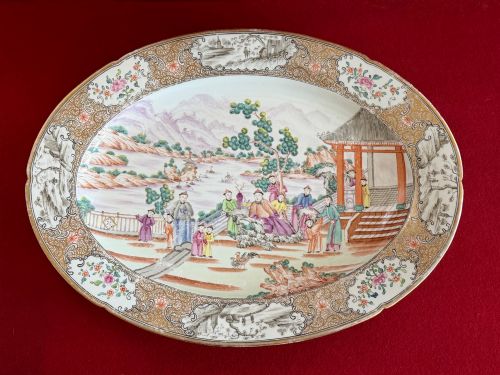
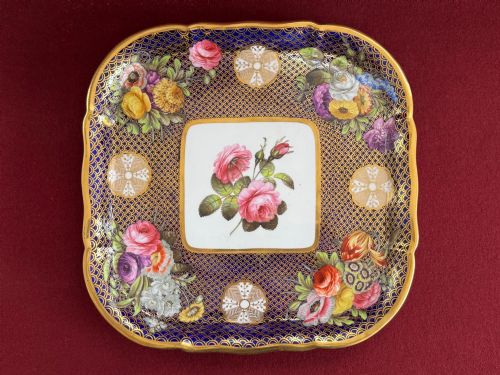
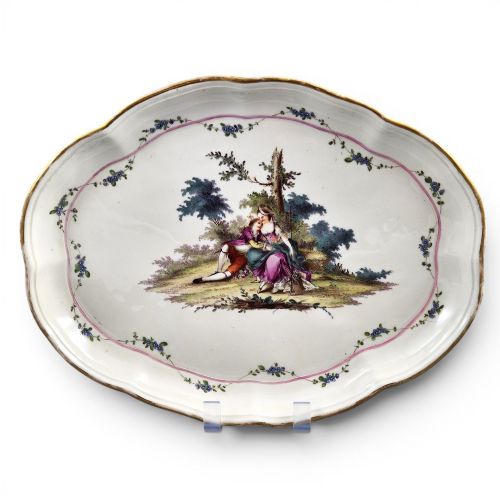
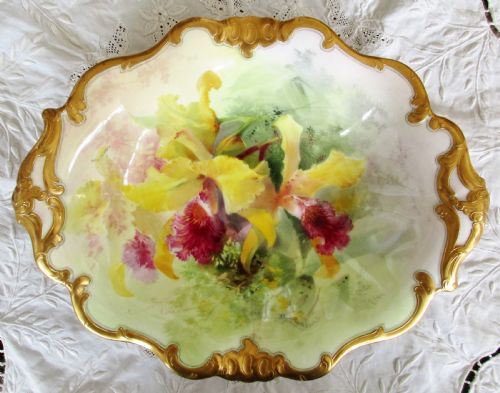
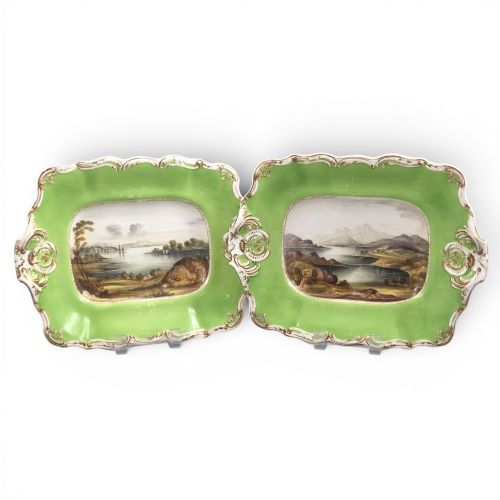
An antique china serving tray encompasses robust ironstone meat platters, fine porcelain cabinet dishes, and deep lobed serving pieces designed for culinary presentation. These items originate across the Georgian, Regency, Victorian, and Edwardian periods, capturing changing domestic dining habits over centuries. Buyers meet large blue and white platters alongside intricately decorated porcelain dishes bearing hand-painted polychrome flowers or oriental scenes.
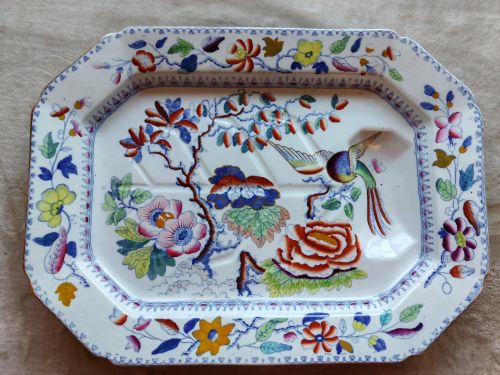
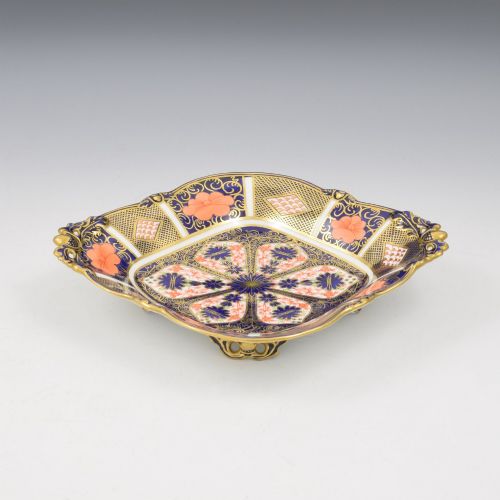
The assortment includes specialised forms such as twin-handled serving dishes, cheese dishes, and pearlware platters complete with integrated reservoirs for juices. Makers applied traditional patterns like Imari, Chinoiserie, and blue and white transfer prints onto earthenware, ceramic, and porcelain bodies. Such pieces function as both practical table service and decorative display items within a modern interior.
How these pieces were made
Potters shaped these objects from body materials including porcelain, earthenware, ironstone, and pearlware, fired in kilns to achieve durable ceramic bases. Artisans then applied underglaze blue transfer printing or hand-painted polychrome decoration using specialised mineral pigments. Many examples received supplementary highlights in gold leaf and rich gilding before undergoing a final glazing process.
Techniques varied from mass transfer printing for blue and white services to meticulous hand painting by named artists on cabinet porcelain. Specialised forms required moulded elements like pierced rims, twin handles, or drainage reservoirs shaped during the initial forming stage.
Antique China Serving Tray Retail Price Guide 2026
Typical asking prices for china serving tray among the pieces listed under this phrase on Sellingantiques today, from the lower quarter to the upper quarter. They describe what is for sale here now, not the wider market.
Blue and white transfer printing appears frequently alongside hand-painted polychrome floral designs and Imari patterns.
What varies in quality
Quality rests in the precision of the hand painting, the clarity of transfer-printed details, and the crispness of moulded edges on pierced rims or handles. Superior pieces demonstrate sophisticated brushwork, balanced polychrome palettes, and careful application of gold leaf rather than mechanical stencilling.
The refinement of the ceramic body itself distinguishes standard utilitarian ironstone from translucent porcelain cabinet dishes. Potteries achieved higher standards through controlled kiln temperatures that minimised warping and surface blemishes on large meat platters.
John Rose Coalport·Masons Ironstone·Spode Porcelain·Royal Crown Derby·Royal Doulton·Copeland and Garrett·Minton·Royal Worcester·Wedgwood
The Antique China Serving Tray Glossary
- Ironstone
- A patented ceramic body developed to resist chipping while offering the refined appearance of porcelain. This dense material suited heavy-duty meat platters and large serving dishes.
- Pearlware
- A refined earthenware featuring a bluish glaze that pooled in recesses to create a bright white appearance. It served as a popular substitute for true porcelain during the Georgian period.
- Transfer printing
- A decoration technique using an engraved copper plate to pull an inked pattern onto tissue paper, which was then pressed onto the ceramic body. This method allowed consistent blue and white designs across large services.
- Imari
- A decorative style inspired by Japanese export porcelain, utilising iron red, cobalt blue, and gold leaf. Makers applied this vibrant palette to deep lobed serving dishes and cabinet pieces.
- Ashet
- A regional Scottish term for a large meat platter or serving dish placed centrally on the dining table. These ceramic pieces accommodated substantial joints of meat.
Antique China Serving Tray: Frequently Asked Questions
What is the difference between ironstone and porcelain serving trays?
Ironstone is a heavy, opaque earthenware developed for durability and everyday dining use.
Porcelain is a vitrified, finer ceramic body that remains translucent and typically appears on decorative cabinet dishes.
How can I identify the date of an antique china serving tray?
Dating relies on recorded maker marks, pattern numbers, and stylistic markers such as Regency shapes or Victorian transfer prints.
Material composition also indicates era, with pearlware pointing to the early nineteenth century and ironstone flourishing later.
Were these platters used for food or display?
Most large platters and ashets served practical functions on dining tables for meat, fish, and side dishes.
Cabinet dishes and heavily gilded porcelain trays were often intended primarily for visual display.
What do features like reservoirs on platters indicate?
Reservoirs and wells carved into the ceramic surface collected meat juices during carving.
This practical addition kept the joint elevated and prevented liquid from spilling onto the table linen.