

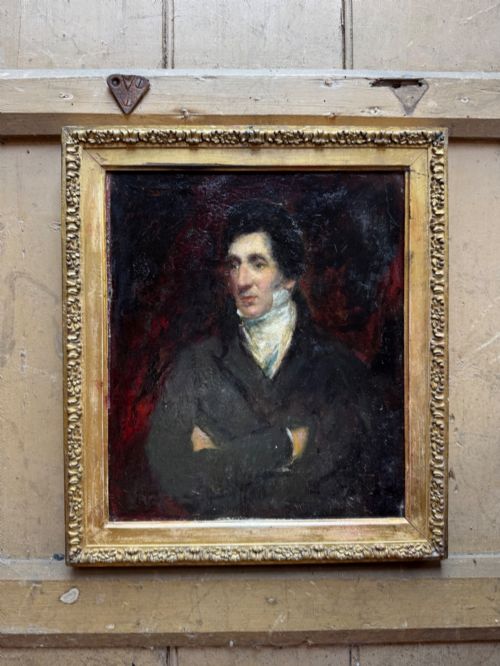
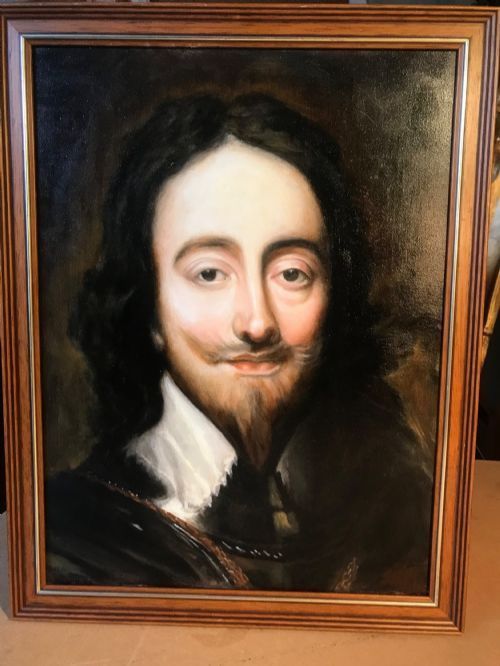
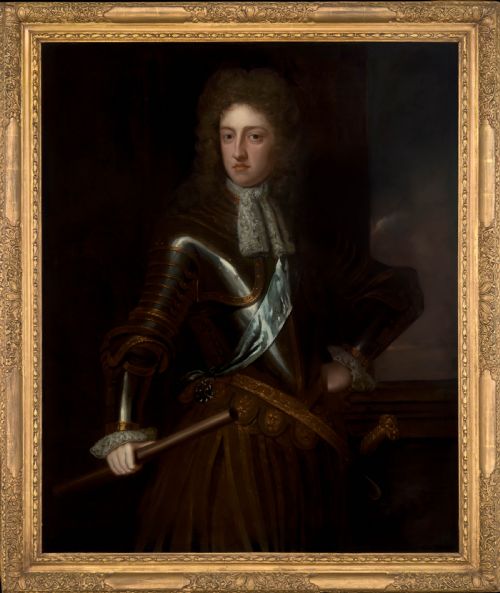
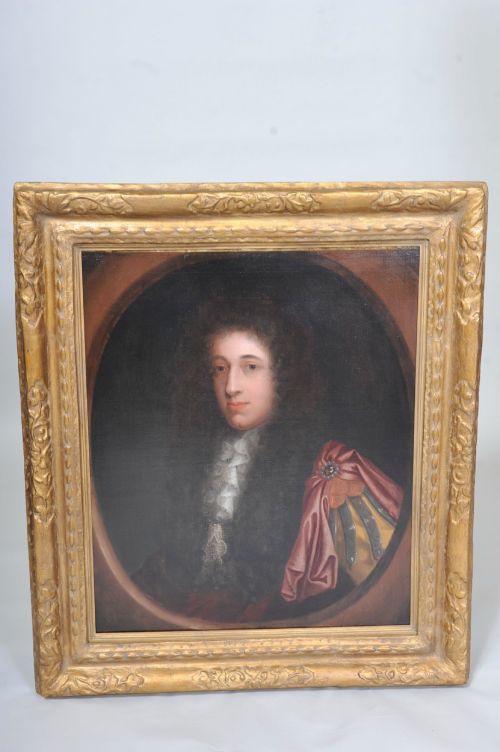
Male Portrait Oil Canvas
A male portrait oil canvas brings the gaze of history directly into a room, capturing sitters from nobility to military officers through centuries of pigment and weave.
Male Portrait Oil Canvas
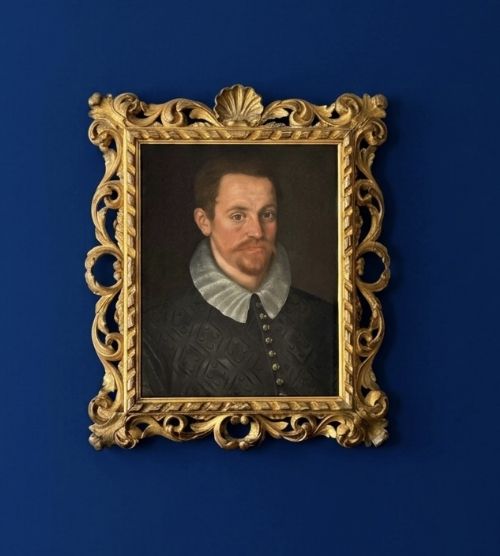
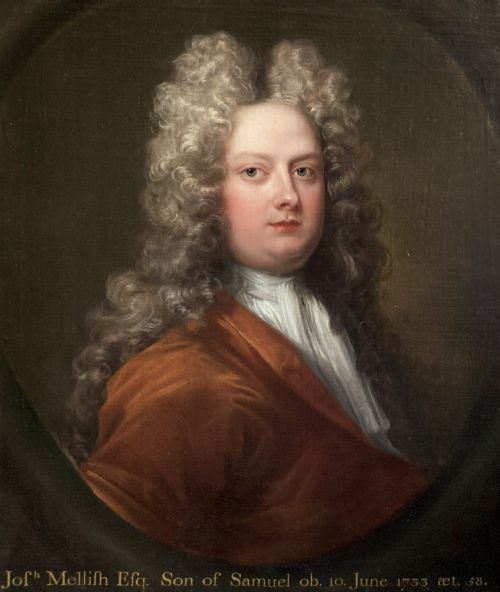
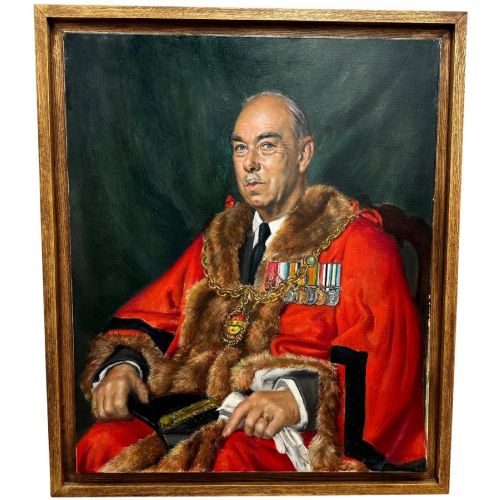
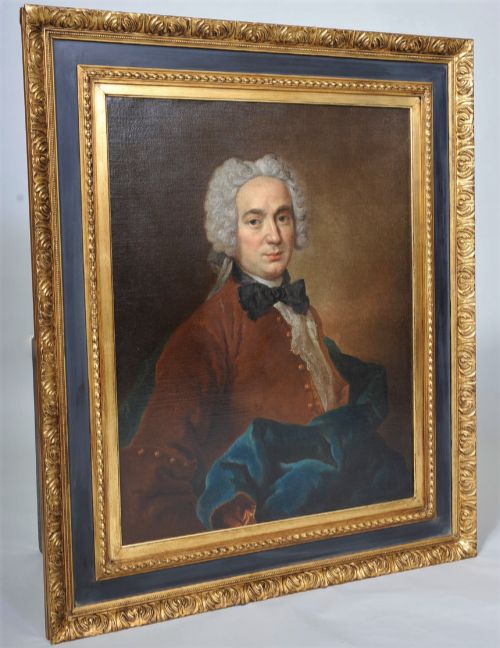
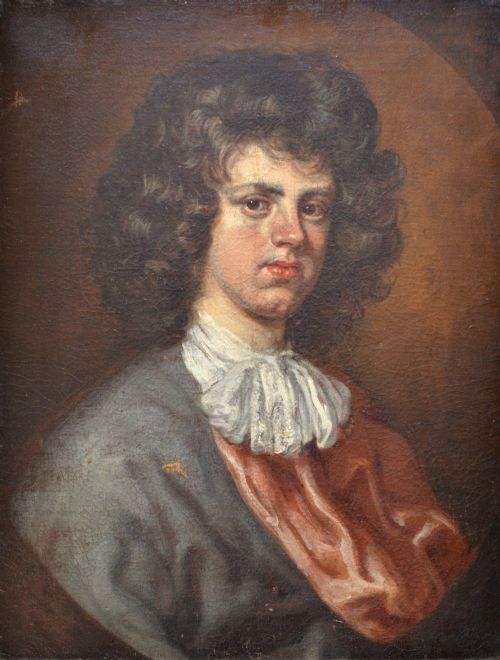
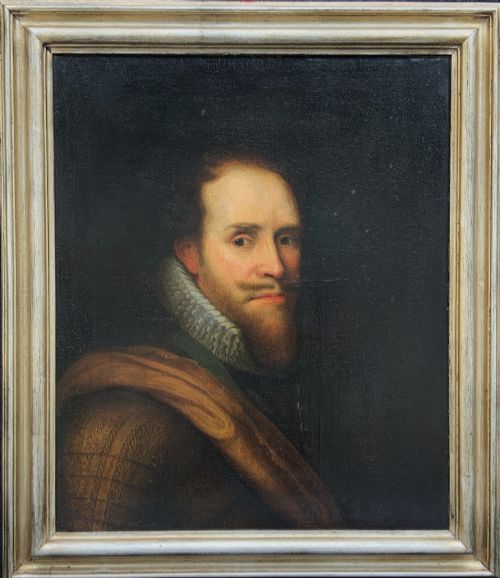
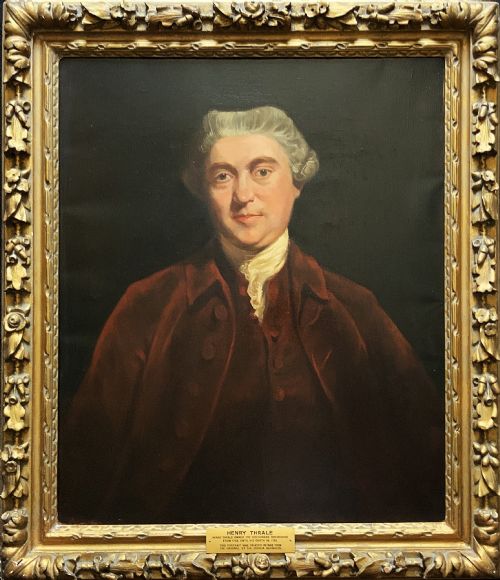
A male portrait oil canvas represents likenesses painted across several hundred years, capturing identifiable historical figures alongside anonymous gentlemen, merchants, and officers. The search phrase covers works spanning from the seventeenth century through the nineteenth century and into the mid-twentieth century.
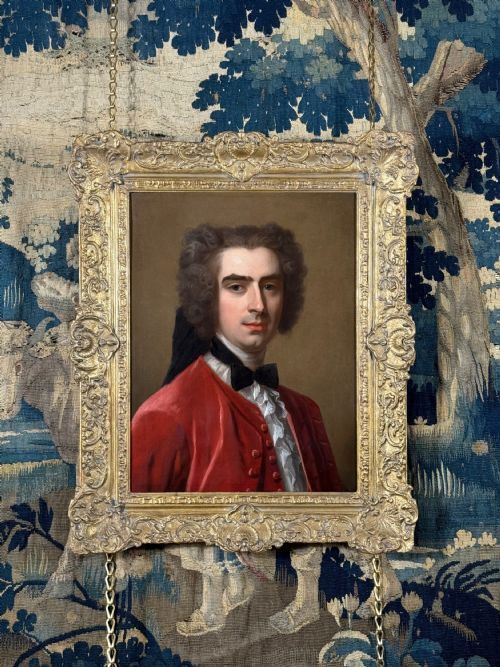
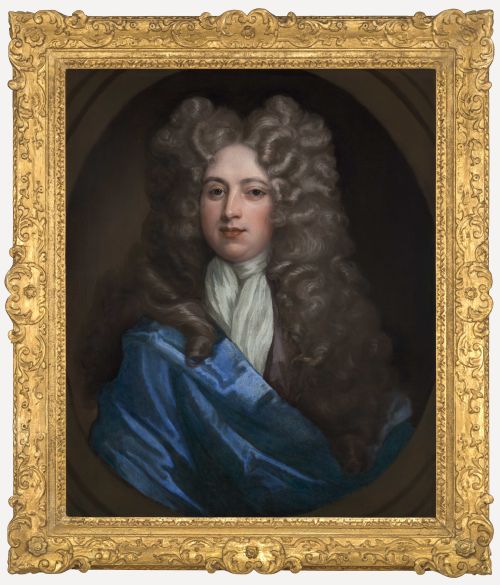
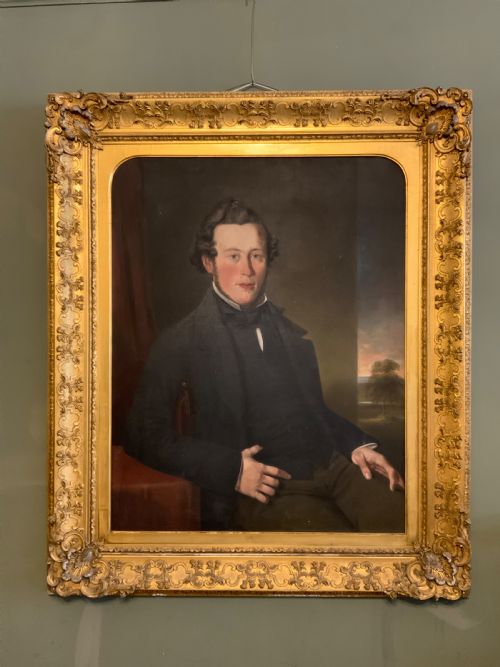
Buyers frequently encounter seventeenth-century depictions featuring stiff ruffs or flowing periwigs, as well as eighteenth-century portrayals displaying scarlet jackets, blue cloaks, and elaborate waistcoats. Nineteenth-century examples often present more naturalistic postures, reflecting shifting artistic standards in portraiture.
These works typically emerge from distinct European schools, including British, Dutch, and German traditions, painted either by master artists or within their active studio circles. The subject matter ranges from named statesmen and noblemen to privateers and military commanders from the Madras Presidency service.
Materials and Construction
Artists painted primarily with oil paint applied directly onto stretched woven canvas supports, sometimes utilising wood panels or canvas boards depending on the period. Pigments were layered carefully over preparatory grounds to build depth in skin tones, fabrics, and surrounding shadows.
Many surviving canvases retain their original or period-appropriate frames fashioned from carved wood and finished with gold leaf or giltwood surfaces. The interplay between the oil medium and the canvas weave dictates the surface texture visible across older works.
Male Portrait Oil Canvas Retail Price Guide 2026
Typical asking prices for male portrait oil canvas among the pieces listed under this phrase on Sellingantiques today, from the lower quarter to the upper quarter. They describe what is for sale here now, not the wider market.
Several gentlemen in these portraits wear elaborate periwigs that rival small domestic pets in volume.
Distinctions in Quality
The handling of textiles, lace ruffs, and heavy drapery separates superior canvases from standard workshop output. Superior works demonstrate a confident command of light and shadow, giving dimensionality to the subject's costume and setting.
Charles Jervas·Sir Godfrey Kneller·Thomas Murray·Sir Joshua Reynolds·Jean Baptiste Van Loo
The Male Portrait Oil Canvas Glossary
- Oil on Canvas
- Pigment bound in an oil medium spread across a woven fabric support. This combination allowed artists to blend tones smoothly and work with rich layers of colour.
- Giltwood
- Wood carved and coated with a thin layer of gold leaf or metallic powder. This finish was standard for framing significant portraits across the Georgian and Victorian periods.
- Periwig
- A voluminous artificial hair wig popular among elite men during the late seventeenth and early eighteenth centuries. Its presence helps date many early portraits accurately.
- Studio of
- A term indicating a work produced by assistants or pupils under the direct supervision of a master artist. Such pieces often replicate popular compositions from the primary hand.
- Old Master
- A term applied to European painters of high skill working before the nineteenth century. These artists set foundational standards in portraiture and composition.
Male Portrait Oil Canvas: Frequently Asked Questions
How do I date an antique portrait?
Dating relies heavily on the sitter's costume, including neckwear like ruffs, cravats, or periwigs, which shifted rapidly across the seventeenth and eighteenth centuries.
Canvas construction, stretcher types, and framing materials also provide physical clues that help narrow down the decade of creation.
What is a studio work?
A studio work is a painting produced in the workshop of a recognised master, often involving assistants who executed parts of the composition under supervision.
These pieces share the stylistic qualities of the primary artist and offer insight into period workshop practices.
How should I hang an oil painting?
Paintings on canvas require stable environmental conditions away from direct sunlight, dampness, and rapid temperature fluctuations that can warp the wood stretcher.
Secure wall fixings suited to the weight of the giltwood frame ensure the piece hangs safely without placing undue stress on the canvas.
What does after an artist mean?
This attribution indicates that the work is a later copy or reproduction of a known composition by a prominent master painter.
Such pieces allowed patrons to own versions of famous portraits long after the original artist had passed away.