










Male Figure Sculpture
Male figure sculpture brings classical proportion and heroic energy into a room, spanning grand tour bronzes and art deco studies.
Male Figure Sculpture
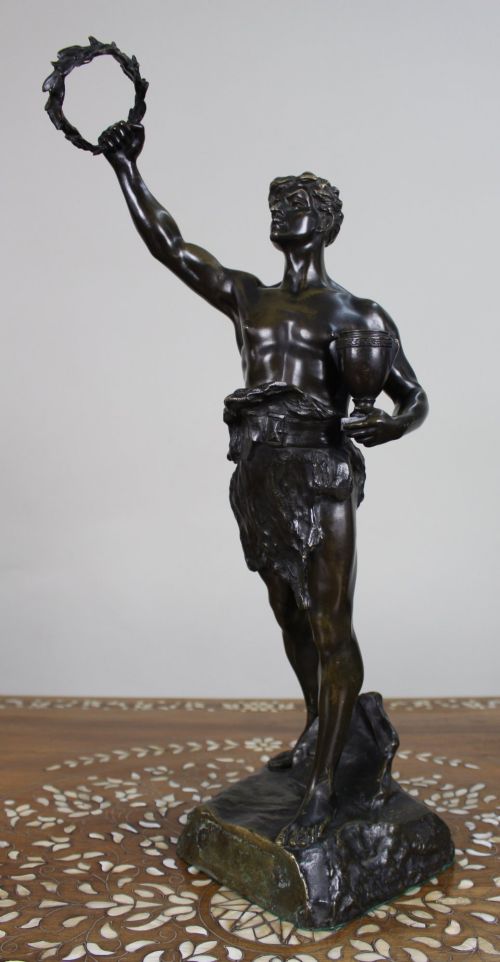
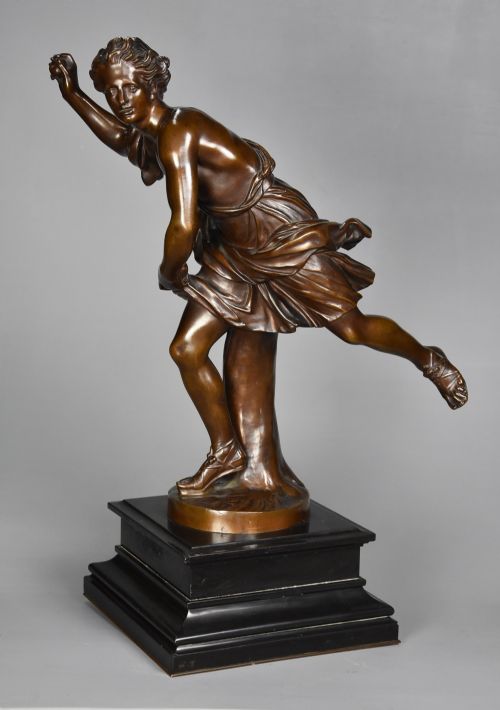
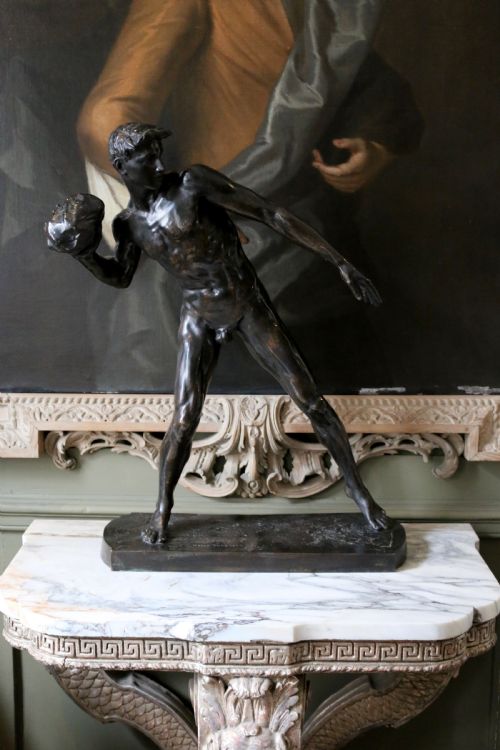
A male figure sculpture encompasses depictions of classical heroes, athletes, and mythological figures cast in metal or carved from stone and wood. These works draw heavily on antique prototypes, rendering the human form through nineteenth-century academic and grand tour traditions.
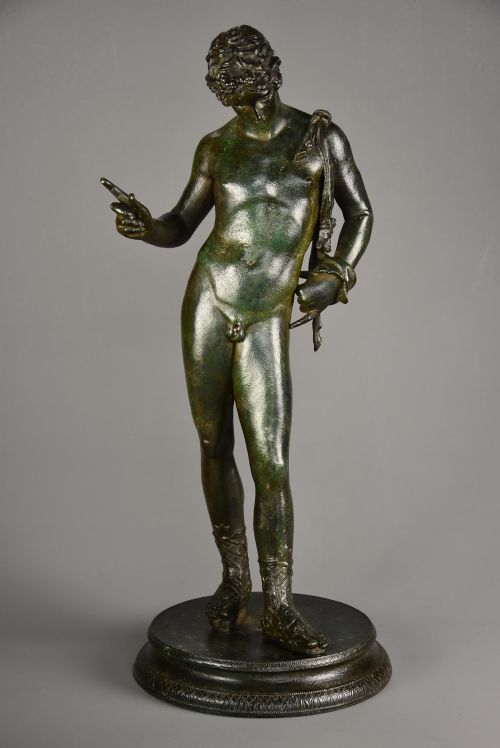
The most common examples on this page are nineteenth-century bronze reductions of classical antiquities, alongside later French and Italian works. Buyers encounter subjects ranging from Narcissus and gladiators to tennis players and labourers, rendered across bronze, marble, plaster, and wood.
Materials and casting methods
Bronze forms the primary medium for these works, often shaped through traditional foundry casting and finished with patination ranging from dark green to polished dark brown. Foundries applied chemical patinas to simulate the aged surfaces of excavated antiquities or to accentuate muscular definition.
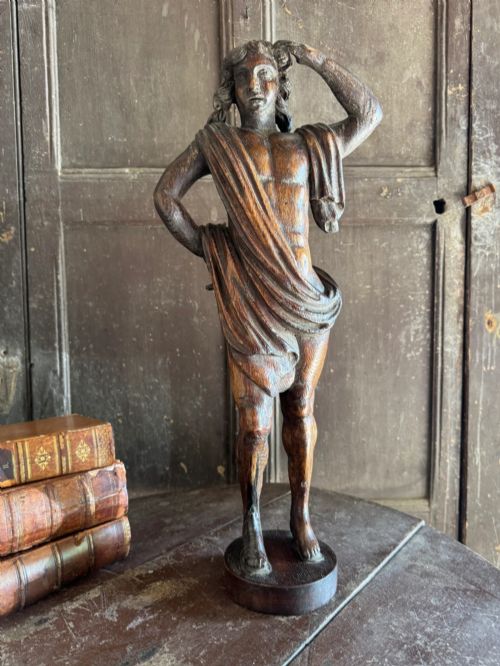
Alternative materials include carved marble, alabaster, terracotta, and cast plaster, alongside specialised wood carvings. Artisans worked these mediums to capture drape, texture, and anatomical detail in adherence to neoclassical and academic standards.
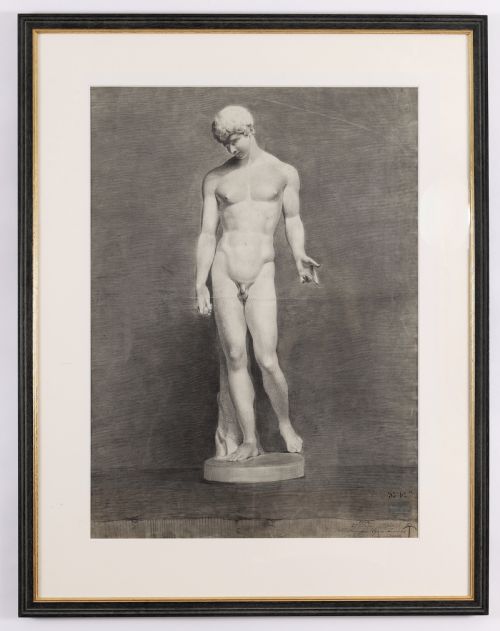
Object forms on this page include portrait busts, full-length classical figures, figural lamps, and framed graphic artwork.
Distinctions in craftsmanship
Quality rests in the crispness of the chase work after casting, where skilled hands refined details in hair, musculature, and drapery that the mould left soft. Superior bronzes retain sharp anatomical lines and thoughtful patination rather than flat, uniform colour.
The integrity of the marble or fossil marble base and the presence of clear foundry marks or signatures separate standard decorative reductions from exceptional workshop productions.
Barbedienne·Jules Dalou·Friedrich Goldscheider·Emile Louis Picault
The Male Figure Sculpture Glossary
- Grand tour
- A nineteenth-century tradition where wealthy travellers collected classical bronzes and marbles in Italy. These souvenirs replicated famous antiquities found in museums and archaeological sites.
- Patination
- The chemical or natural coloration applied to the surface of bronze. It protects the metal and defines shadow and tone across the sculpture.
- Reduction
- A smaller copy of a larger public sculpture or ancient statue. Foundries produced these reduced scales for domestic display during the Victorian period.
- Verdigris
- A green patina resulting from the oxidation of copper or bronze. It mimics the appearance of ancient buried statuary.
- Spelter
- An alloy of zinc and lead used as a less expensive alternative to bronze. It often received a bronze-like coating to imitate heavier metal.
Male Figure Sculpture: Frequently Asked Questions
What is a grand tour bronze?
A grand tour bronze is a nineteenth-century souvenir cast in Italy for travellers touring classical sites. These pieces replicated famous ancient statues for display in private European homes.
They offer collectors a direct link to the nineteenth-century taste for classical antiquity and archaeology.
How do I care for a bronze figure?
Bronze figures require minimal maintenance beyond occasional dusting with a soft, dry cloth. Avoid using commercial metal polishes, which can strip the historic patina from the surface.
Keeping the sculpture away from direct sunlight and high humidity preserves the stability of both the metal and any underlying marble base.
What is patination on metal?
Patination is the intentional colouring of a bronze surface achieved through heat and chemical applications. Foundries used varied chemical treatments to create deep brown, green, or black tones.
This finish enhances the visual depth of the musculature and protects the underlying metal from environmental wear.
How can I date a nineteenth-century sculpture?
Dating relies on stylistic clues, foundry stamps, and the type of material used for the base. Nineteenth-century works frequently exhibit specific patination styles and signatures tied to known European foundries.
Examining the cast quality and fastening screws underneath the base provides further confirmation of the period of production.