

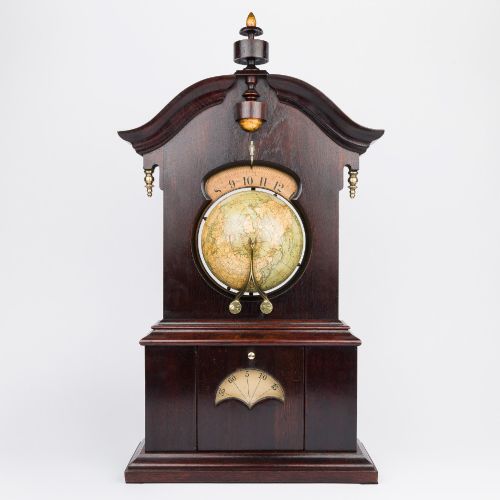
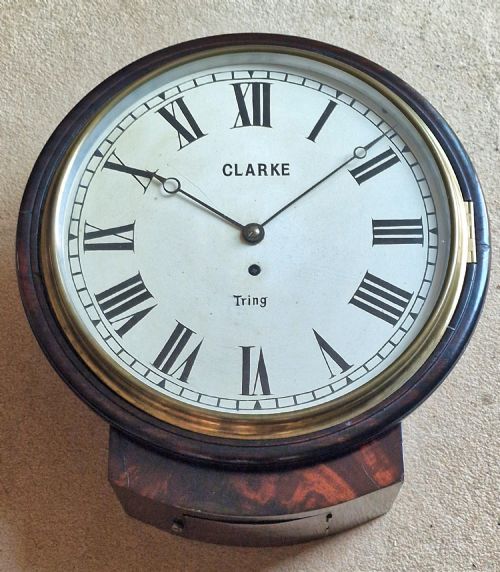
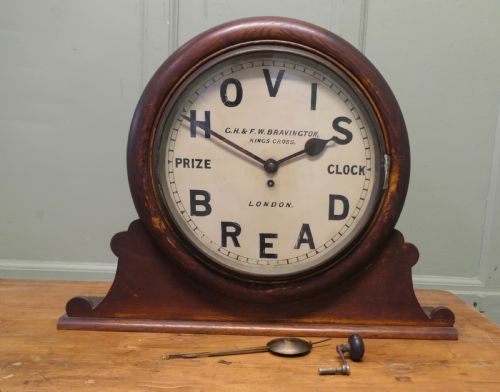
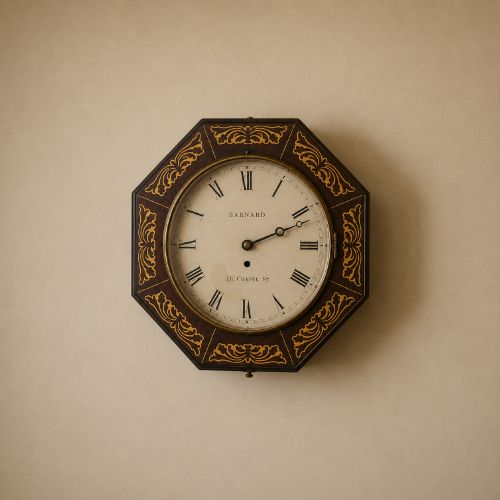
Mahogany Timepiece Clock
A mahogany timepiece clock brings dependable mechanical motion into a room within a warm timber case.
Mahogany Timepiece Clock
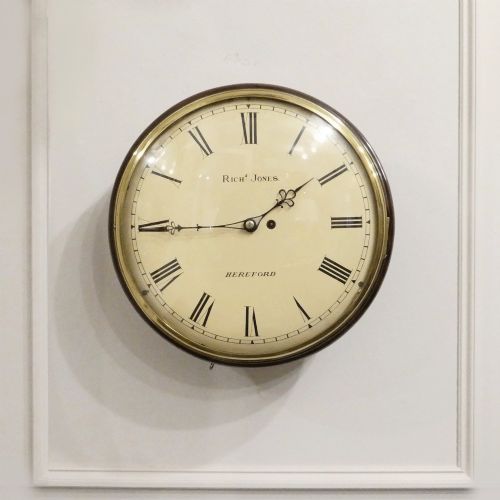
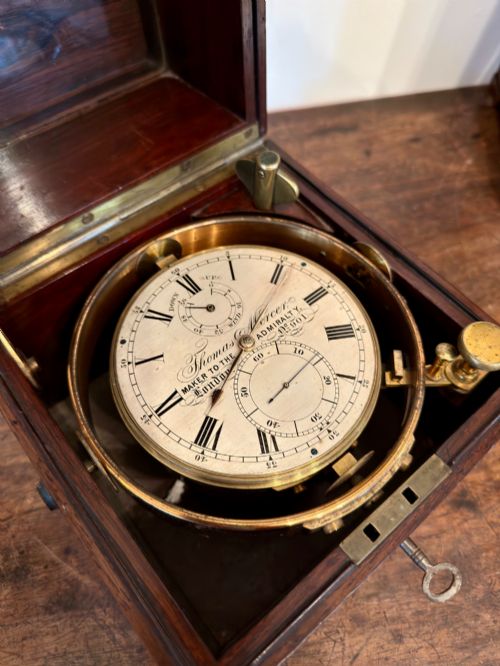
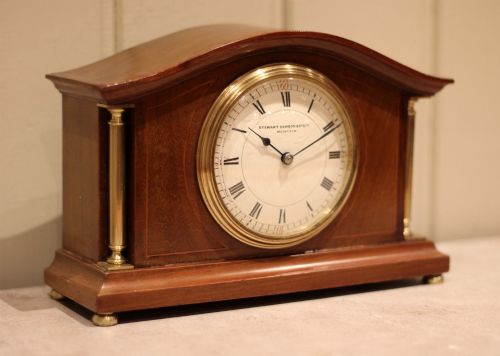
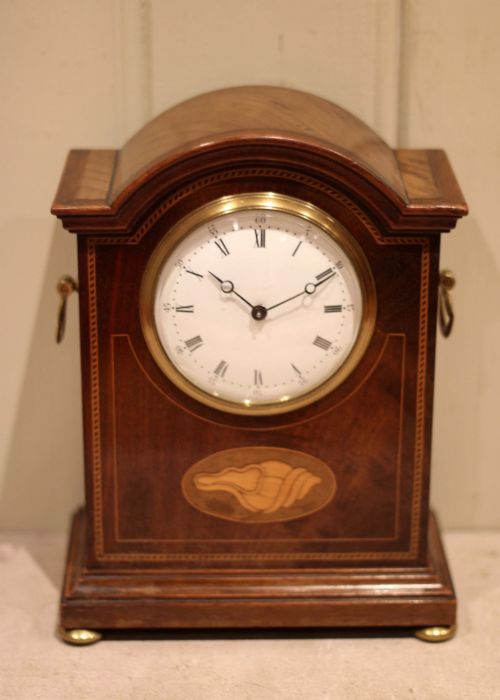
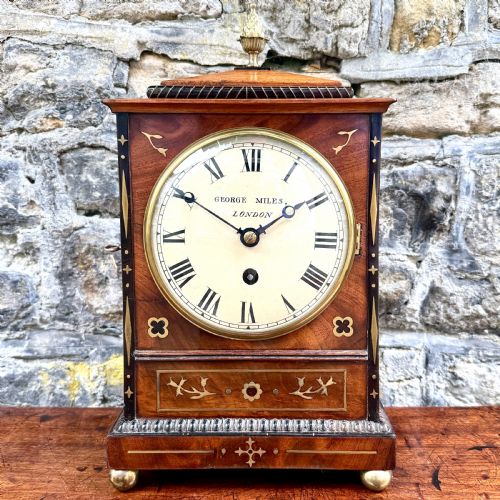
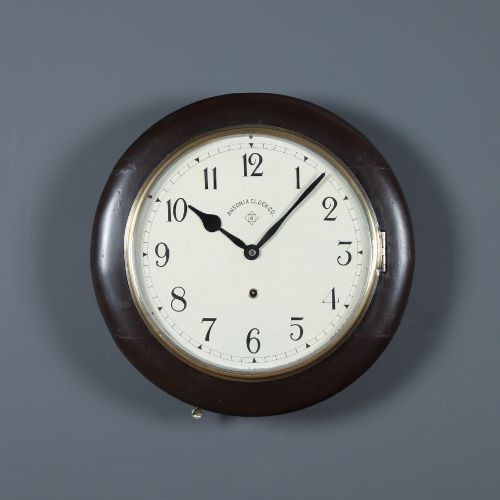
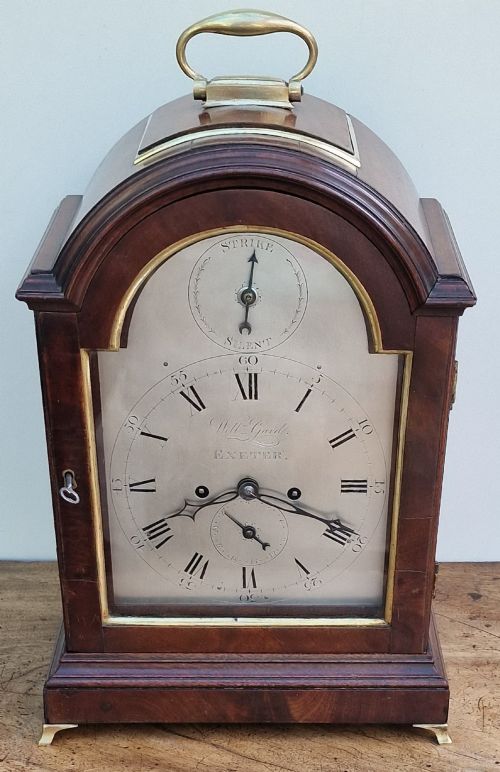
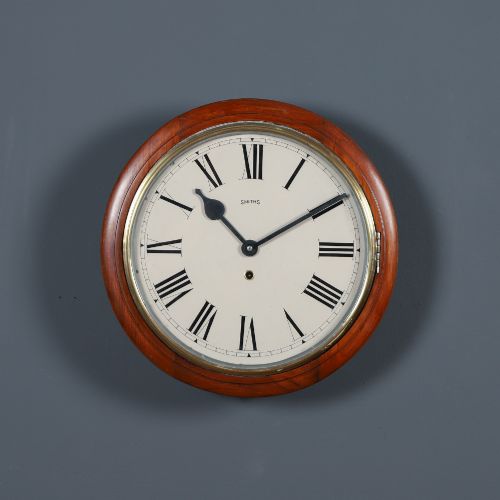
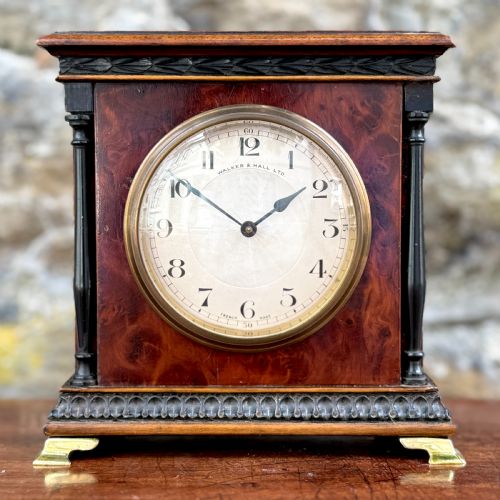
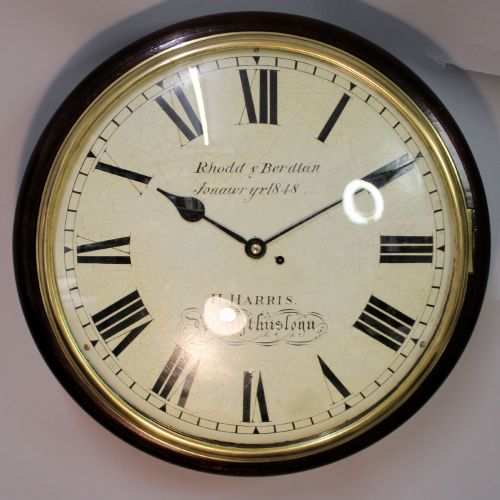
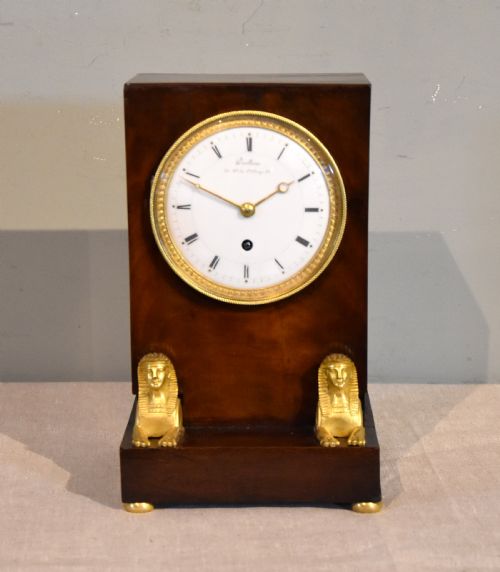
When you search for a mahogany timepiece clock, you encounter precision instruments built to track hours without striking mechanisms. The forms span robust railway wall dials, architectural library models, and compact mantel pieces.
Edwardian mantel clocks and Victorian wall dials appear most frequently among these listings. Georgian and Regency bracket examples also emerge, often housing fusee movements inside rich timber housings.
The objects serve practical timekeeping roles while displaying the grain and depth characteristic of period cabinetwork.
Materials and Construction
Cabinetmakers utilised solid mahogany and applied fine satinwood inlay or brass details to shape the outer cases. Glass protects the painted or enamel dials, while iron and brass components form the internal gears.
Fusee movements regulate the power delivered to the escapement through a conical pulley and cord or chain. This mechanism maintains constant driving force as the mainspring unwinds.
Listings feature mahogany timepiece clocks spanning the Georgian, Regency, Victorian, and Edwardian periods.
Factors of Quality
Excellence in these clocks rests upon the crispness of the timber carving and the fidelity of the dial inscriptions. Cases featuring subtle satinwood stringing or brass inlay display greater cabinetmaking skill than plain boxes.
The precision of the internal movement and the smoothness of the fusee drive determine mechanical merit. Original components and signed maker plates elevate historical standing.
Richard Jones of Hereford·Mercer of London·William Gard Exeter·George Clarke Tring·Henry Harris·Bush of London·Webster Cornhill London·Bryson Edinburgh·Joseph Hackler·Barraud and Lunds
The Mahogany Timepiece Clock Glossary
- Timepiece
- A clock that measures and indicates time without striking bells or gongs. These movements focus entirely on the escapement and gear train.
- Fusee
- A conical pulley designed to equalise the torque of the mainspring as it runs down. This device ensures steady force reaches the escapement.
- Bracket Clock
- A portable clock designed to sit on a bracket or table. These pieces frequently feature architectural wooden cases and carrying handles.
- Dial
- The face of the clock where the numbers and hands are displayed. On these pieces, dials often feature painted metal or enamel beneath glass.
- Bezel
- The brass or wooden ring that holds the glass door protecting the dial. It usually opens on a hinge to allow hand adjustments.
Mahogany Timepiece Clock: Frequently Asked Questions
What is a timepiece clock?
A timepiece clock indicates the hours and minutes without a striking train. It relies on a gear train and escapement to measure intervals silently.
Such designs were popular for offices, libraries, and bedrooms where chiming would prove disruptive.
How do I wind my clock?
Winding requires inserting the appropriate key into the dial aperture and turning it gently until resistance is met. Care prevents damage to the mainspring inside the movement.
Most fusee movements require weekly attention to maintain accurate timekeeping.
Where should I place a wall dial?
Wall dials require a secure mounting point on a stable partition to prevent vibrations from altering the beat. Railway and school models suit hallways or kitchens.
Positioning them away from direct sunlight protects the mahogany finish and painted dial.
How do I identify the period?
Period identification relies on case architecture, dial materials, and secondary timbers like satinwood. Georgian and Regency pieces show classical proportions and brass inlay, while Edwardian examples often feature lighter stringing.
Makers' signatures engraved on the backplate or painted on the dial offer definitive dating clues.