

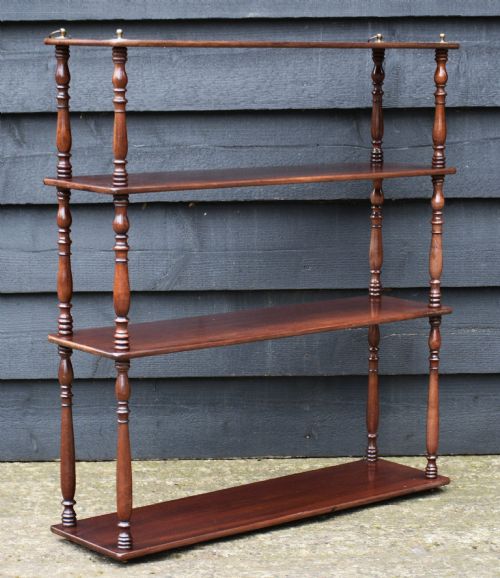

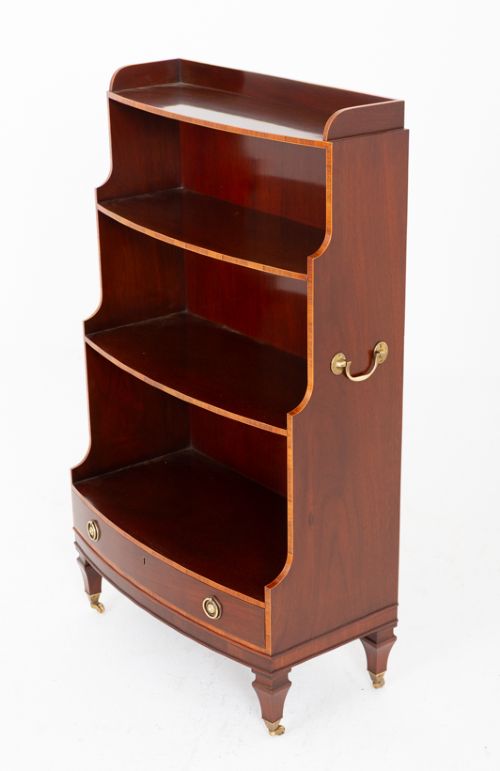
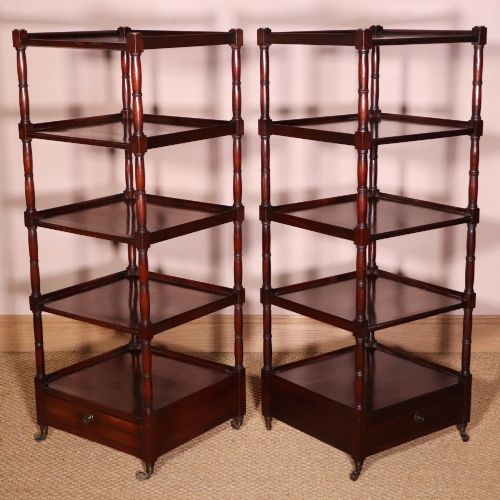
Mahogany Tiered Shelf
These mahogany tiered shelf pieces offer upright display and storage, pairing practical timber tiers with period craftsmanship.
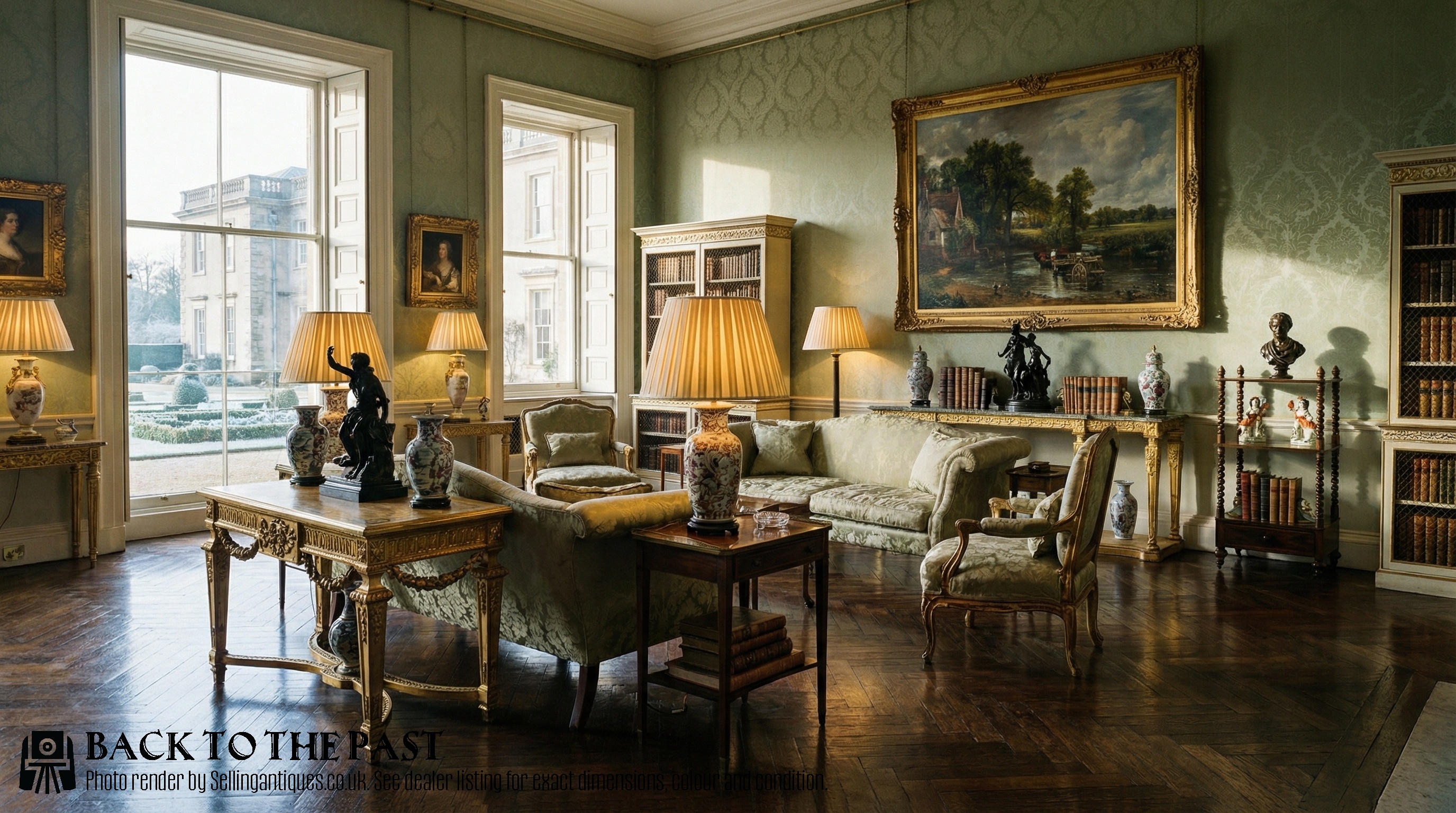
Mahogany Tiered Shelf
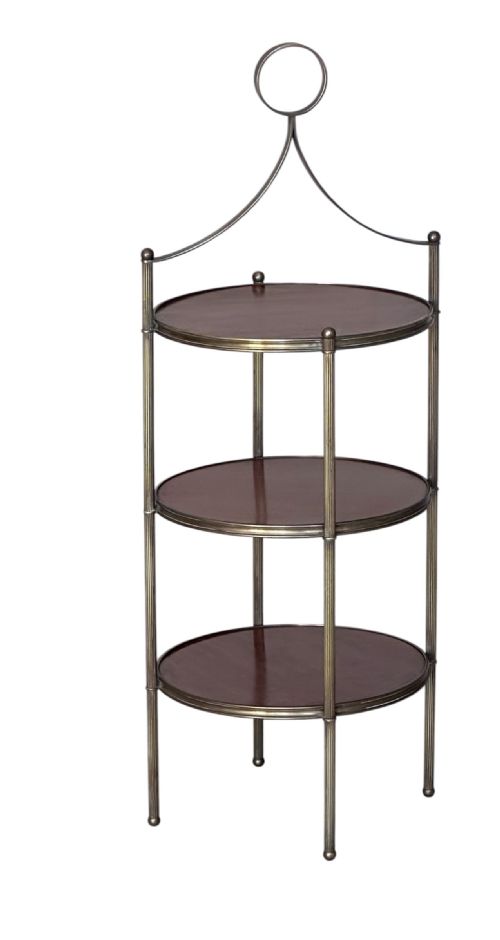
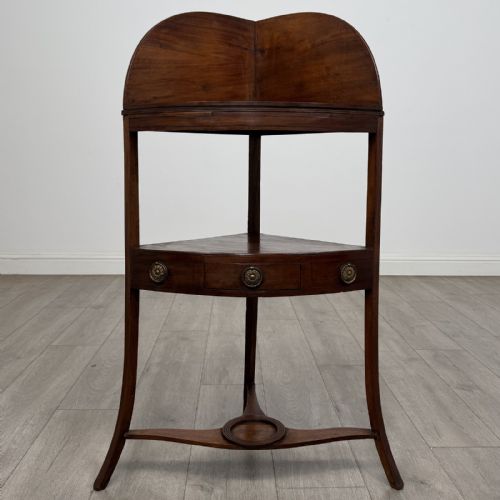
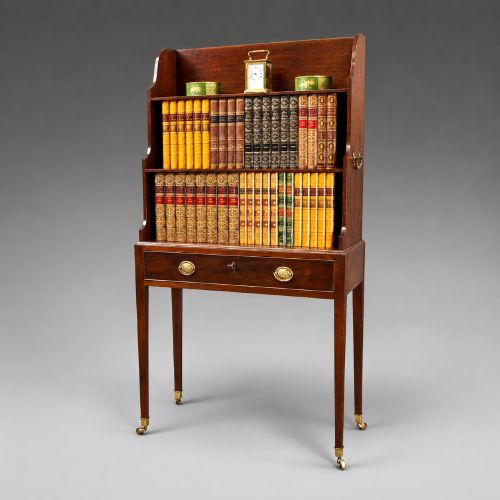
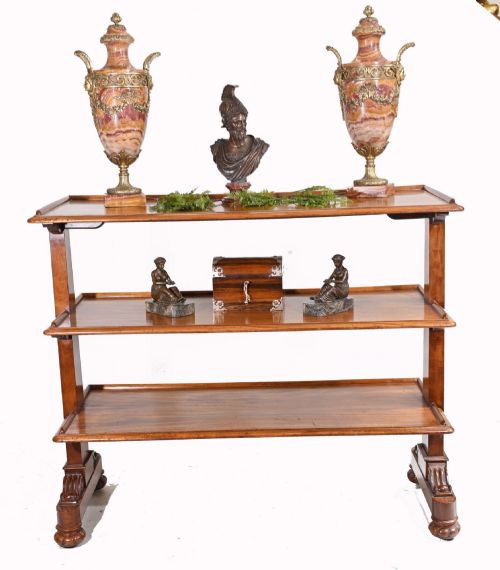
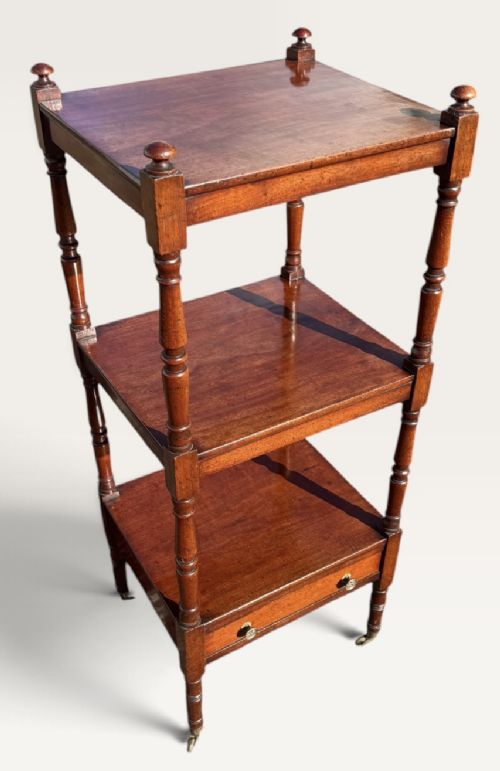
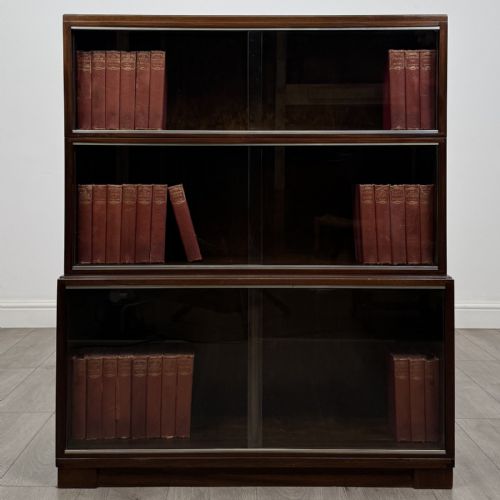
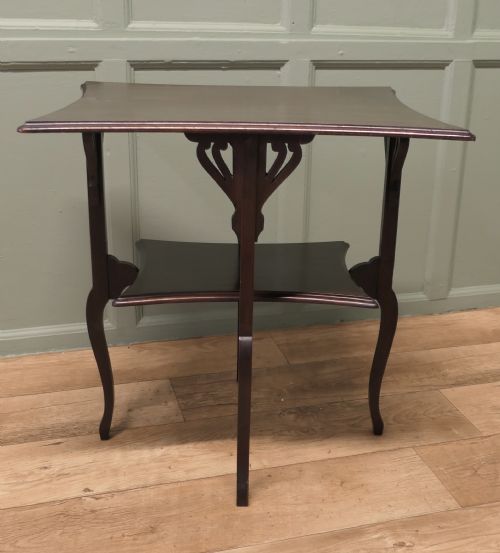
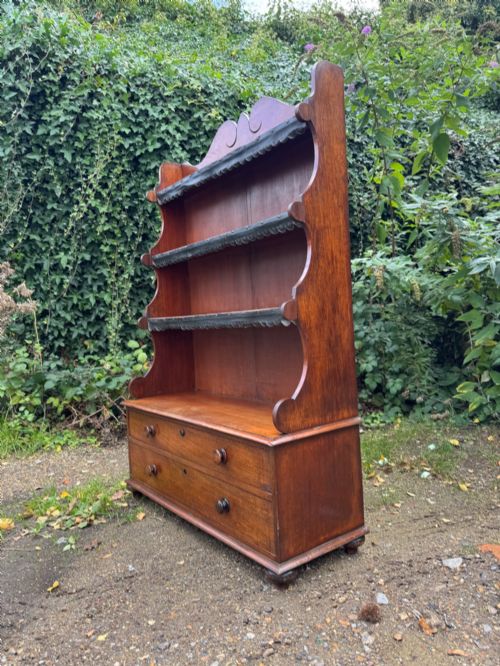
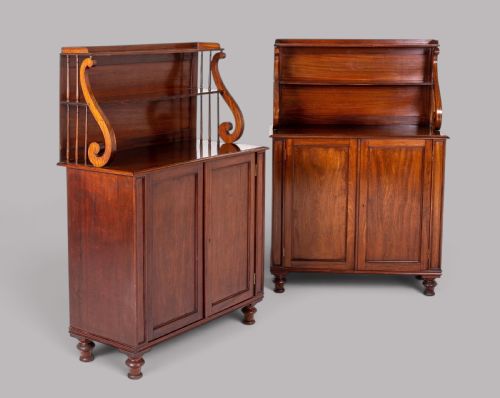
A mahogany tiered shelf brings multiple display surfaces together in forms ranging from freestanding whatnots and waterfall bookcases to wall-hanging shelves. The pieces appearing here span the Georgian, Regency, and Victorian periods, alongside Edwardian and later twentieth-century examples.
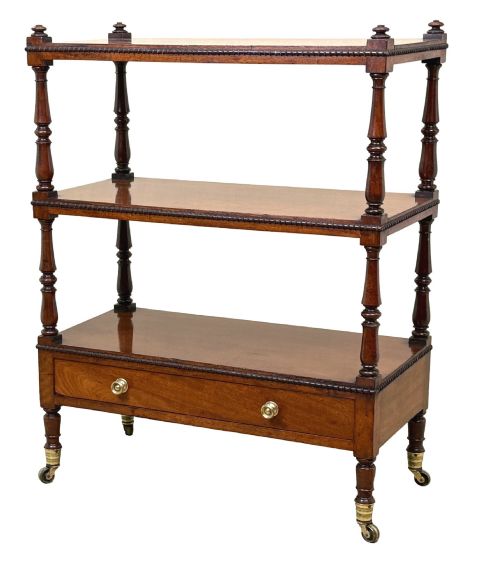
Buyers most frequently encounter standing whatnots, open bookcases, and multi-tier étagères designed to hold books, ceramics, and ornaments. These tiered designs make efficient use of vertical space in both compact rooms and larger drawing rooms.
Origins stretch from formal Georgian workshops through to nineteenth-century cabinet makers and later revival pieces. The enduring appeal lies in the warm timber grain and the clever graduation of shelves from top to bottom.
Materials and construction methods
Makers relied primarily on solid mahogany and mahogany veneers, occasionally incorporating secondary timbers like walnut and boxwood for subtle contrast. Brass fittings, cast iron components, and glass elements appear across specific utilitarian and decorative forms.
Turned supports, barley twist columns, and precise joinery give these tiered structures their stability. Marquetry inlay and delicate wood stringing decorate the finer surfaces of period examples.
Mahogany Tiered Shelf Retail Price Guide 2026
Typical asking prices for mahogany tiered shelf among the pieces listed under this phrase on Sellingantiques today, from the lower quarter to the upper quarter. They describe what is for sale here now, not the wider market.
Listings feature mahogany, walnut, and boxwood across various periods from Georgian origins through to 1920s revival pieces.
Distinctions in quality
The choice of timber grain and the precision of the wood inlay set superior pieces apart from standard workshop output. Dense, figured mahogany with deep natural patination indicates careful selection by the cabinet maker.
Structural rigidity in tiered uprights depends entirely on the tightness of the joints and the turning quality of the upright supports. Refined proportion and restrained decorative carving distinguish the best Georgian and Regency items from later mass-produced variations.
Gillows·Globe Wernicke
The Mahogany Tiered Shelf Glossary
- Whatnot
- A moveable set of open shelves standing on legs, designed for displaying ornaments and books. They became popular in the eighteenth century and remained staples of Victorian drawing rooms.
- Waterfall bookcase
- A set of open bookshelves where each tier steps back progressively from the one below it. The silhouette resembles descending water.
- Étagere
- A piece of furniture consisting of a set of open shelves for holding ornaments. It functions similarly to a whatnot but often leans towards lighter, decorative display.
- Barley twist
- A type of turning shaped like a spiral rope, common in seventeenth-century furniture and revived during the Victorian period. It adds texture to the vertical supports of stands and shelves.
- Marquetry inlay
- Decorative patterns formed by fitting contrasting pieces of veneer into a prepared wood surface. Craftsmen used various woods to create geometric or floral motifs.
Mahogany Tiered Shelf: Frequently Asked Questions
What rooms suit a mahogany tiered shelf?
These tiered pieces fit easily into sitting rooms, studies, and hallways where vertical display space is needed without a heavy footprint. Corner whatnots make use of neglected room angles while holding books or small ceramics.
Open bookshelves and étagères work well against flat walls to organise collections or everyday reading material. Their open structure keeps rooms feeling light while providing generous surface area.
How do I care for mahogany shelves?
Keep mahogany timber away from direct heat sources and strong sunlight to prevent the polish from drying and the wood from splitting. Dust regularly with a soft, dry cloth to protect the finish.
Apply a traditional beeswax polish sparingly when the wood appears dry, buffing it gently to maintain the natural lustre. Avoid placing damp items directly onto the unsealed timber tiers.
How can I tell a Regency shelf from a Victorian one?
Regency pieces often display cleaner architectural lines, restrained brass details, and classical proportions influenced by ancient Greek and Roman design. The mahogany used in this period tends to have a rich, deep patination.
Victorian items frequently introduce heavier turnings, such as barley twist supports, and occasionally more exuberant decorative carving. Mid-to-late nineteenth-century pieces also embrace revolving bookcase designs and darker finishes.
Were these shelves used for books or ornaments?
Whatnots and étagères were originally designed to hold ornaments, curiosities, and tea services in fashionable drawing rooms. The name itself reflects their versatile utility for whatever objects the owner wished to exhibit.
Waterfall bookcases and sectional units served a more dedicated reading function, housing personal libraries and reference volumes. Many surviving pieces accommodated both books on lower tiers and decorative objects higher up.