


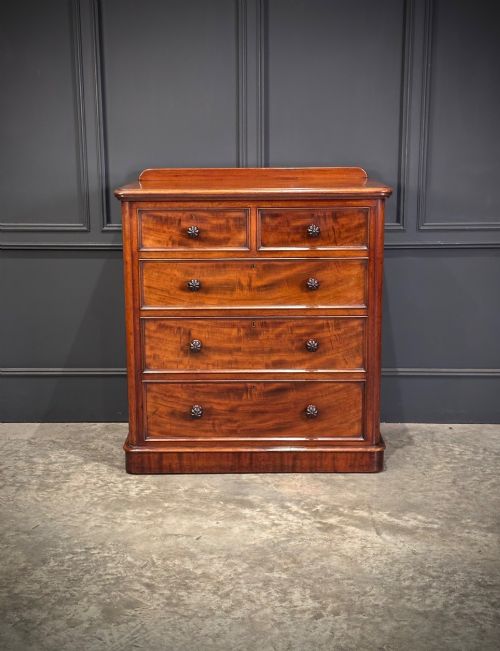
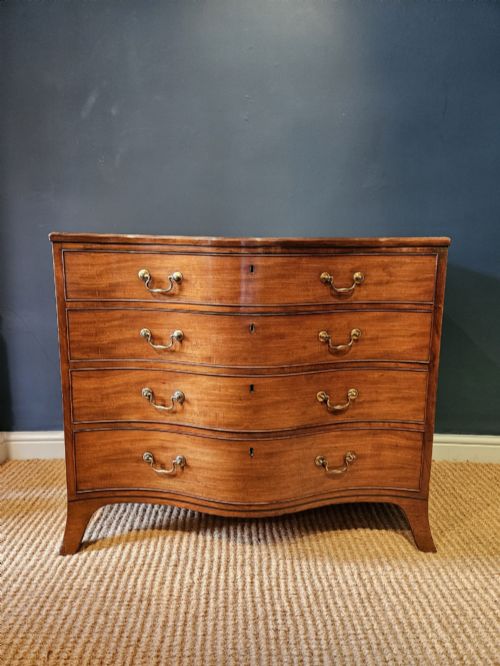
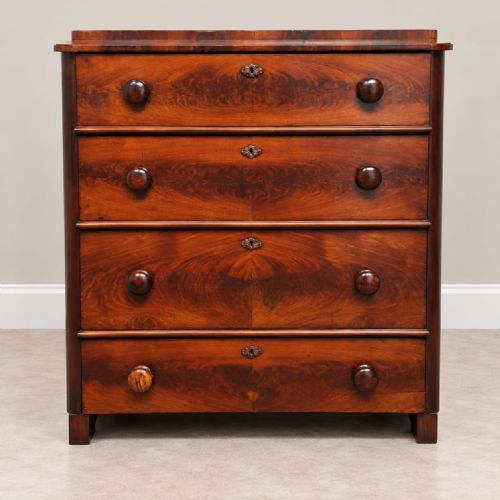
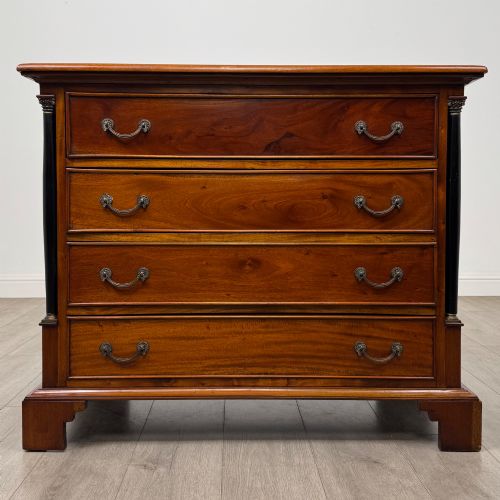
Mahogany Tallboy Bureau
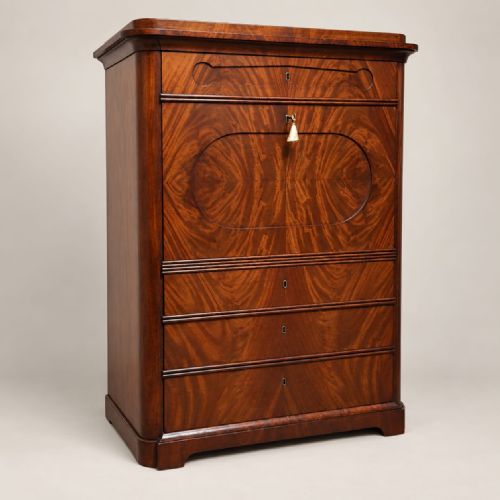
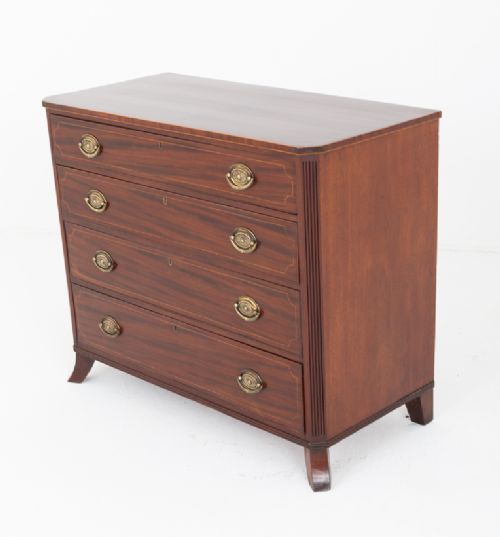
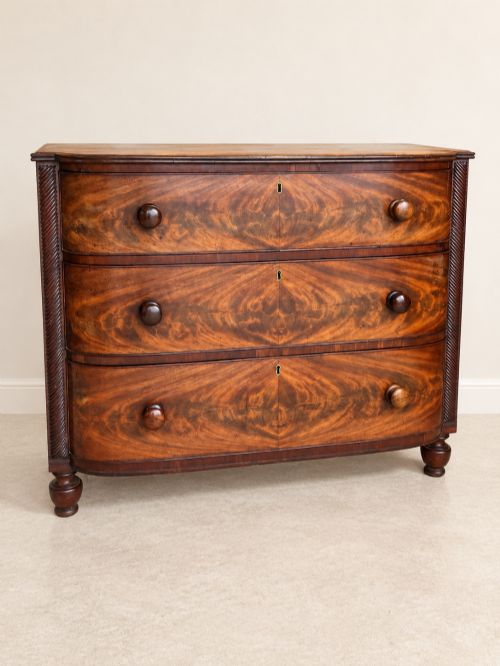
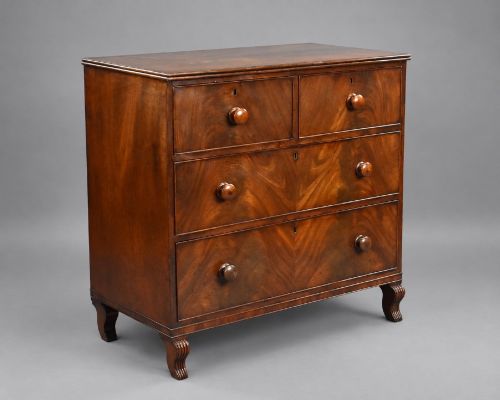
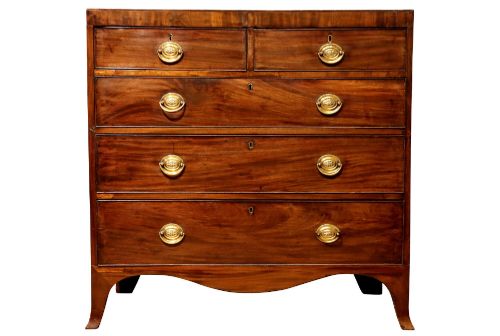
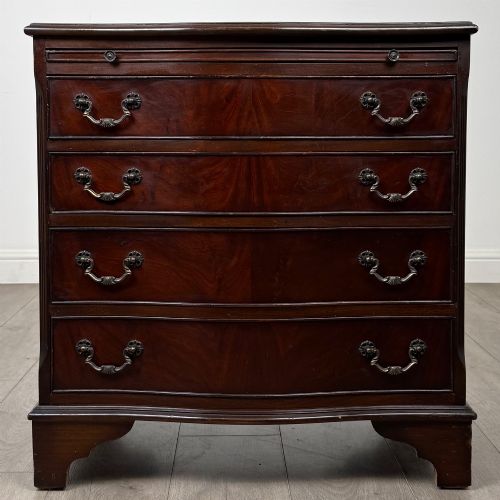
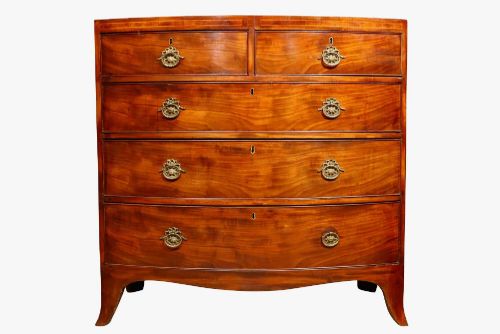
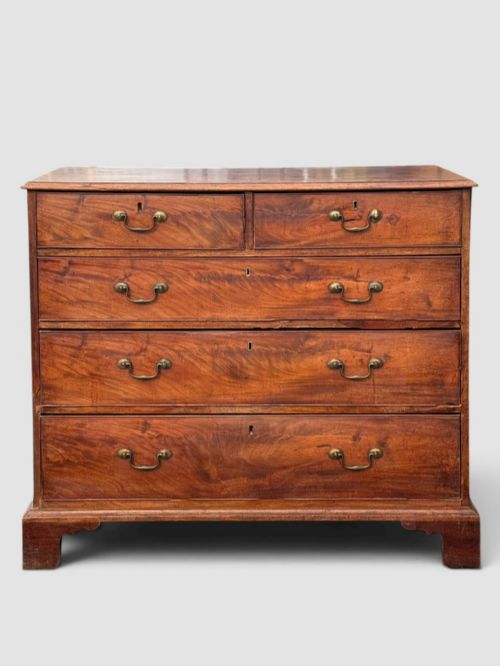
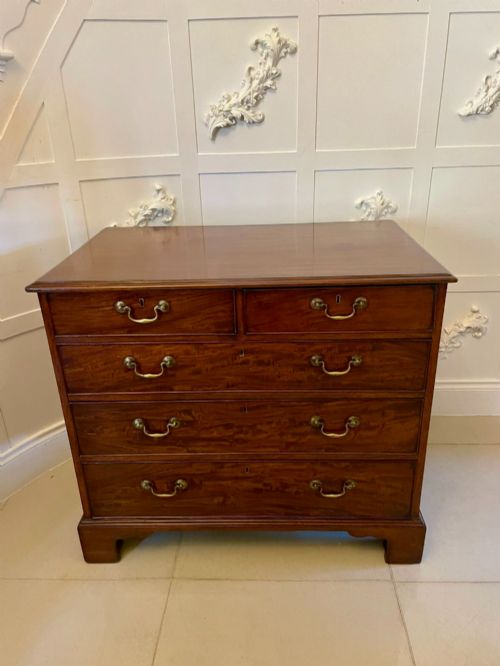
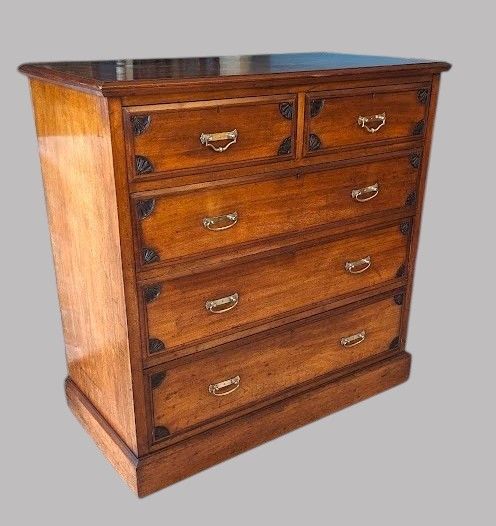
These mahogany tallboy bureau pieces combine ample storage with a practical writing surface, offering a handsome focal point for any traditional interior.

Mahogany Tallboy Bureau
The pieces appearing on this page span the 18th century, the Regency era, and the Victorian period, showing how cabinetmakers adapted the form over generations. Most examples adhere to classical proportions, balancing multiple graduated drawers beneath a fall-front writing flap or integrated cabinet section.
Regional variations and stylistic revivals also emerge within the inventory, including Edwardian interpretations and specific regional pieces like Channel Islands or Scottish formats. This diversity ensures that collectors find both restrained utilitarian designs and more decorative treatments.
Materials and construction
Makers relied principally upon solid mahogany and flame mahogany veneer, often supported by secondary timbers such as oak and pine for drawer linings and internal framing. This choice of primary hardwood provided both structural rigidity and a rich, deep grain capable of taking a high polish.
Brass hardware, including drop handles and escutcheons, was standard for securing and operating the drawers, while secondary details sometimes incorporated bone or leather accents. Joinery techniques involved precise dovetailing on drawer construction to ensure durability through centuries of daily use.
Secret compartments hidden behind pigeonholes remind us that past owners loved guarding their small personal treasures.
Assessing quality and craftsmanship
The standard of timber selection fundamentally separates exceptional pieces from ordinary ones, particularly in the figuring and book-matching of flame mahogany veneers across drawer fronts. Superior execution involves careful grain alignment that creates visual symmetry when the compartments are closed.
The integrity of the internal construction, such as secondary oak linings and hand-cut dovetails, indicates the care taken by the original cabinetmaker. Refined brass fittings that are original to the piece and smooth drawer operation further distinguish higher-tier examples from later or heavily altered adaptations.
The Mahogany Tallboy Bureau Glossary
- Tallboy
- A tall chest of drawers traditionally formed by stacking one cabinet on top of another. It maximises vertical storage space in domestic rooms.
- Bureau
- A desk featuring a sloping hinged lid that drops down to reveal a writing surface and small pigeonholes. It often contains concealed compartments.
- Flame mahogany
- A veneer cut from timber where the branches join the trunk, producing a distinctive flickering flame pattern. Cabinetmakers reserved this for prominent exterior surfaces.
- Brushing slide
- A pull-out shelf located just beneath the top surface or writing flap. It was used historically for dusting clothes or as an auxiliary writing ledge.
- Dovetail
- A joint formed by interlocking wedge-shaped fingers, essential for strong drawer construction. Traditional examples show hand-cut irregularity.
Mahogany Tallboy Bureau: Frequently Asked Questions
How do I date a mahogany bureau?
Dating relies on examining construction methods, secondary timbers, and hardware styles rather than relying solely on surface appearance. Earlier pieces from the Georgian era typically feature hand-cut dovetails and oak linings, while Victorian examples often incorporate machine-sawn elements and pine.
Changes in handle design and foot style also offer reliable clues to the decade of manufacture. Comparing the specific veneer work and secondary woods helps narrow down the period.
Where should I place a tallboy in my home?
A tallboy requires a stable wall placement with adequate vertical clearance, making it suitable for bedrooms, studies, or large hallways. Because these pieces combine storage drawers with a writing surface, they function well in rooms where floor space is at a premium.
Keep the timber away from direct heat sources and strong sunlight to prevent the mahogany veneer from drying out or fading. Ensuring level flooring prevents the tall frame and drawers from warping over time.
Are these pieces suitable for daily writing use?
Most antique bureaux remain fully functional for writing, provided the hinges and internal supports are stable. The fitted interior compartments offer organised storage for modern stationery just as they did historically.
Users should take care not to overload the drop-front flap, as these surfaces rely on traditional support lopers or hinges. Placing a protective pad inside the writing area helps safeguard the historic mahogany or leather surface.
What is the difference between a tallboy and a chest?
A standard chest of drawers focuses entirely on horizontal storage in a low profile, whereas a tallboy stacks multiple sections vertically to increase capacity without widening the footprint. Many tallboy configurations also integrate a bureau compartment or a top cupboard section.
This verticality allowed historic households to store linens, clothing, and writing materials within a single piece of furniture. The resulting silhouette is taller and more imposing than a standard bedroom chest.