

19th Century Mahogany Bureau
A 19th century mahogany bureau brings tactile warmth and concealed workspace into a room through deeply figured timber and clever folding flaps.
19th Century Mahogany Bureau
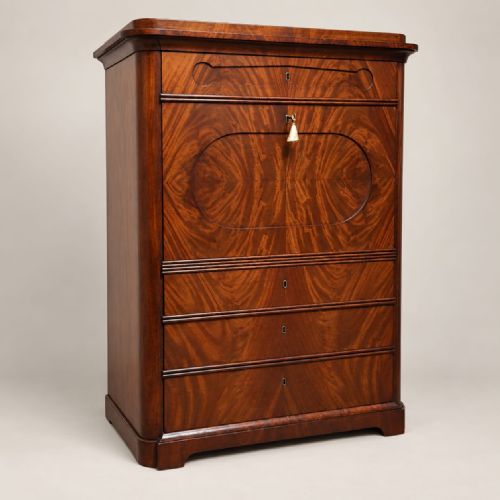
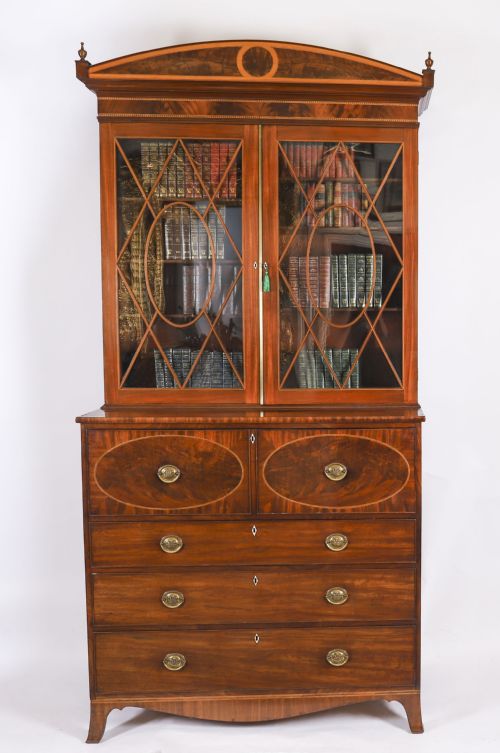
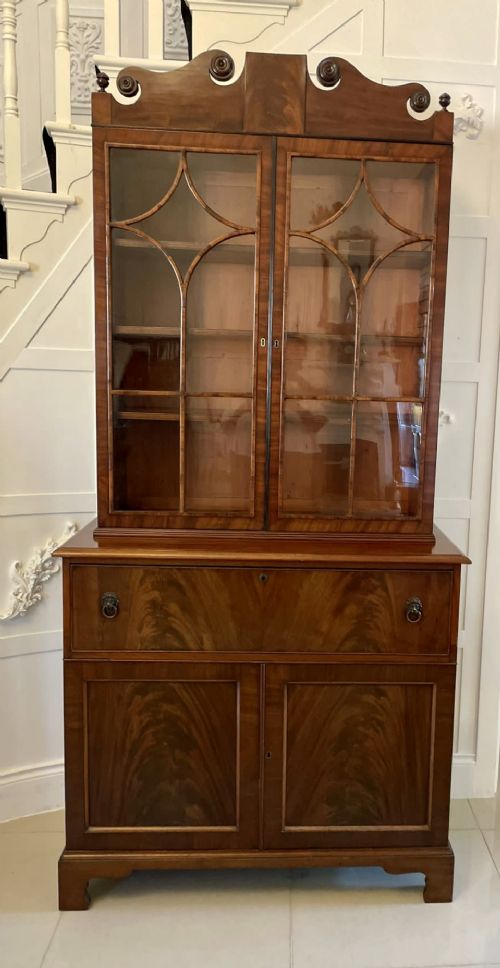
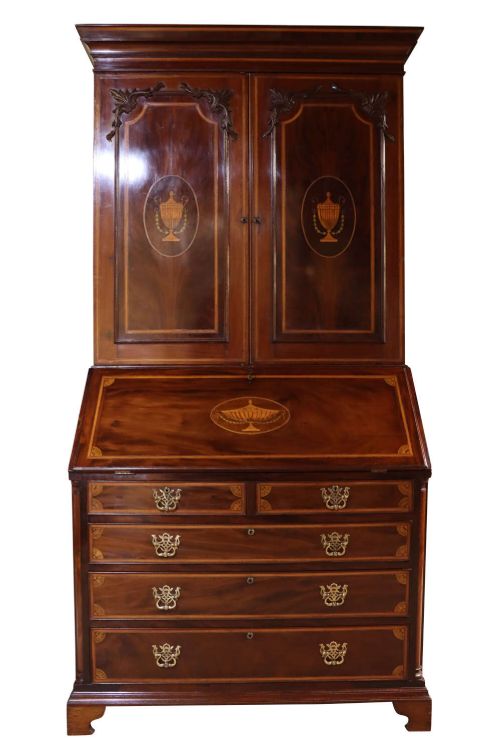
A 19th century mahogany bureau encompasses writing furniture built during the Georgian, Regency, and Victorian periods, ranging from compact sloped writing desks to towering bookcase combinations.
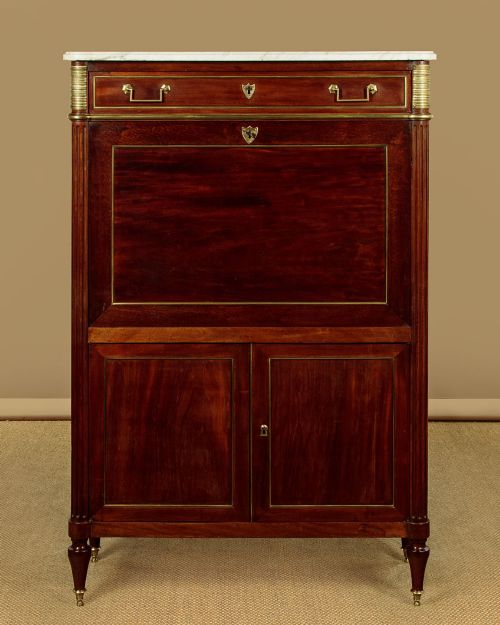
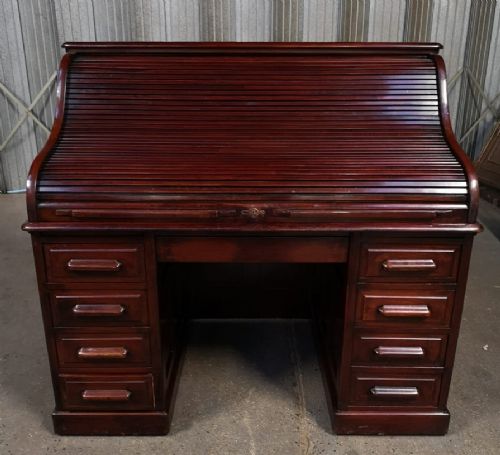
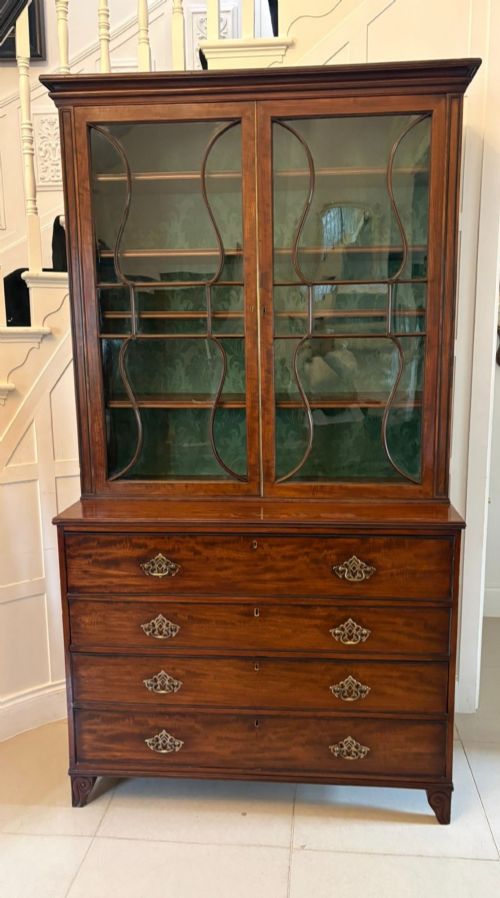
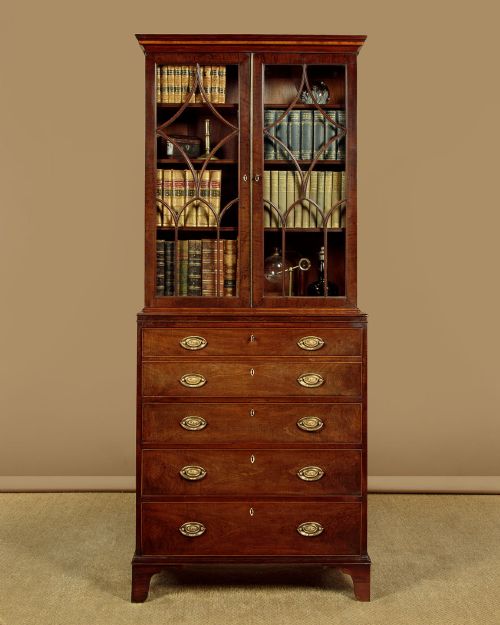
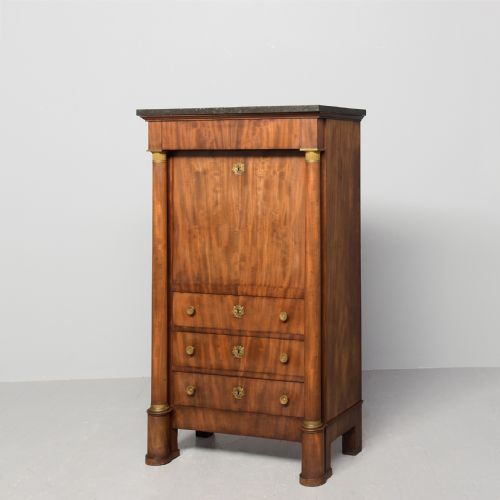
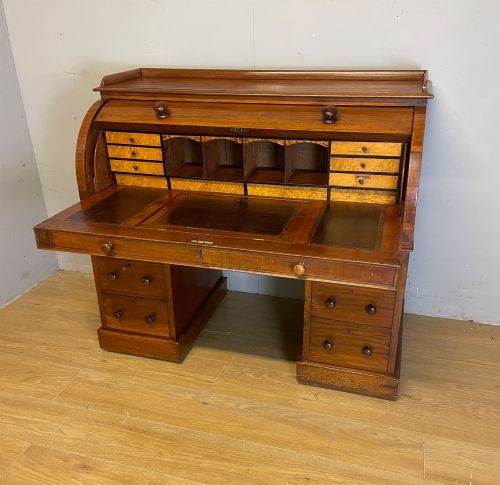
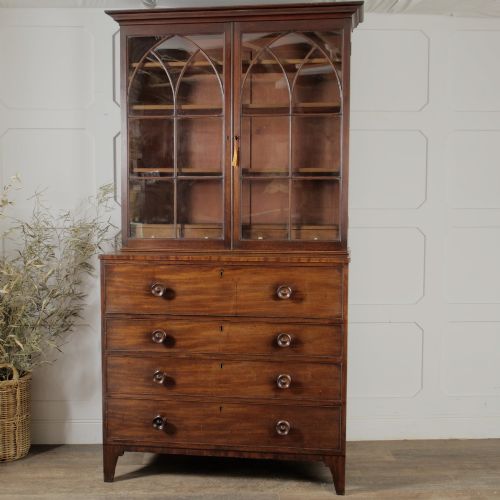
The pieces most frequently met on this page include fall-front slope desks, cylinder desks, and secretaire bookcases that combine storage drawers with fitted internal writing compartments.
Makers utilised dense tropical timbers and figured veneers, often pairing writing flaps with leather inserts, brass hardware, and internal pigeonholes designed for correspondence.
How they were made
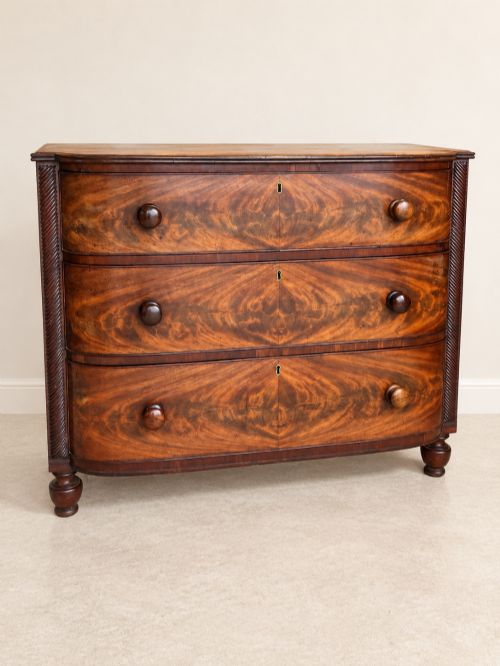
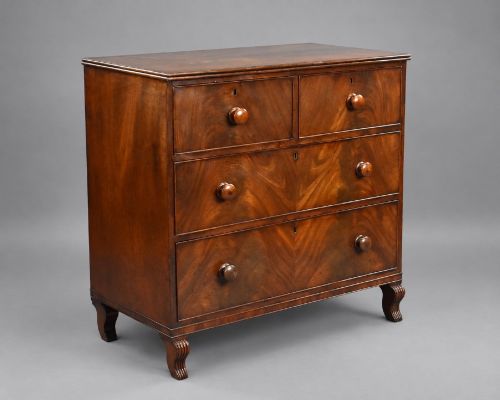
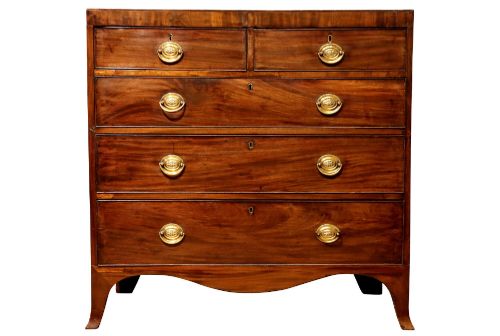
Cabinet makers constructed carcass frames from solid timber, applying flame mahogany veneers to drawer fronts and writing surfaces to display striking grain patterns.
Working surfaces incorporated inset panels of leather, while interior fittings utilised secondary woods and intricate pigeonhole dividers secured with small brass hinges and locks.
Materials recorded across the inventory include solid mahogany, flame mahogany veneer, brass handles, leather inserts, and marble tops.
What varies in quality
The distinction between tiers rests on the selection of timber veneers, the precision of internal drawer dovetailing, and the preservation of original brass handles and working locks.
Superior examples maintain crisp moulding profiles and balanced flame figuring across the fall front, whereas lesser pieces show veneer lifting or replaced secondary timbers.
George Oakley·Gillows·Mercier Frères
The 19th Century Mahogany Bureau Glossary
- Bureau
- A desk featuring a sloping lid that folds down to create a writing surface, concealing small drawers and pigeonholes.
- Secretaire
- A cabinet or chest incorporating a pull-out or drop-front drawer fitted for writing correspondence.
- Flame mahogany
- A veneer cut from the branch junctions of the mahogany tree, producing a distinctive flickering flame pattern.
- Abattant
- A tall cabinet with a vertical fall-front panel that drops down to form a writing ledge.
- Cylinder desk
- A writing desk with a curved, rolling cylinder shutter that conceals the writing surface and interior drawers when closed.
19th Century Mahogany Bureau: Frequently Asked Questions
How do I maintain the leather writing surface?
Keep the leather clean by dusting gently and avoiding excess moisture during routine room maintenance.
Apply a neutral wax or specialised leather balm sparingly to preserve suppleness if the surface appears dry.
How can I tell a Regency bureau from a Victorian one?
Regency pieces often display cleaner architectural lines, brass inlay, and rich flame mahogany surfaces dating from the early decades of the century.
Victorian examples tend to be heavier in proportion, utilising darker finishes and more robust mouldings associated with later production.
Are the internal secret compartments common?
Many bureau designs incorporate hidden compartments or small spring-loaded drawers concealed behind removable pigeonhole blocks within the fitted interior.
These compartments were originally intended for storing currency, private letters, or valuables securely out of sight.
Where should I place a bureau in a modern room?
Position the piece away from direct sunlight and heat sources to prevent the mahogany timber and applied veneers from drying out or splitting.
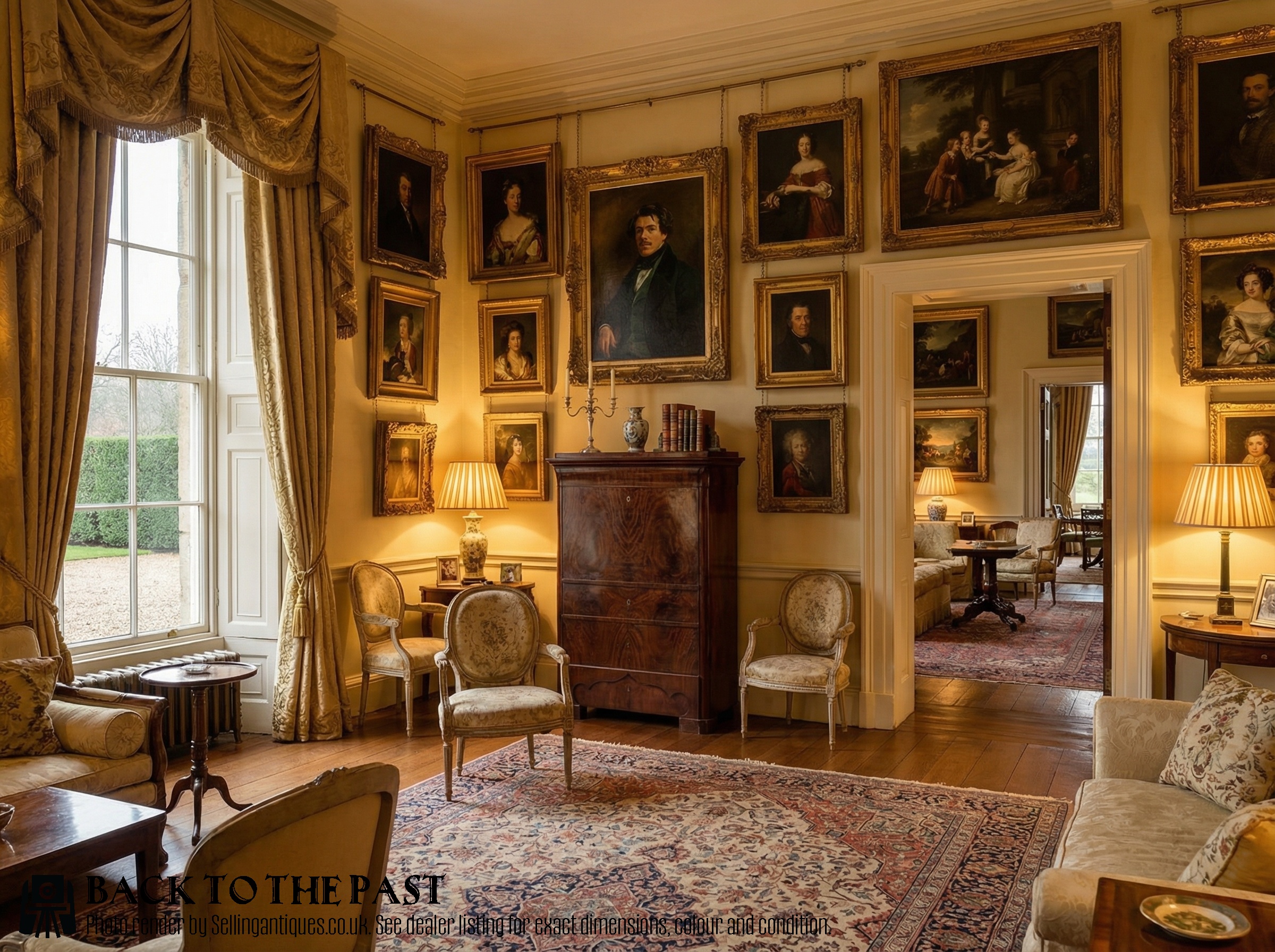
Allow sufficient clearance behind the fall front or pull-out desk flap to ensure comfortable daily use.