
Mahogany Table on Castors
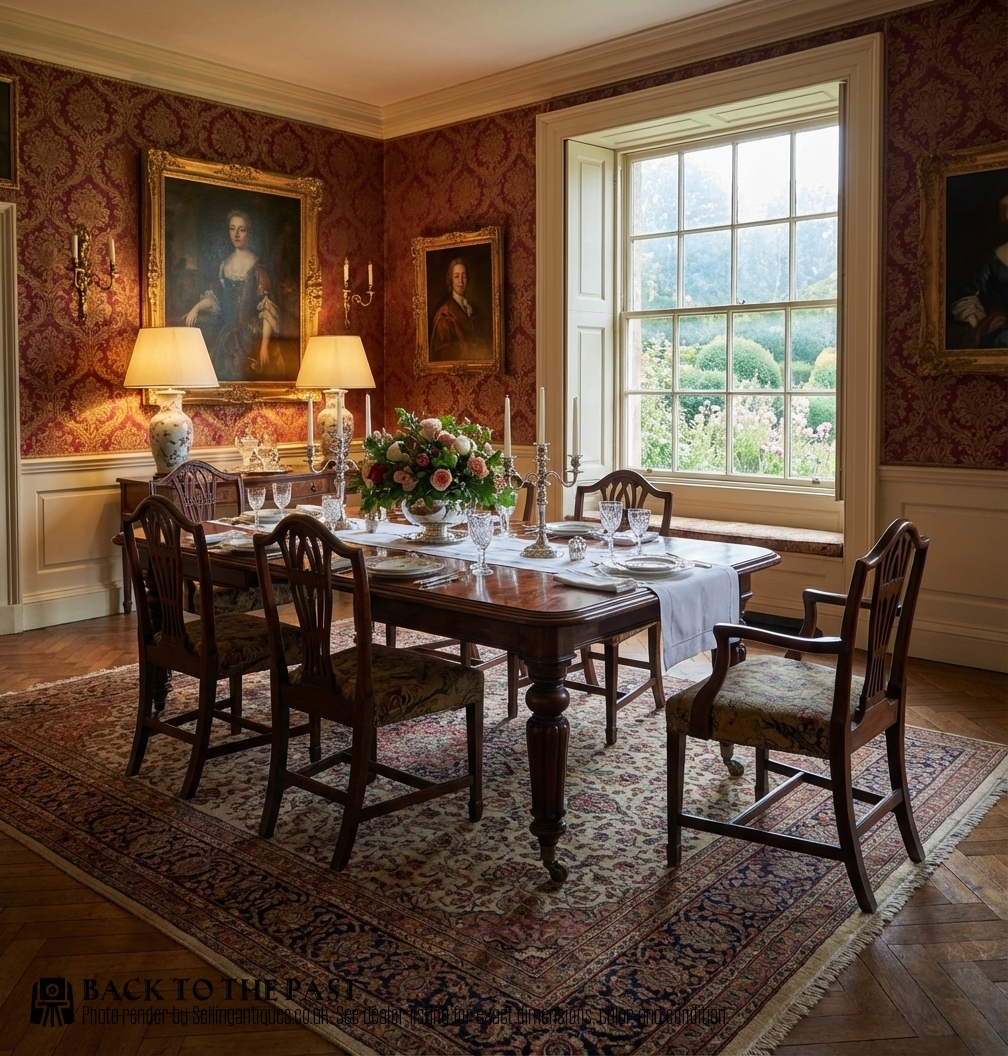
When you search for a mahogany table on castors, you encounter mobile timber furniture designed to move easily across rooms for dining, writing, or tea.
Mahogany Table on Castors
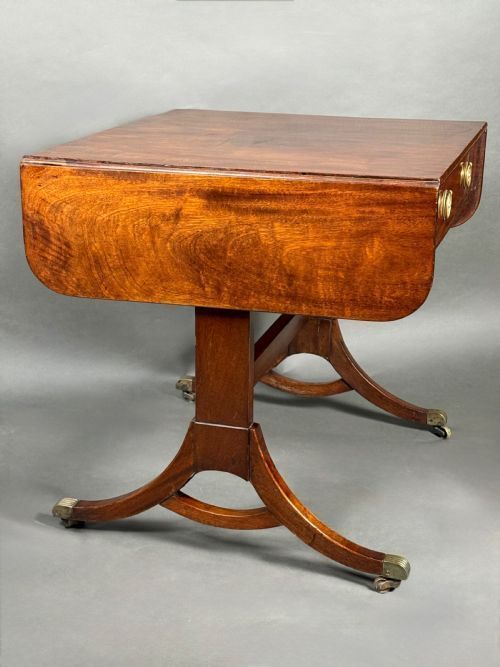
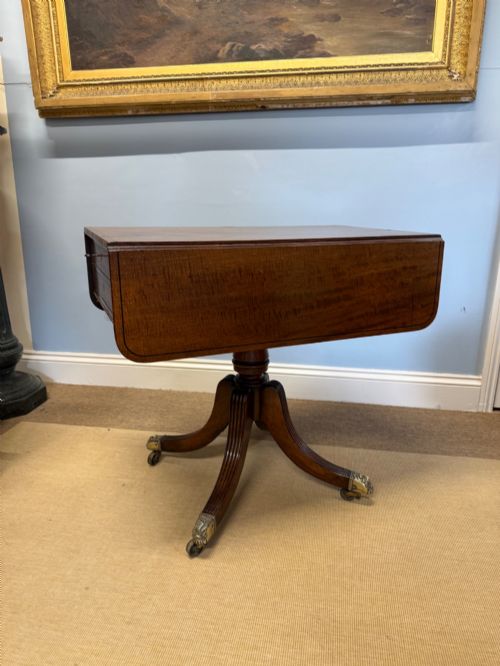
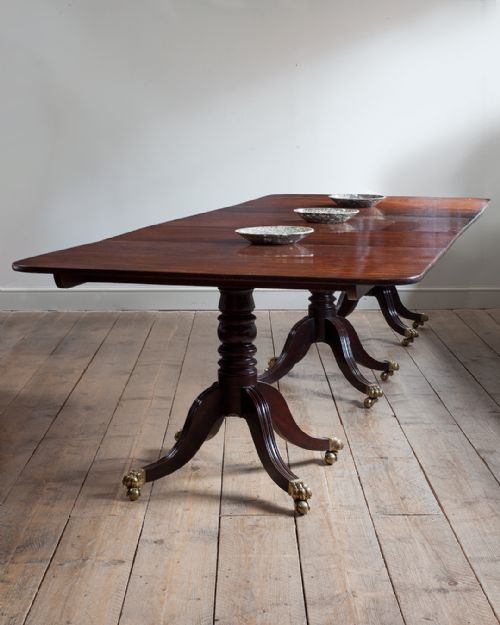
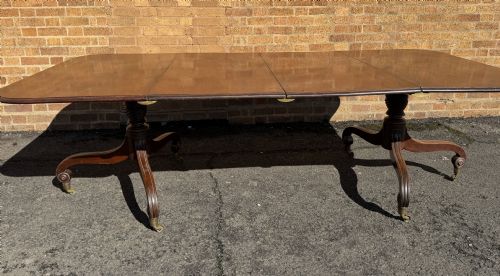
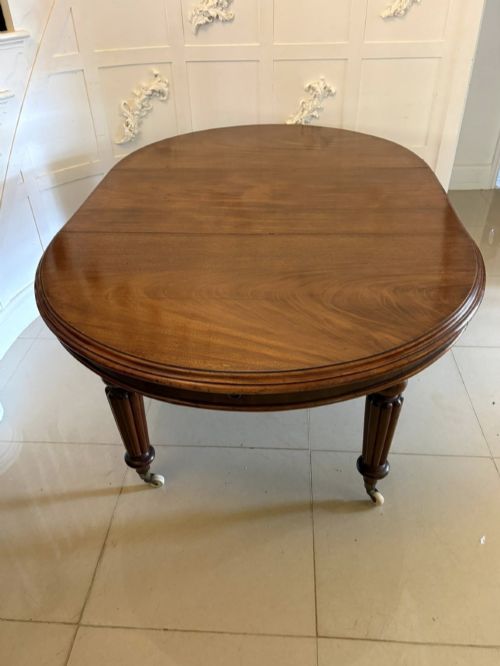
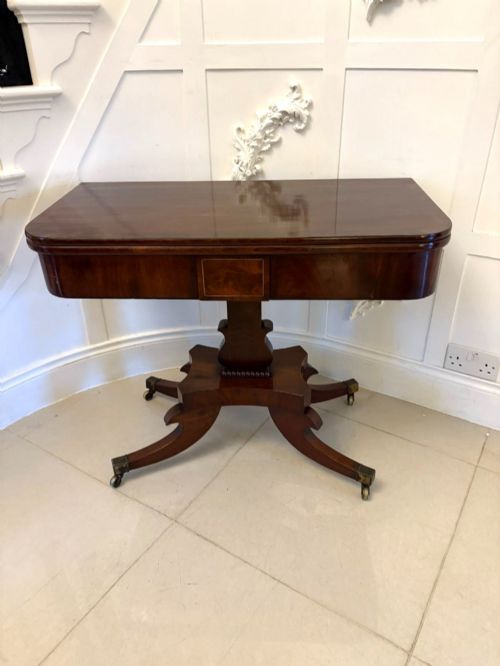
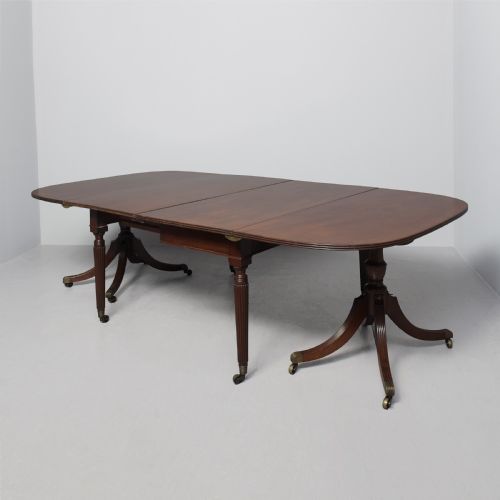
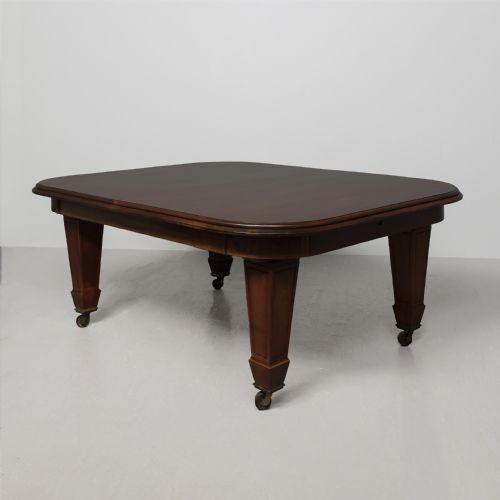
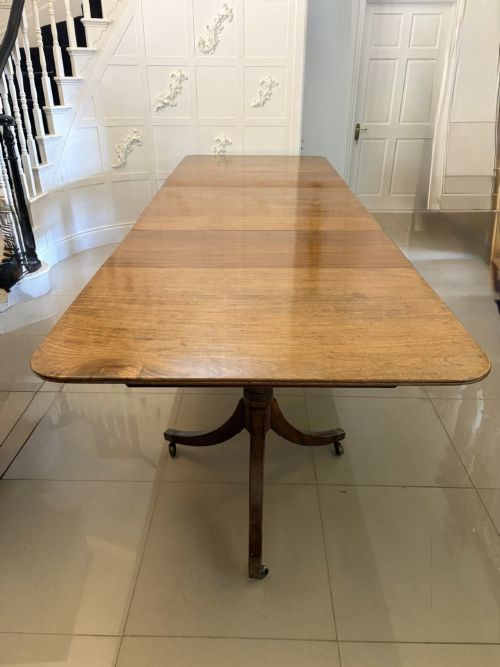
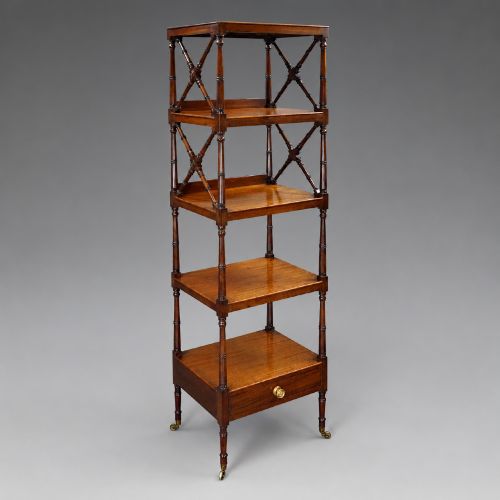
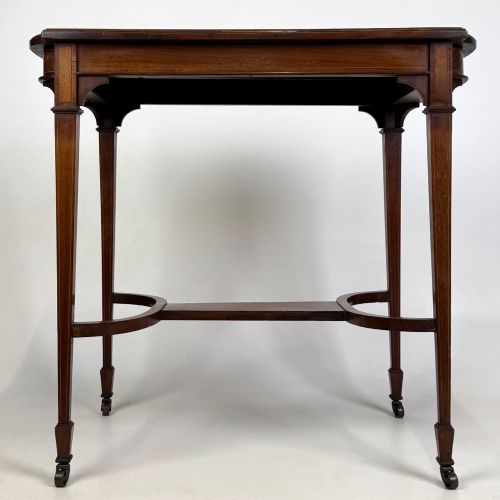
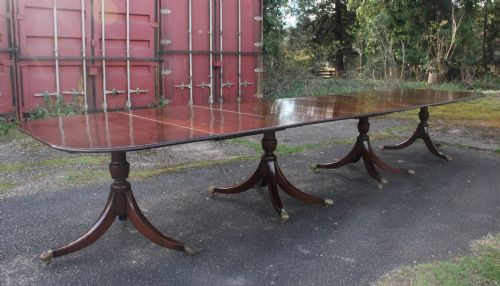
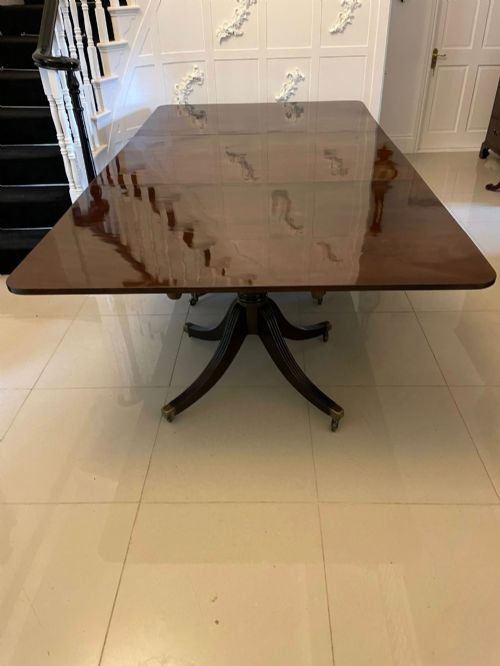
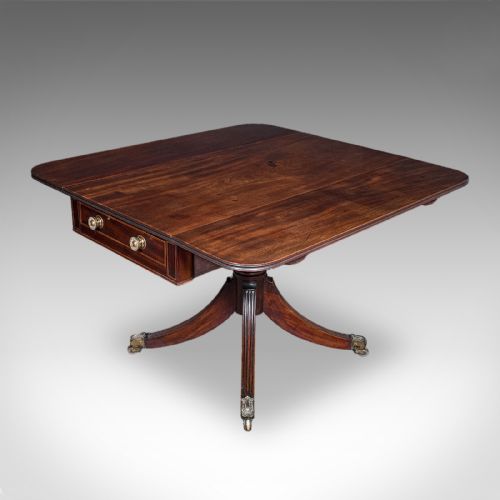
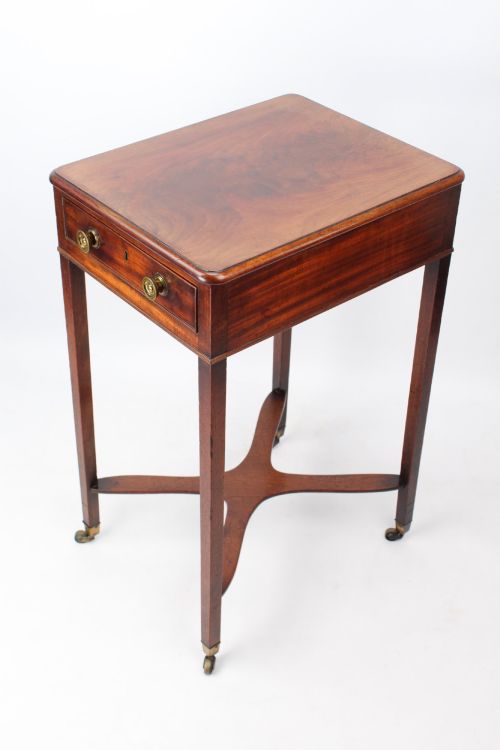
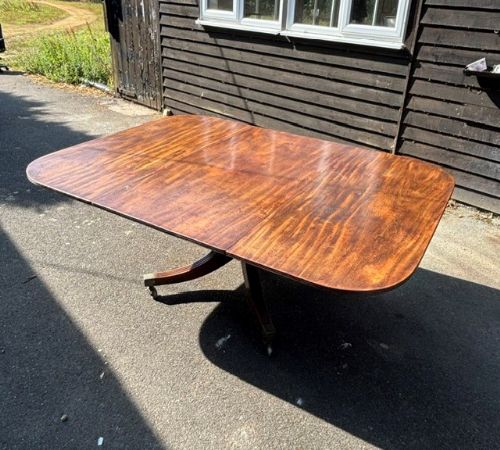
A mahogany table on castors spans a wide variety of forms from the Georgian, Regency, and Victorian eras, alongside later revivals and twentieth-century interpretations. You will find large extending dining tables with multiple pedestals, smaller side tables, Pembroke tables, drum tables, and writing desks.
Dining pieces often feature wind-out mechanisms and extra leaves, while occasional and tea tables offer folding leaves or pedestals with tripod legs. These items served practical domestic functions in sitting rooms, libraries, and dining rooms, relying on wheels to shift position.
The materials regularly combine solid timber and veneers with metal and ceramic fittings. Many examples pair the dark wood with brass or ceramic castors to protect carpets and timber floors during movement.
Materials and construction methods
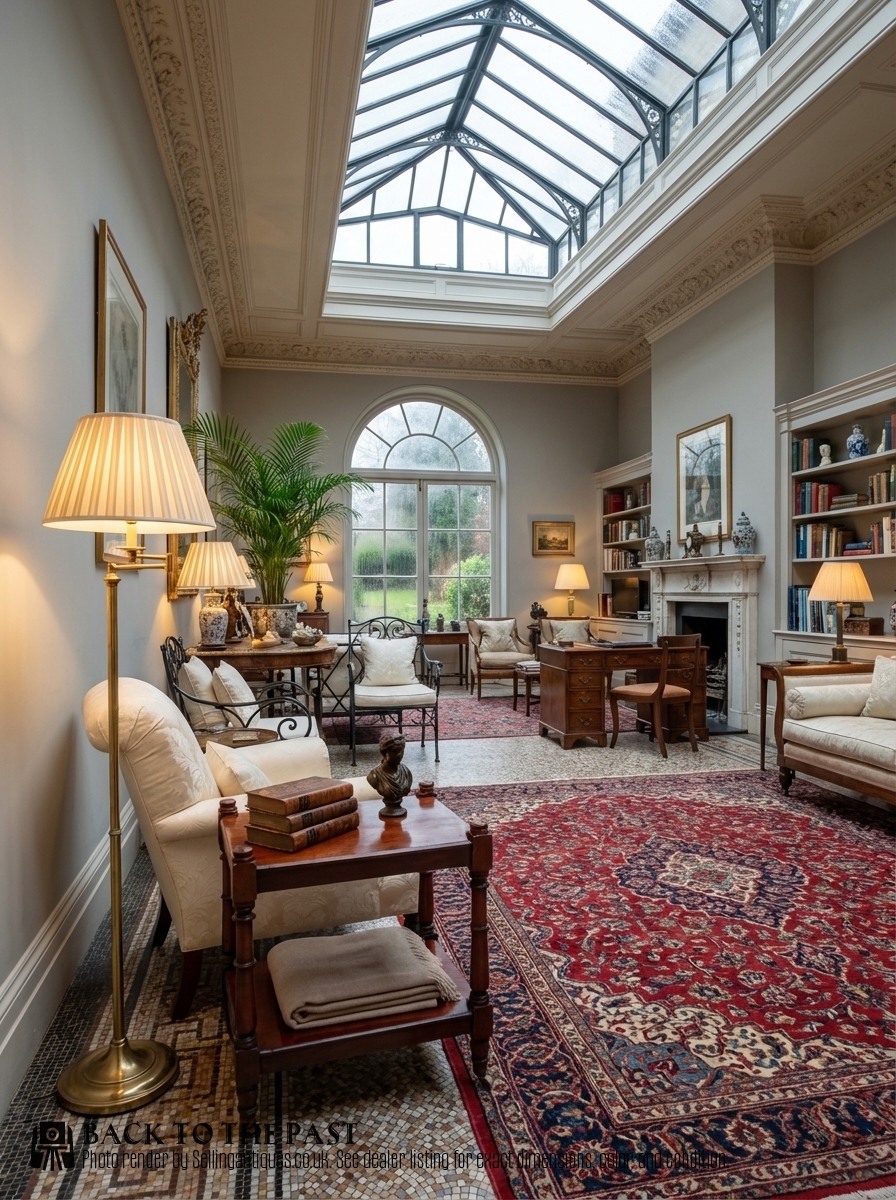
Makers utilised solid timber and figured veneers, selecting rich stocks of flame mahogany, rosewood, and satinwood, often accented with boxwood stringing or crossbanding. These veneers were applied to stable secondary woods to create decorative table tops and friezes.
Construction relied on traditional joinery techniques such as dovetailed drawers, turned or reeded pedestals, and sturdy framing to support leaves and extension mechanisms. Heavy dining furniture incorporated pillar supports and wind-out wooden screws.
Metalworking supplied the structural hardware hidden beneath or supporting the legs. Brass sockets, castors, and sometimes ceramic wheels were fitted to the feet of tripod, pillar, and tapering legs to permit smooth rolling.
Mahogany Table on Castors Retail Price Guide 2026
Typical asking prices for mahogany table on castors among the pieces listed under this phrase on Sellingantiques today, from the lower quarter to the upper quarter. They describe what is for sale here now, not the wider market.
Some small tables included baize playing surfaces and hidden compartments for games, ready for an impromptu evening of cards.
Distinctions in execution and timber selection
Quality rests upon the choice of timber and the intensity of the grain figure, where rich flame mahogany and symmetrical crossbanding elevate a piece. The crispness of carved details, such as reeded sabre legs or inlaid boxwood, separates standard production from finer cabinet work.
The originality of components dictates standing among collectors, notably retaining period brass castors, turning knobs, and matching extension leaves. Structural integrity in the pedestals and smooth operation of drawers or wind-out mechanisms reflect superior workshop standards.
Gillows of Lancaster·Thomas Butler of London·Gregory and Co
The Mahogany Table on Castors Glossary
- Castor
- A small wheel fitted to the foot of a leg to allow smooth rolling across floors. They typically incorporate brass sockets and ceramic or metal rollers.
- Pedestal
- A central vertical support resting on splayed feet, commonly used to hold the weight of large dining surfaces.
- Pembroke table
- A drop-leaf occasional table featuring hinged flaps on two opposing sides and often a single frieze drawer.
- Crossbanding
- A decorative border of veneer laid perpendicular to the grain of the main surface, frequently seen in contrasting timbers.
- Drum table
- A circular library or writing table supported by a central pillar above a tripod base, fitted with drawers around the frieze.
Mahogany Table on Castors: Frequently Asked Questions
How do extending dining tables operate?
These tables usually employ a wind-out mechanism operated by a handle to separate the pedestals and insert removable leaves. This allows the surface area to expand or contract according to the number of diners.
The leaves store separately when not in use, and the supporting pillars roll on castors to maintain stability and alignment as the frame stretches.
What is the purpose of a Pembroke table?
A Pembroke table provides a compact surface with hinged drop flaps that lift to create extra space when needed. They functioned as breakfast or occasional tables in smaller rooms.
Their mobility on castors and drop leaves made them easy to tuck against a wall or move beside a chair.
Are the castors on these tables original?
Many pieces retain their original brass or ceramic castors, though replacements occurred over centuries of domestic use. Original fittings match the period of the timber frame and show consistent wear.
Checking the fixing pins and sockets helps determine whether the wheels belong to the original construction.
How should I care for mahogany surfaces?
Mahogany requires gentle cleaning with a soft cloth and protection from direct sunlight and extreme humidity changes. Polishing maintains the natural lustre of the timber and veneer.
Avoiding excessive moisture and placing protective pads under objects prevents scratching the polished top.