
Mahogany Standing Vitrine
A mahogany standing vitrine brings light and order to a room, framing collections behind clear glass.
Mahogany Standing Vitrine
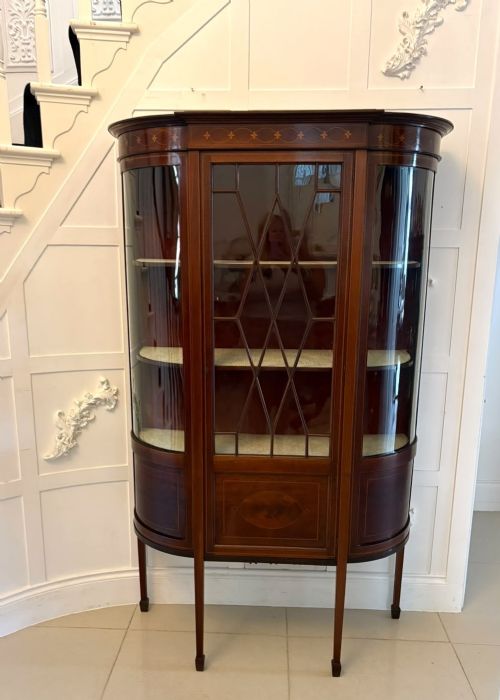
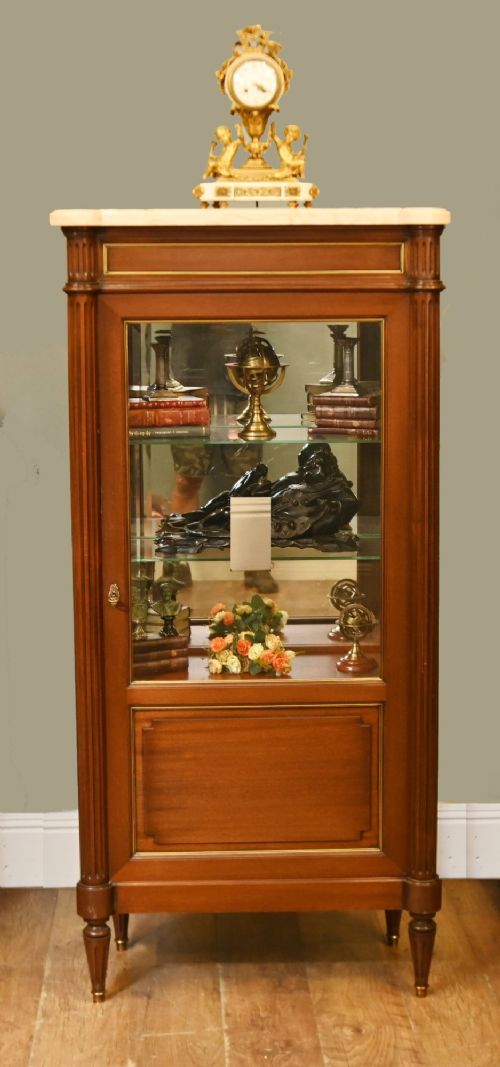
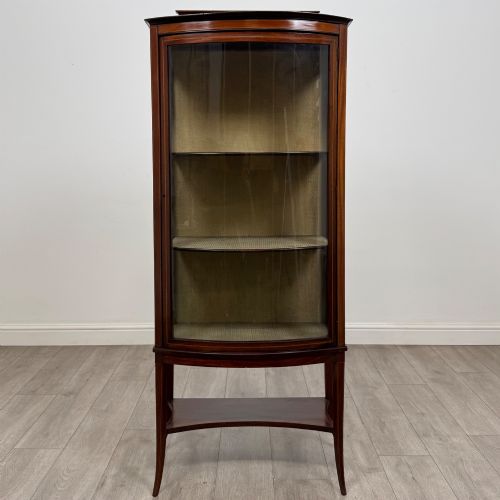
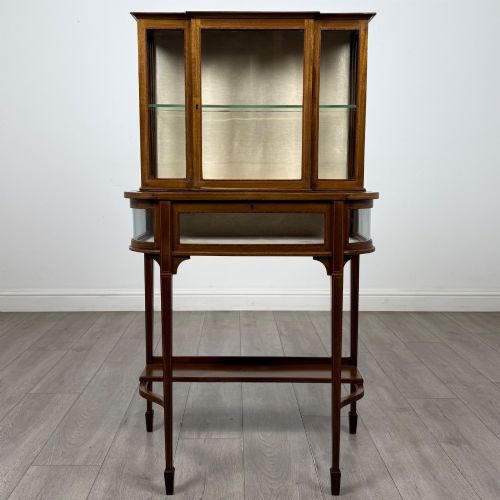
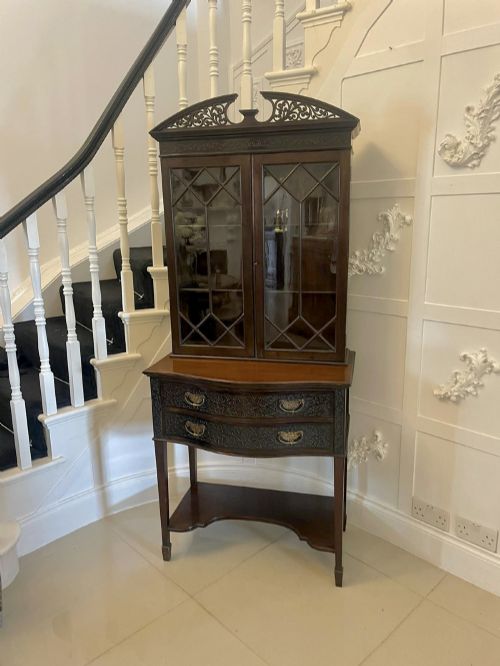
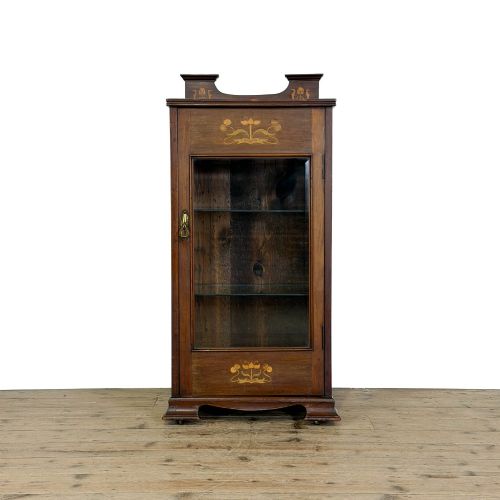
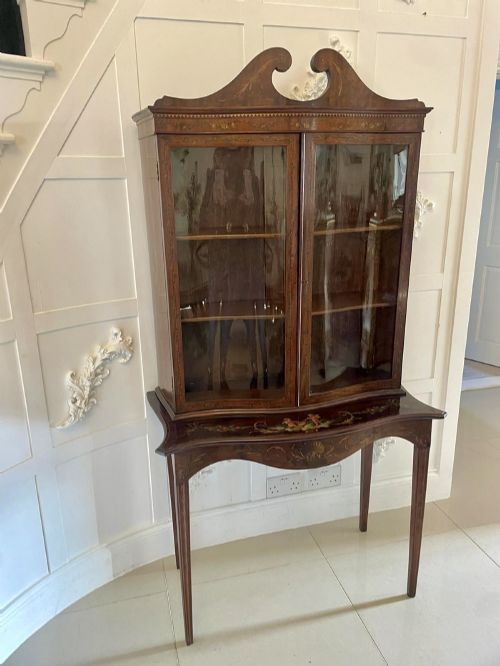
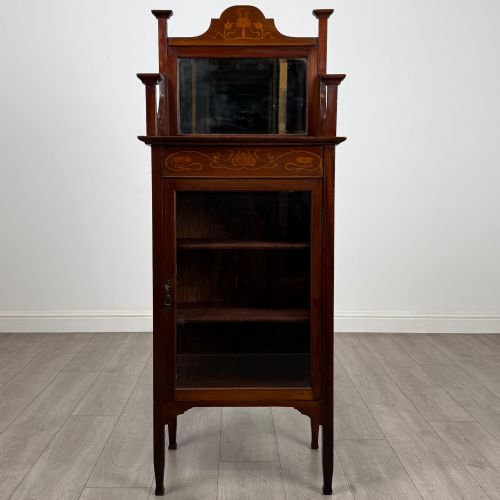
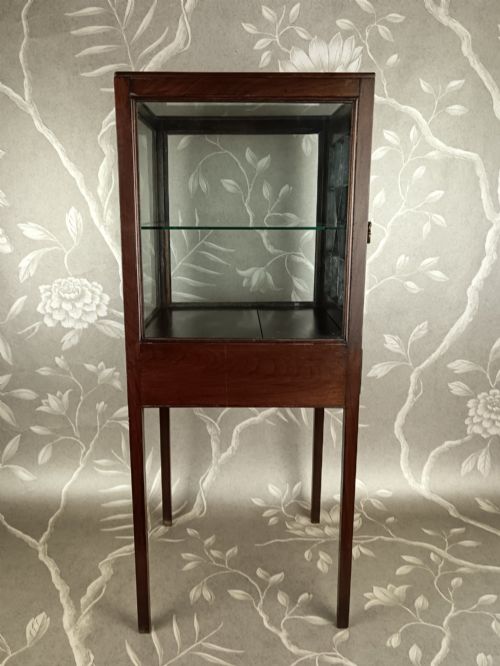
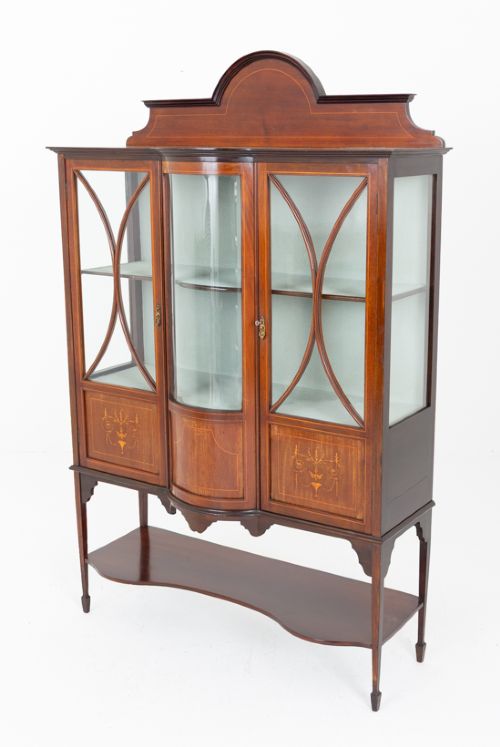
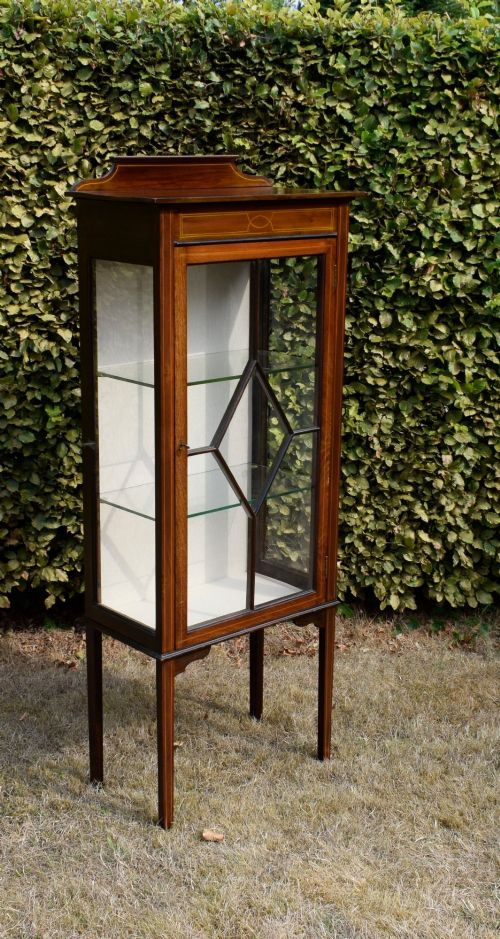
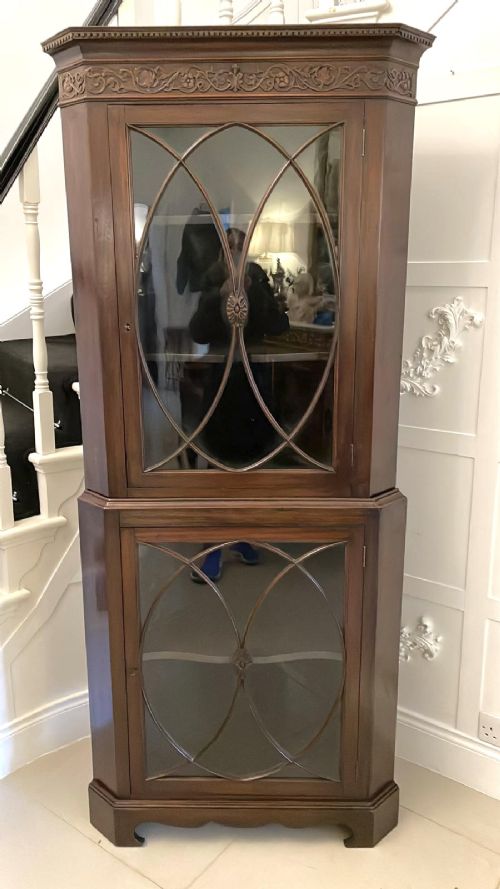
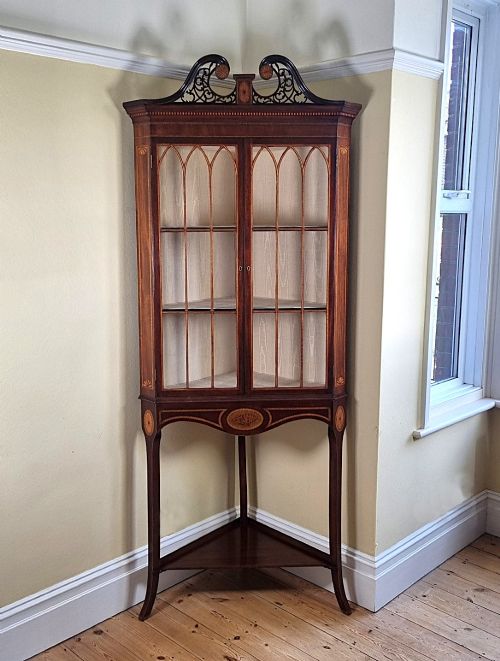
A mahogany standing vitrine serves primarily to exhibit prized possessions while protecting them from dust, taking the form of upright display cabinets, corner units, and pedestals. When you search for a mahogany standing vitrine, you meet pieces spanning the Georgian, Victorian, and Edwardian eras, with Edwardian examples appearing most frequently.
The cabinet rests directly on the floor, either on sturdy legs, a dedicated stand, or as a breakfront piece. These freestanding structures range from compact corner cabinets and slender pencil pedestals to large scale breakfront designs.
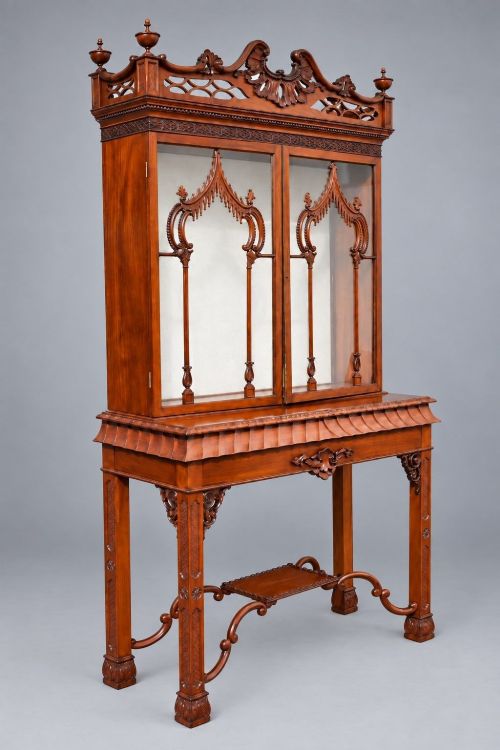
Makers drew inspiration from earlier centuries, producing revival pieces in Sheraton, Chippendale, and Queen Anne styles alongside the prevailing tastes of their own time.
Materials and construction
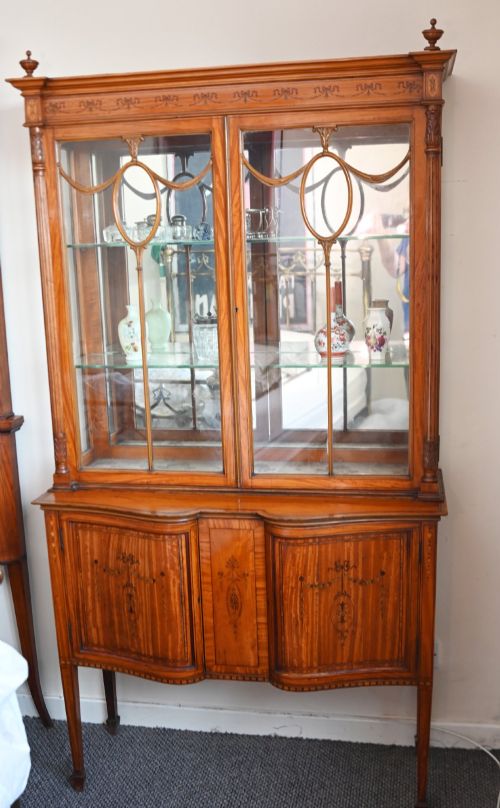
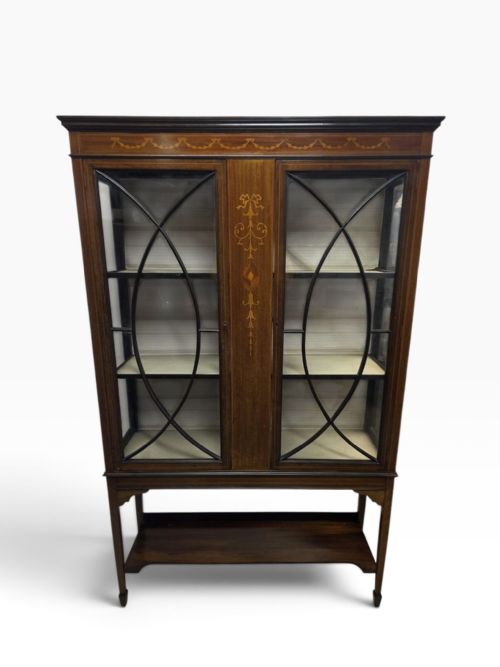
Carpenters built these cabinets using solid mahogany and mahogany veneers over secondary timbers such as oak, mounting large glass panes to form the display walls. Glazing takes various forms, from simple rectangular panes to delicate astragal bars dividing the glass.
Surface ornament relies heavily on contrasting details, incorporating satinwood inlay and stringing into the rich dark timber. Brass hardware, original painted decoration, and hand-carved motifs add further distinction to the framework.
Listings feature mahogany standing vitrines spanning the eighteenth, nineteenth, and twentieth centuries, incorporating glass, brass, satinwood, and fabric.
Judging the execution
Quality reveals itself in the crispness of the cabinetmaker's joinery and the depth of the mahogany grain. Finer examples display meticulous satinwood inlay and well-balanced proportions that hold the eye.
The handling of secondary materials also sets pieces apart, such as the precision of the astragal glazing bars and the weight and finish of the brass mounts.
Maple & Co.·Edwards & Roberts
The Mahogany Standing Vitrine Glossary
- Vitrine
- A glass-fronted cabinet designed for the display of curiosities or fine objects. These pieces rely heavily on glazed panels to expose their contents to light from multiple angles.
- Astragal
- A moulding profile used to divide glass panes within a door or window frame. In these cabinets, fine wooden astragal bars form geometric patterns across the display space.
- Inlay
- A technique where pieces of contrasting timber, such as satinwood, are fitted into recesses flush with the main surface. This creates delicate borders and decorative motifs.
- Bijouterie cabinet
- A specialised glass-topped case intended for jewellery, medals, and small precious items. They often feature velvet-lined interior trays for the display of collections.
Mahogany Standing Vitrine: Frequently Asked Questions
How are standing vitrines cleaned?
Dust the mahogany gently with a dry, soft cloth to protect the polished surface. Clean the glass panels using a mild solution without letting moisture reach the wooden joints.
Avoid harsh chemical sprays near the antique timber and inlay work. Regular care preserves the natural lustre of the wood.
Can these cabinets hold heavy books?
Most standing vitrines are built for display objects and lighter collections rather than heavy libraries. The internal glass or wooden shelves are designed for porcelain, glass, and small curiosities.
Heavier items risk bowing the shelves and placing undue stress on the cabinet structure. Check the thickness of the internal supports before loading them.
Where should I place a vitrine?
Position the cabinet away from direct sunlight to prevent the mahogany timber from fading over time. A stable indoor environment keeps the wood and glass secure.
Keep the piece clear of active radiators to prevent the dry heat from splitting the veneer. Good placement allows natural light to illuminate the displayed items safely.
How do I distinguish Edwardian revival styles?
Edwardian cabinetmakers frequently drew on Sheraton and Chippendale designs, introducing lighter proportions and delicate satinwood inlay. These pieces combine earlier decorative motifs with the cleaner lines typical of the early twentieth century.
Look at the secondary timbers and the style of the hardware to differentiate revival work from original eighteenth-century pieces. The overall lightness of construction often points towards the Edwardian era.