


Decorative Inlaid Cabinet
A decorative inlaid cabinet brings warmth and pattern to a room through contrasting timbers and meticulous wood work.
Decorative Inlaid Cabinet
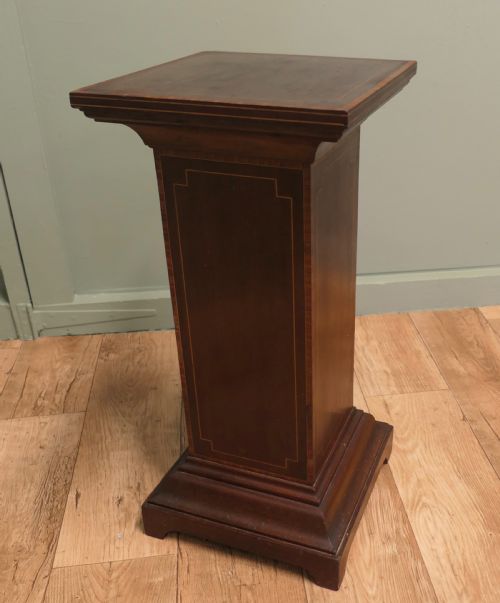
A decorative inlaid cabinet is a storage piece adorned with contrasting woods and materials embedded into the surface to create intricate patterns. You will most frequently encounter Victorian, Edwardian, and nineteenth century examples on this page, ranging from grand display cabinets to compact side cabinets and corner cupboards.
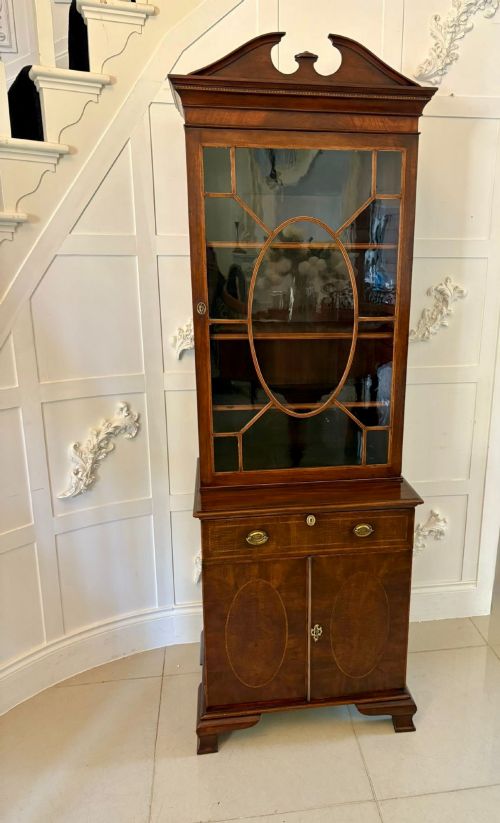
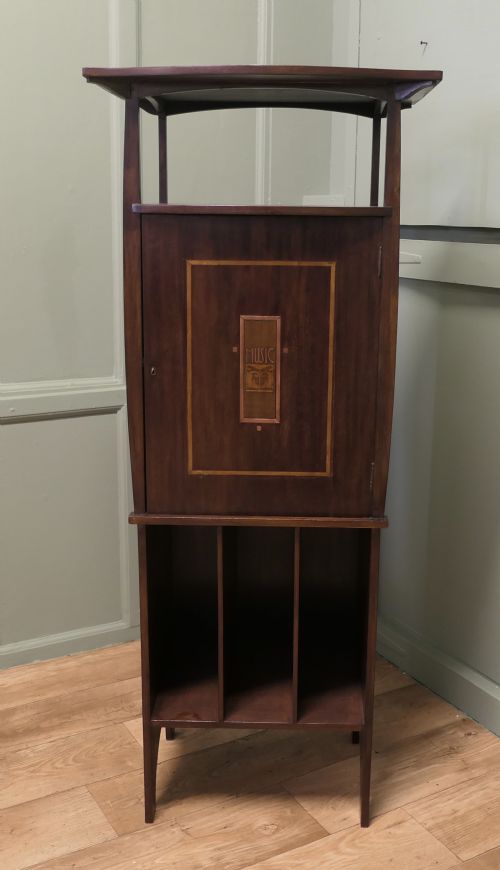
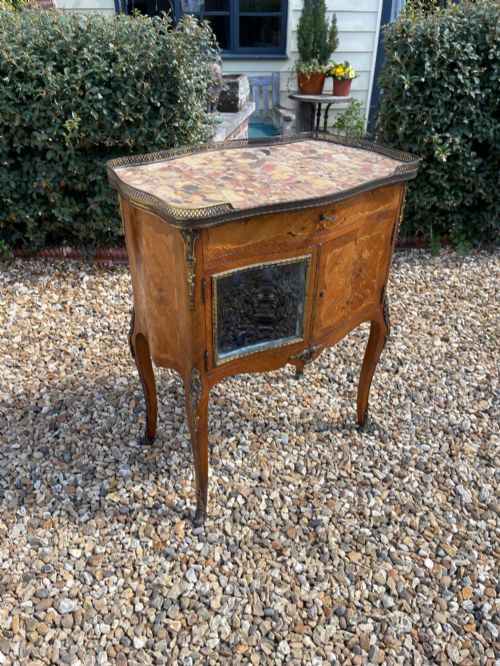
These items span various styles including French Rococo Revival, Arts and Crafts, and Sheraton Revival. Forms vary from tall bookcases and music cabinets to low credenzas and chests of drawers, each integrating distinct period characteristics.
Origins stretch across Britain, France, Spain, and Japan, reflecting diverse regional woodworking traditions. Pieces might present as serpentine display cabinets, bureau secretaires, or straightforward side storage fitted with glass doors or brass mounts.
Materials and construction
Makers utilised primary structural timbers such as mahogany, walnut, and oak, often selecting burr or flame veneers for rich surface movement. Satinwood provided a pale contrast for floral or geometric motifs, while brass, bone, and mother-of-pearl added further detail.
The technique of wood inlay involved recessing thin slices of contrasting timber or other materials into the carcase to form complex designs. Ormolu mounts and brass work frequently finished the pieces, accentuating corners, locks, and glazed panels.
Listings feature walnut, mahogany, and satinwood alongside brass and marble across Victorian, Edwardian, and eighteenth century periods.
Assessing craftsmanship
Quality rests in the precision of the inlay work and the tightness of the joints where different timbers meet. Superior examples maintain flush surfaces without gaps around the embedded motifs.
The selection of underlying veneers dictates much of the visual depth, with carefully matched grain patterns separating standard items from finer workshop productions. Original hardware, glass integrity, and well-fitted internal shelving also distinguish the tier of craftsmanship.
GM Elwood for JS Henry·Gordovil Spain·Edwards and Roberts
The Decorative Inlaid Cabinet Glossary
- Marquetry
- The art of creating decorative pictures or patterns on wood furniture using thin veneers of various timbers, shells, or metals. This technique allows for elaborate floral scenes and geometric designs.
- Satinwood
- A durable, yellowish timber prized for its lustrous sheen and smooth grain. It frequently serves as a contrasting veneer in inlaid furniture.
- Ormolu
- Gilded bronze used for decorative mounts on furniture. It adds ornate metallic highlights to corners, feet, and key escutcheons.
- Credenza
- A low cabinet or sideboard, often featuring glass-fronted display sections and decorative marquetry. It became particularly popular in Victorian interiors for storing and showing objects.
Decorative Inlaid Cabinet: Frequently Asked Questions
What is a decorative inlaid cabinet used for?
These cabinets serve as both practical storage and focal points for displaying treasured objects or books in a living space.
Their varied interior layouts, from shelving to small drawers, accommodate collections, glassware, and household items while introducing textural pattern to an interior.
How do I care for inlaid wood?
Keep the timber away from direct sunlight and steady heat sources to prevent the veneers from drying out and lifting.
Apply a traditional wax polish occasionally and buff gently with a soft cloth to maintain the lustre of the wood and protect the delicate inlay.
How can I tell the period?
Examine the structural timber, the style of the hardware, and the complexity of the marquetry motifs to determine the era. Victorian and Edwardian pieces often employ walnut or mahogany with revivalist ornamentation, whereas eighteenth century examples display simpler structural lines with hand-cut joinery.
Where should I place a side cabinet?
Position the piece against an interior wall where it receives ambient light rather than harsh, direct rays that fade the veneers. These cabinets work well in dining rooms, hallways, or sitting rooms where their decorative surfaces can be appreciated.