

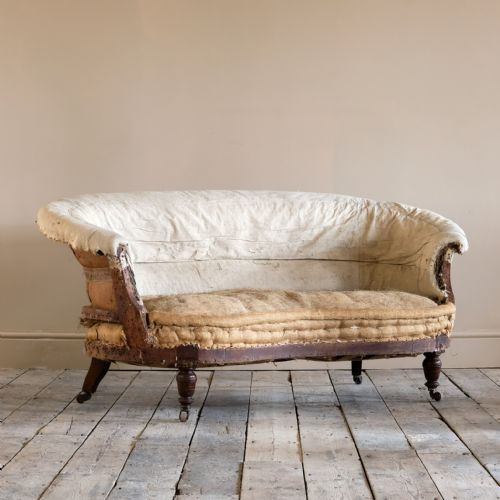


Mahogany Frame Settee
These mahogany frame settee examples bring timeless seating grounded in rich timber and period upholstery to any room.
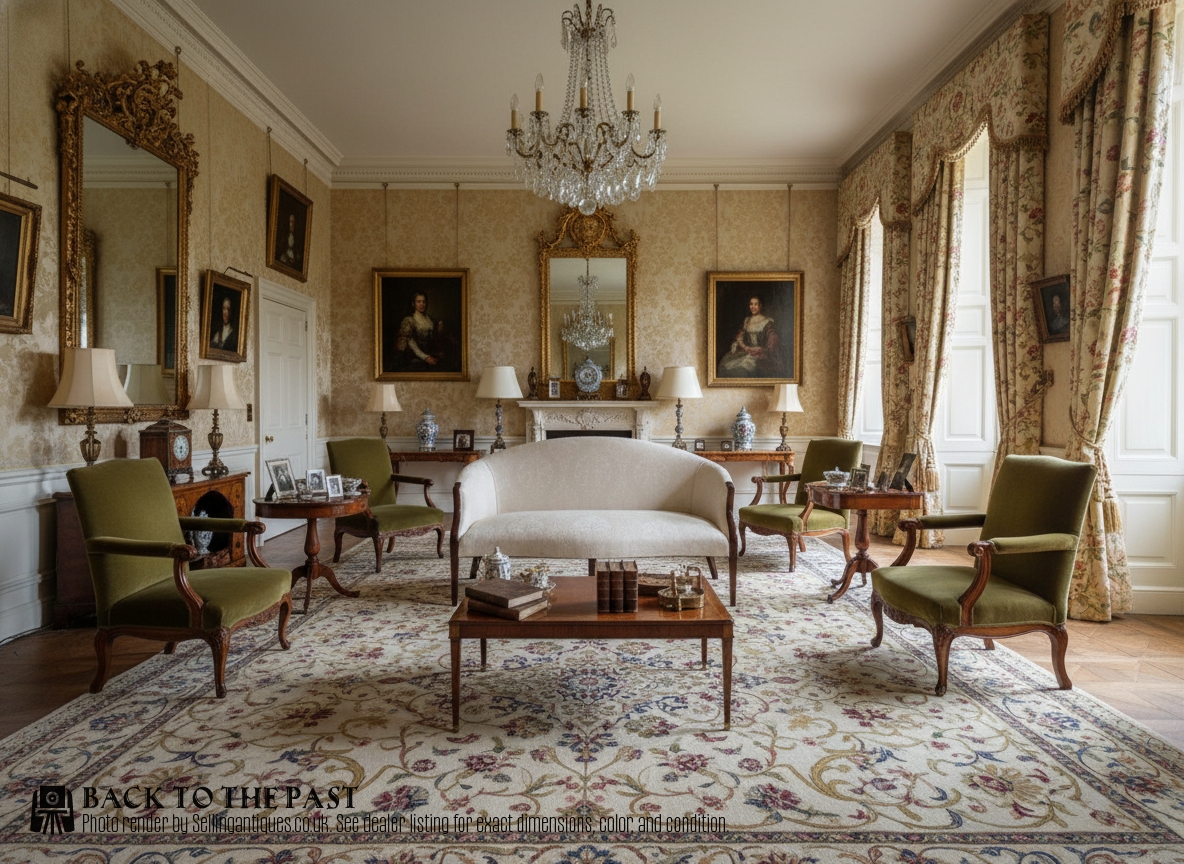
Identifying the mahogany frame settee
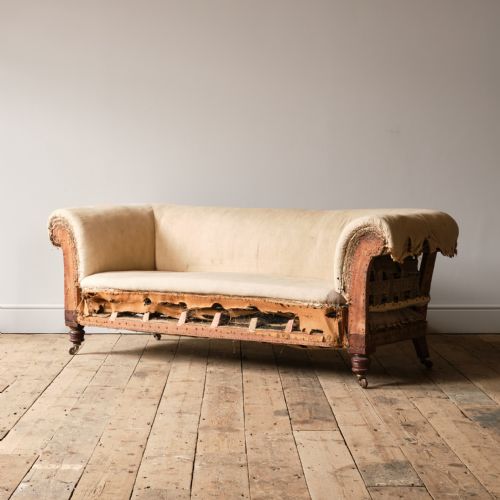
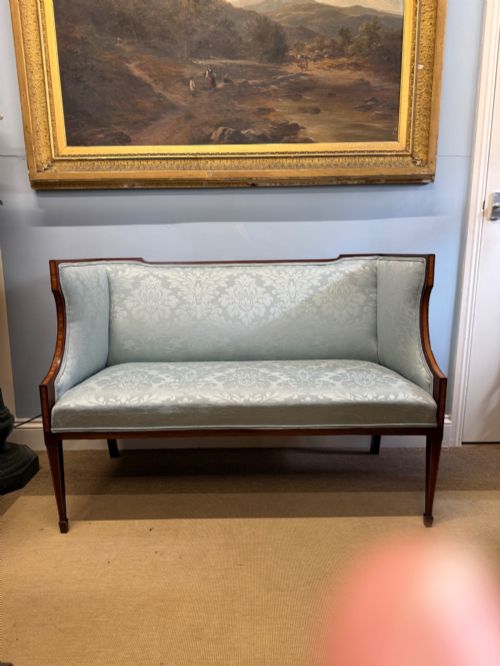
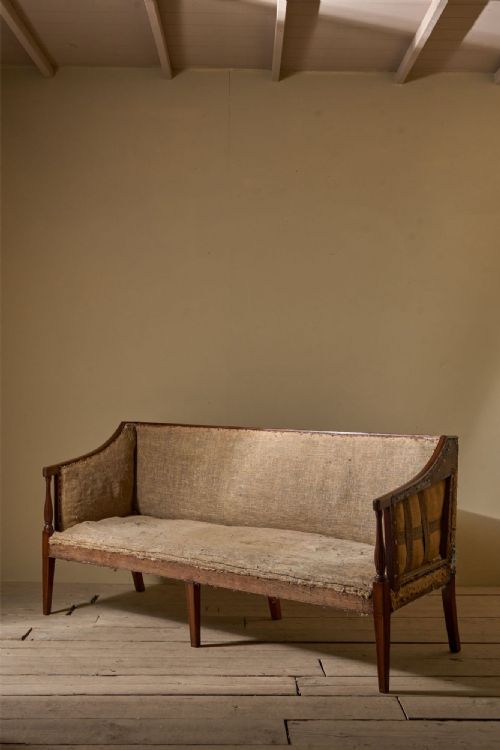
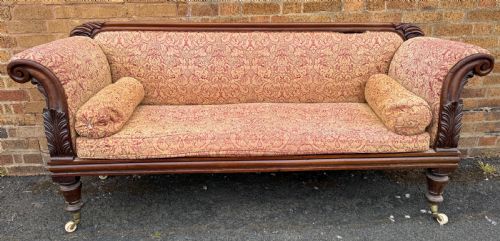
A mahogany frame settee offers generous seating supported by exposed timber structures originating from the eighteenth century onwards. Buyers frequently encounter George III, Victorian, and Edwardian iterations that range from camel back profiles to double scroll-ended designs.
The selection encompasses English country house pieces alongside French and Empire styles. Forms include two-seater settees, triple back configurations, and cane-panelled bergere seating.
Makers and workshops of the past utilised robust hardwoods to build substantial frames designed for formal salons and private libraries alike.
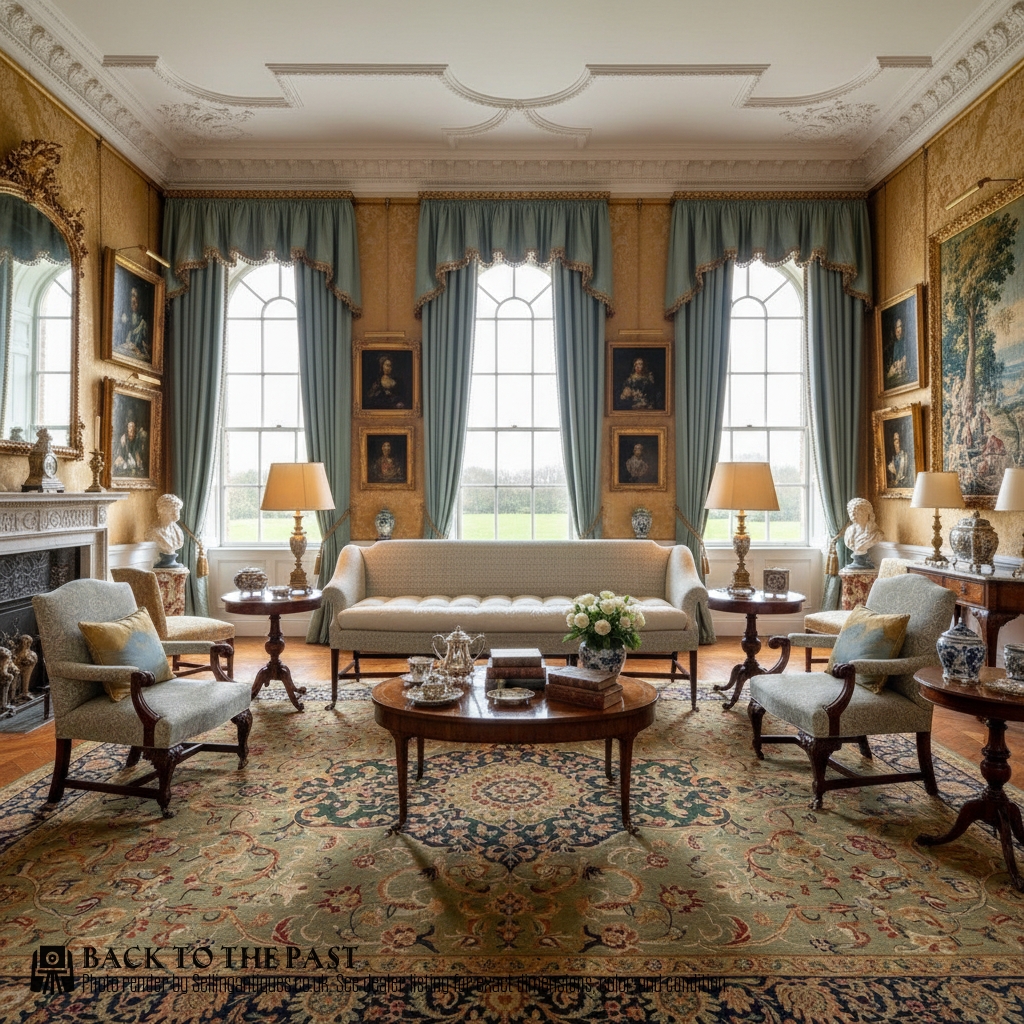
Materials and construction
Craftsmen shaped solid mahogany to form structural frames, occasionally carving scroll ends and cabriole legs. Wood surfaces reveal natural grain patterns enhanced through traditional polishing methods.
Upholstery techniques involve webbing and stuffing applied directly to timber rails, later finished with damask fabric, leather, or woven cane panels. Brass details occasionally secure structural elements or provide decorative accents.
Retail Price Guide 2026
Typical UK retail prices for mahogany frame settee, calculated from the Sellingantiques database of over a million retail prices indexed since 2003. This retail price guide relies exclusively on Sellingantiques data; no external sources or auction records are used, so the figures do not describe the wider market.
Some nineteenth-century settees survived decades of country house lounging still wearing their original horsehair stuffing.
Assessing quality
Superior examples distinguish themselves through crispness of timber carving and the architectural harmony of the frame proportions. The integration of high-grade mahogany with balanced scrollwork or camel back curves dictates the visual weight of the piece.
The integrity of the underlying woodwork and the fidelity of period style execution elevate certain pieces above standard domestic seating.
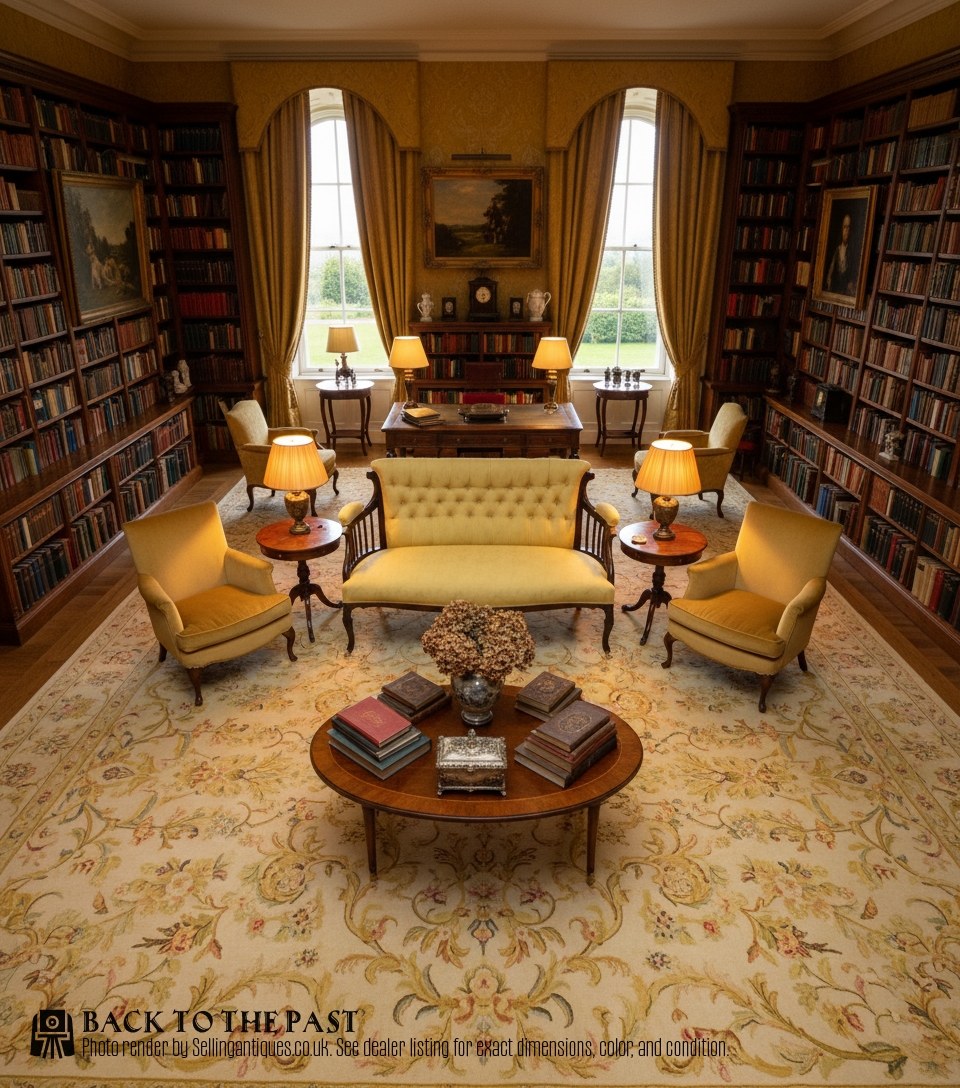
Lamb of Manchester
The Mahogany Frame Settee Glossary
- Camel back
- A serpentine wooden top rail that rises in a gentle curve resembling a camel's hump. This profile became popular during the eighteenth century.
- Bergere
- An enclosed upholstered armchair or settee featuring wooden frames and cane sides. The technique provides lighter visual weight.
- Scroll end
- A rolled wooden terminal shaping the arms of a sofa or settee. It draws inspiration from classical furniture forms.
- Damask
- A reversible figured fabric traditionally woven on a jacquard loom. It provides formal upholstery texture for period frames.
Frequently Asked Questions
How do I date a settee?
Examine the timber species, joinery methods, and overall silhouette against known historical periods like the George III era or Victorian epoch.
Stylistic cues such as scroll ends and carved mahogany details further narrow down the decade of manufacture.
Where were these placed originally?
These settees served in grand drawing rooms, country house libraries, and formal reception spaces where guests gathered.
Their substantial mahogany frames made them focal points for domestic interior decoration.
Can I use modern upholstery?
Many examples accept contemporary fabrics, including damask and leather, while retaining their historic wooden skeletons.
Upholstering to modern standards ensures the seat remains functional for daily living spaces.
What defines a George III style?
Pieces from this period showcase refined proportions, restrained mahogany carving, and classic silhouettes like the camel back.
Craftsmen prioritized structural balance and clean lines over excessive ornamentation.