
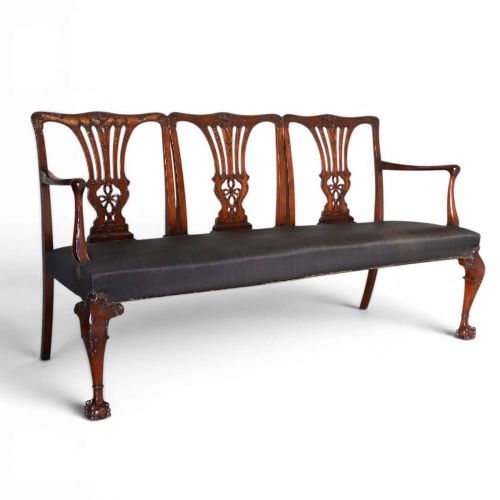


Mahogany Double Chair Back
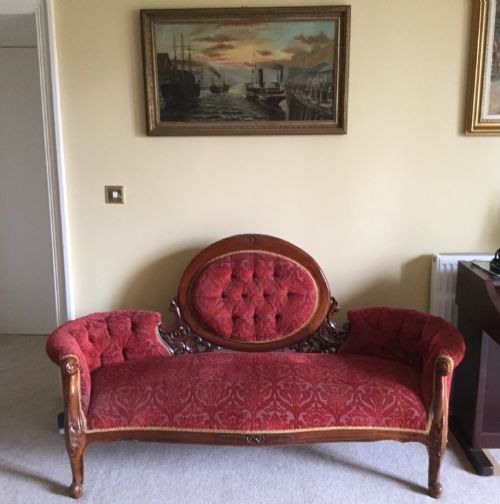
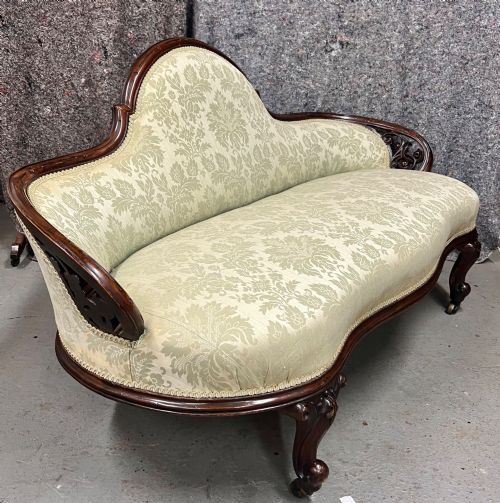
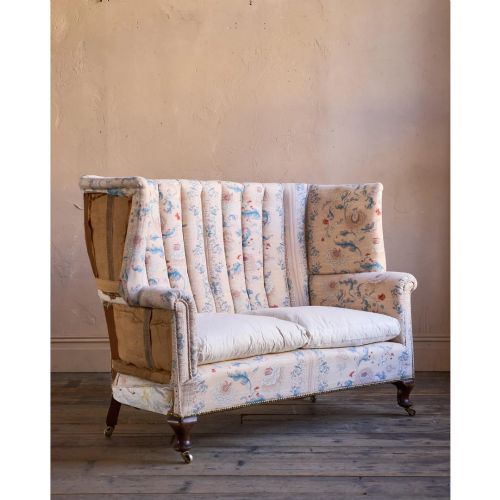
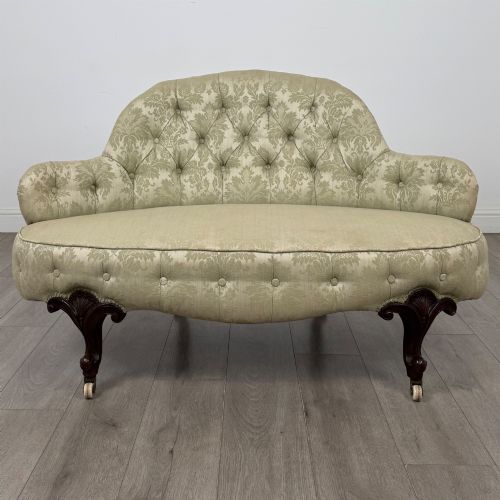
These mahogany double chair back settees combine dual chair backs with extended seating, offering classic proportions for a traditional interior.
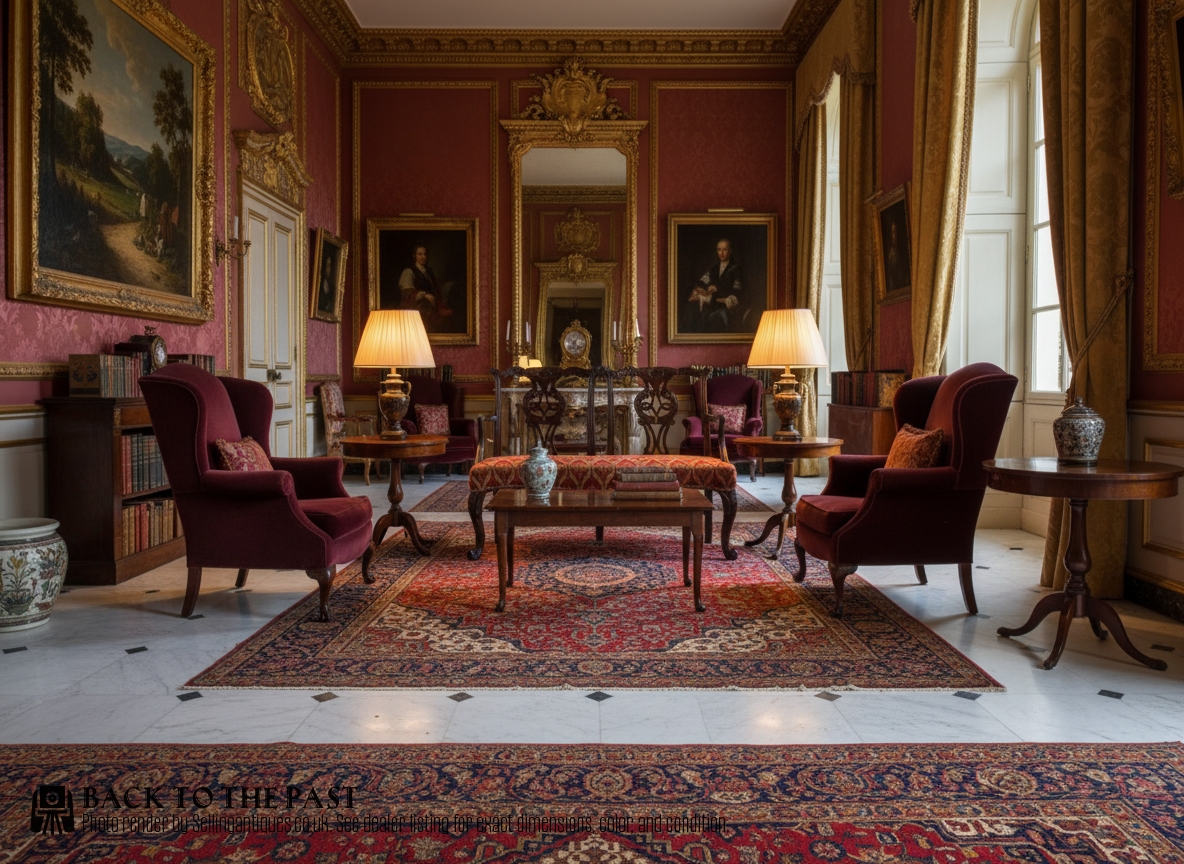
Mahogany Double Chair Back
A mahogany double chair back describes a settee or sofa featuring a backrest designed to mimic two joined chair backs, most frequently seen in Chippendale, George II, and Hepplewhite revival styles. The form draws upon 18th century seating traditions, reinterpreted by makers through the Victorian and Edwardian eras.
The pieces on this page span from the 18th century through to the early 20th century, encompassing Victorian and Edwardian revivals alongside earlier examples. You will frequently encounter twin-back and double bar back configurations framed in solid mahogany.
Beyond the standard two-seat settee, related forms such as double-ended sofas and conversation seats appear within the selection. These variations maintain the characteristic timber frame while offering different seating arrangements.
Materials and construction
Mahogany forms the structural backbone of these settees, selected for its grain strength and capacity for detailed carving. Workshops utilised this dense timber to execute pierced splats and intricate back rails.
Upholstery materials vary from traditional horsehair and hessian foundations to contemporary fabrics including damask, velvet, brocade, and fabric. Brass castors and decorative nailing frequently complete the lower framework.
Joinery relies on traditional mortise and tenon techniques to support the dual chair back frames under daily weight. Carved details are executed directly into the solid timber rather than applied as separate ornamentation.
Listings span the 18th, 19th, and early 20th centuries, featuring Victorian, Edwardian, and Georgian revival styles constructed from solid mahogany.
Distinctions in quality
The definition of the carved pierced splats and the crispness of the timber moulding dictate the visual weight of the backrest. Superior pieces display deep, purposeful carving without softening of the edges from excessive sanding.
Timber selection and grain matching across the double back create a cohesive appearance on finer examples. The structural integrity of the arm supports and the joinery where the two chair backs meet determine the long-term stability of the settee.
The Mahogany Double Chair Back Glossary
- Chair back settee
- A sofa whose backrest is constructed to resemble two or more joined chair backs. This design was popularised in the Georgian period and revived during the Victorian and Edwardian eras.
- Splat
- The vertical wooden strip down the centre of a chair back, often pierced or carved in Chippendale and Hepplewhite designs. On these settees, two such splats form the dual backrest.
- Showwood
- Exposed timber framing on an upholstered piece of furniture, typical of Victorian and Edwardian manufacturing. It allows the polished mahogany grain to remain visible around the upholstered sections.
- Barley twist
- A turned wooden furniture leg or stretcher carved in a spiral resembling twisted barley. This decorative turning appears frequently on Victorian frames.
- Revival style
- A design movement where 19th and early 20th century makers copied or adapted earlier 18th century aesthetics. These pieces combine historical forms with the construction methods of their actual date of manufacture.
Mahogany Double Chair Back: Frequently Asked Questions
What is a double chair back settee?
A double chair back settee is a form of sofa where the wooden backrest is designed to look like two distinct chair backs joined together side by side. They often feature carved splats and open arms.
These pieces bridge the gap between chairs and sofas, providing a compact seating option that retains the formal appearance of dining or parlour chairs.
How do I date a mahogany settee?
Dating relies on examining the timber, construction methods, and stylistic revival cues. Victorian and Edwardian pieces often incorporate machine-cut elements alongside hand-finishing, unlike older 18th century originals.
Reviewing the upholstery foundation and secondary woods inside the frame can also help narrow down the period of manufacture.
Where should I place this in my home?
These settees fit well in hallways, living rooms, or bedrooms where full-sized sofas might overwhelm the space. Their narrow profile makes them suitable for placement against a wall or behind a freestanding table.
The exposed mahogany frame allows them to function as sculptural furniture pieces when viewed from the back in an open room.
Are these settees comfortable for daily sitting?
Comfort depends on the internal springing and upholstery padding. Many period pieces have been re-upholstered with modern webbing and foam to provide adequate support for regular use.
The upright wooden backs encourage an upright posture rather than a relaxed lounge position.