





Georgian Carved Sofa
A georgian carved sofa brings architectural presence and substantial timber framing into a room.
Georgian Carved Sofa
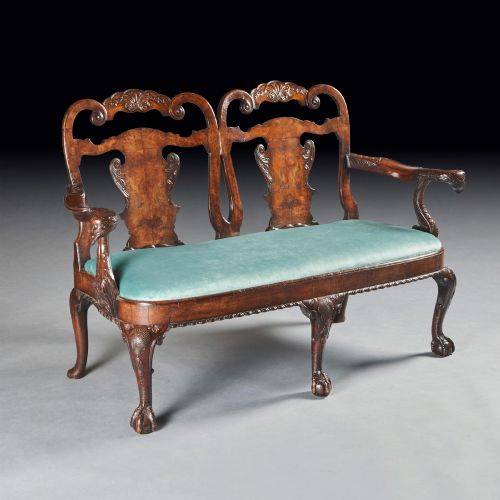
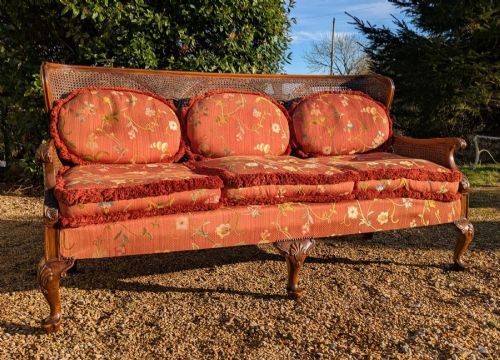
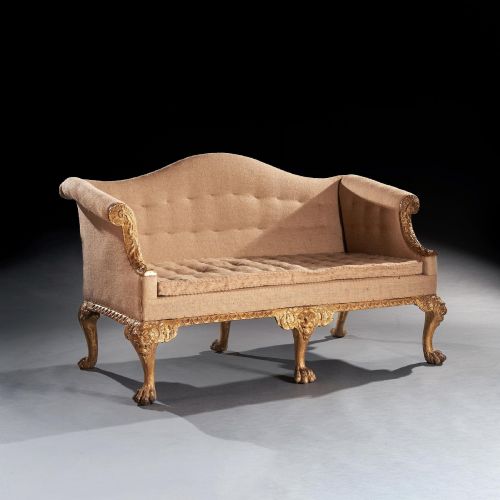
A georgian carved sofa is an upholstered seating piece produced across the eighteenth century and subsequent revival periods, taking forms such as camelbacks, twin chair backs, and country house settees. The pieces appearing here span the Georgian era itself alongside later Chippendale Revival, Georgian Style, and nineteenth century interpretations.
Buyers encounter everything from formal mahogany framework with intricate carving to simulated rosewood and walnut country house examples. Alongside true eighteenth century items, the selection includes late nineteenth and early twentieth century revivals that imitate earlier carving traditions.
Materials and construction
Makers constructed these frames predominantly in mahogany, walnut, and rosewood, applying detailed hand carving to rails, arms, and legs. Upholstery fabric, velvet, and brass elements complete the construction of the seating and support structures.
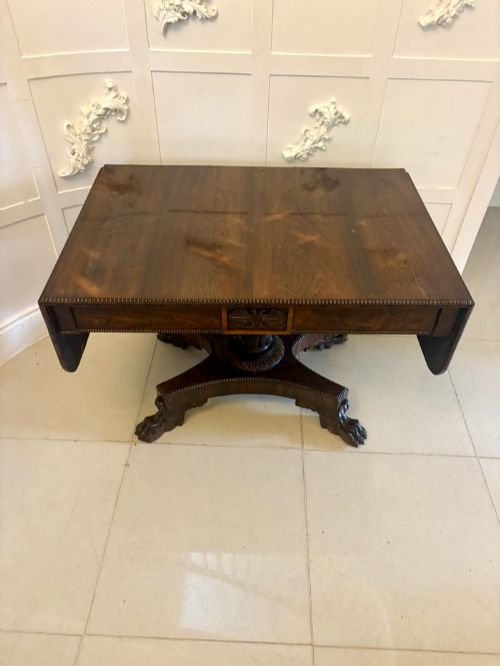
Joinery methods rely on traditional cabinet-making techniques to secure heavy timber frames, particularly where expansive carved stretches meet structural supports like lion mask hairy paw feet or Marlborough legs.
Some nineteenth-century makers cleverly simulated exotic rosewood on native timbers just to satisfy a sudden country house craze for dark grain.
Defining quality
Quality rests in the crispness of the hand carving and the selection of dense, richly figured timber such as mahogany or burr walnut for the primary frame. Secondary woods and the depth of relief work on the crest rails and legs distinguish high-end cabinet work from simpler production.
The integrity of the structural frame and the fidelity of the period style, whether an original eighteenth century piece or a later revival, dictate the standing of the sofa within its class.
Giles Grendey·Butlers of Dublin
The Georgian Carved Sofa Glossary
- Camel back
- A serpentine, undulating top rail resembling a camel's hump, common on formal eighteenth century upholstered settees. This profile requires precise shaping of the wooden frame beneath the fabric.
- Chippendale style
- A mid eighteenth century design vocabulary characterised by elaborate carving, interlaced ribbon backs, and cabriole legs ending in ball and claw feet. Revival versions replicated these motifs in later centuries.
- Giltwood
- Timber coated with fine gold leaf over a prepared gesso ground, frequently utilised on high-status seating frames of the Georgian period. It catches light and accentuates intricate carved details.
- Pembroke table
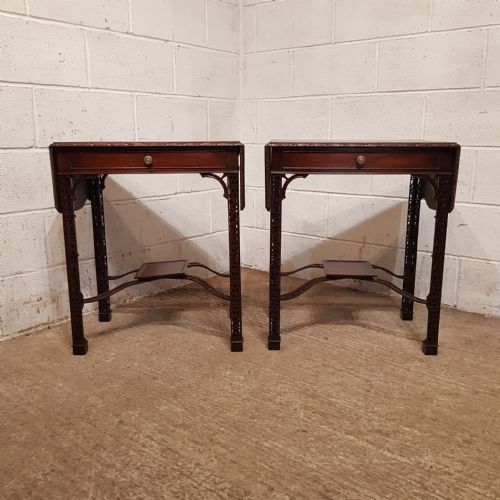
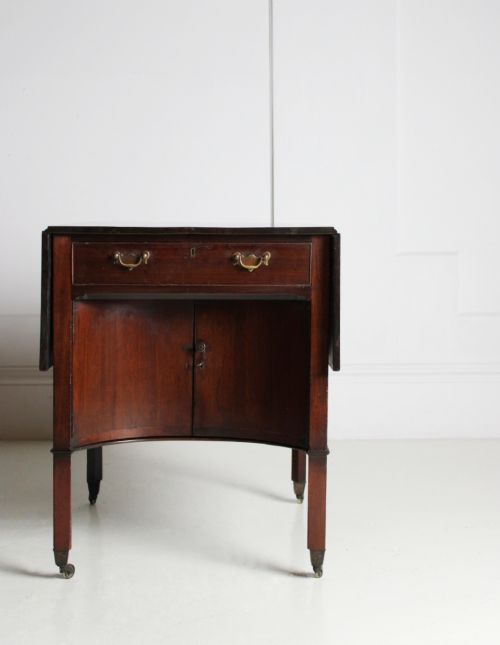
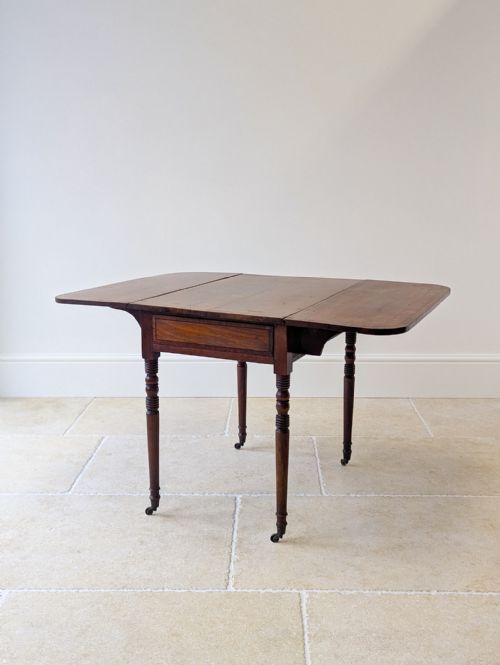
- A small rectangular table with hinged drop leaves on either side, often featuring a single drawer and slender legs. These pieces frequently accompany seating arrangements in period interiors.
- Scroll end
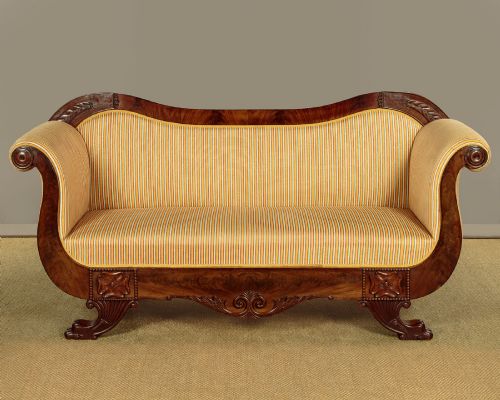
- A sweeping, upward-curving wooden or upholstered arm terminal typical of Regency seating forms. It references classical architectural scrolls adapted for domestic comfort.
Georgian Carved Sofa: Frequently Asked Questions
How do I identify a true Georgian sofa?
Examine the secondary timbers beneath the upholstery and look for hand-cut joinery consistent with eighteenth-century workshop practices. The timber grain and tool marks provide key indicators of age.
Compare the carving style against documented examples from the period. Revival pieces often display machine-assisted uniformity rather than the subtle irregularities of hand-carved work.
Are these sofas suitable for daily sitting?
These seating pieces were built for formal rooms, so modern users often add supportive internal webbing or feather cushions for comfort. Professional reupholstery preserves the antique frame while updating the internal padding.
Care should be taken with delicate carved show-wood and antique textiles to prevent excessive wear during everyday use.
What woods were used for these frames?
Primary woods include mahogany, walnut, and rosewood, selected for their strength and decorative grain patterns. Cabinet makers utilised these dense timbers to support elaborate hand-carved details.
Secondary woods inside the frame often include oak or pine, depending on the region of manufacture and the workshop tradition.