
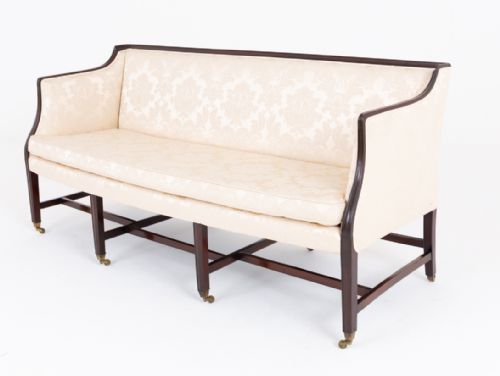


Hepplewhite Settee
A hepplewhite settee brings classical elegance to a room through graceful curved timber frames and refined proportions.
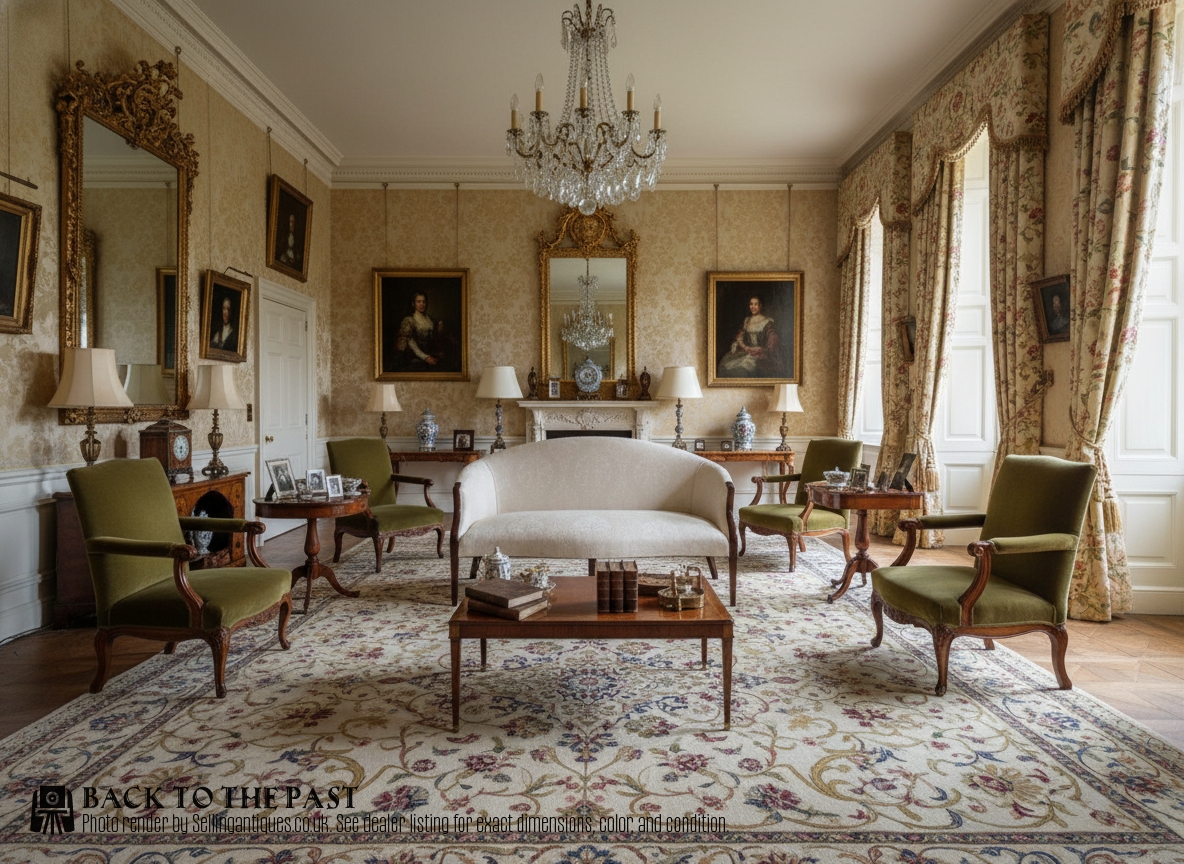
Hepplewhite Settee
When you search for a hepplewhite settee, you are looking at sophisticated seating ranging from authentic 18th century pieces to later revival models. The selection spans Georgian originals alongside Edwardian and 1920s reinterpretations.
Most pieces you encounter combine mahogany timber with distinctive chair-back designs or continuous upholstered serpentine lines. Forms vary from triple chair-back configurations to sweeping camel-back sofas.
Origins stretch from the mid 18th century through the Georgian era and into the 20th century revival period. These variations offer a continuum of historical craftsmanship adapted for different eras.
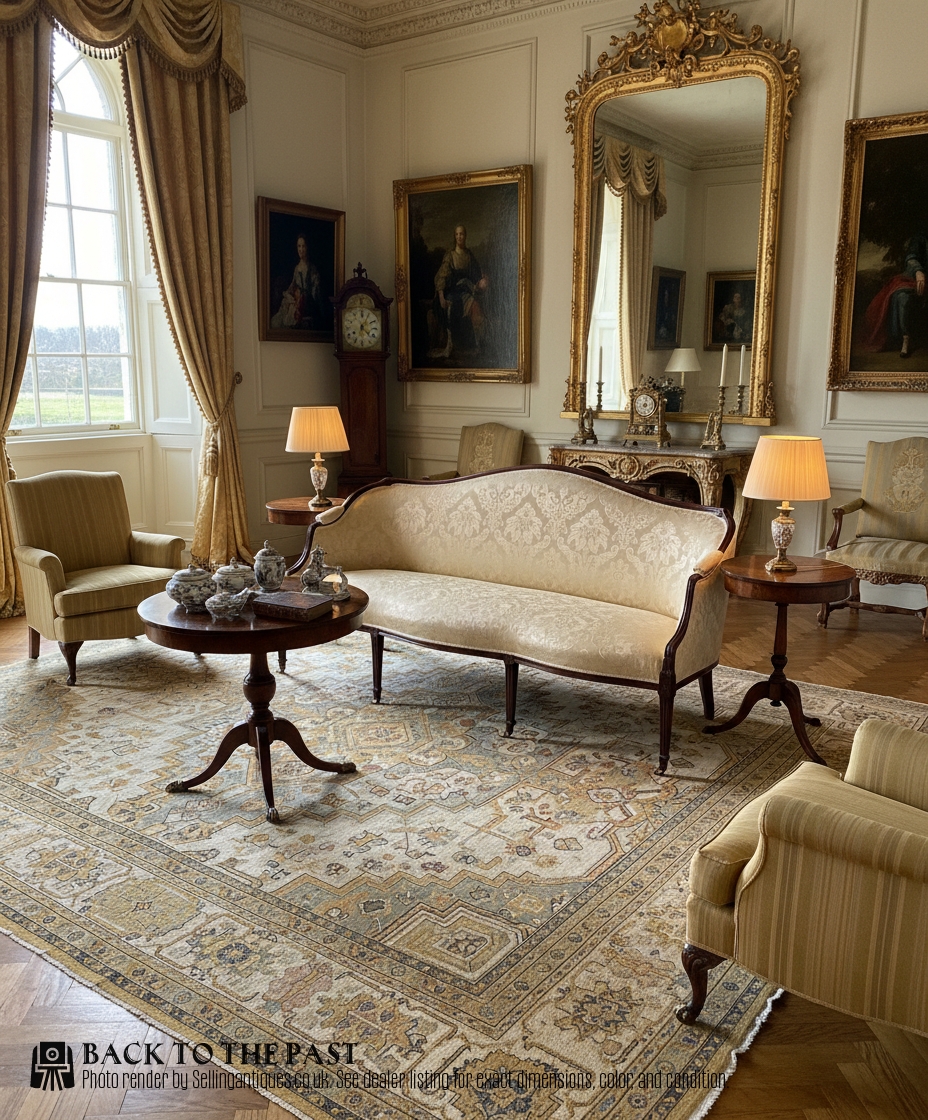
Materials and construction
Cabinetmakers built these frames primarily using solid mahogany, occasionally incorporating satinwood for delicate inlay work. Timber sections were shaped carefully to achieve the characteristic slender curves.
Upholstery materials include traditional horsehair, damask fabrics, and contemporary textiles secured with brass detailing. The combination of dense hardwood and supportive stuffing provided both durability and comfort.
Materials recur across different eras, pairing mahogany and satinwood frames with damask, horsehair, and standard fabric upholstery.
Judging quality and execution
The distinction between ordinary and exceptional work lies in the crispness of the wood carving and the fluidity of the frame's silhouette. Superior examples display meticulously shaped splats and balanced proportions that reflect rigorous adherence to classical proportions.
Secondary elements such as timber selection, inlay precision, and the integrity of the joinery elevate a piece. Finer examples maintain structural harmony without losing the delicate lightness associated with the design.
The Hepplewhite Settee Glossary
- Shield back
- A chair-back design shaped like a classical shield, frequently pierced and carved with anthemion or drapery motifs. This form is central to identifying the aesthetic.
- Camel back
- An upholstered sofa style featuring a continuous undulating crest line resembling a camel's hump. It provides a smooth surface for damask or fabric coverings.
- Serpentine front
- A furniture front curving outward in the centre and inward at the sides. This contour adds dynamic movement to the settee's silhouette.
- Chair-back settee
- A seating form where the back is constructed like two or three joined chair backs. It often incorporates mahogany woodwork left exposed.
- Horsehair
- A traditional upholstery filling material woven from horse tail or mane hair. It offers a firm, resilient foundation for period seating.
Hepplewhite Settee: Frequently Asked Questions
How do I date a hepplewhite settee?
Dating relies on examining the timber grain, tool marks, and construction methods used within the frame. Georgian originals show period-specific joinery, while revival pieces from the Edwardian era or the 1920s display later manufacturing signatures.
Style indicators also help establish the era of production. Authentic 18th century pieces align with specific cabinetmaking practices, whereas Hepplewhite revival items often integrate subtle 19th or 20th century construction traits.
What is a chair back settee?
A chair back settee is a form where the upper framework replicates multiple individual chair backs joined together. These typically feature open carved splats with exposed mahogany woodwork.
This design allows the intricate carving work to remain visible above the seat level. They differ from fully upholstered camel back sofas by prioritising exposed timber framing.
Where should I place a settee?
These settees suit reception rooms, drawing rooms, or large hallways where their refined profiles can be appreciated from multiple angles. Their slender legs and curved backs prevent them from dominating a space visually.
Positioning them away from direct heat sources protects the mahogany timber and delicate fabric upholstery. Pairing them with period interior accents enhances their historical character.
Are revival settees authentic antiques?
Revival settees manufactured during the Edwardian period or the 1920s are antique in their own right, representing historical revivals of earlier designs. They reflect the craftsmanship and decorative tastes of their actual period of manufacture.
Understanding the distinction between Georgian originals and later revival pieces helps clarify the age of the materials. Both categories offer distinct historical and decorative value.