


Georgian Double Chair Back
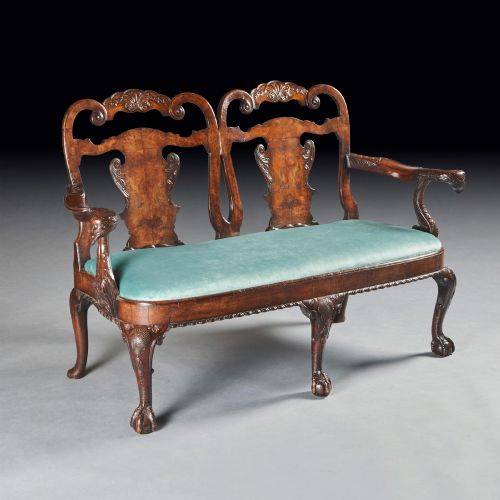
A georgian double chair back is a twin-backed seat sharing the silhouette of two joined dining chairs, offering generous proportions for a period room.
Georgian Double Chair Back
When searching for a georgian double chair back, a buyer encounters elongated seating forms designed to mimic the appearance of two distinct chairs joined together in a single frame. These pieces span from authentic eighteenth-century examples to later revival interpretations produced across the nineteenth and early twentieth centuries.
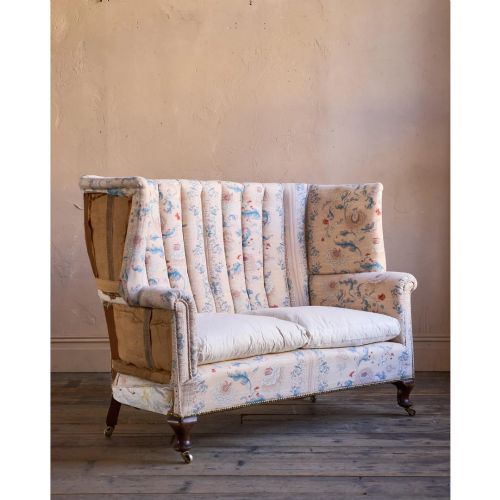
The most common versions on this page are settees and sofas constructed in mahogany, oak, or walnut, adopting Chippendale and George II styles. They appear as twin-chair back or triple-back settees, often featuring carved wooden frames and upholstered drop-in seats or fabric coverings.
Originating as formal seating for parlours and reception rooms, these settees combine the upright posture of dining chairs with the extended capacity of a sofa. Their distinct backrests display openwork splats or ladderback designs rooted in earlier furniture traditions.
How they were made
Makers constructed these frames predominantly using solid hardwoods such as mahogany, walnut, and oak, selected for their structural strength and grain quality. Joinery relied on traditional mortise and tenon joints to support the stress placed upon double-backed frames.
Upholstery techniques involved stuffing seats with traditional materials like hessian and securing them with fabric or velvet over webbing. Brass accents occasionally appeared in castors or decorative hardware elements on specific revival models.
Some double-backed settees allow two people to converse while sitting rigidly upright, proving that historical manners required solid lumbar support.
What varies in quality
The distinction between standard and superior examples lies in the crispness of the wood carving and the selection of timber veneers. Finer pieces exhibit deeply carved splats, finely moulded rails, and well-proportioned arm supports that reflect careful hand labour rather than mechanical production.
Structural integrity also separates the grades, as premium settees retain rigid joints and high-grade primary timbers without excessive replacement parts. The quality of the upholstery foundation and the choice of surface finish further determine the overall standing of the piece.
The Georgian Double Chair Back Glossary
- Splat
- The vertical wooden strip down the centre of a chair or settee backrest. It often takes carved, pierced, or vase-shaped forms in eighteenth-century designs.
- George II Style
- A design period spanning the mid eighteenth century characterised by heavy proportions, bold carving, and heavy use of mahogany.
- Settee
- A long wooden or upholstered seat with a back and arms, designed to accommodate more than one person. It forms the primary category for double-backed seating.
- Ladderback
- A chair or settee back featuring a series of horizontal arched slats resembling the rungs of a ladder. This form appears across multiple nineteenth-century iterations.
Georgian Double Chair Back: Frequently Asked Questions
How do I date a double chair back?
Dating relies on examining the timber species, joinery methods, and stylistic cues against documented cabinet-making periods. Eighteenth-century examples display period-specific hand-carved details and construction wear, whereas nineteenth and twentieth-century revivals often utilise softer machinery marks and denser woods.
Reviewing the secondary timbers beneath the frame and the style of the splats helps clarify whether a piece is an original eighteenth-century work or a later revival.
Where should I place this in my home?
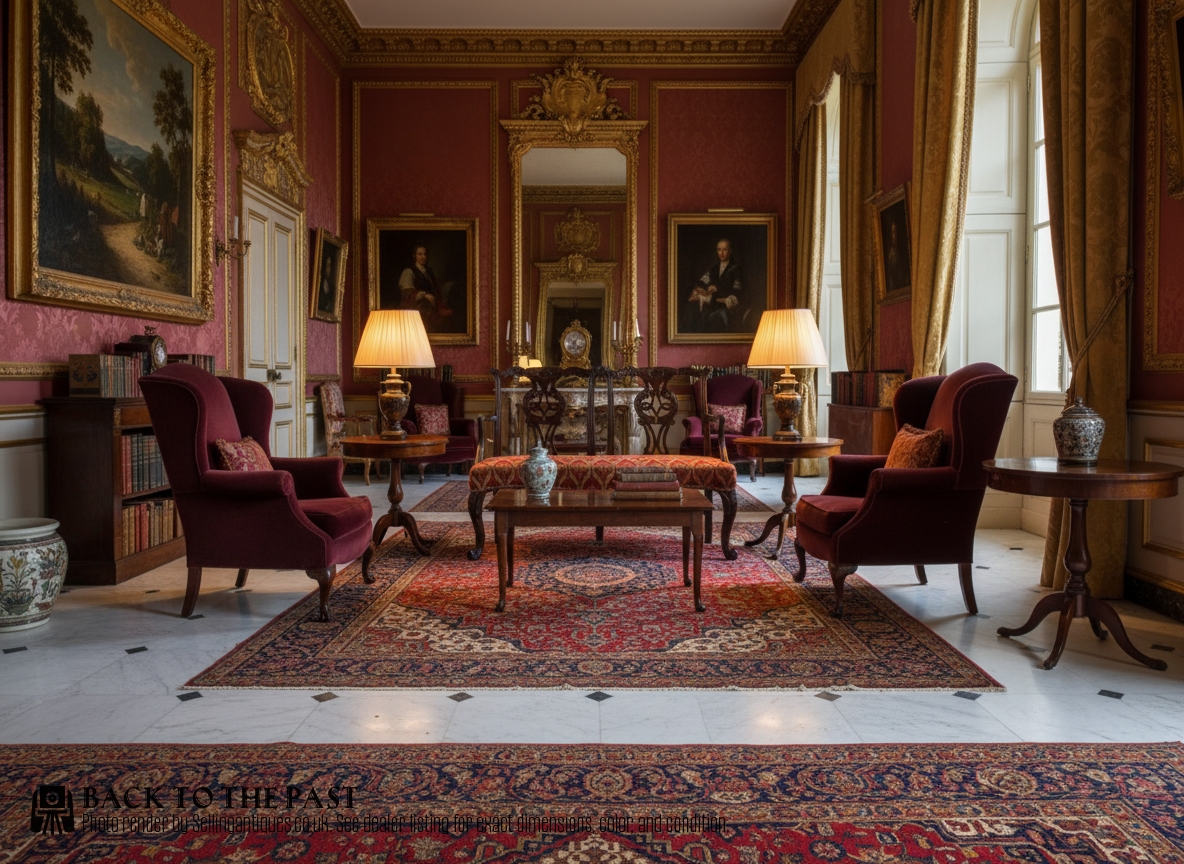
These settees suit hallways, landings, or living rooms where their narrow profile allows them to sit flat against a wall without dominating the floor space. Their decorative backrests provide visual interest when viewed from the front or side in an open interior.
Pairing them with period writing desks or placing them beneath large wall mirrors complements their traditional proportions and architectural lines.
Are these settees comfortable for daily use?
Most pieces offer an upright, firm seating position rather than deep lounging comfort, reflecting the formal domestic habits of their original eras. The supportive wooden backrests and firm upholstered bases are designed for posture rather than reclining.
Adding small scatter cushions can adjust the seating depth to suit contemporary preferences while maintaining the visual integrity of the frame.