
Mahogany Dining Room Table
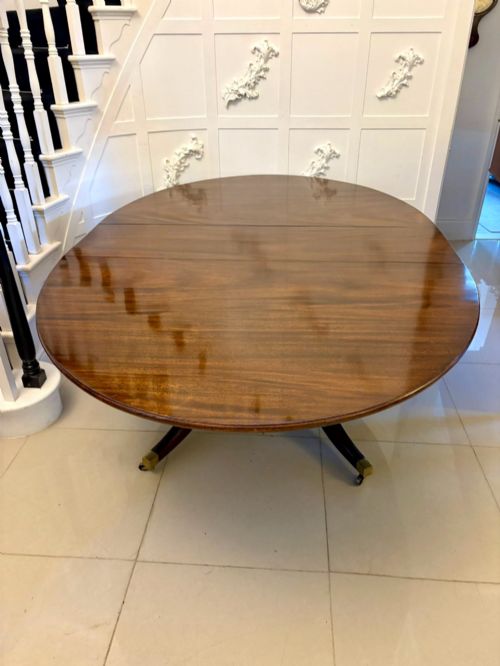
A mahogany dining room table provides the solid centrepiece for formal meals, built from rich timber that deepens in tone over the decades.
Mahogany Dining Room Table
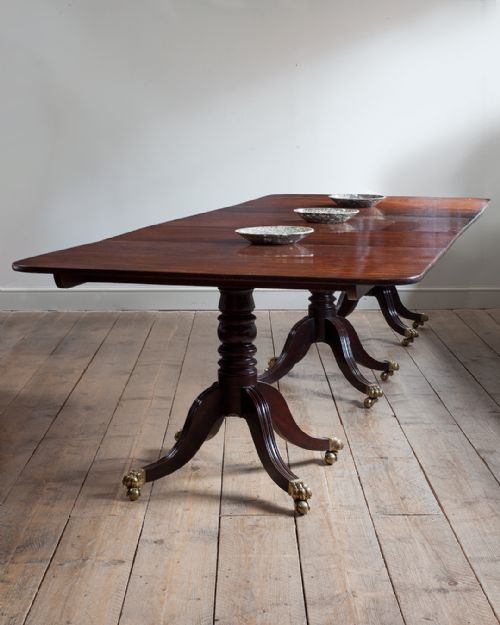
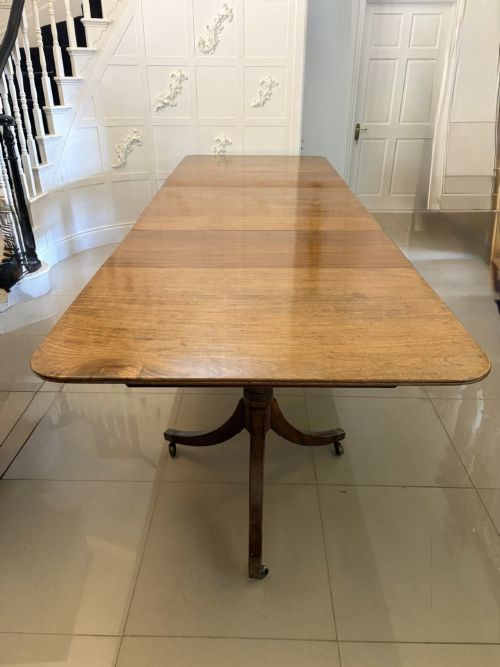
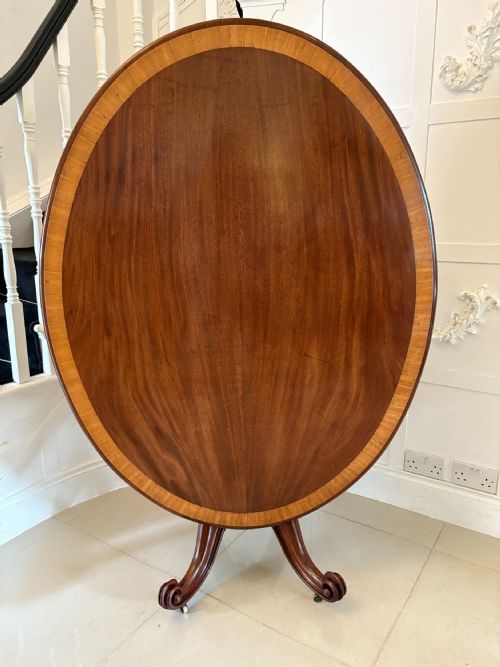
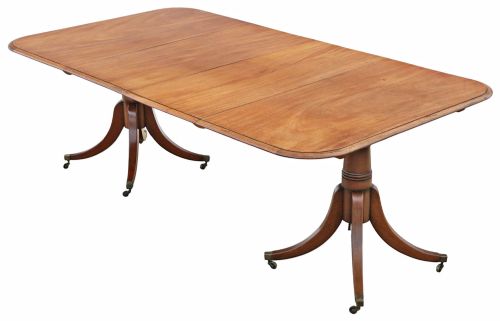
A mahogany dining room table brings together centuries of cabinet-making, spanning the Georgian, Regency, Victorian, and Edwardian periods. You will encounter extending versions with multiple pedestals alongside fixed rectangular and oval formats designed to seat large numbers of guests.
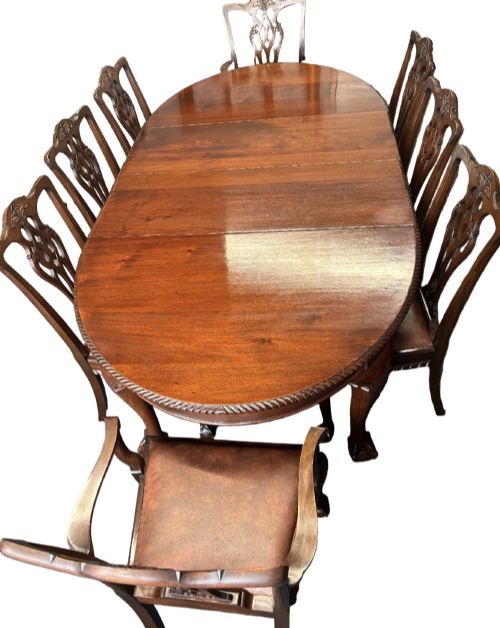
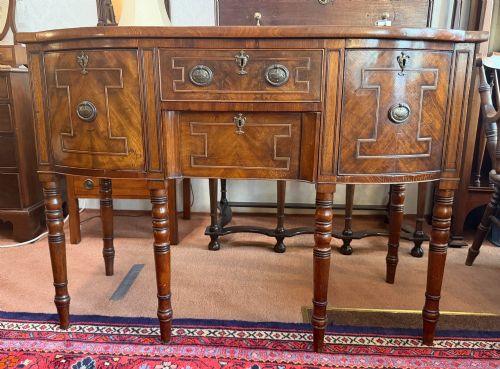
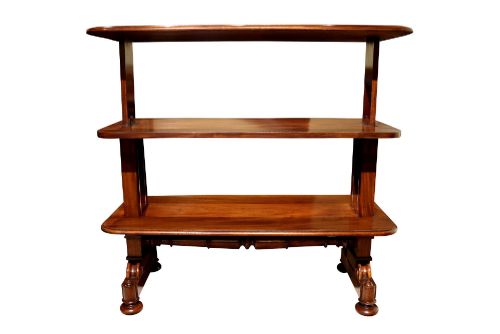
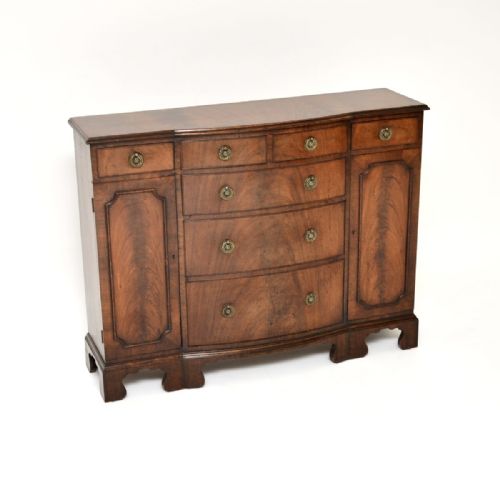
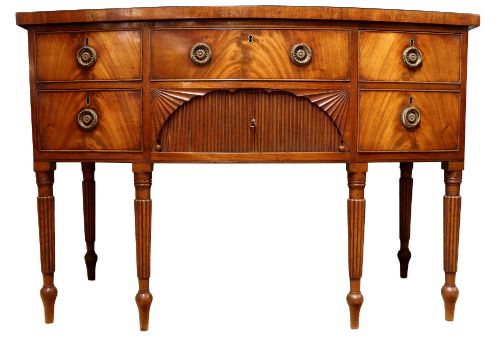
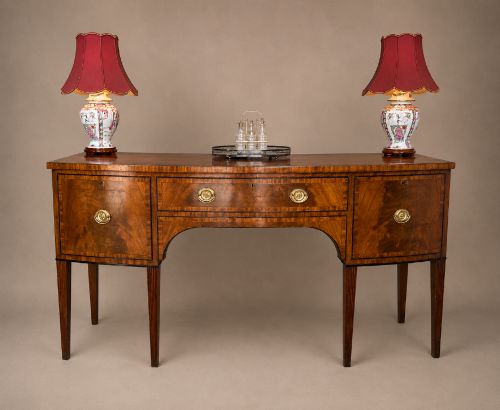
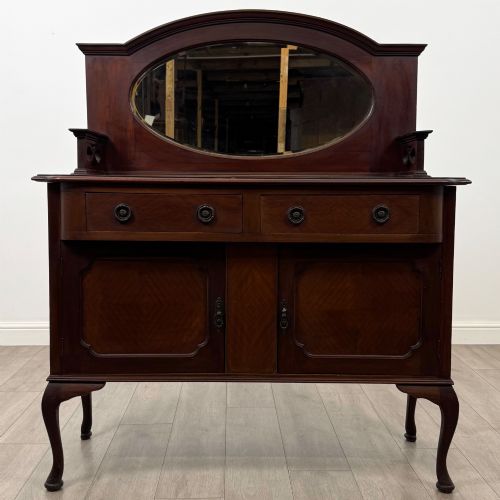
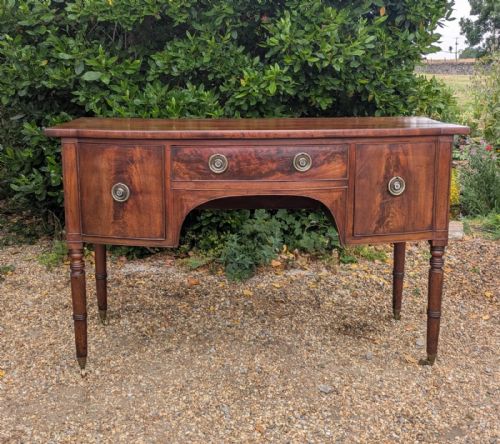
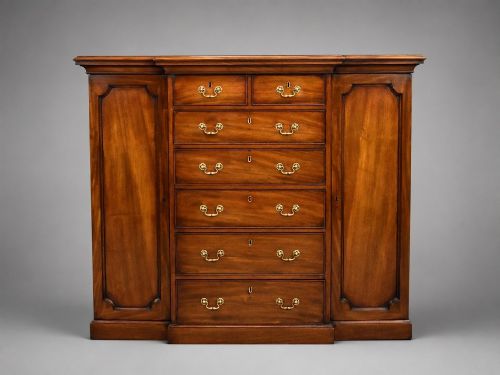
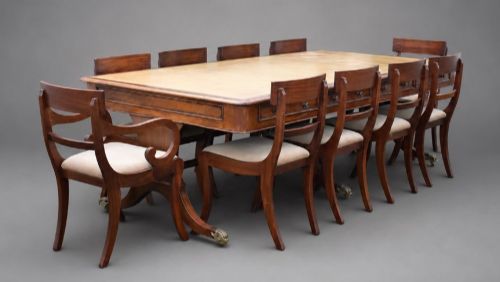
The selection frequently includes pieces accompanied by matching chairs or paired with related dining room furniture such as sideboards, serving tables, and dumb waiters. These surfaces served elite households for entertaining and family dining, utilising durable timber that endured heavy daily use.
Originating predominantly from British workshops, the construction ranges from formal George III designs to later revival pieces from the twentieth century. The forms prioritize stability and generous proportions, accommodating seating arrangements from six to twelve people or more.
How they were made
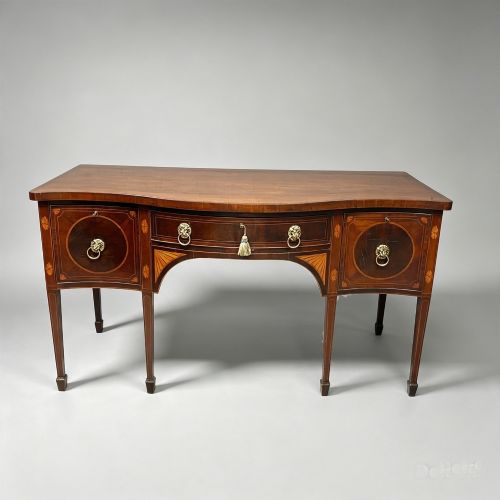
Cabinet-makers relied on solid mahogany and carefully selected flame mahogany veneers applied to structural secondary woods, achieving deep figure and rich grain patterns across large tabletops. Workshops utilised boxwood and satinwood for fine stringing and delicate inlay work along borders and drawer fronts.
Structural integrity depended on heavy pedestals, pillar supports, and complex extending mechanisms involving brass clips and winding systems. Hand-carved details, such as rope-twist edges and brass paw feet, demonstrate the high level of joinery standard in these dining tables and associated sideboards.
Some dining tables come with their original winding handles, ensuring you can still crank open your furniture the exact way diners did centuries ago.
What varies in quality
The distinction between standard production and the finest work lies in the selection of the timber and the depth of the grain figure, particularly where highly figured flame mahogany veneer covers large expanses. Superior examples exhibit seamless matching across table leaves and precise geometry in pedestal turning.
Hand-cut joinery, crispness of carved mouldings, and the integration of original brass hardware elevate certain tables and sideboards above simpler utility items. The fluency of inlay work, such as contrasting boxwood and satinwood lines, marks the hand of a master workshop.
M. D. Miller & Sons·Whytock & Reid·F & J Smith
The Mahogany Dining Room Table Glossary
- Flame mahogany
- A veneer cut from timber where the branch meets the trunk, producing a distinctive, fiery rippled pattern across table tops and sideboard fronts.
- Pedestal
- A central supporting column, often single, double, or triple on larger extending dining tables, frequently resting on splayed legs with brass castors.
- Extension leaf
- A removable section of timber inserted into the centre of a dining table to lengthen the surface for larger gatherings.
- Serpentine front
- A furniture facade featuring a gently undulating curved shape that bows outward in the middle and curves inward at the ends.
- Dumb waiter
- A tiered piece of freestanding furniture used in dining rooms to hold dishes and cutlery without requiring a servant present.
- Inlay
- A technique where contrasting woods like boxwood or satinwood are inserted into recesses in the primary mahogany surface to create decorative patterns.
Mahogany Dining Room Table: Frequently Asked Questions
How do I operate an extending table?
Most antique extending tables utilise a wooden runner system opened with a brass crank handle or pulled apart by hand to insert additional leaves.
Once the leaves are dropped into place, metal clips underneath secure the sections tightly together to create a stable, level surface.
How many people will a triple pedestal table seat?
A triple pedestal table typically accommodates ten to twelve diners comfortably, depending on the overall length and the presence of extension leaves.
Larger formats listed can stretch to thirteen feet or more to seat very large dining parties.
What is the difference between a sideboard and a serving table?
Serving tables are generally open-framed console tables from the Georgian period designed strictly for placing dishes during a meal.
Sideboards incorporate cupboards, drawers, and lower shelves enclosed within a fitted timber cabinet for storing dining linen and cutlery.
How do I care for a polished mahogany surface?
Protect the timber from direct sunlight and extreme temperature shifts to prevent the French polished finish from drying out or fading over time.
Clean the surface using a soft, dry cloth and apply occasional high-quality beeswax to nourish the wood grain.