


Victorian Mahogany Dinner Table
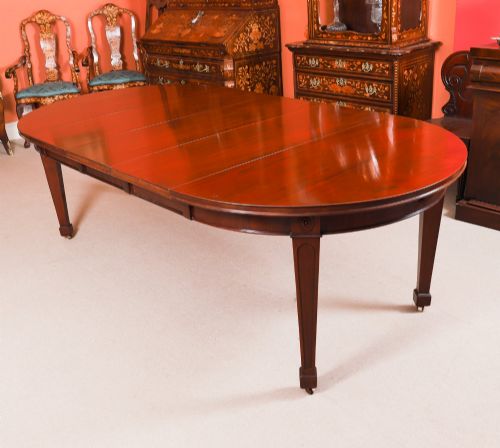
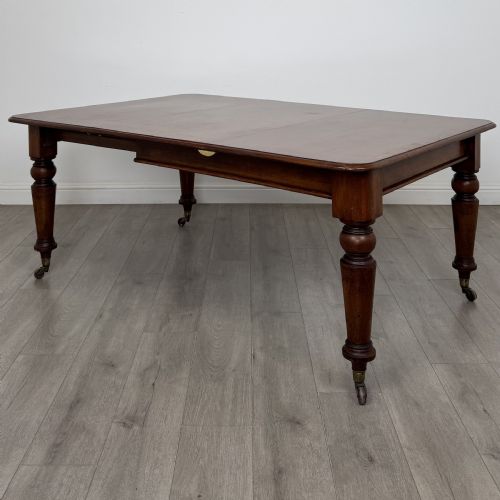
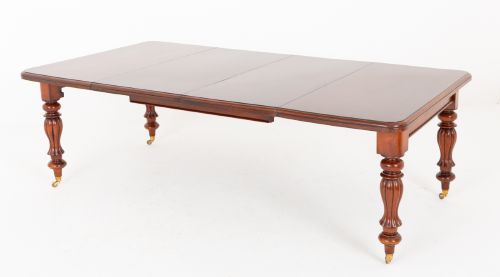
A victorian mahogany dinner table brings rich timber grain and reliable extension mechanisms to the dining room.
Victorian Mahogany Dinner Table
A victorian mahogany dinner table is a substantial dining piece designed to accommodate family meals and formal gatherings through various mechanical extensions. These tables typically emerge from the nineteenth century, spanning decades such as the eighteen-fifties, sixties, seventies, and eighties.
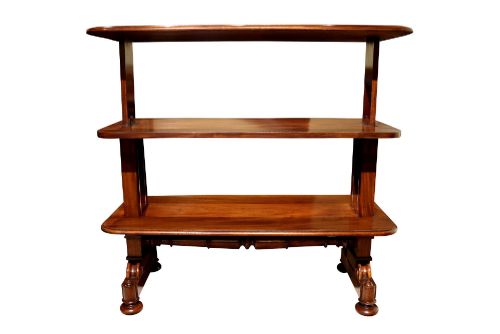
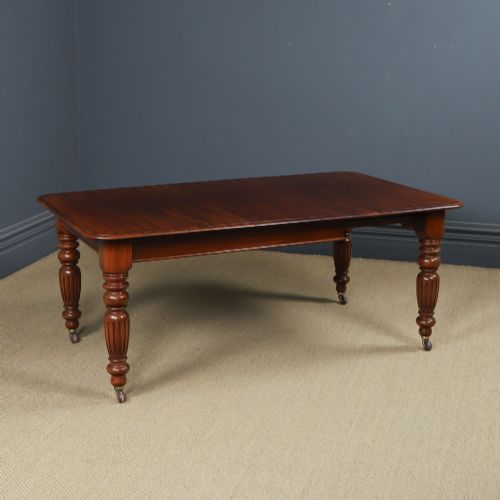
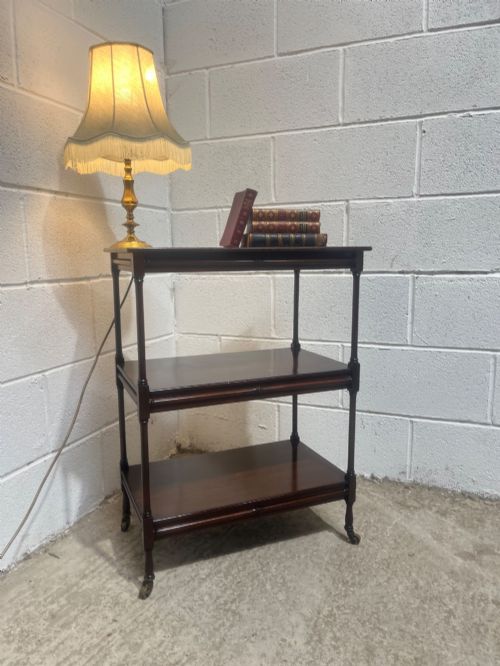
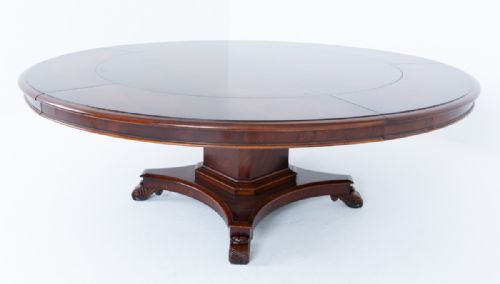
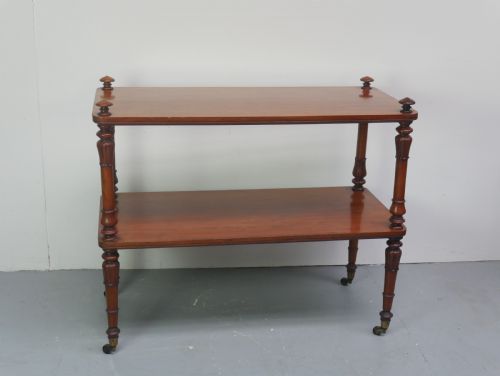
The version most frequently met on this page is the extending dining table, often complete with leaves that adjust the length to seat six or ten people. Alongside standard dining tables, the selection includes related forms like buffets, serving tables, and three-tier dumb waiters.
Makers and designers of the period utilised robust timber to construct these functional items, drawing on Regency and William IV design traditions alongside Victorian styles. Buyers choose these tables for their combination of deep reddish-brown wood and practical adaptability for modern dining spaces.
Materials and Construction
Craftsmen built these tables using solid mahogany and figured mahogany veneers, selecting timber prized for its deep colour and pronounced grain patterns. Brass components frequently appear as castors on table legs or as mechanisms supporting mechanical dumb waiters and extending frames.
Structural integrity relied on heavy framing and telescopic or screw-action extension systems that allowed operators to insert multiple leaves smoothly. Ceramic elements occasionally appeared in castors or fittings, complementing the warm tones of the polished wood.
Judging Quality and Craftsmanship
Quality in these tables rests upon the selection of figured timber and the precision of the carving found on legs and friezes. Pieces finished with carved claw and ball feet or detailed reeding demonstrate superior workshop execution compared to plain or utilitarian examples.
The smoothness of the extension mechanism and the presence of original brass castors or matching extra leaves determine the mechanical integrity of a dining table. Superior items maintain solid joints and unwarped tops that align correctly when fully extended.
Gillows of Lancaster and London·Maple & Co
The Victorian Mahogany Dinner Table Glossary
- Mahogany
- A durable tropical hardwood known for its reddish-brown colour and fine grain, widely utilised in nineteenth-century furniture making. It accepts polish exceptionally well.
- Dumb waiter
- A tiered stand or serving piece used to hold dishes and cutlery near the dining table. These items often feature three revolving or stationary shelves.
- Castor
- A small wheel attached to the legs of tables and sideboards to ease movement across the floor. They are frequently cast in brass.
- Extending table
- A dining table designed with a mechanism and removable leaves to increase surface length. This allows the seating capacity to expand on demand.
Victorian Mahogany Dinner Table: Frequently Asked Questions
How do I extend the table?
Most nineteenth-century extending tables operate with a telescopic wooden frame or a winding screw mechanism. Pulling the ends apart creates the gap needed to drop in the matching leaves.
Once the leaves rest securely in place, the mechanism closes back up to lock the boards tightly together. Ensure the floor is level so the slides move evenly without binding.
How many people will it seat?
Seating capacity depends on the length of the table and whether extra leaves are inserted. Standard medium tables comfortably seat six guests, while larger examples accommodate ten or more.
Allow sufficient clearance around the room for pulling out chairs when the table reaches its full extended length. Measuring your dining space beforehand prevents overcrowding.
What is a dumb waiter used for?
A dumb waiter serves as a multi-tiered stand placed beside the main dining table to hold extra plates, glasses, and serving dishes. This kept food close at hand during long meals without crowding the central dining surface.
In modern rooms, these pieces function well as side stands or display furniture in corners and hallways. Their stacked shelves offer practical vertical storage.
How do I care for mahogany?
Protect mahogany surfaces by using coasters and placemats to prevent heat marks and moisture damage from serving dishes. Regular dusting with a soft, dry cloth maintains the sheen of the polished wood.
Avoid placing the table in direct sunlight or beside heat sources, which can cause the timber to dry out and split. Apply a suitable wax polish occasionally to nourish the grain.