





Victorian Two Leaf Table
A victorian two leaf table offers practical dining flexibility, bringing period craftsmanship straight into a modern interior.
Victorian Two Leaf Table
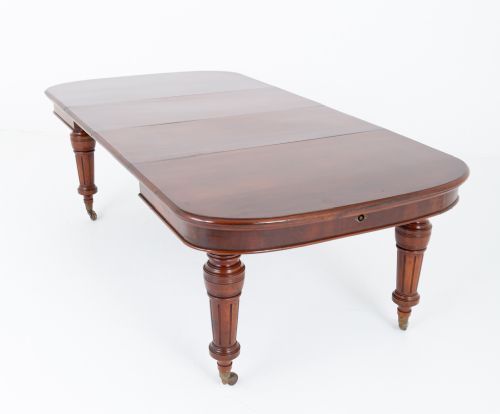
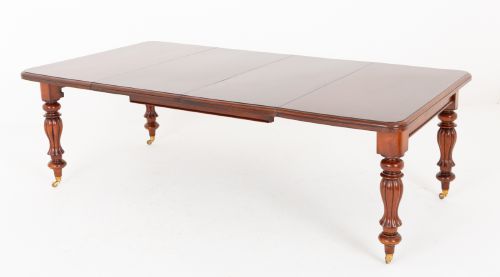
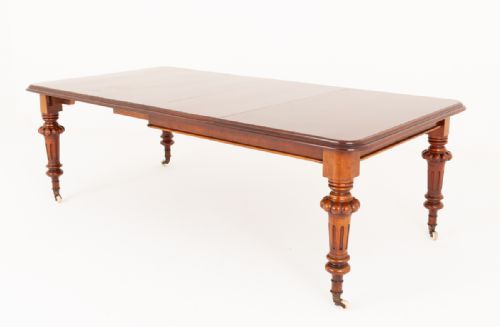
A victorian two leaf table primarily manifests as an extending dining table designed to expand for guests and contract for everyday use. These pieces date across the nineteenth century, with specific examples appearing from the eighteen-sixties through to the eighteen-nineties.
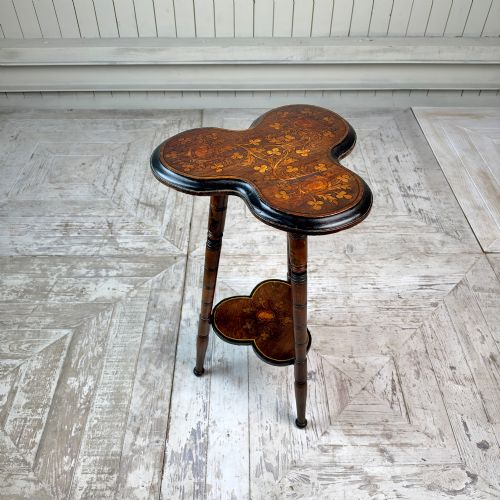
Beyond the standard dining formats, the selection includes related forms such as sutherland tea tables, occasional tables, sofa tables, and dumb waiters. Walnut and mahogany dominate the dining formats, while satinwood and painted pine appear in occasional and drop leaf pieces.
The buyer meets both formal dining designs with cabriole legs and more versatile tea or sofa tables intended for sitting rooms. This variety reflects the diverse domestic requirements of the nineteenth-century household.
Materials and construction methods
Cabinet makers utilised dense hardwoods like mahogany and walnut for the primary structure of dining and tea tables, often incorporating brass mechanisms to facilitate smooth leaf extension. Pine serves as a secondary wood or forms painted drop leaf variations, while satinwood provides finer decorative surfaces.
Construction techniques focus on mobility and adaptability, employing drop leaves, pull out frames, and dual tiers. Turned legs, cabriole supports, and shaped tops demonstrate the joinery standards applied during the period.
Victorian Two Leaf Table Retail Price Guide 2026
Typical asking prices for victorian two leaf table among the pieces listed under this phrase on Sellingantiques today, from the lower quarter to the upper quarter. They describe what is for sale here now, not the wider market.
A double sutherland table provides twice the drop leaf action for your afternoon tea.
Quality and craftsmanship variations
The grade of timber and the precision of the extension mechanism dictate the standard of an extending dining table. Superior examples feature well-figured mahogany or walnut with integrated pull out tracks that operate smoothly.
Finishing details such as shaped tops, carved cabriole legs, and secondary timbers like satinwood separate standard utility items from finer parlour furniture. The integrity of the joints and the original hardware determine the overall standard.
Morison of Edinburgh
The Victorian Two Leaf Table Glossary
- Leaf
- A removable section of a table top designed to increase the surface area when inserted into an extending frame. Multiple leaves allow the table length to adjust according to dining requirements.
- Sutherland table
- A narrow drop leaf table with large hinged flaps that fold down almost vertically. These tables often feature dual tier designs or twin legs for stability when open.
- Sofa table
- A rectangular occasional table traditionally placed in front of a sofa, featuring drop leaves on either end and frequently equipped with small drawers.
- Dumb waiter
- A tiered freestanding piece of furniture used for holding dishes and serving items during meals without requiring direct servant attendance.
- Cabriole leg
- A furniture leg that curves out gracefully and tapers inward to a foot, inspired by the shape of an animal's leaping leg.
Victorian Two Leaf Table: Frequently Asked Questions
How do you extend a victorian dining table?
These tables typically utilise a pull out mechanism where the main frame parts and extra leaves drop into the central gap. Brass runners and pins help align and secure the leaves in place.
Users pull the ends apart manually to insert the removable leaves, creating a seamless surface for larger gatherings before collapsing the mechanism back down for daily use.
Where should I place a sutherland tea table?
Sutherland tea tables work well in sitting rooms or studies because their hinged leaves drop down to a very narrow profile. They fit neatly against a wall when closed.
When guests arrive, the leaves lift easily to provide extra surface space for tea or books without dominating the room's floor plan.
How do I identify a nineteenth century mahogany table?
Examination of the timber grain, construction joints, and hardware helps determine the period. Nineteenth-century pieces frequently display rich mahogany tones and solid secondary woods.
Look for hand-cut joints and period brass fittings rather than modern fixings, which confirm the age and manufacturing techniques of the era.
What is the difference between a dining table and a sofa table?
Dining tables are built larger and higher to accommodate seating for meals, often featuring heavy extending mechanisms for extra leaves. Sofa tables are much narrower and lower, designed to sit near seating with small drop leaves and drawers.
Sofa tables serve occasional domestic tasks rather than formal dining, reflecting the specialised room layouts of the Victorian home.