
Mahogany Corner Furniture
Mahogany corner furniture brings efficient design to awkward spaces, combining rich timber with practical storage across Georgian and Victorian periods.
Mahogany Corner Furniture
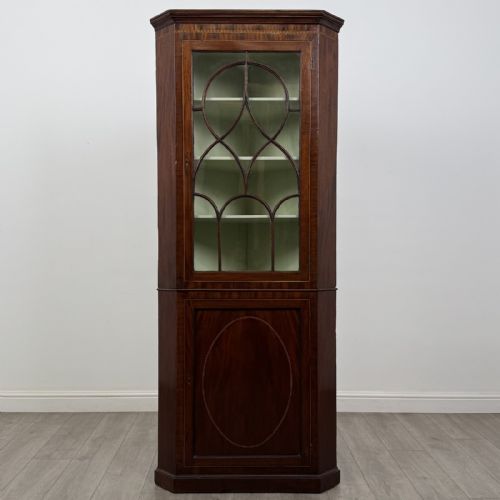
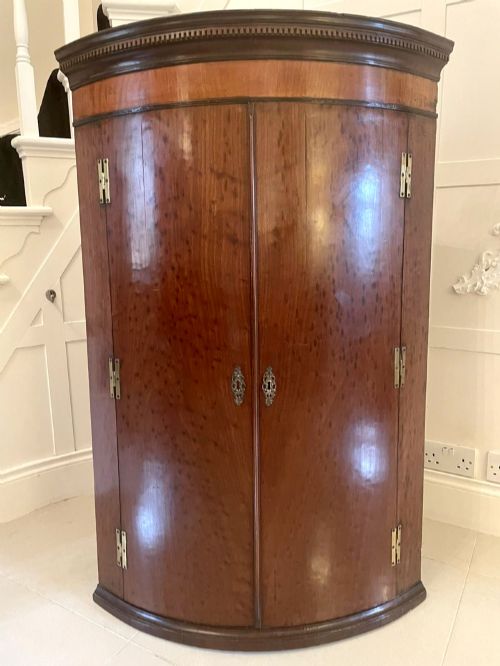
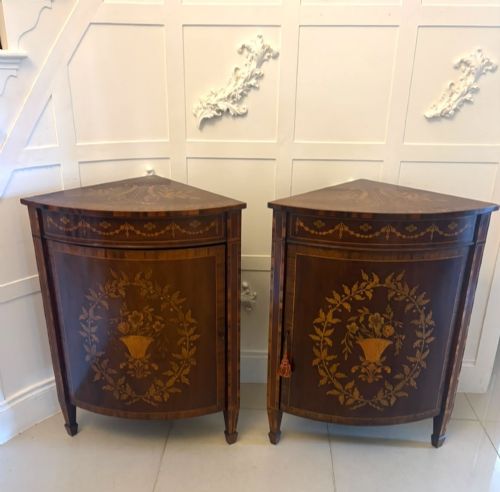
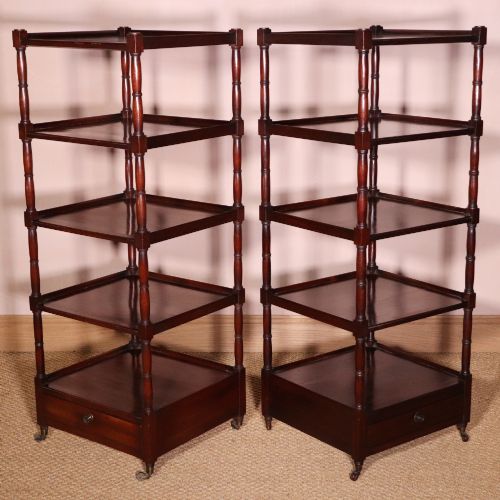
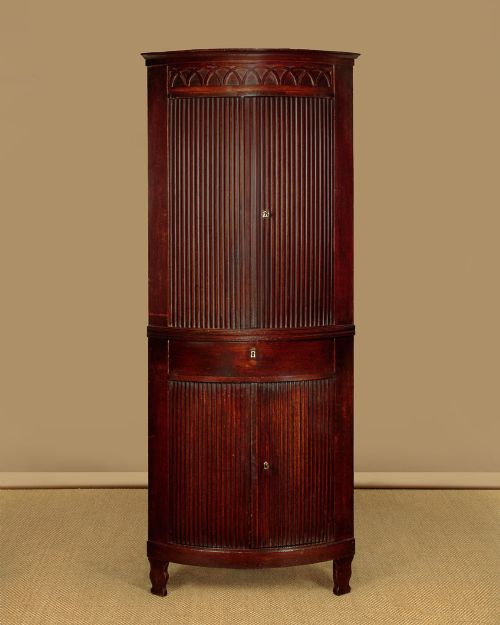
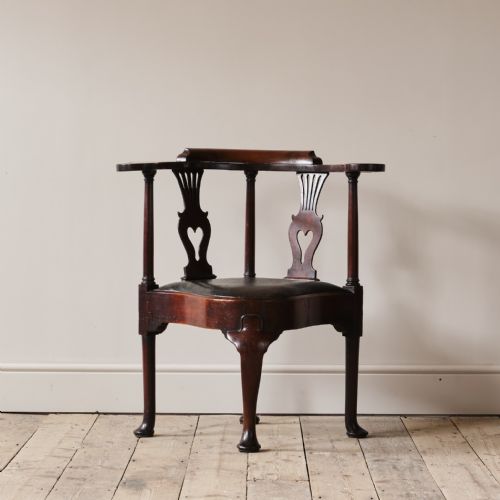
Mahogany corner furniture encompasses fitted cupboards, hanging cabinets, washstands, tiered whatnots, and display units designed to occupy domestic room junctions. When searching for mahogany corner furniture, buyers frequently encounter Georgian wall-mounted cupboards and Victorian tiered stands or washstands.
The surviving forms span the eighteenth and nineteenth centuries, reflecting shifts from simple Georgian hanging storage to elaborate Edwardian display cabinets. Pieces range from double-height floor-standing cupboards to compact washstands with basin recesses.
How they were made
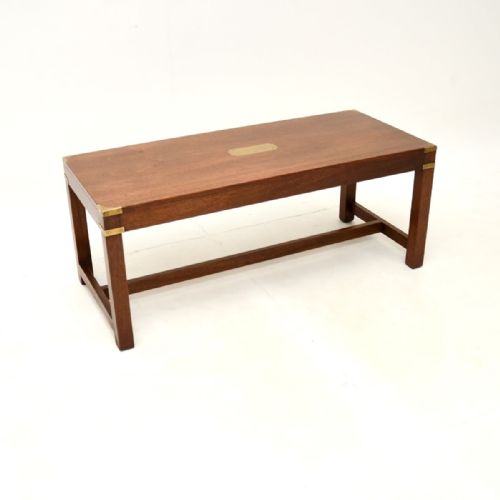
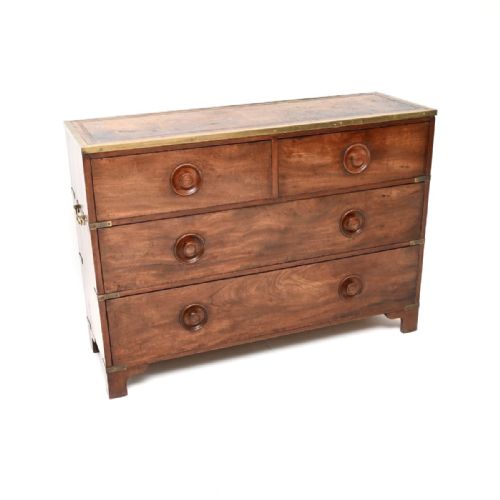
Cabinet makers utilised dense mahogany, occasionally selecting Cuban varieties or embellishing surfaces with satinwood and boxwood inlay. Brass fixtures and leather surfaces frequently appear on military campaign variants, while glass doors distinguish display cabinets.
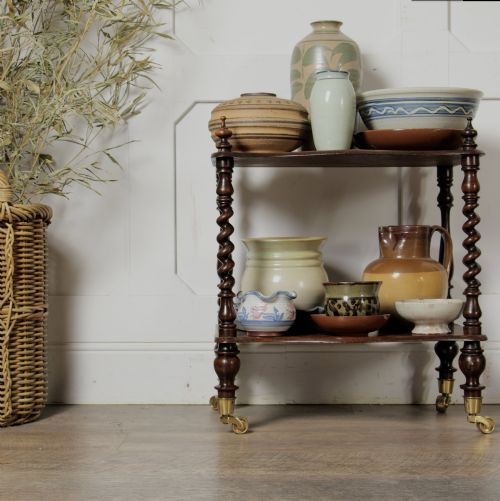
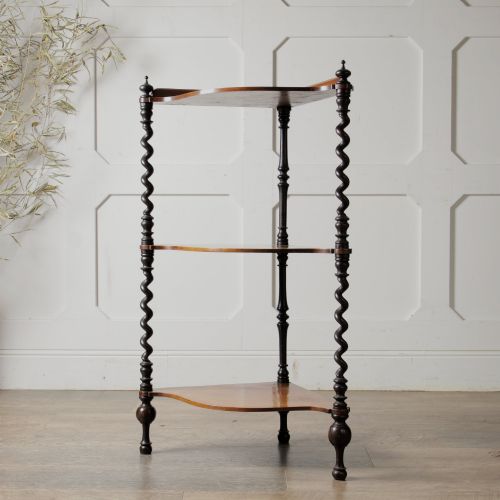
Structural joints rely on traditional carpentry adapted to angular spaces, allowing wall-mounted units to bear weight securely. Turning techniques produced barley twist supports on Victorian whatnots, and delicate stringing defined the inlaid Edwardian styles.
Current listings feature mahogany corner furniture spanning the Georgian, Regency, Victorian, and Edwardian periods, utilising brass, glass, and satinwood inlay.
What varies in quality
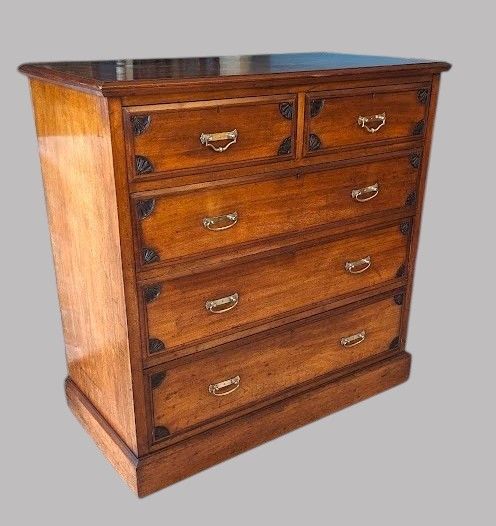
The standard of mahogany corner furniture depends upon the selection of timber grain, particularly when plum pudding mahogany or satinwood inlay is employed to create decorative contrast. Superior examples display meticulous attention to proportion and fine joinery within the awkward angles of the piece.
Gillows·Ross and Co
The Mahogany Corner Furniture Glossary
- Whatnot
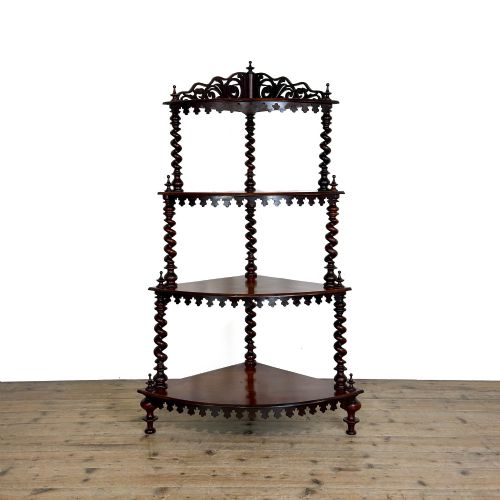
- A set of open tiered shelves used for displaying ornaments or holding books, frequently found in corner configurations during the Victorian era.
- Campaign chest
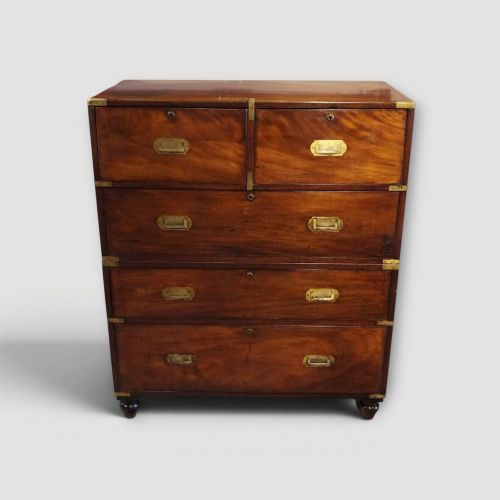
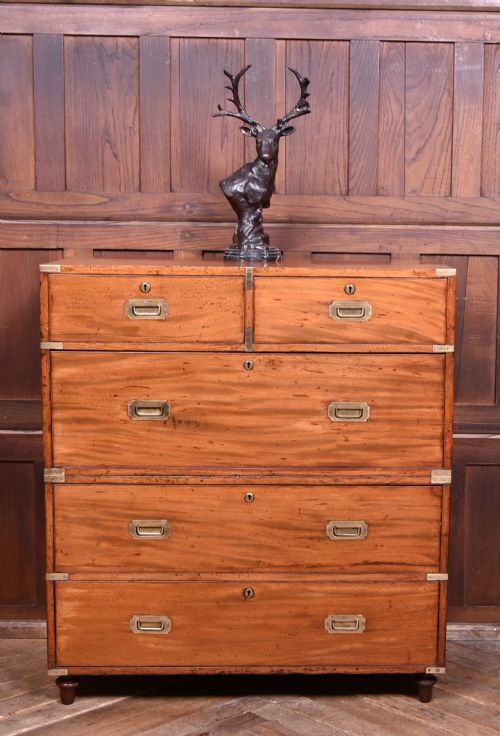
- Portable modular furniture made in sections with brass corners and recessed handles, designed for military transport in the nineteenth century.
- Compactum
- A large fitted wardrobe combining hanging space, drawers, and shelving within a single multi-functional unit.
- Inlay
- A decorative technique where contrasting woods like satinwood or boxwood are inserted into recesses within the primary mahogany surface.
Mahogany Corner Furniture: Frequently Asked Questions
How do I hang a corner cabinet?
Hanging corner cabinets require secure fixings into solid masonry or substantial wall studs to support the weight of the timber and its contents. Most pieces feature internal mounting points or brackets designed for this purpose.
Ensure the wall angle matches the ninety-degree fit of the cabinet to prevent warping over time.
What is a corner washstand?
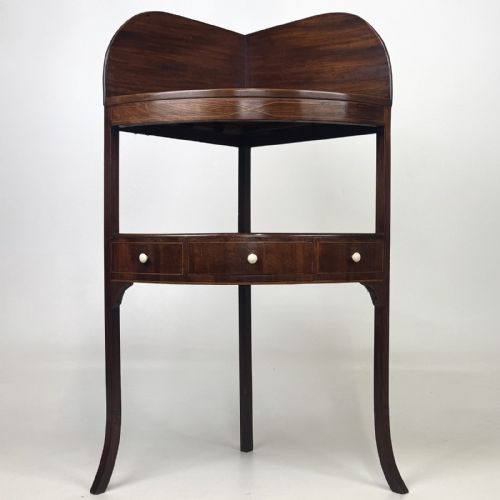
A corner washstand is a triangular wooden table built to fit into room junctions, originally featuring cut-outs for washbasins and lower shelves for water jugs. They date primarily from the Georgian and Victorian periods.
Today, these stands function effectively as plant holders or distinctive corner tables in hallways.
How do I identify a Gillows piece?
Gillows pieces from the eighteenth century sometimes bear stamped signatures or distinctively crisp cabinetwork associated with the Lancaster and London workshops. Attribution relies on documented design characteristics and superior timber selection.
Consult specialist furniture archives when investigating stamped signatures.
Are campaign chests waterproof?
Campaign chests are constructed from durable mahogany with brass mounts designed to withstand damp colonial climates during transport, but they are not waterproof. The timber benefits from regular polishing to maintain its moisture resistance.
Keep these chests away from direct heat sources to prevent the wood from splitting.