





Mahogany Coin Cabinet
A mahogany coin cabinet is a specialised multi-drawer case designed to safely house numismatic collections, combining fine cabinet-making with functional utility.
Mahogany Coin Cabinet
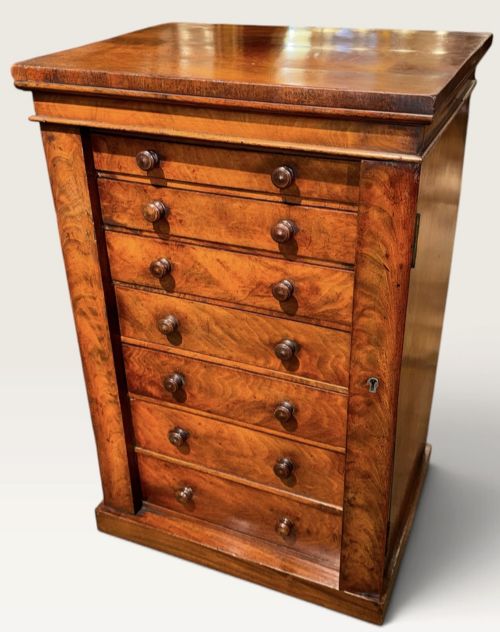
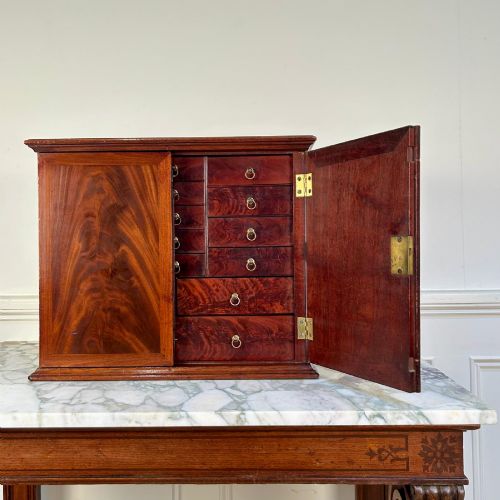
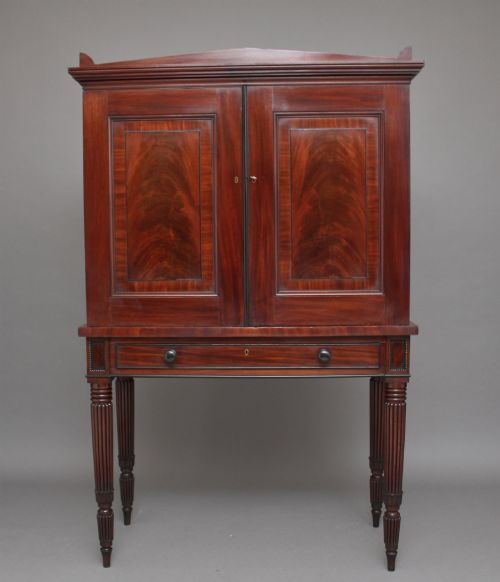
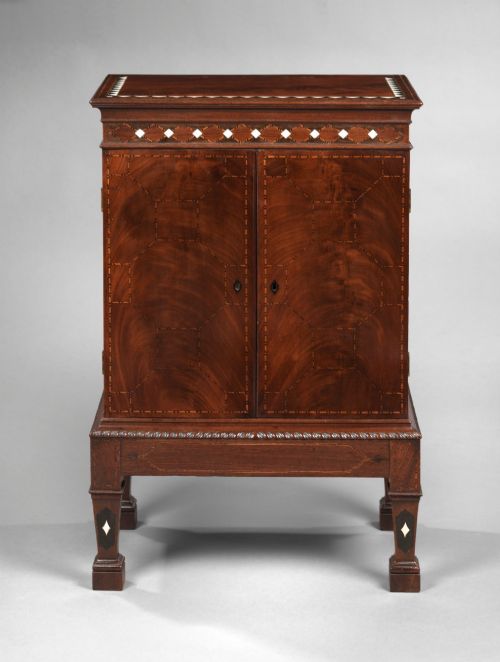
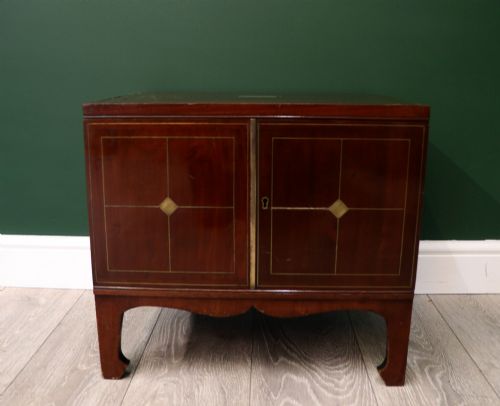
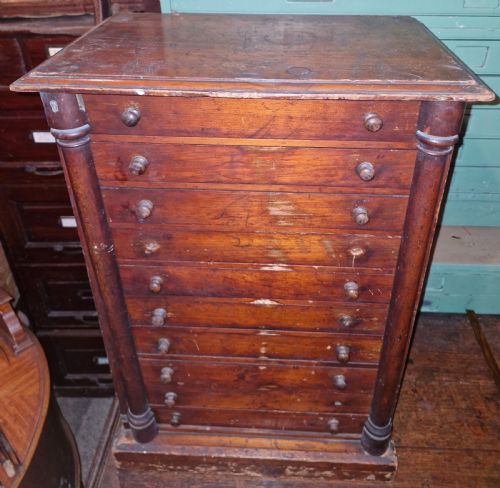
When you search for a mahogany coin cabinet, you are looking at specialised multi-drawer storage designed to house numismatic collections, medals, and small antiquities. These pieces range from compact desktop chests with five or six drawers to substantial floor-standing cabinets holding up to forty shallow internal trays. The pieces you are most likely to meet on this page date from the Georgian, Victorian, and Edwardian eras, constructed primarily from solid timber with numerous purpose-built shallow drawers.
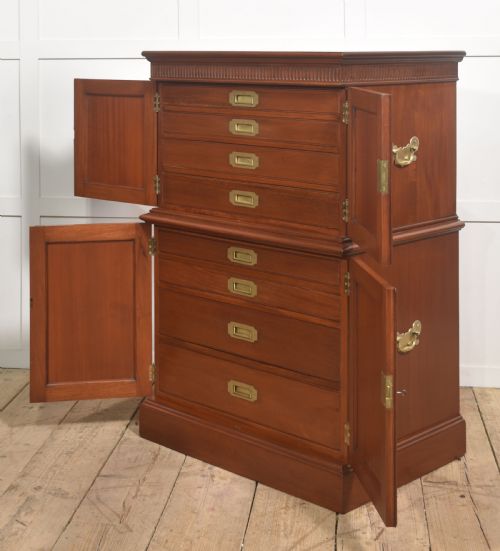
Makers and workshops of the nineteenth and early twentieth centuries built these cabinets to protect delicate items from dust and handling, frequently incorporating locking doors or glazed fronts to secure the contents. Formats vary from campaign-style brass-bound chests intended for travel to impressive library pieces with numerous fitted interior trays. The internal construction prioritises shallow depths, ensuring that coins and medals lay flat without sustaining damage from stacking.
How they were made
Craftsmen built these cabinets predominantly using solid mahogany, frequently selecting figured or Cuban timber for the external carcase and drawer fronts, while employing secondary softwoods for internal framing. Many examples integrate brass details, such as flush drop handles, corner mounts, and locking mechanisms, which point to campaign influences and durable utility. Internal trays frequently utilise boxwood or bone inlay to number and identify the compartments, paired with baize or velvet linings designed to cushion delicate items.
Drawer construction relies on precision joinery, particularly tight dovetails that withstand the frequent opening and closing of numerous shallow tiers. Cabinet makers fitted doors - either solid panelled or glass-fronted - with functional key locks to restrict access to valuable collections. The exterior surfaces received hand-rubbed wax finishes that highlight the natural grain and deep red-brown tone of the timber.
Mahogany Coin Cabinet Retail Price Guide 2026
Typical asking prices for mahogany coin cabinet among the pieces listed under this phrase on Sellingantiques today, from the lower quarter to the upper quarter. They describe what is for sale here now, not the wider market.
Listings feature cabinets spanning the Georgian, Victorian, and Edwardian periods, constructed in solid mahogany with brass and bone inlay.
What varies in quality
The distinction between a standard commercial chest and a premier piece lies in the density and figuring of the mahogany timber and the precision of the drawer assembly. Superior cabinets display book-matched veneers, flawless solid mahogany carcases, and intricate boxwood or bone inlay work that indicates master craftsmanship. Furthermore, signed examples from known makers command greater attention due to their documented provenance and superior structural execution.
The complexity of the interior arrangement also drives distinction, with larger multi-drawer configurations requiring exceptional joinery to ensure every shallow tray glides smoothly within the housing. Original locks, keys, and untouched patination elevate a piece above those that have undergone extensive restoration or replacement of internal linings.
Brady of Edmonton·Charles William Schofield·Standish
The Mahogany Coin Cabinet Glossary
- Campaign style
- Furniture constructed with portability in mind, featuring recessed brass handles, corner brackets, and sturdy timber designed to withstand travel. These pieces were frequently utilised by military officers and travelling naturalists.
- Collector's cabinet
- A specialised case featuring numerous shallow drawers designed to organise and display specimens, medals, or coins. They protect delicate objects from light, dust, and excessive handling.
- Specimen case
- A cabinet or box originally intended for botanical, geological, or entomological collections, sharing the multi-drawer format common in numismatic storage. They provide optimal environmental control for fragile artefacts.
- Figured mahogany
- Timber exhibiting distinctive wavy, mottled, or grain patterns that catch the light, selected by cabinet makers for high-status exterior surfaces. It adds visual depth to the finished piece.
- Standish
- A term associated with portable writing equipment or fitted storage chests, often applied to multi-drawer cabinets designed for desk use. These compact units keep small valuables secure.
Mahogany Coin Cabinet: Frequently Asked Questions
What were mahogany coin cabinets used for?
These cabinets served to organise, protect, and display private collections of currency, medals, and small antiquities. The shallow drawers kept heavy metal items from rolling or scratching against one another.
Collectors utilised the secure locking doors to prevent loss and keep dust away from sensitive metallic surfaces over long periods.
How do I care for a mahogany cabinet?
Keep the timber away from direct heat sources and dramatic humidity fluctuations to prevent the solid wood and drawer runners from warping. Regular dusting with a dry, soft cloth maintains the natural wax finish without building up residue.
Avoid using modern liquid polishes, which can degrade the historic patina and soften the surface sheen built up over generations.
Can I use these for modern storage?
The shallow trays make these cabinets well suited for organising jewellery, watches, fountain pens, and small collectables. The modular drawer layouts allow you to sort items by category or size easily.
Many modern collectors repurpose the traditional compartmentalised interiors to safeguard contemporary coin collections and delicate keepsakes.
How do I identify the period?
Georgian and Regency pieces often feature simpler structural lines with heavy reliance on Cuban mahogany and subtle brass hardware. Victorian examples frequently incorporate larger multi-drawer counts, glass display doors, and elaborate campaign mounts.
Edwardian cabinets tend to blend earlier structural traditions with lighter inlay work, reflecting changing domestic tastes at the turn of the century.