



Wooden Tabletop Organiser
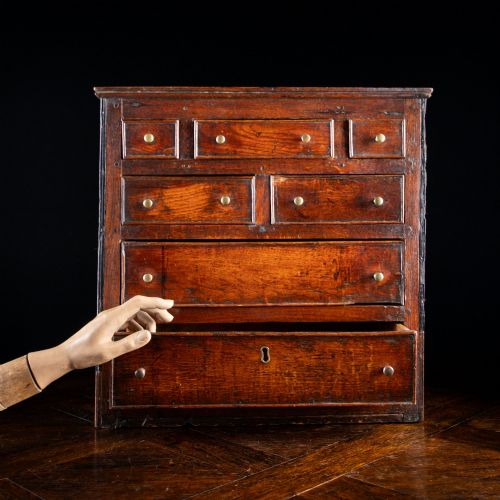
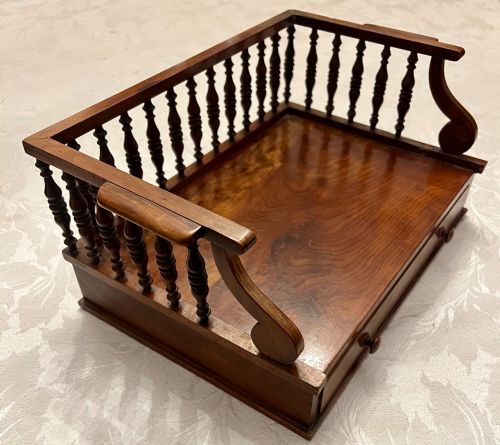
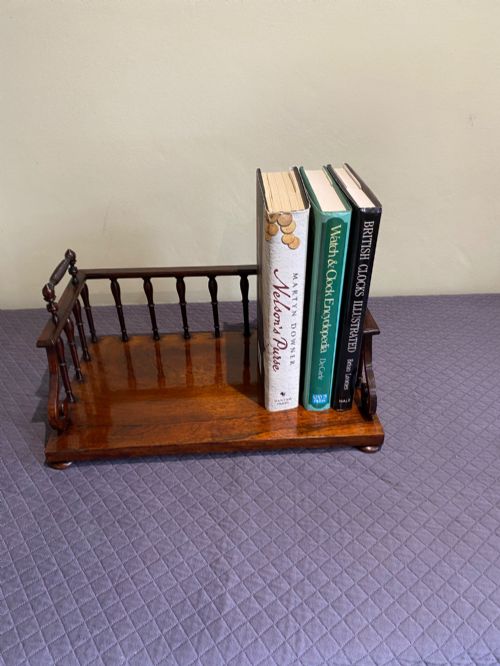
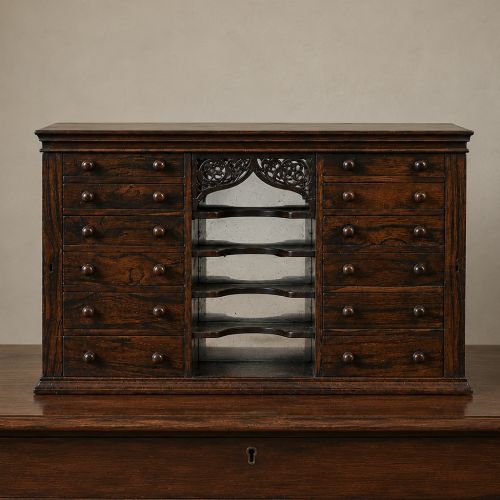
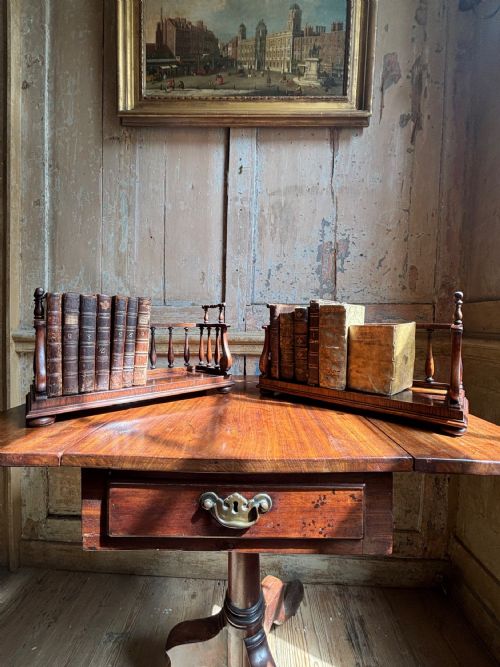
These wooden tabletop organisers range from compact mahogany miniature chests of drawers to Regency rosewood book racks designed to keep desks orderly.
Wooden Tabletop Organiser
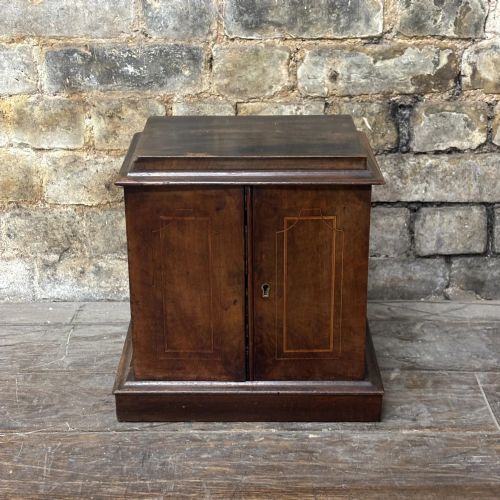
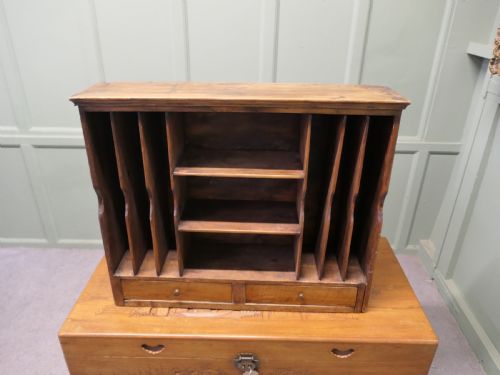
A wooden tabletop organiser serves as a practical surface accessory for sorting letters, books, and small items in domestic or office settings. When you search for a wooden tabletop organiser, you encounter a variety of forms spanning several centuries, including stationery cabinets, collectors cabinets, and desk tidies.
Earlier formats include oak Bible boxes and Georgian apprentice chests, while later twentieth-century examples feature pine spice cabinets and beech index filing drawers. Each variation provides dedicated compartments suited to desktop placement without occupying floor space.
Materials and construction methods
Cabinet makers utilised dense hardwoods such as mahogany, rosewood, and oak to construct durable frames capable of withstanding daily desktop use. Grain patterns and natural figures were selected to enhance the visual appeal of visible surfaces on miniature chests and stationery cabinets.
Metal hardware such as brass drop handles and hinges appear frequently on drawers and fall-front boxes, providing secure closures and lifting points. Secondary timbers like pine and beech were employed for internal drawer linings and hidden partitions.
Wooden Tabletop Organiser Retail Price Guide 2026
Typical asking prices for wooden tabletop organiser among the pieces listed under this phrase on Sellingantiques today, from the lower quarter to the upper quarter. They describe what is for sale here now, not the wider market.
Distinctions in quality and execution
Finer pieces display precise joinery, such as cleanly cut dovetails on drawer corners and neatly fitted internal partitions for stationery or specimens. The choice of primary timber also dictates tier, with figured rosewood and dense mahogany commanding greater appreciation than utility pine.
Original hardware, including matching brass handles and functional locks with keys, elevates the integrity of cabinets and miniature chests. Surface finish and patina indicate the care a piece has received, with polished polishes and well-maintained wax coatings setting superior examples apart.
Gillows
The Wooden Tabletop Organiser Glossary
- Apprentice chest
- A small-scale chest of drawers constructed by a tradesman to demonstrate skill to a guild. These miniature pieces mirror the proportions and joinery of full-sized furniture.
- Collector's cabinet
- A specialised small cabinet fitted with multiple shallow drawers designed to house natural history specimens or coins. They often feature locking doors to protect fragile contents.
- Stationery cabinet
- A desktop container featuring slanted compartments or internal pigeonholes for organising writing paper and envelopes. They frequently incorporate drop fronts or hinged lids.
- Patina
- The surface sheen and softening of edges developed by timber over decades of handling and exposure to light. It serves as a visual indicator of age and continuous use.
Wooden Tabletop Organiser: Frequently Asked Questions
What is a wooden tabletop organiser used for?
These pieces were originally designed to hold correspondence, ledgers, stationery, and small personal collections on a desk or table surface.
Today, they serve a similar function in modern homes and offices for sorting mail, keeping small desk items tidy, or displaying curated collections.
How do I date a wooden tabletop organiser?
Dating relies on identifying the timber species, construction methods such as hand-cut dovetails, and stylistic markers characteristic of periods like Regency, Victorian, or Edwardian.
Hardware design and secondary woods used inside drawers also offer reliable chronological clues.
Are miniature chests actual furniture?
Miniature and apprentice chests were typically built as salesman samples, master craftsman demonstrations, or specialised small-scale furniture for desktop use.
They replicate the exact proportions and construction techniques of full-sized chests on a reduced scale.
How do I maintain the wood surface?
Keep wooden pieces away from direct sunlight and heat sources to prevent the timber from drying out or warping.
Apply a microcrystalline wax periodically to nourish the surface and preserve the natural patina without building up heavy residues.