
Mahogany Claw and Ball Table
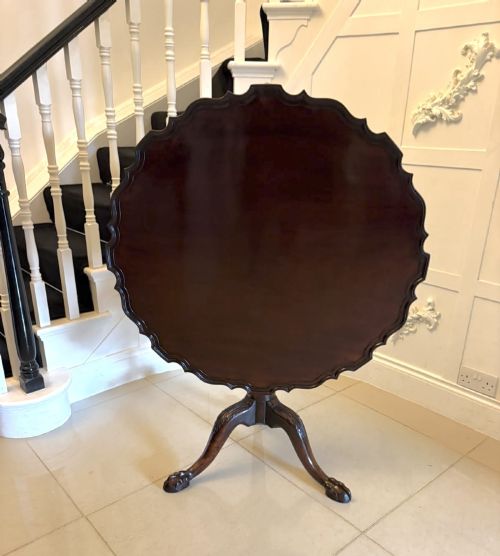
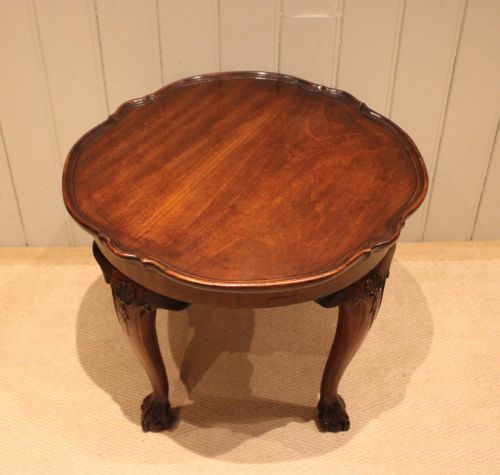
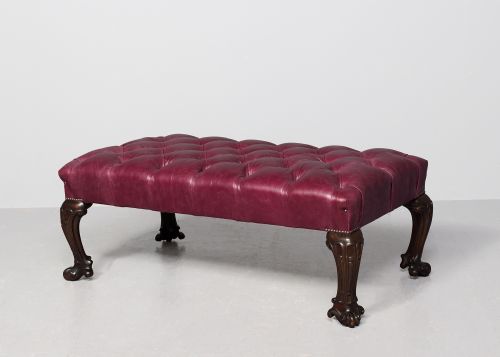
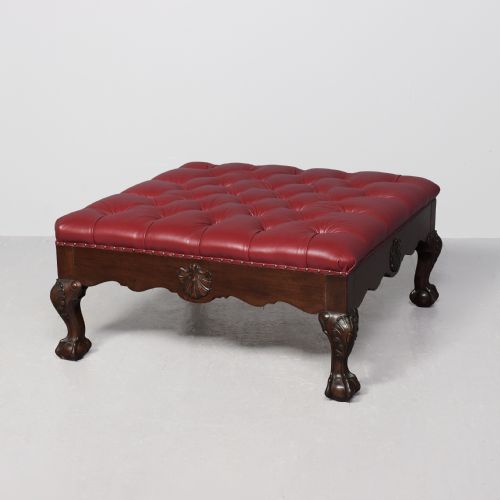
A mahogany claw and ball table brings substantial timber and carved grip feet into a room, spanning periods from George II origins to Edwardian revivals.

Mahogany Claw and Ball Table
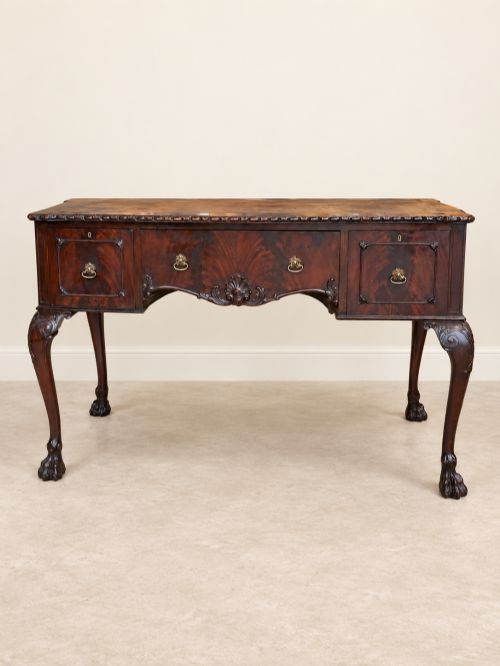
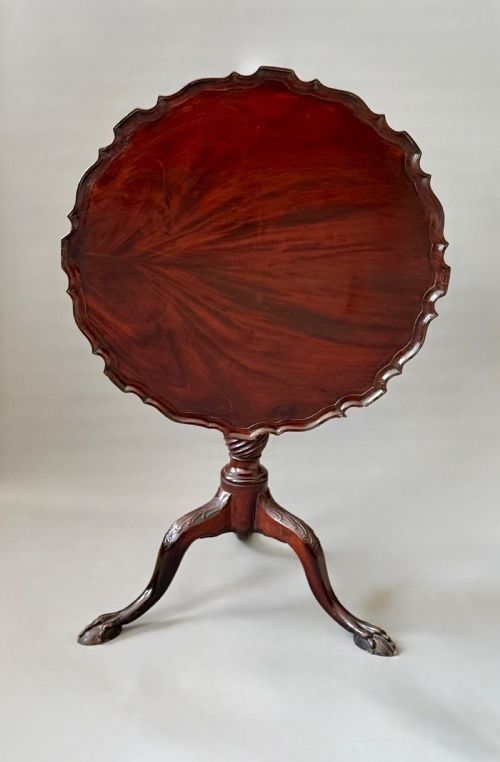
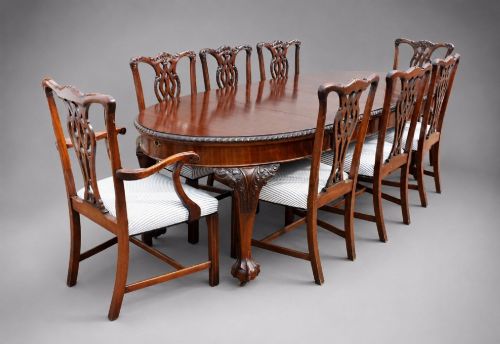
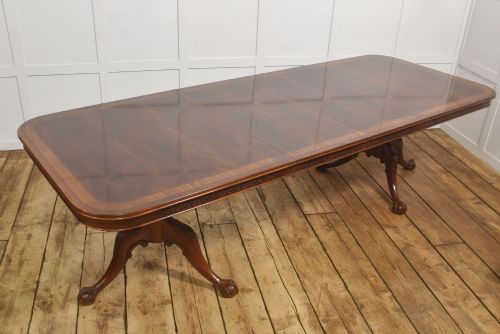
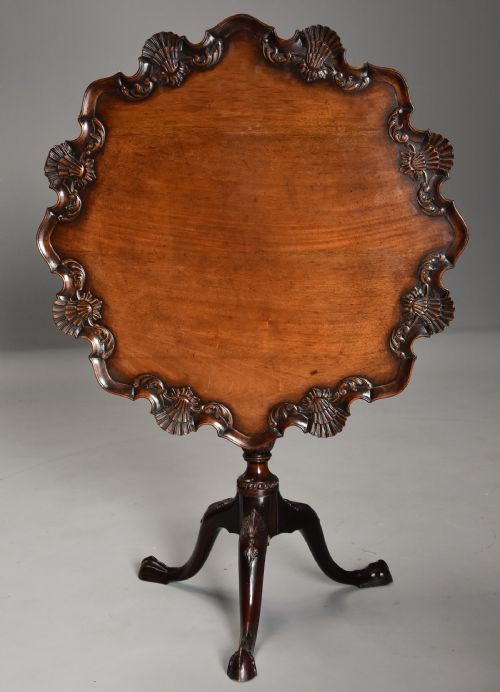
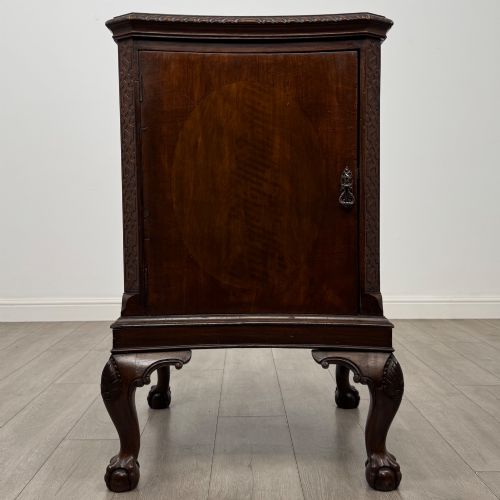
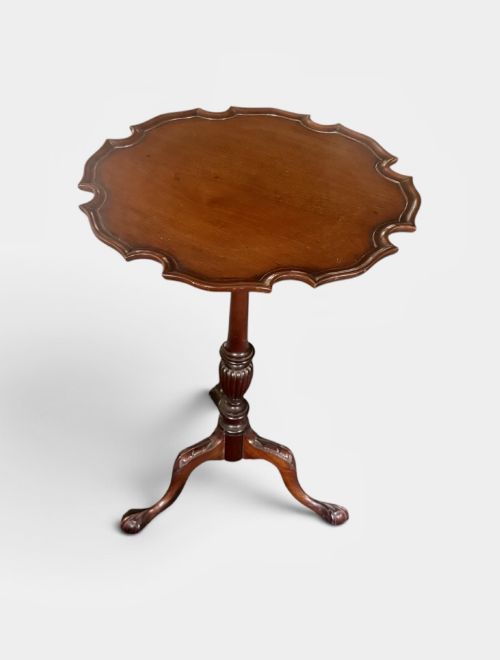
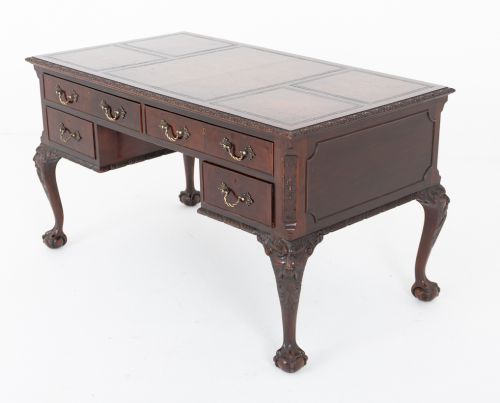
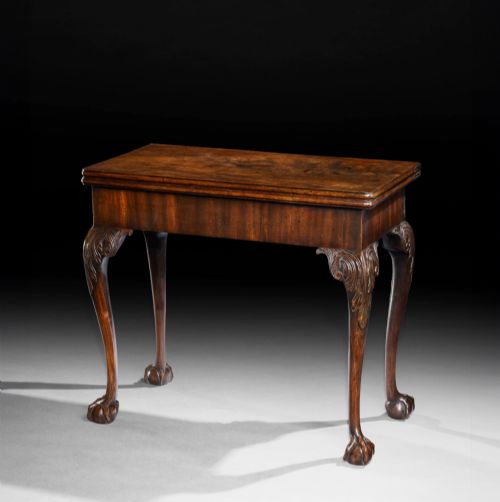
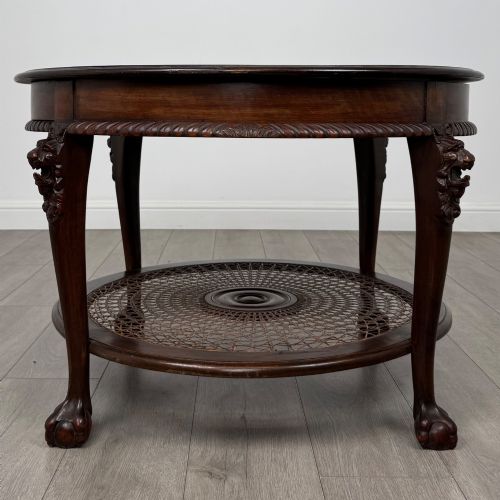
A mahogany claw and ball table encompasses forms ranging from tripod wine tables and pie crust tilt-top pieces to card tables, writing desks, and large extending dining tables. The phrase draws together genuine 18th-century pieces alongside later 19th-century Victorian works and Edwardian revivals.
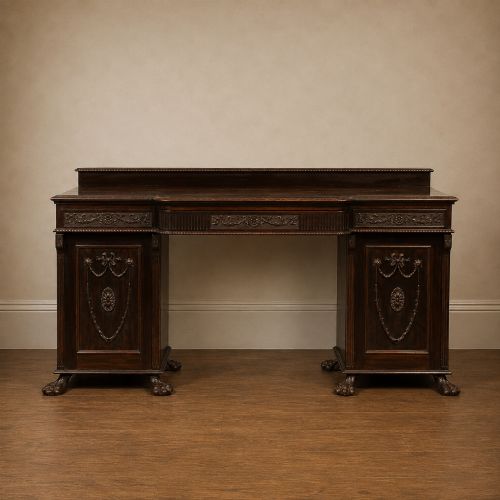
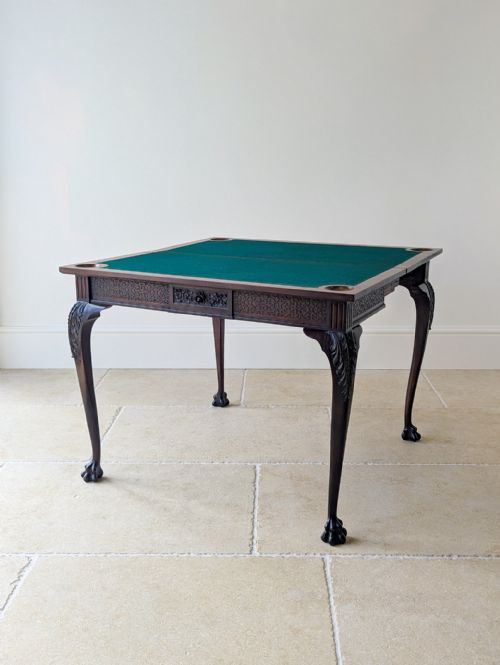
Buyers encounter frequent variations in function, including concertina action card tables, console tables, and pedestal desks resting upon cabriole legs. The heavier dining tables and smaller tripod variants both rely on the signature carved foot gripping a sphere.
The selection bridges original Georgian craftsmanship and the later Chippendale revival periods of the early 20th century. Each era brings distinct proportions and timber figuring to the same foundational foot design.
What varies in quality
Quality rests upon the crispness of the claw carving and the depth of the timber's original patina rather than mere decorative flourish. Sharp talons and well-proportioned knuckle joints separate superior carved legs from softer, later machine-cut reproductions.
Construction methods dictate durability, seen in the smooth operation of concertina folding mechanisms on card tables and the stability of tilt-top pedestals. The selection of figured mahogany veneer on tabletops further separates standard utilitarian furniture from exceptional cabinet work.
Listings feature mahogany claw and ball tables spanning from the 18th century through Victorian and Edwardian revival periods.
James Shoolbred & Co·Gillows
The Mahogany Claw and Ball Table Glossary
- Cabriole leg
- A furniture leg that curves outward in an arc and tapers inward toward the foot, mimicking animal limb shapes. This form provides structural strength without heavy rectilinear bracing.
- Pie crust rim
- A raised, scalloped tabletop edge carved directly from the solid timber or moulded to resemble pastry work. It frequently appears on 18th-century and revival tripod tables.
- Concertina action
- An expanding table frame mechanism that opens accordion-style to support fold-over leaves. It allows card tables to double their surface area evenly.
- Tilt top
- A tabletop mounted on a pivot mechanism that locks horizontally or tips vertically for storage against a wall. This feature is common on circular tripod tables.
- Patina
- The surface sheen and colour developed by aged wood through handling, waxing, and exposure to light over generations. Original patina indicates untouched historical surfaces.
Mahogany Claw and Ball Table: Frequently Asked Questions
How do I spot an 18th-century piece?
Eighteenth-century examples display dense, heavy mahogany with deep natural patina and hand-cut joinery marks beneath the frame. The carving on the claw and ball feet tends to show sharper anatomical detail and crisper knuckle definition.
Later revival pieces from the Edwardian era often feature brighter, more uniform factory finishes and standardised internal hardware that differs from Georgian construction methods.
How were card tables used?
Card tables remained folded against parlour walls when not in use, serving as side or console tables. During evenings, the hinged top unfolded to reveal a baize or leather playing surface for games.
Concertina frames expanded during play to support the opened leaf securely without putting undue strain on the cabriole legs.
Are tripod tables stable?
Tripod tables rely on three splayed legs to maintain firm contact with uneven floorboards without rocking. The weight of the solid mahogany top balances the central pillar.
Tilt mechanisms require a secure brass catch beneath the block to prevent accidental movement while the table is in horizontal use.
How should I maintain the timber?
Maintain mahogany surfaces by applying natural beeswax sparingly and buffing with a soft cloth to protect the grain. Avoid placing these tables near direct heat sources or strong sunlight to prevent timber shrinkage.
Leather and baize inserts on desks and games tables require dry cleaning methods rather than liquid polishes to preserve the textile fibres.