



Georgian Mahogany Silver Table
A georgian mahogany silver table offers a refined surface designed for the display or serving of silver, bringing 18th-century elegance to a modern interior.

Georgian Mahogany Silver Table
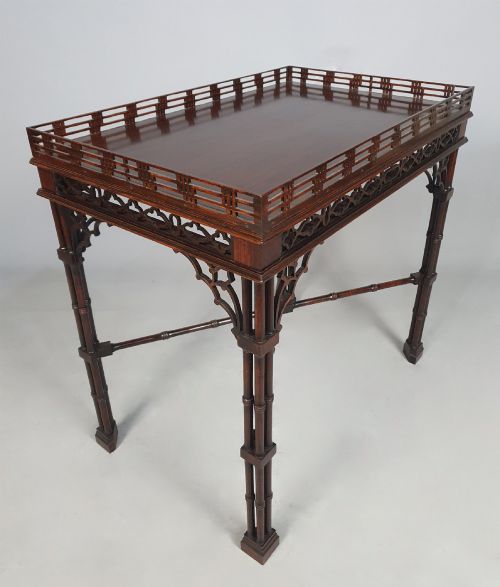
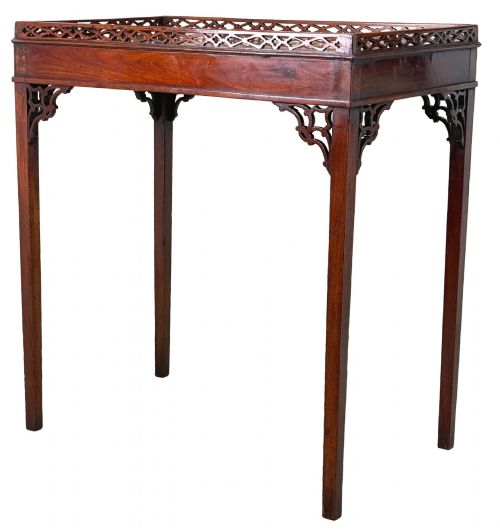
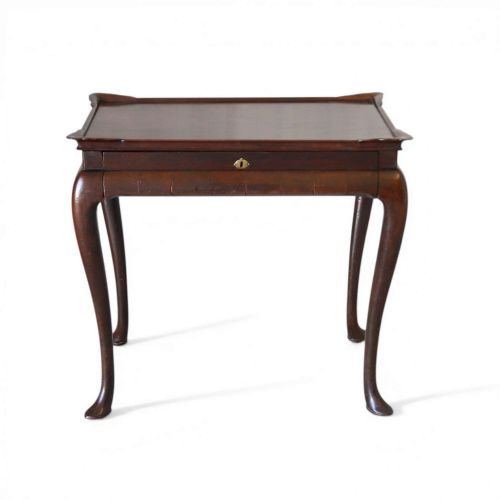
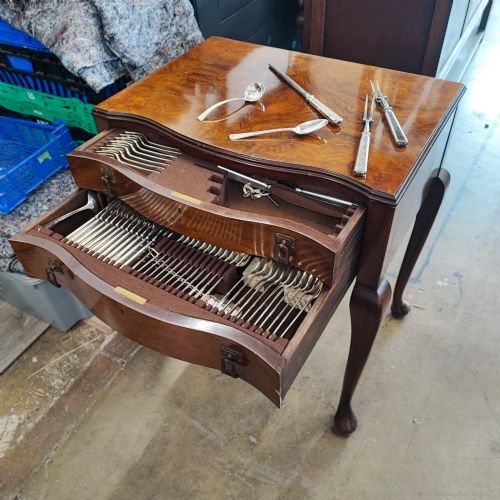
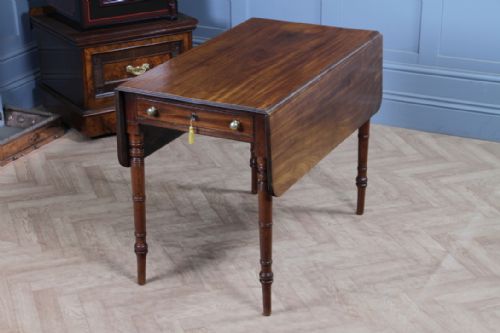
A georgian mahogany silver table is a specialised form of antique furniture created during the 18th century and subsequent revival periods. These tables typically feature raised gallery edges or tray tops designed to hold silver items securely.
The selections on this page span genuine Georgian periods as well as later 19th-century and Edwardian interpretations. Forms range from central standing display tables to occasional side tables and Irish variations.
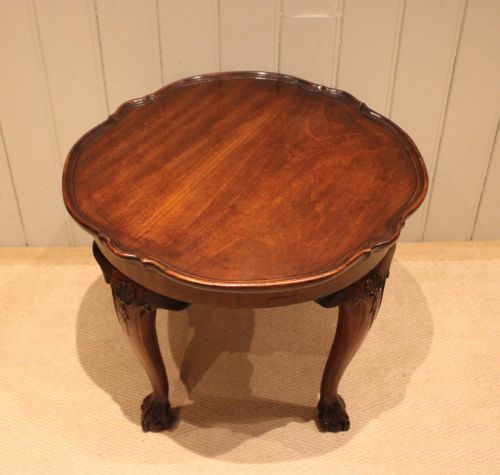
Makers and craftsmen of the period utilised dense timbers such as Cuban mahogany, frequently incorporating cabriole legs, fretwork details, or carved Chippendale mannerisms. The resulting forms serve as both practical presentation surfaces and decorative focal points.
How they were made
Makers constructed these tables primarily from solid mahogany and figured veneers, occasionally incorporating secondary timbers and brass mounts. Cuban mahogany provided a dense, heavy substrate capable of holding crisp carved details.
Joinery techniques included mortise and tenon frames, dovetailed drawers, and pegged joints designed to withstand heavy use. Carved elements such as ball and claw feet or tracery fretwork required skilled hand-tool work by specialist cabinet makers.
Some tables likely witnessed centuries of spilled tea and polished silverware before finding a quiet retirement on the internet.
What varies in quality
Quality rests upon the crispness of the timber carving and the choice of mahogany figure. Tables featuring deeply carved cabriole legs, pierced galleries, and dense grain patterns represent the upper tier of cabinet making.
Originality of components and surface patination dictate desirability among collectors. Examples retaining their untouched timber surfaces and period fittings command greater appreciation than those with extensive later alterations.
William Gard·Mappin & Webb·Elkington & Co·Walker & Hall·John & Thomas Settle·John Ellicott·Vulliamy
The Georgian Mahogany Silver Table Glossary
- Cuban mahogany
- A dense, heavy variety of timber sourced from the Caribbean, prized for its rich colour and ability to take fine carving. It was widely used in high-status 18th-century cabinet making.
- Tray top
- A tabletop finished with a raised moulded rim or gallery designed to prevent items from sliding off. This feature is particularly common on silver presentation tables.
- Cabriole leg
- A furniture leg that curves out in an arc and tapers inward, typically terminating in a claw and ball or pad foot. It originates from classical forms and defines many mid-century designs.
- Fretwork
- Openwork ornamentation carved or pierced from a thin sheet of wood in geometric or interlaced patterns. It frequently decorates the friezes and legs of Chippendale period pieces.
- Single fusee
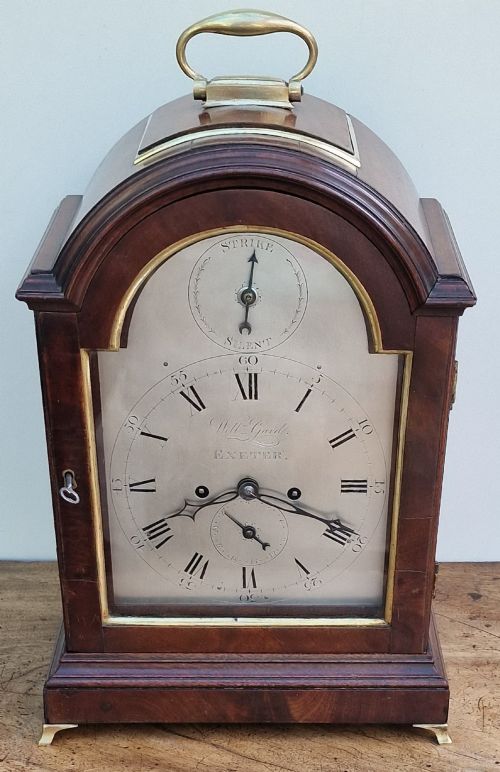
- A mechanical clock movement featuring a conical pulley and chain that equalises the driving force of the mainspring as it unwinds. This mechanism ensures more accurate timekeeping.
Georgian Mahogany Silver Table: Frequently Asked Questions
What is a georgian mahogany silver table used for?
These tables were originally manufactured to display decorative silver items, serve tea, or hold presentation pieces in formal rooms. In modern interiors, they function as elegant side tables, lamp tables, or hallway display consoles.
The raised gallery edges make them suitable for holding collections of small objects safely while adding architectural interest to a room scheme.
How do I identify a true period piece?
Examining the timber construction, tool marks, and cabinet making techniques helps distinguish 18th-century originals from later revivals. Genuine pieces display timber shrinkage, period secondary woods, and hand-cut joinery rather than modern fixings.
Looking closely at the quality of the carving and the depth of the mahogany patination also provides clear indicators of age and origin.
Are these tables sturdy enough for daily use?
Most antique silver tables are structurally sound and capable of supporting everyday items such as lamps, books, or decorative objects. Their solid mahogany frames and traditional joinery were built to endure centuries of domestic life.
Placing them away from direct heat sources and extreme humidity preserves the timber and prevents the joints from drying out over time.