




Antique Irish Silver Table
These antique irish silver table pieces combine Dublin craftsmanship with fine mahogany and solid sterling silver, offering a striking centrepiece for any traditional interior.

Antique Irish Silver Table
An antique irish silver table encompasses both solid mahogany furniture designed to hold silver and the various forms of silverware produced across the eighteenth and nineteenth centuries. Buyers searching this category frequently encounter eighteenth-century mahogany examples alongside George II and George III serving tables and occasional tables.
The evidence demonstrates a clear split between large mahogany tables from the Georgian period and smaller decorative items such as dish rings, sugar bowls, and flatware. Eighteenth-century furniture pieces often feature carved mahogany timber, whilst the associated tableware spans George II, George III, and William IV styles in sterling silver.
Dublin workshops dominate the provenance of these objects, running from the mid-eighteenth century through the Edwardian era. Surviving pieces range from substantial side tables down to specific utensils like fish slices, basting spoons, and strainer spoons.
Materials and construction methods
Cabinetmakers utilised solid mahogany to construct the frames of these tables, often applying intricate carving to the legs and edges during the Georgian era. The timber selection prioritised dense grain and rich natural colour, which developed a deep patina over centuries of use.
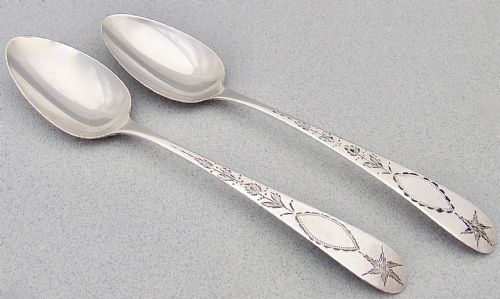
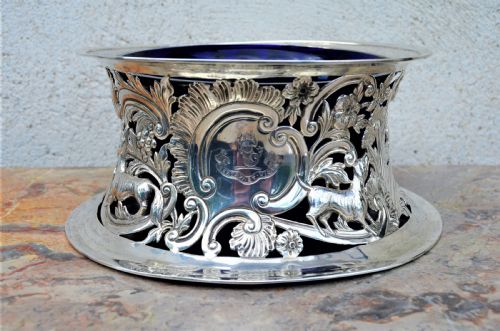
Silversmiths worked in sterling silver to produce hollowware and flatware, employing techniques such as hammering, casting, and piercing. Dish rings and sugar bowls display pierced scrolling decoration, whilst spoons and fish slices utilise traditional handle patterns like fiddle and Celtic point.
Some nineteenth-century makers evidently decided that ordinary fish required dedicated silver engineering.
Distinguishing quality in craftsmanship
The refinement of the carved detail upon the mahogany frames sets the finest furniture apart from simpler iterations. Crisp, deep relief work on table legs and borders indicates superior workshop output during the Georgian period.
In the silverware, the weight of the metal and the precision of the piercing dictate overall quality. Heavier gauge sterling silver and well-defined Dublin hallmarks provide clear markers of superior manufacture.
John Pittar·John Locker
The Antique Irish Silver Table Glossary
- Sterling silver
- A silver alloy containing ninety-two point five percent silver by mass, standard for British and Irish plate. This material provides the necessary durability for tableware and decorative items.
- Dish ring
- A spool-shaped stand placed on the dining surface to support hot bowls and dishes. Dublin makers produced notable examples featuring pierced rococo decoration.
- Fiddle pattern
- A flatware design featuring a narrow stem that broadens into a shoulder near the top and terminates in a distinct outward curve. This style appears frequently on nineteenth-century pieces.
- Mahogany
- A durable tropical hardwood imported for high-end furniture production. Eighteenth-century craftsmen valued this timber for its stable working properties and dark red-brown tone.
- Georgian
- The stylistic period spanning the reigns of the first four Georges, marked by evolving classical and rococo design influences. Cabinetmakers and silversmiths working within this span produced much of the surviving material.
Antique Irish Silver Table: Frequently Asked Questions
What is an Irish silver table?
An antique irish silver table typically refers to an eighteenth-century mahogany piece of furniture designed specifically for displaying or serving silver tea wares and plate. These tables often feature carved wooden frames and date predominantly from the Georgian period.
In some contexts, the phrase also encompasses large silver presentation pieces and dish rings associated with Dublin silversmiths. The exact form varies from occasional tables to side tables made from solid timber.
How do I date a silver table?
Dating relies primarily upon the timber characteristics, leg style, and structural joinery of the mahogany frame. Georgian examples often display specific decorative motifs such as shell carvings or gadrooned edges.
For pieces incorporating silver elements, official Dublin assay marks and maker stamps provide precise years of manufacture. Comparing the stylistic flourishes against known periods like George II or William IV narrows the timeline further.
Where were these pieces made?
Dublin served as the primary centre of production for both the Irish silver tableware and many of the associated mahogany tables. Workshops in the city produced items for domestic patrons and export.
Craftsmen in these urban centres adhered to distinct regional design preferences, particularly in the piercing patterns of dish rings and the shaping of flatware handles. This local character distinguishes Irish work from contemporary English output.
How should I care for mahogany and silver?
Mahogany furniture benefits from occasional application of traditional wax polish to nourish the timber and maintain its natural lustre. Avoid placing wooden pieces in direct sunlight or near heat sources to prevent warping.
Sterling silver requires gentle cleaning with specialised non-abrasive polishes to remove tarnish without harming the underlying metal or hallmarks. Regular dusting preserves the intricate detail on pierced dish rings and cast spoons.