
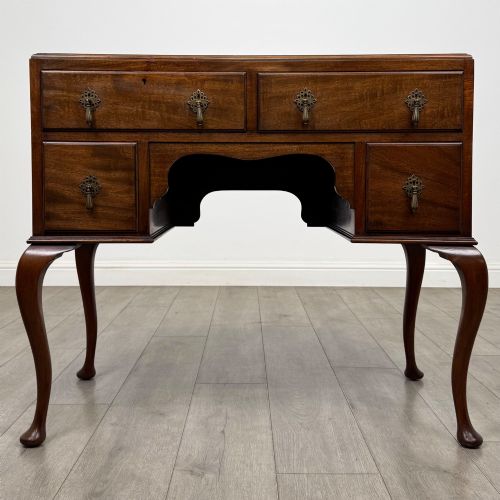
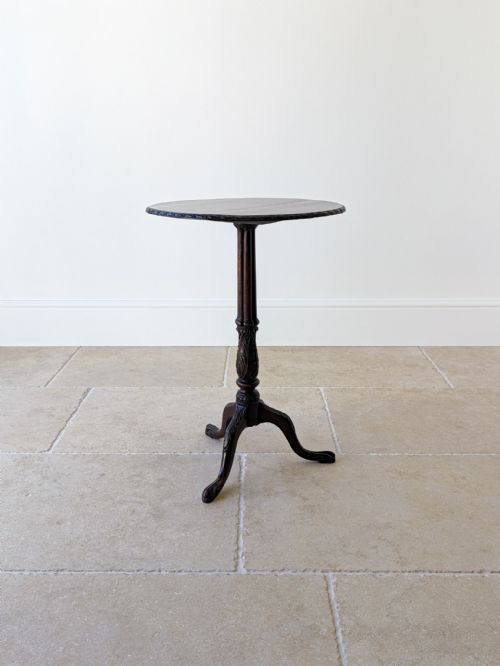
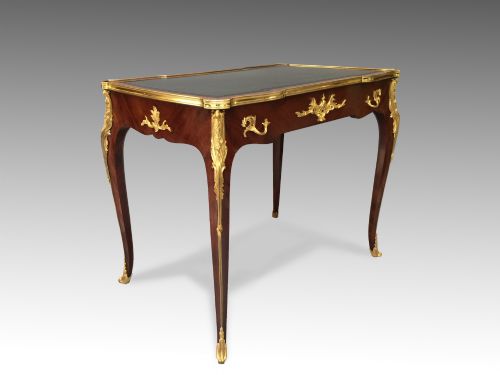
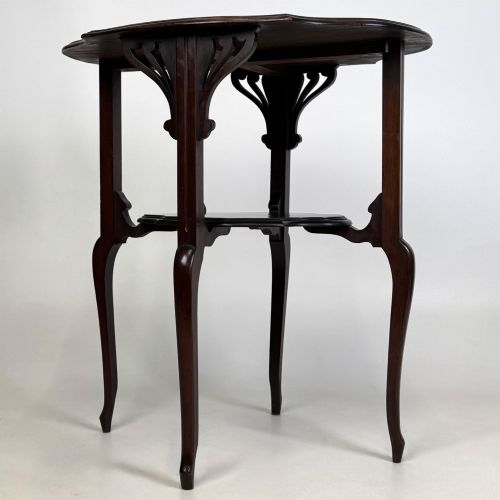
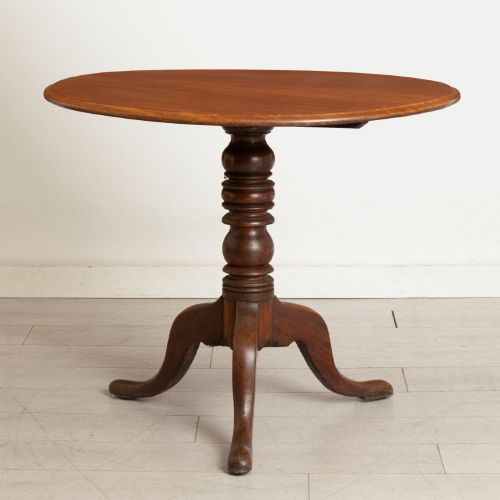
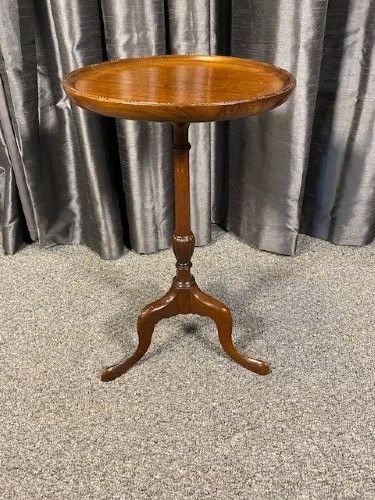
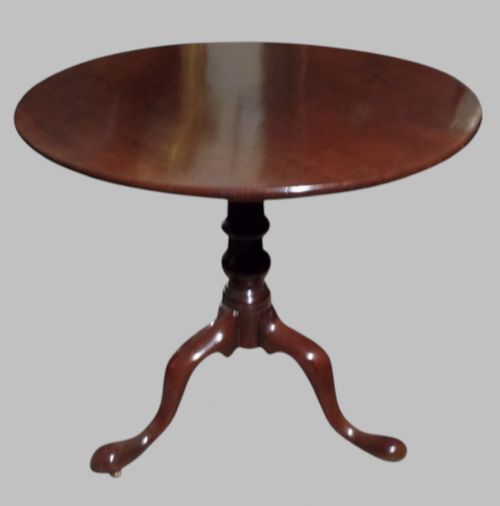
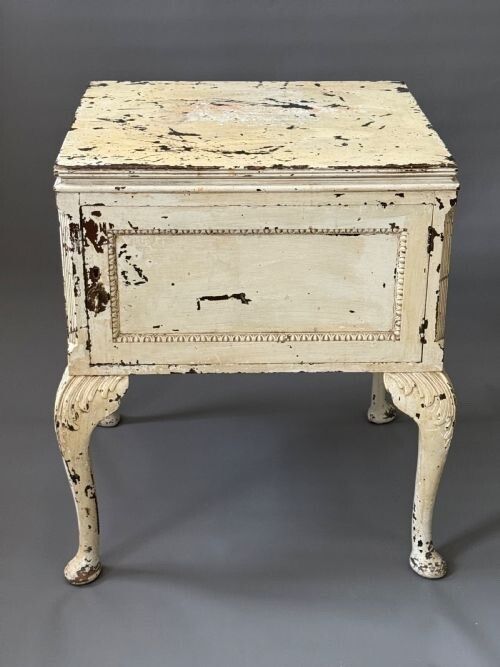
Mahogany Cabriole Leg Table
A mahogany cabriole leg table brings centuries of refined timber craft and sculptural curve into any room.
Mahogany Cabriole Leg Table
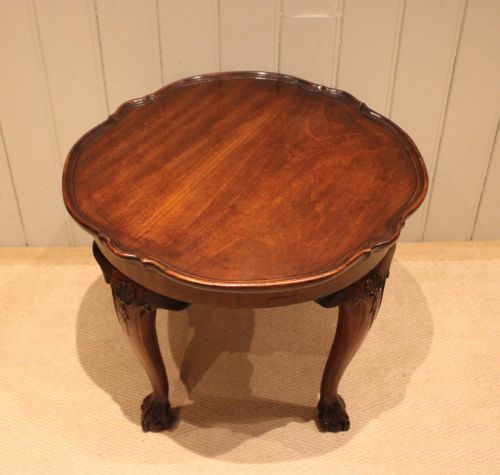
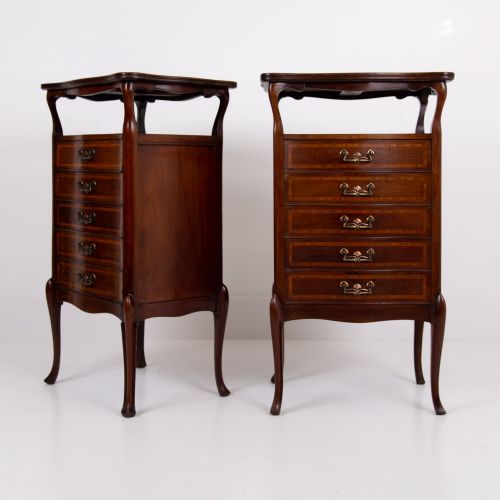
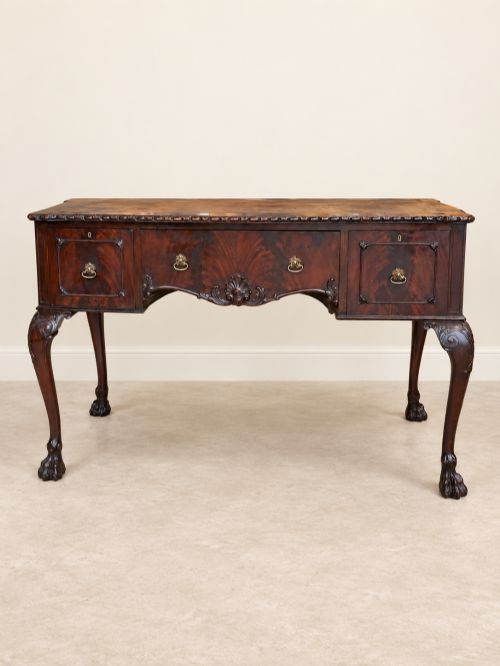
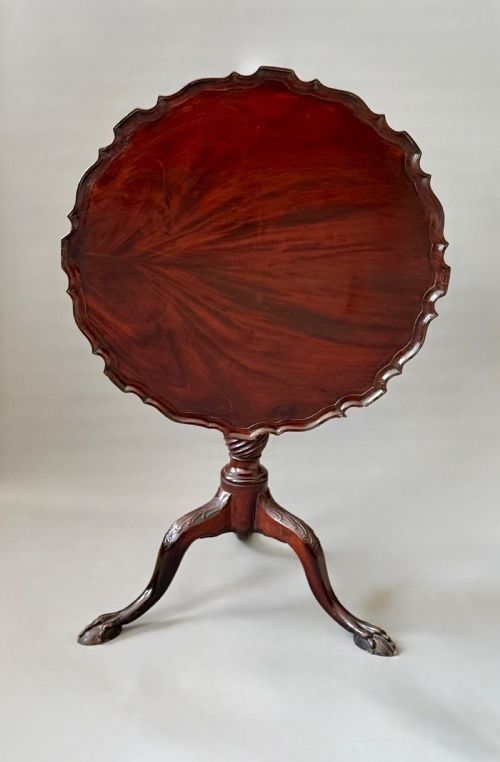
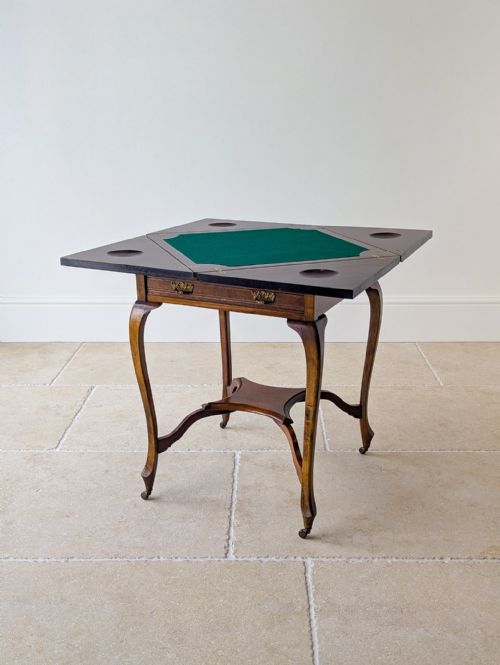
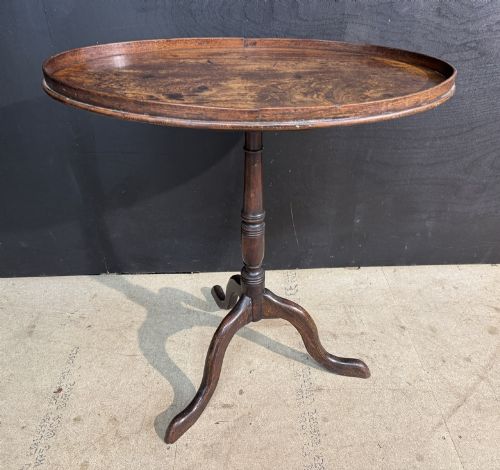
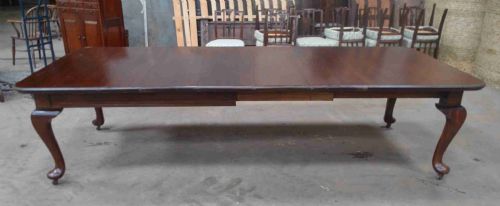
A mahogany cabriole leg table encompasses a diverse range of forms spanning from the eighteenth century through to the Edwardian era and 1930. These pieces primarily function as card tables, wine tables, console tables, and writing tables, utilising the distinctive curving leg shape that swells at the knee and tapers to a foot.
The pieces appearing most frequently across these listings bridge formal Georgian dining and games rooms with lighter Edwardian occasional furniture. Buyers will encounter both authentic period items from the 18th Century and Victorian eras alongside later revivals in the Chippendale style.
From small tripod wine tables to larger foldover games and console tables, these furnishings demonstrate the enduring popularity of dark tropical timber combined with rhythmic, flowing structural supports. Each variant serves a distinct domestic purpose, whether for serving, writing, or display.
How they were made
Makers utilised dense mahogany timbers, occasionally incorporating flame mahogany, satinwood, and kingwood veneers to create rich surface depth and grain movement. Structural framing often integrated secondary woods, while specialised surfaces featured tooled leather inserts or baize linings for writing and card play.
Craftsmen shaped the characteristic cabriole legs directly from solid timber blocks, frequently carving details such as knees and feet by hand. Additional hardware such as brass handles, hinges, and ormolu mounts completed the construction of drawers, tilt-top mechanisms, and concertina actions.
Mahogany Cabriole Leg Table Retail Price Guide 2026
Typical asking prices for mahogany cabriole leg table among the pieces listed under this phrase on Sellingantiques today, from the lower quarter to the upper quarter. They describe what is for sale here now, not the wider market.
Some wine tables arrive with completely detachable tops, ready for swift removal when the port ran dry.
What varies in quality
The distinction between standard domestic furniture and the finest items rests upon the crispness of carved details on the knees and feet of the cabriole supports. Superior examples exhibit confident proportions, balanced flowing lines, and intelligent timber selection where grain patterns are matched symmetrically across top surfaces.
Execution of complex mechanical elements, such as concertina actions on card tables or tilt-top locking mechanisms, demonstrates the level of workshop skill involved. Heavy brass mounts, finely tooled leather, and intact original structural components further elevate the standing of individual pieces.
François Linke·Edwards and Roberts·Giles Grendey
The Mahogany Cabriole Leg Table Glossary
- Cabriole leg
- A furniture leg that curves out at the knee and tapers inward toward the foot, inspired originally by animal limbs. This form became a defining feature of 18th-century design.
- Tilt-top table
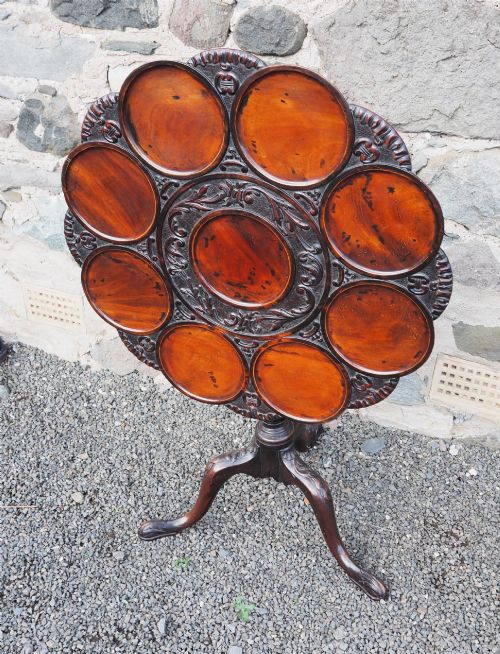
- A table featuring a mechanism that allows the top surface to pivot vertically for storage against a wall when not in use. These often stand on tripod bases with cabriole supports.
- Pie crust edge
- A raised, decoratively carved wooden rim along the perimeter of a tabletop, typically resembling pastry work. This detail is frequently found on tripod wine and occasional tables.
- Concertina action
- An expanding frame mechanism used on foldover card tables that extends outward equally on all sides to support the open top. It allows the rear legs to move away from the centre when unfolded.
- Pad foot
- A simple, rounded foot at the base of a cabriole leg that rests flat on the floor without intricate carving. It provides a clean, understated termination to the curving support.
Mahogany Cabriole Leg Table: Frequently Asked Questions
What is a pie crust table used for?
These small tripod tables were designed for serving wine, tea, or holding decorative items in formal reception rooms during the eighteenth century.
The raised carved rim prevented cups or glassware from sliding off the polished mahogany surface when tilted or moved.
How can I tell an 18th century table from a revival piece?
Eighteenth-century originals display hand-cut joinery, timber shrinkage appropriate to age, and subtle asymmetries in the carving of the cabriole legs.
Revival pieces from the Edwardian period or later often show machine-standardised joints and uniform surface patination across the mahogany structure.
Where should I place a console table?
Console tables sit flush against a wall in hallways, living rooms, or dining spaces, frequently positioned beneath a mirror or artwork.
Their shallow depth makes them ideal for displaying objects without obstructing household traffic flow.