
Mahogany Cabinet on Legs
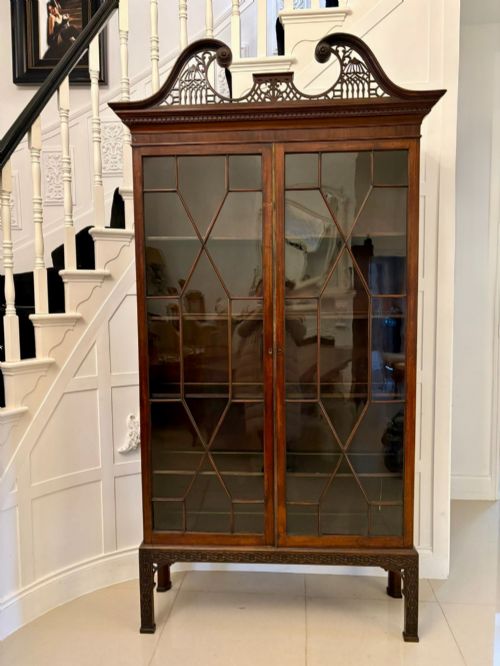
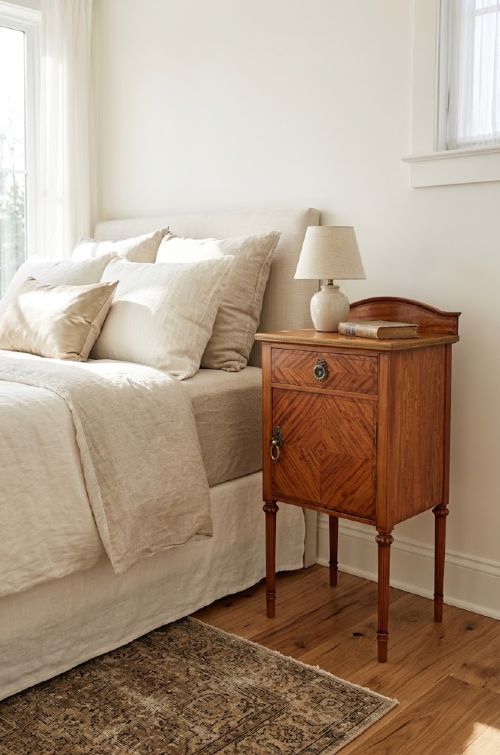
A mahogany cabinet on legs brings timber warmth and raised elevation to a room, offering practical storage or display atop sturdy supports.
Mahogany Cabinet on Legs
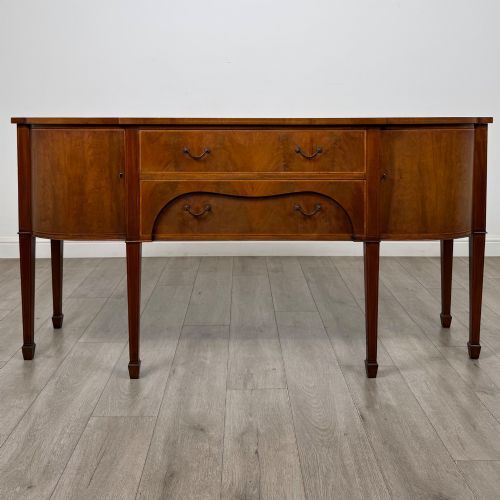
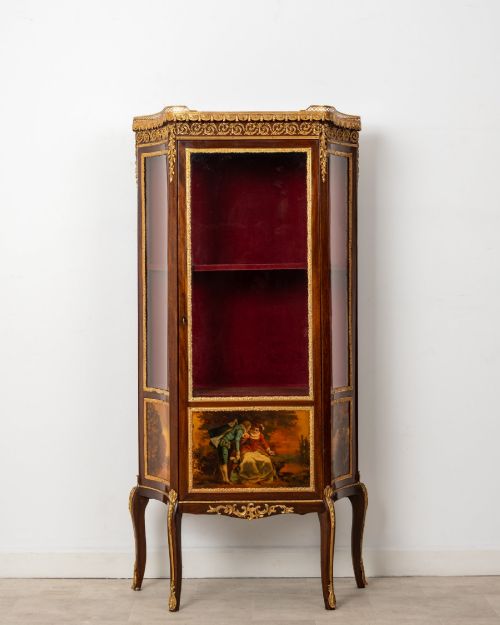
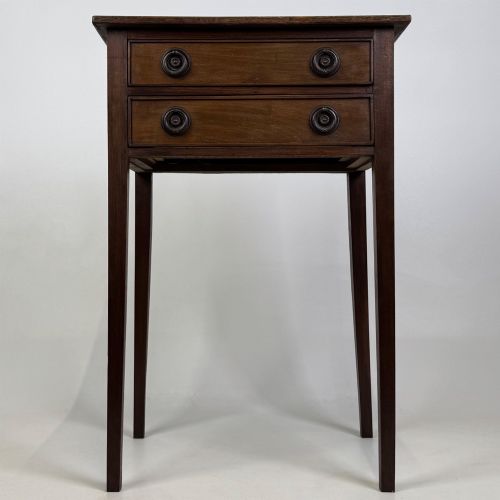
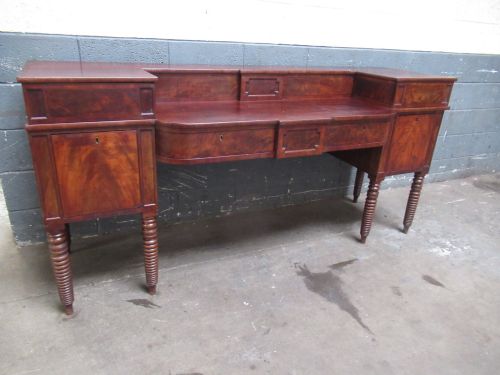
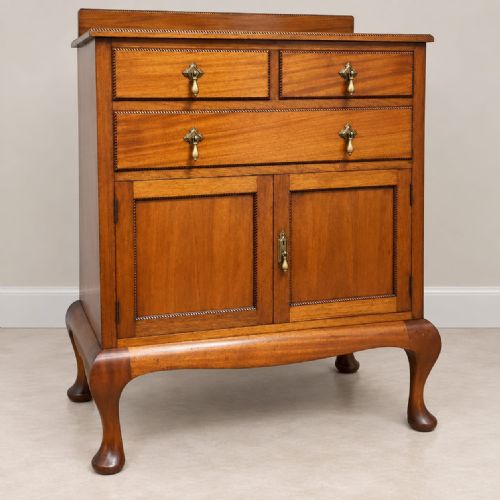
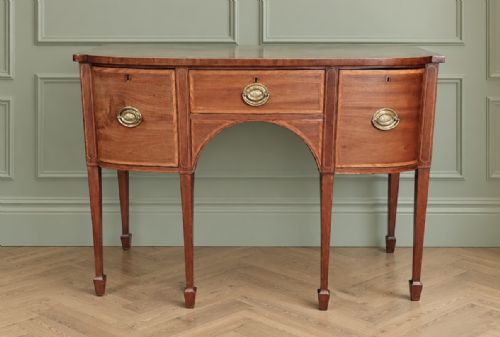
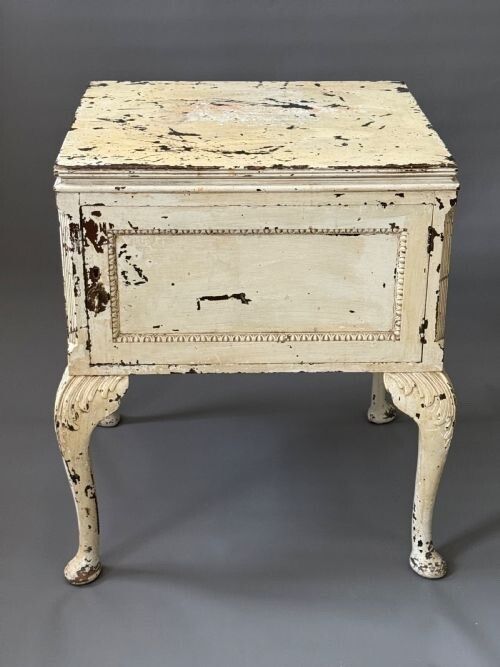
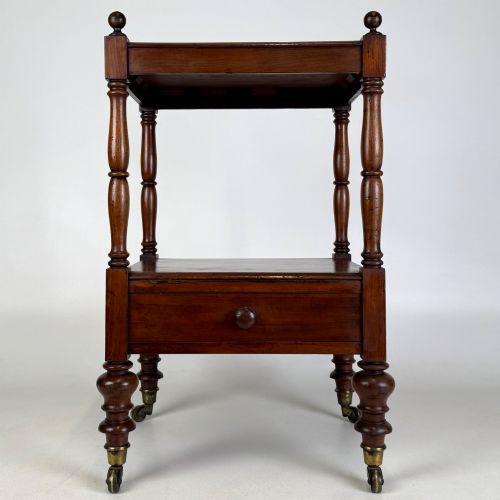
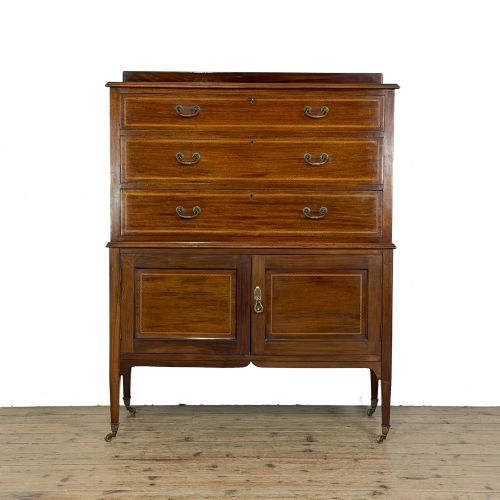
When searching for a mahogany cabinet on legs, buyers encounter a diverse group of raised timber furniture spanning the 18th, 19th, and early 20th centuries. These pieces encompass Georgian and Victorian sideboards, Edwardian display cabinets, tallboys, and bedside cupboards elevated on distinct supports.
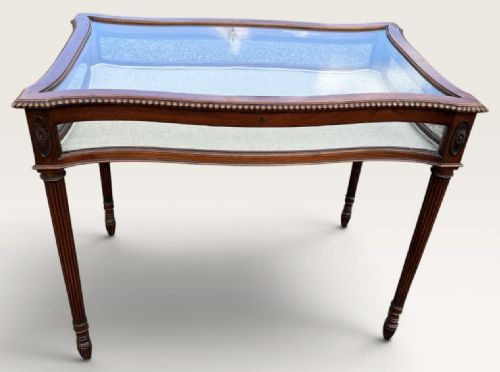
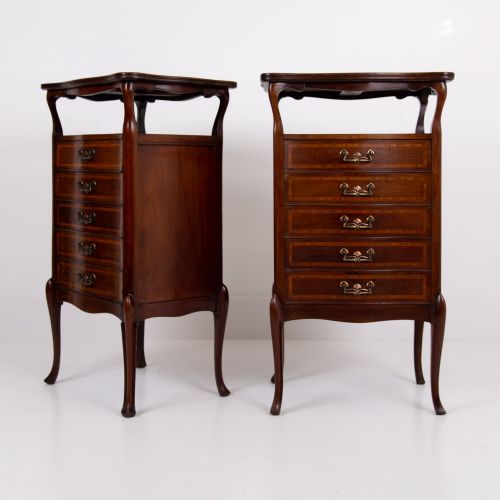
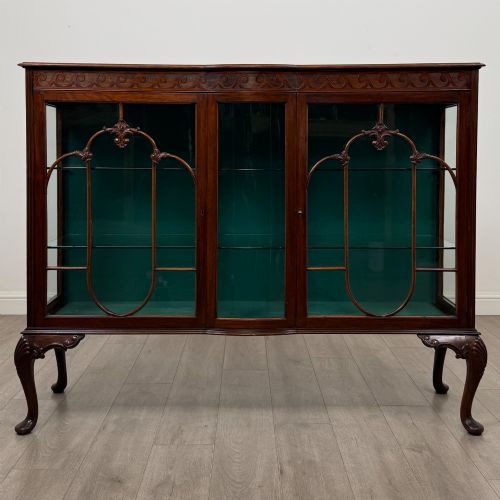
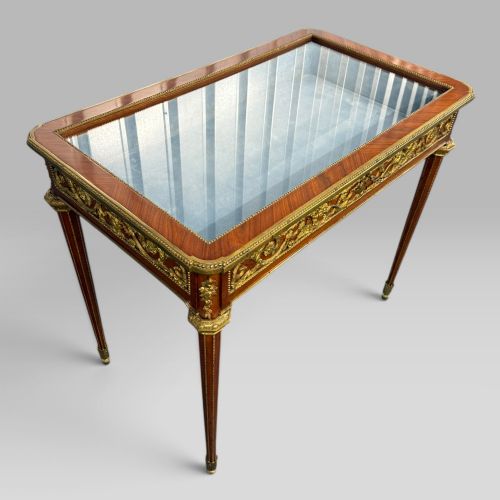
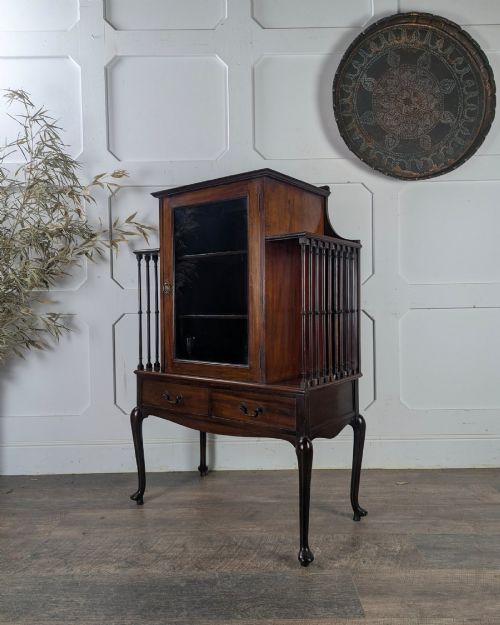
The most common versions met on this page are Edwardian and 1920s display cabinets or side tables raised on slender cabriole or tapered legs. These pieces reflect revival styles, combining dark mahogany timber with glass panels, brass mounts, or inlaid satinwood details designed for domestic storage.
Earlier examples bridge formal proportions with functional elevation, including George III sideboards and 18th-century cabinets on stands. Whether intended for dining rooms, drawing rooms, or bedrooms, each piece uses raised legs to lighten the visual weight of the mahogany carcase.
How they were made
Makers constructed these cabinets using dense mahogany as the primary timber, frequently embellished with satinwood crossbanding, marquetry inlay, or contrasting veneers. Carcases were assembled using traditional joinery, supporting raised forms such as cabriole legs, straight tapered legs, or turned supports.
Surface details incorporate applied metalwork, including brass handles, galleried edges, and ormolu mounts, alongside glass panels for display variants. Interior elements often feature upholstered linings, fabric backings, or fitted shelving tailored to the specific storage purpose of the cabinet.
Some Edwardian display cabinets come with plush upholstered velvet linings inside, proving that even teacups appreciated a soft-backed boudoir.
What varies in quality
The degree of craftsmanship in a mahogany cabinet on legs is visible in the selection of the timber figure and the precision of its secondary veneers. Superior pieces display carefully matched grain patterns and subtle inlay work, such as satinwood crossbanding, that integrate seamlessly into the primary carcase.
Structural refinement distinguishes the construction, particularly in the carving of the legs and the integration of mounts and glass. Cabinets featuring crisp hand-carved details on cabriole supports or solid brass fixtures demonstrate a higher level of workshop execution than simpler production pieces.
François Linke·Maple and Co·Morison and Co
The Mahogany Cabinet on Legs Glossary
- Cabriole leg
- A furniture leg that curves out and then in, resembling the leg of an animal. This form was widely utilised across Edwardian and Georgian revival pieces.
- Cellarette
- A lockable container used for holding bottles of wine or spirits. These are often raised on legs or stands within dining room settings.
- Bijouterie table
- A glass-topped display table designed for showcasing small valuable objects or collections. They frequently feature glazed sides and slender legs.
- Crossbanding
- A narrow strip of veneer applied across the grain of the primary timber to create a decorative border. It is commonly found on Edwardian and Georgian drawer fronts.
- Tallboy
- A tall chest of drawers standing on a base or legs, combining high storage capacity with an elevated silhouette.
Mahogany Cabinet on Legs: Frequently Asked Questions
What is a mahogany cabinet on legs?
A mahogany cabinet on legs is a raised storage or display piece built primarily from mahogany timber and elevated on various support styles. These pieces range from Georgian sideboards to Edwardian display cabinets and bedside tables.
The design lifts the main body of the furniture off the floor, lightening its appearance and adding architectural detail to domestic spaces through cabriole, tapered, or turned legs.
How do I style a cabinet on legs in a modern room?
Integrating a mahogany cabinet on legs into a contemporary interior relies on contrasting its dark timber tones with neutral walls and minimalist surroundings. Use display cabinets to hold glassware or books, allowing the natural grain and raised legs to stand out as focal points.
Smaller bedside or table versions function effectively as functional accent pieces in hallways or living rooms, bringing period character without dominating the floor space.
How can I tell a Georgian piece from an Edwardian revival?
Georgian pieces generally display heavier proportions, hand-cut joinery, and timber patination developed over centuries of use. The construction methods reflect the working practices of 18th and early 19th-century cabinet makers.
Edwardian revival pieces often incorporate machine-sawn elements, lighter internal framing, and styles that imitate earlier Georgian or French Rococo forms, frequently utilising brighter mahogany finishes and satinwood stringing.
Were these cabinets used for dining rooms?
Many of these cabinets, particularly sideboards and cellarettes, were specifically designed for dining room use to store silver, linen, or wine bottles. Their raised construction kept contents away from damp stone floors in older houses.
Smaller variants on legs, such as bedside cupboards and display cabinets, served bedroom and drawing room functions rather than formal dining spaces.