


Luri Wool Carpet
A luri wool carpet brings genuine tribal character into a room through bold patterns and rich, grounded tones.
Luri Wool Carpet
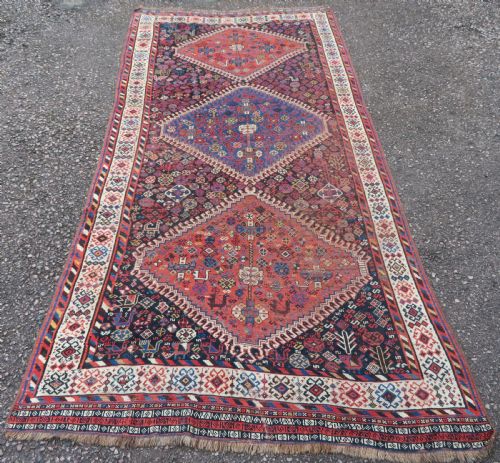
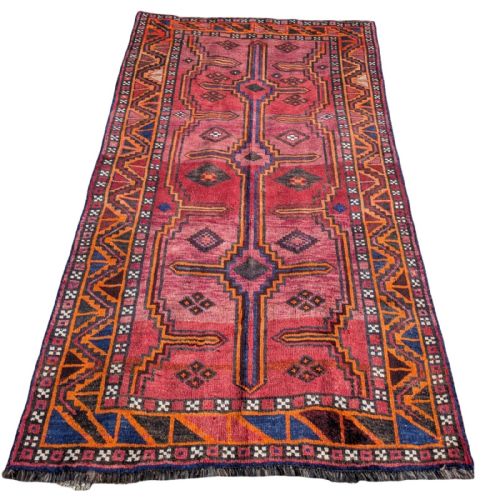
When you search for a luri wool carpet, you encounter tribal textiles originating from the Luristan region of western Persia. These pieces include large carpets, kelleh rugs, room-sized formats, and smaller saddle bag faces or runners.
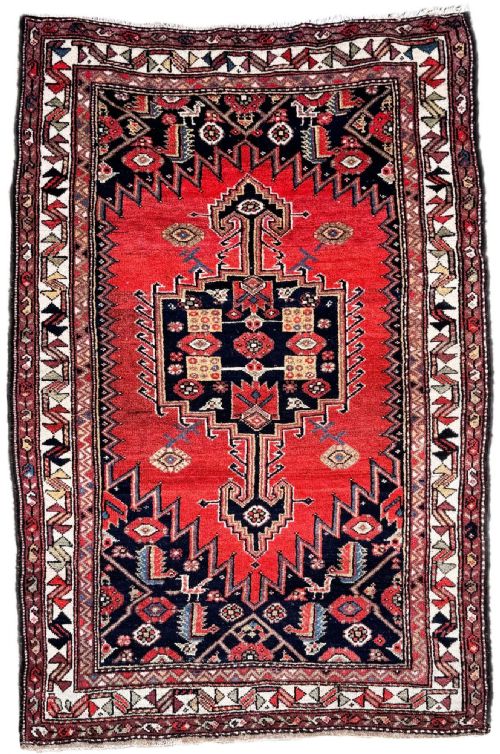
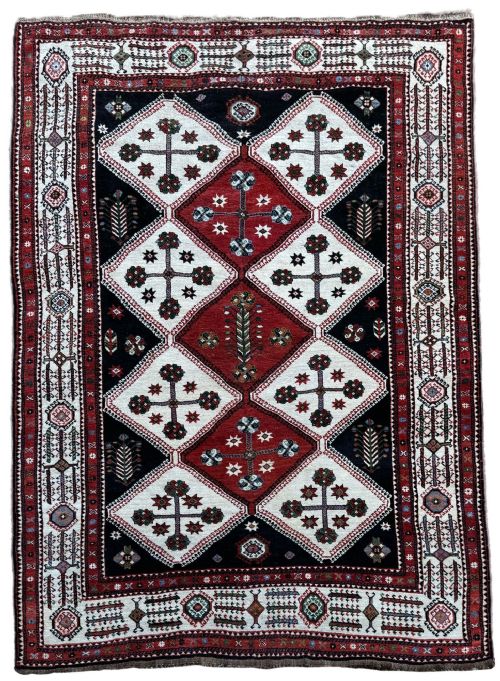
The aesthetic is distinctly tribal and nomadic, often drawing interest alongside Qashqai and Khamseh works. You will find geometric repeats, tree of life motifs, and depictions of birds and flowers woven by the Luri tribe.
The selection ranges from nineteenth-century examples to pieces from the early decades of the twentieth century. These floor coverings bring a rustic quality and heritage craftsmanship into domestic spaces.
How they were made
The construction relies on hand-spun wool, providing a tactile and durable foundation for each rug and carpet. This material is knotted by hand to form dense, resilient floor coverings intended for practical nomadic use.
Makers utilised natural dyes to colour the wool, resulting in rich hues that age gracefully over time. These traditional dyeing methods give the carpets their characteristic depth and earthy palette.
Object types vary from large Persian tribal carpets and kelleh rugs down to narrow runners and saddle bag faces.
What varies in quality
Quality in these tribal textiles depends upon the clarity of the design and the fineness of the weave. Pieces featuring well-defined motifs like birds, flowers, or repeat shields stand apart for their visual impact.
The handling of natural dyes and the integrity of the hand-spun wool dictate the overall character of the weave. Superior examples combine robust structure with expressive, balanced ornamentation.
The Luri Wool Carpet Glossary
- Luristan
- A region in western Persia historically associated with the nomadic Luri tribes. It provides the geographical context for these tribal textiles.
- Kelleh
- A long, rectangular format of carpet traditionally suited to specific room dimensions. This format often displays elaborate tribal field designs.
- Saddle bag face
- The front panel of a utilitarian animal transport bag preserved as a small rug. These pieces concentrate intricate tribal patterns into a compact scale.
- Natural dyes
- Colourants derived from plant and mineral sources rather than synthetic compounds. They yield the characteristic organic palette seen in older Persian weaves.
- Hand-spun wool
- Fleece processed by hand into yarn before weaving. This traditional method produces varied texture and strength in the finished textile.
Luri Wool Carpet: Frequently Asked Questions
Where did luri wool carpets originate?
These pieces originate from the Luri tribes residing in the Luristan region of western Persia. They reflect the nomadic weaving traditions of this mountainous area.
The textile forms range from full-size carpets and narrow runners down to small saddle bag face rugs.
How do I style a tribal carpet at home?
A luri wool carpet works well as a grounding element in rooms needing rustic texture and visual depth. The geometric patterns and natural dye colours complement both traditional and modern interiors.
Keep surrounding furniture simple to let the strong tribal motifs and floral designs remain the focal point.
What motifs appear on these carpets?
Common design elements include repeat shield patterns, tree of life compositions, and stylised birds and flowers. These symbols reflect the heritage and environment of the weavers.
Each rug exhibits distinct tribal characteristics shared with related traditions from the region.
Are these rugs durable for daily use?
The combination of hand-spun wool and dense knotting makes these floor coverings resilient for everyday living. They were originally made by nomads to withstand rigorous practical demands.
Using an appropriate underlay helps protect the natural wool structure over years of foot traffic.