
Low Wooden Stool
A low wooden stool is a practical seat or stand of solid timber, built in various historical periods for everyday domestic tasks.
Low Wooden Stool
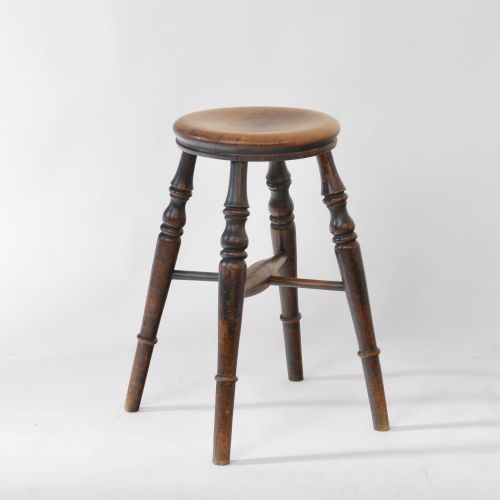
A low wooden stool serves many domestic purposes across different eras, appearing as a footstool, milking stool, joint stool, or fireside seat. Buyers exploring low wooden stool options will encounter diverse regional forms, from English country oak pieces to continental walnut and pine examples.
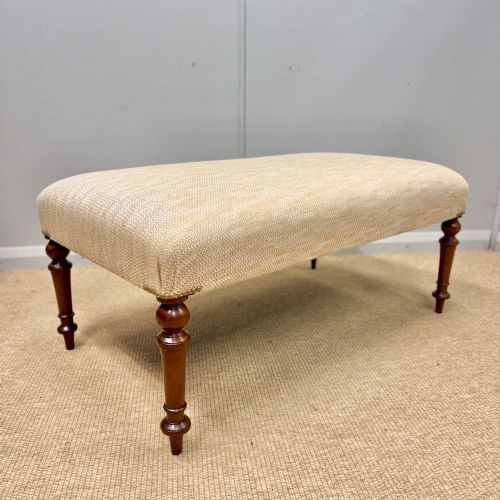
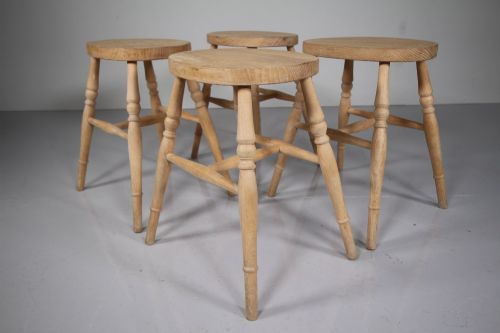
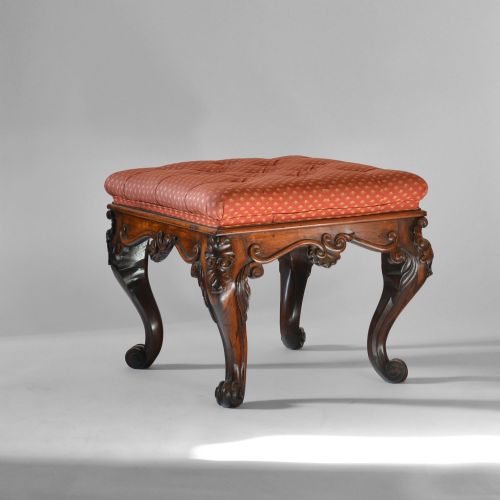
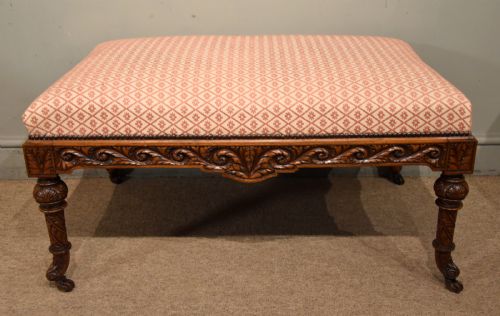
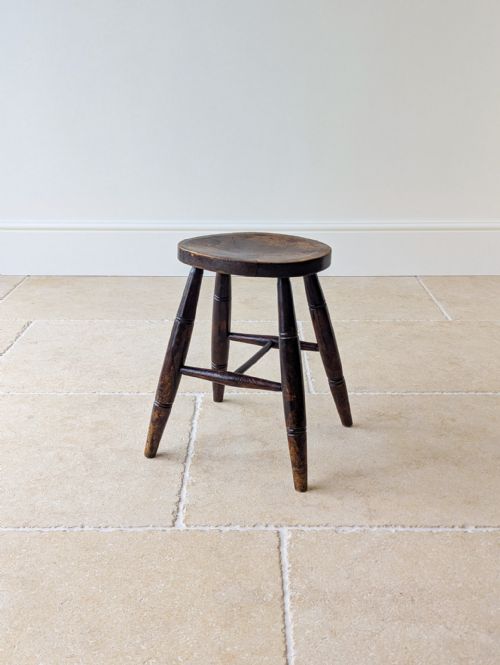
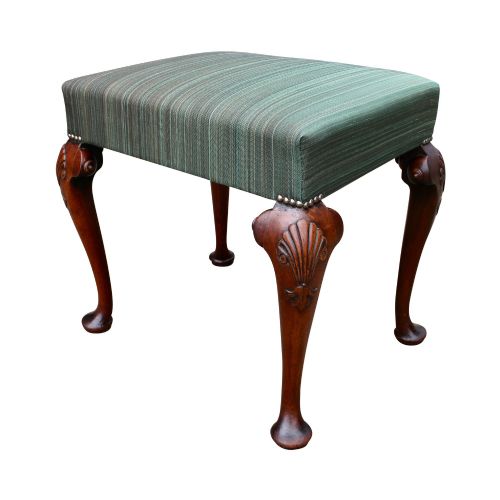
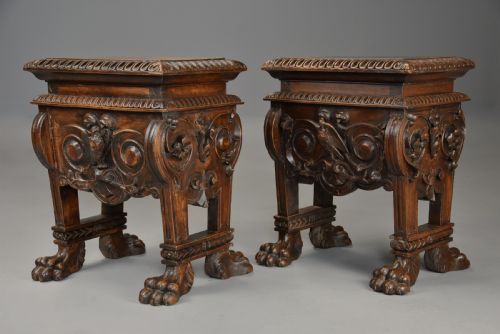
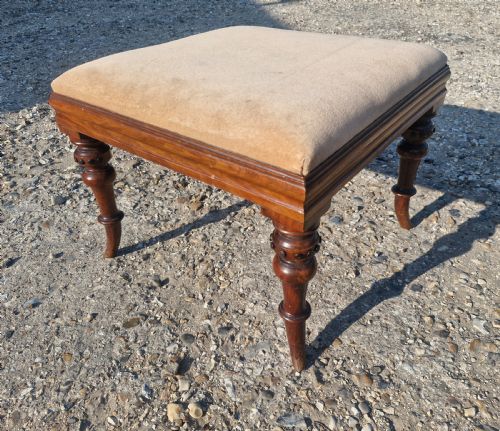
The selection ranges from utilitarian vernacular items like three-legged milking stools with original paint to formal Victorian dressing stools in carved rosewood or mahogany. Simple rustic forms sit alongside refined Georgian designs featuring cabriole legs or upholstered tops.
Materials and Construction
Cabinet makers and vernacular craftsmen relied heavily on indigenous hardwoods such as oak, elm, ash, sycamore, and pine, while finer pieces utilised imported mahogany, walnut, and rosewood. Construction methods varied from traditional pegged joints in heavy joint stools to turned legs and simple tapered supports in everyday rustic items.
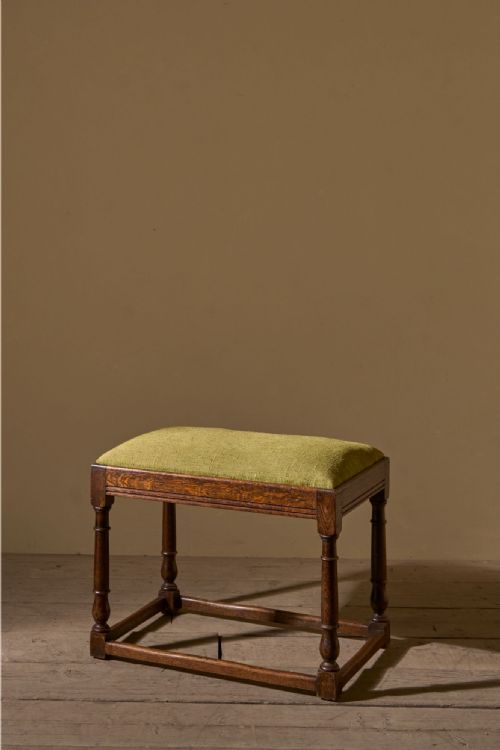
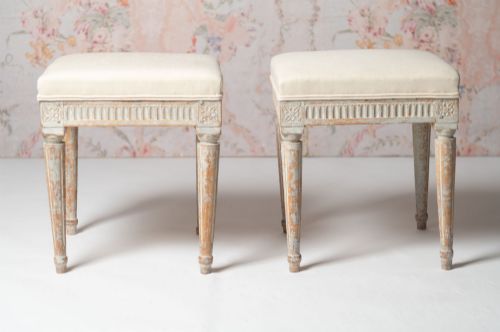
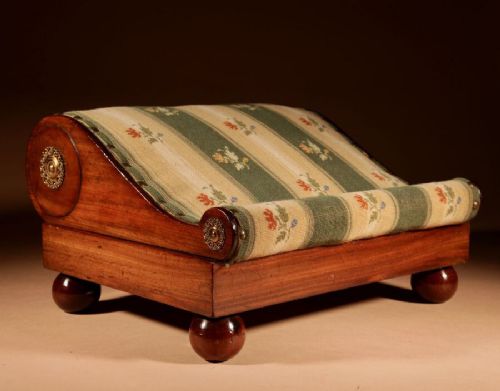
Upholstered variants incorporated traditional padding materials finished in fabrics like green linen, wool, or contemporary coverings. Painted surfaces also appear, preserving original ochre, yellow, or green pigments on certain continental and rustic examples.
Current listings feature pieces spanning the eighteenth, nineteenth, and early twentieth centuries, incorporating oak, mahogany, elm, walnut, and pine.
Craftsmanship and Proportion
Quality rests upon the integrity of the timber and the balance of the proportions, distinguishing robust vernacular work from finer formal seating. Superior examples retain their original structural stability, patination, and uncompromised joinery without excessive modern intervention.
The distinction between a humble utility object and a high-status furnishing lies in the refinement of the turning, the carving on the legs or apron, and the retention of original surface treatments like historic paint or polished timber grain.
The Low Wooden Stool Glossary
- Joint stool
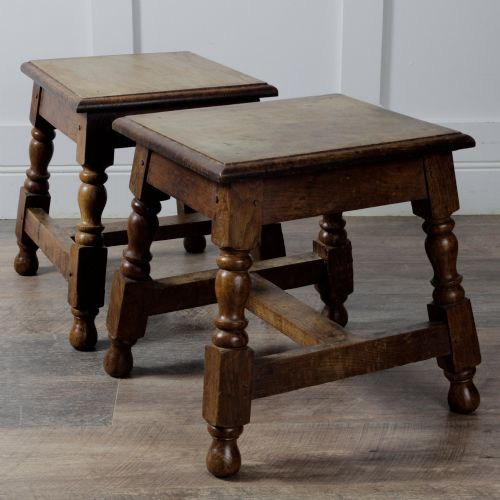
- A solid timber framed seat constructed with pegged mortise and tenon joints rather than turned legs driven into a solid seat slab. These sturdy pieces date frequently from the seventeenth and eighteenth centuries.
- Milking stool
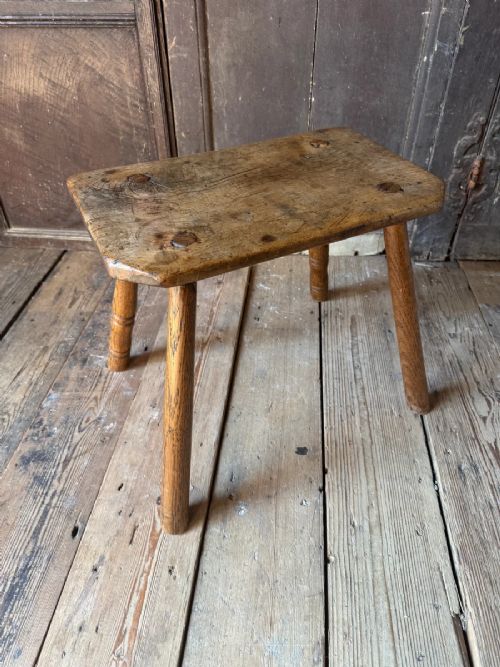
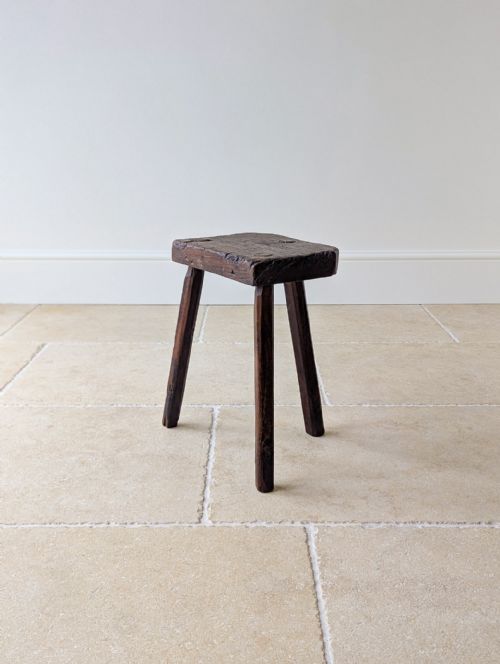
- A small three-legged vernacular seat traditionally used by agricultural workers for milking livestock. They often feature a simple tapered wooden seat and rustic turned or shaved legs.
- Cabriole leg
- A furniture leg that curves outward and then tapers inward, mimicking an animal's leg. This decorative form is commonly found on refined Georgian and Victorian stools.
- Vernacular furniture
- Items made by local craftsmen for everyday practical use rather than following high-style academic designs. These pieces utilise regional timbers and straightforward construction methods.
- Luggage rack
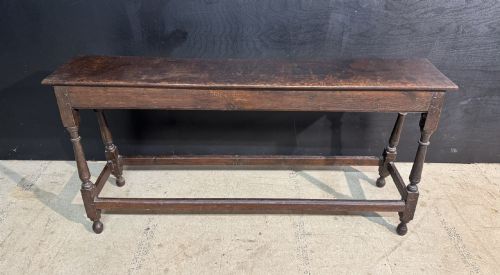
- A low bench-like stand originally designed for resting baggage in domestic chambers or hospitality rooms. They often share dimensions and construction with low stools and benches.
Low Wooden Stool: Frequently Asked Questions
What is a joint stool?
A joint stool is an early form of wooden seating constructed with pegged mortise and tenon joinery. These sturdy pieces were built to last and often served multiple household purposes.
They typically feature rectangular tops and straight turned or faceted legs connected by stretchers near the base.
How were milking stools used?
Milking stools were designed as low, stable seats for agricultural workers tending to livestock. Their three-legged construction ensured stability on uneven barn floors.
Today these portable items function readily as decorative stands or low seats in domestic interiors.
How do I care for antique wood?
Maintaining antique timber requires keeping pieces away from direct heat sources and sudden humidity changes. Regular dusting with a soft cloth preserves the dry finish.
Applying occasional appropriate wax polish helps nourish older wood surfaces without building up heavy chemical residues.
Are painted finishes original?
Some rustic and continental pieces retain traces of historic paint in colours such as ochre, yellow, or green. Examination under magnification often reveals the wear patterns that confirm age.
Original pigment adds significant character and historical value to vernacular furniture.