


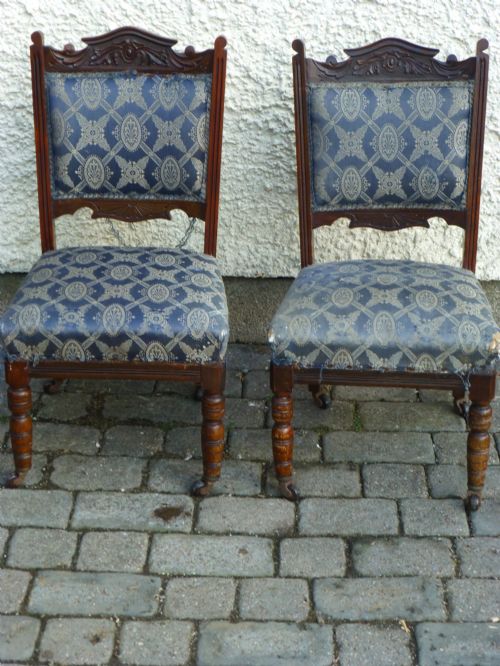
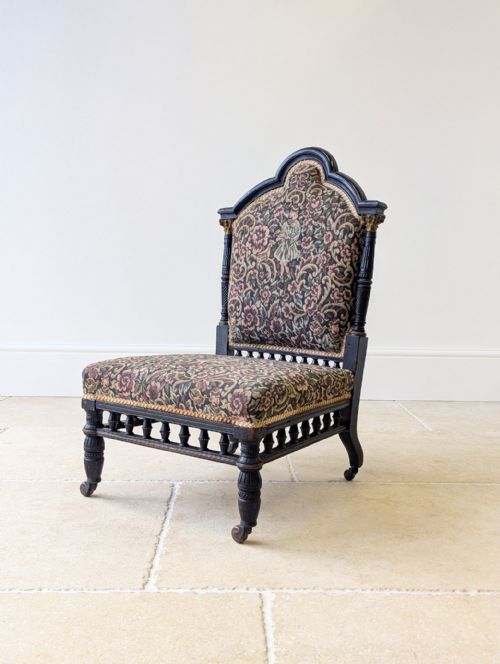
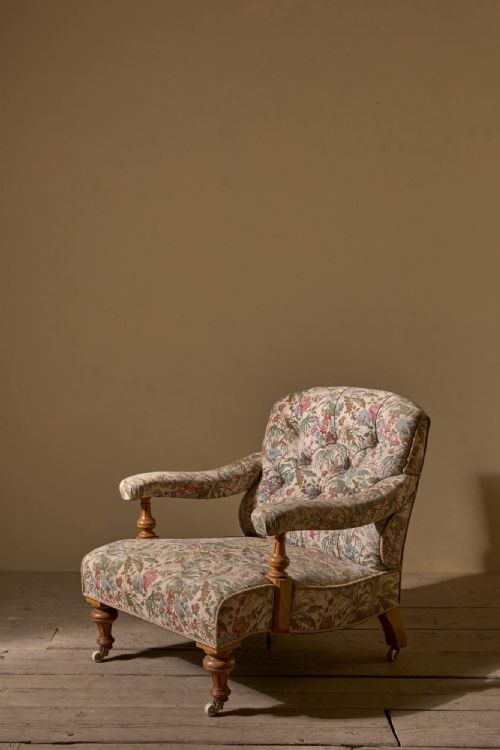
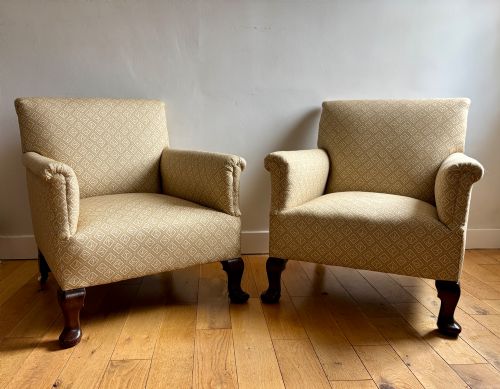
Low Seated Chair
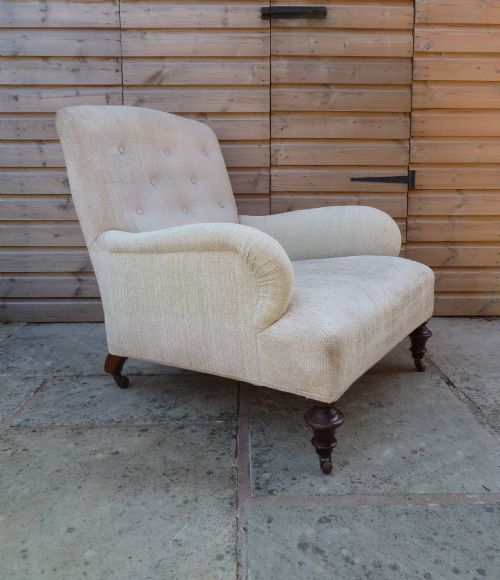
A low seated chair offers relaxed proportions and intimate height, bringing comfortable nineteenth century and later lounging into modern rooms.
Low Seated Chair
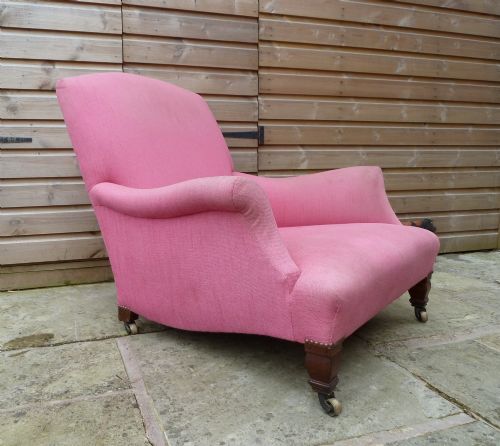
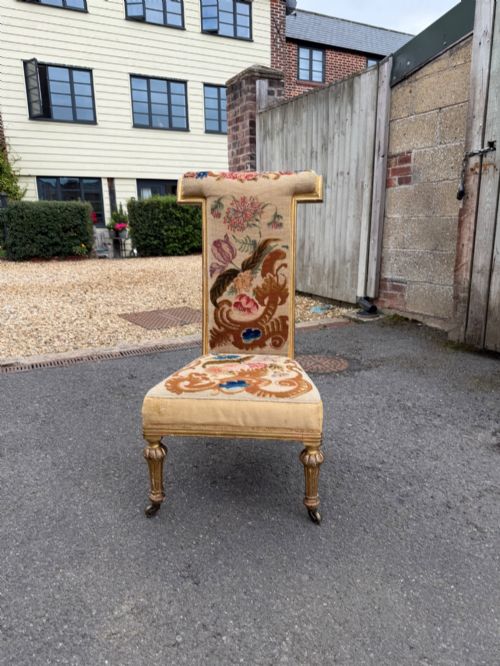
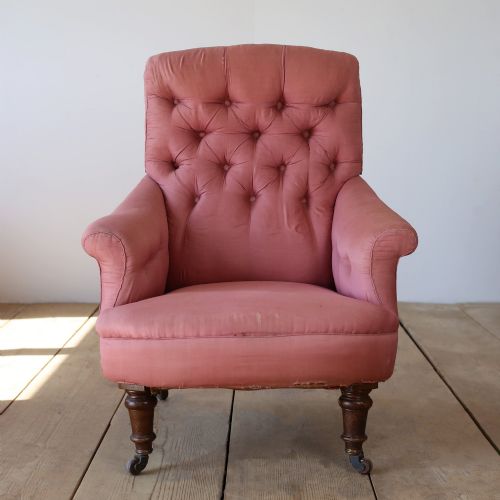
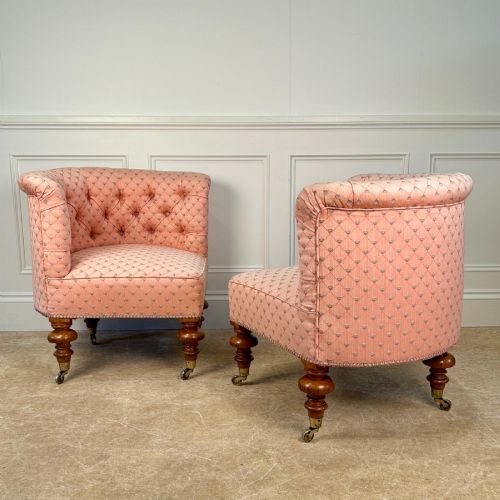
A low seated chair encompasses compact nursing chairs, slipper chairs, and deep armchairs designed for close-to-the-floor seating. These pieces span Victorian, Edwardian, and Art Deco periods, originating primarily from British workshops and country houses.
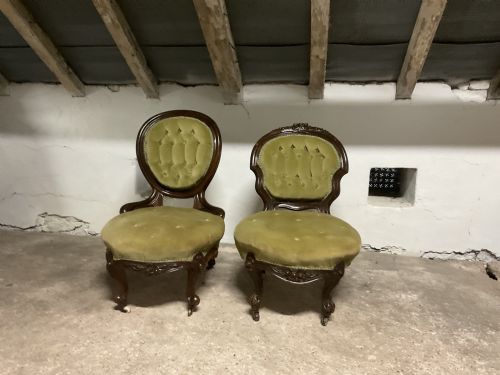
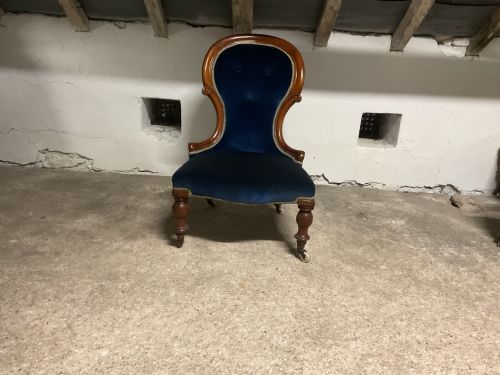
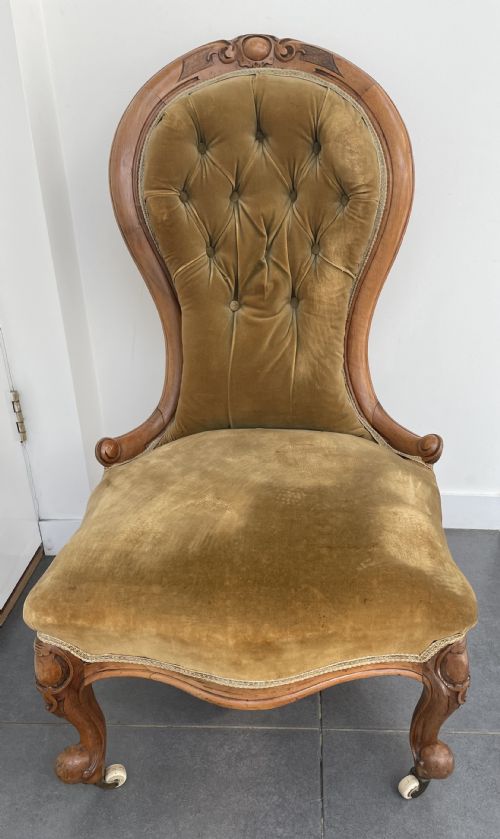
Victorian walnut and mahogany nursing or bedroom chairs dominate the selection, often featuring button backs and turned or carved supports. Alongside these appear substantial Howard style armchairs and rush-seated country examples.
The low profile serves distinct domestic functions, from fireside lounging to dressing room seating. Buyers encounter diverse frames ranging from ebonised Aesthetic Movement designs to streamlined Art Deco forms.
Construction and materials
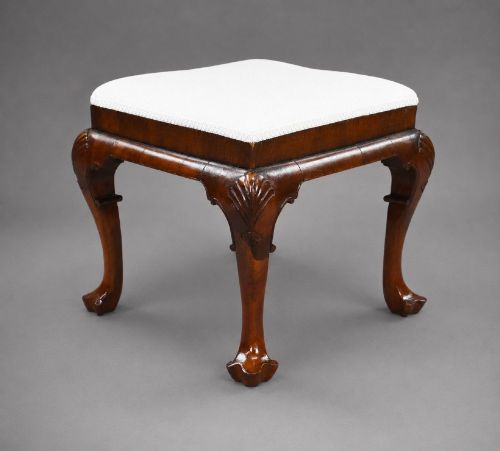
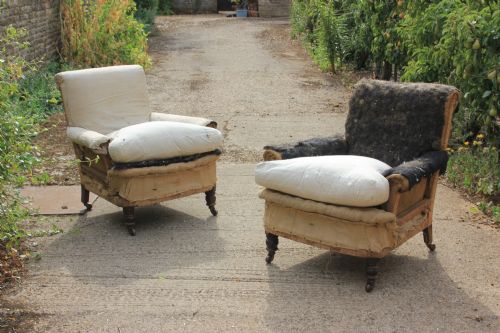
Timbers such as mahogany, walnut, oak, and rosewood form the rigid structural frames of these pieces, frequently shaped with turned legs or carved details. Brass castors and exposed wooden framing appear regularly across nineteenth century examples.
Upholstery relies on traditional stuffing secured with calico, then finished in decorative fabrics like velvet, wool, or printed cotton. Rush seating and cane panels provide alternative lightweight bases for country and occasional models.
Low Seated Chair Retail Price Guide 2026
Typical asking prices for low seated chair among the pieces listed under this phrase on Sellingantiques today, from the lower quarter to the upper quarter. They describe what is for sale here now, not the wider market.
Covering materials recorded across current pieces include velvet, calico, fabric, and traditional wood finishes.
Assessing quality
The integrity of the underlying timber frame and the refinement of its carving separate standard output from superior workshop production. Crisp turning on walnut legs and balanced proportions indicate careful cabinetmaking.
Original upholstery survivals and sympathetic re-upholstery preserve the intended comfort and profile of deep seats and buttoned backs. Superior examples retain their original castors, springs, and structural rigidity.
Howard and Sons·Liberty Morris and Co·Whytock and Reid·Harry and Lou Epstein·Hampton and Sons·Gillows
The Low Seated Chair Glossary
- Nursing chair
- A low-framed Victorian bedroom chair traditionally designed without arms to accommodate the voluminous skirts of the period. These pieces sit close to the floor for domestic convenience.
- Slipper chair
- An upholstered bedroom chair standing on short legs, originally utilised for changing footwear in private chambers. The low seat height encourages an inclined, relaxed posture.
- Button back
- An upholstery technique where indentations are pulled deep into the padding using twine secured with fabric-covered buttons. This method creates geometric diamond patterns while maintaining firm support.
- Aesthetic Movement
- A late nineteenth century design style emphasising simplicity, ebonised finishes, and artistic reform over heavy historicism. Pieces from this period often display slender frames and subtle decoration.
Low Seated Chair: Frequently Asked Questions
What is a low seated chair?
A low seated chair is an upholstered or wooden seat built closer to the ground than standard dining or parlor chairs. These compact forms include nursing chairs, slipper chairs, and deep country armchairs.
Historically placed in bedrooms, dressing rooms, and firesides, they prioritize relaxed postures and smaller spatial footprints. Nineteenth century and Edwardian examples remain the most common finds.
How do I style a low seated chair?
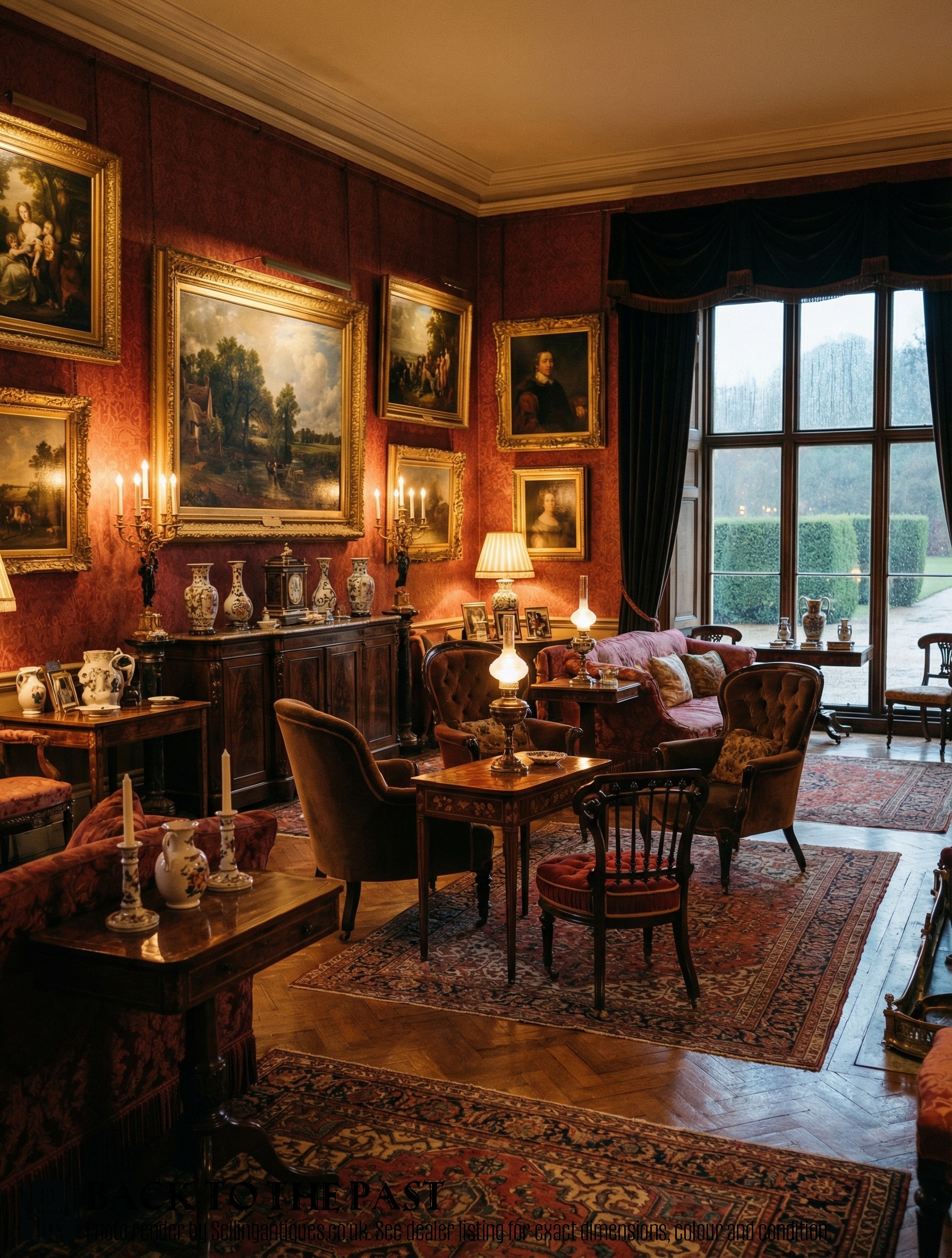
These chairs work well in living rooms, bedrooms, and reading corners where their reduced height creates an intimate seating group. Pair a Victorian walnut nursing chair with modern low furniture to create a balanced contrast.
Because many examples feature finished backs, they sit comfortably away from walls in the centre of a room. Selecting fabric finishes that complement existing textiles helps integrate older pieces into contemporary colour schemes.
Are these chairs comfortable for daily use?
Many of these pieces offer deep proportions and supportive sprung seats designed for extended lounging. Edwardian and Howard style armchairs provide particularly generous padding.
Some nineteenth century nursing chairs feature firmer stuffing or lower backrests intended for upright tasks rather than sprawling. Checking the depth and internal springing helps determine daily usability.
How do I identify a Victorian nursing chair?
Victorian nursing chairs typically feature very low seats, turned walnut or mahogany legs, and upholstered backs without arms. Button tufting and serpentine front rails are also frequent characteristics.
They often stand on brass front castors to allow easy movement across carpets. The presence of dense timber frames and traditional stuffing points to nineteenth century origin.