



Low Padded Bench
A low padded bench provides a practical seat or footrest, combining traditional frames with upholstered surfaces across various periods.
Low Padded Bench
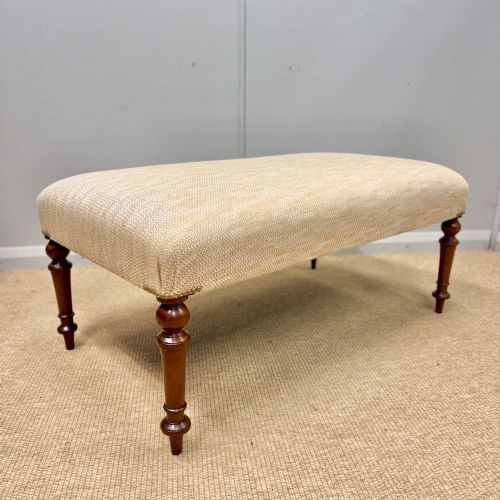
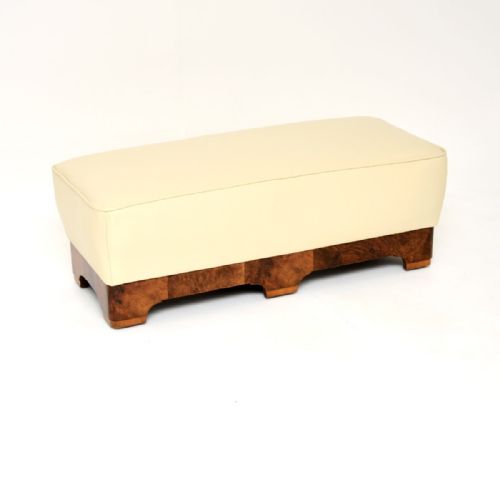
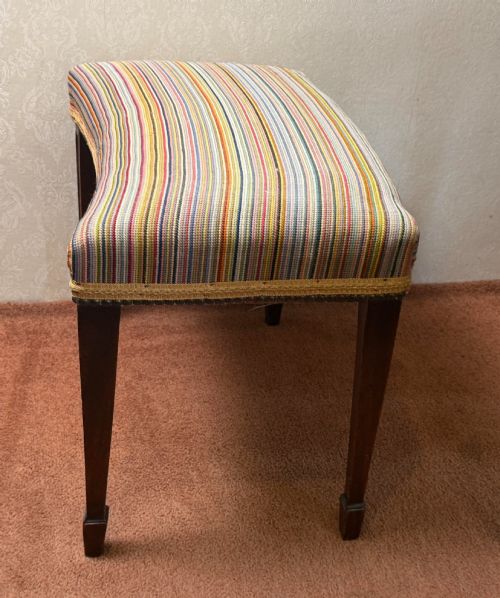
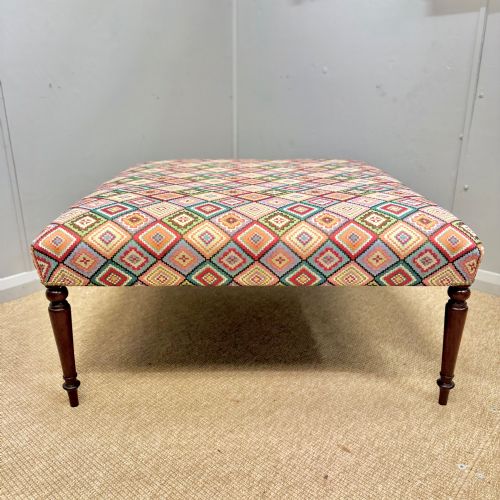
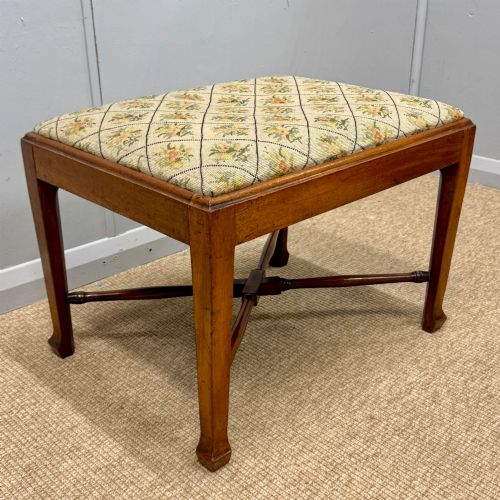
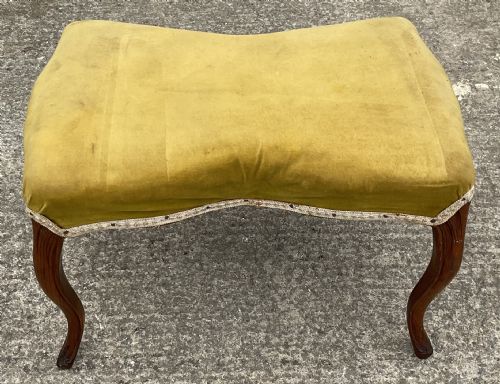
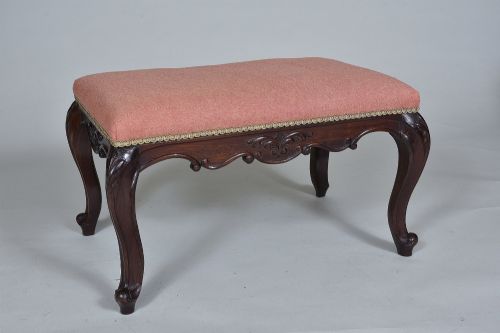
A low padded bench encompasses various forms such as footstools, ottomans, fender stools, and dressing table stools originating from the 19th century through to the 1930s. Buyers searching for a low padded bench encounter diverse styles including Victorian, Edwardian, Art Deco, and revival designs like Queen Anne and Jacobean.
These pieces function primarily as seating or footrests, often placed near firesides, at the foot of beds, or in dressing rooms. The selection includes long fender stools designed to sit alongside club fenders as well as large centre stools.
Most examples date from the Victorian and Edwardian eras, constructed with upholstered tops ranging from newly recovered fabrics to original textiles, wool, leather, and tapestry.
How they were made
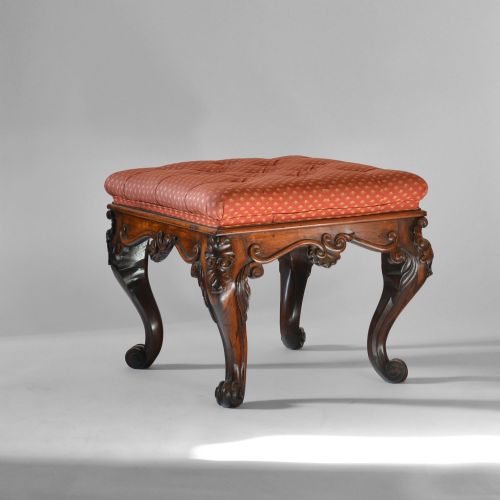
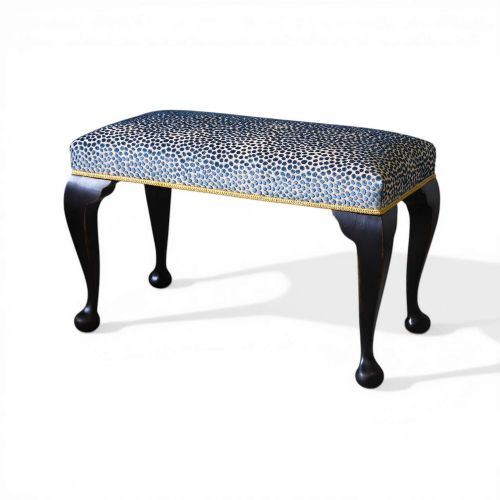
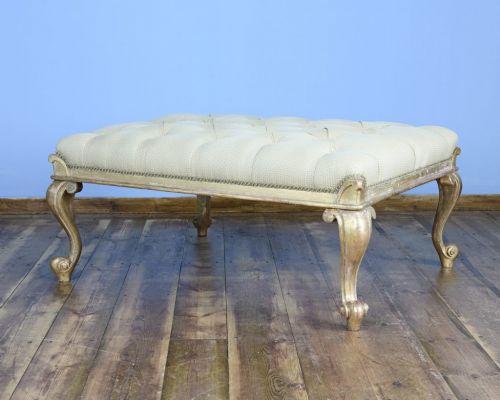
Frames rely on solid hardwoods including mahogany, walnut, rosewood, oak, and ebonised timber, shaped with turned, square tapering, or cabriole legs. Some incorporate brass castors, carved giltwood, parcel gilding, or woven rattan elements.
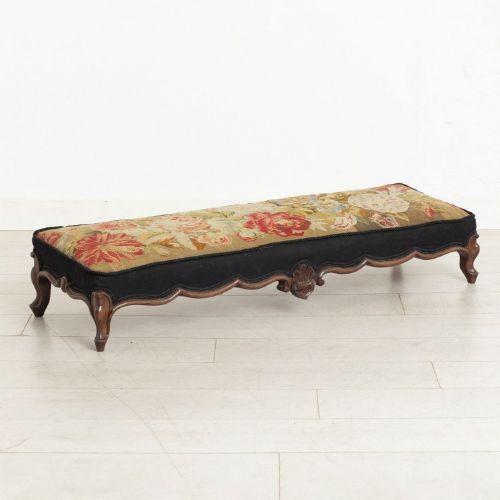
Upholstery methods involve padding fixed over wooden frames, secured with various textiles, leather, wool, brass studs, or needlepoint. Construction techniques reflect the prevailing cabinet-making standards of the 19th and early 20th centuries.
Listings feature woods like mahogany, walnut, rosewood, oak, and teak, paired with upholstery in leather, wool, tapestry, and fabric.
What varies in quality
Quality rests in the timber selection and the precision of the frame carving, from simple turned supports to elaborate cabriole legs and gilt details. Hardwoods like walnut and mahogany command attention for their grain and structural integrity.
The finish of the upholstery and the condition of the frame joinery dictate the overall standard of each piece. Original elements, such as period fabric or castors, contribute to the character of individual examples.
The Low Padded Bench Glossary
- Cabriole leg
- A furniture leg that curves out and then in, resembling the leg of an animal. This form appears frequently on Victorian and revival walnut stools.
- Fender stool
- A long, narrow stool designed to fit around or in front of a hearth fireplace. These pieces often feature low padded seats upholstered in leather or tapestry.
- Cross stretcher
- Wooden bars connecting the legs near the base for added stability. They appear on dressing table stools and larger framed seating.
- Ebonised
- Wood treated with a dark finish to imitate ebony. This technique surfaces on Edwardian frames.
- Club fender
- A low metal frame with padded seats placed around a fireplace hearth. Padded benches sometimes accompany these structures.
Low Padded Bench: Frequently Asked Questions
Where should I place a low padded bench?
These pieces fit well at the end of a bed, beneath a dressing table, or positioned near a fireplace as a fender stool.
Their compact height allows them to function as movable footrests or extra seating in living spaces.
How do I identify a Victorian low padded bench?
Victorian examples often feature walnut or mahogany frames with cabriole legs, turned supports, and traditional upholstery.
Many incorporate brass castors or period textiles such as needlepoint and wool.
Are these benches suitable for daily seating?
Solid hardwood frames and sturdy construction make these benches durable for regular use as footstools or casual seats.
Reupholstered options provide fresh padding while retaining the original antique wooden structure.
What wood types are most common?
Mahogany and walnut dominate the listed furniture, alongside rosewood, oak, and ebonised timber.
These hardwoods provide the structural strength required for low seating frames.