

Low Oak Seating
Low oak seating encompasses sturdy stools, benches and low chairs built to anchor traditional rooms with honest, grounded utility.

Low Oak Seating
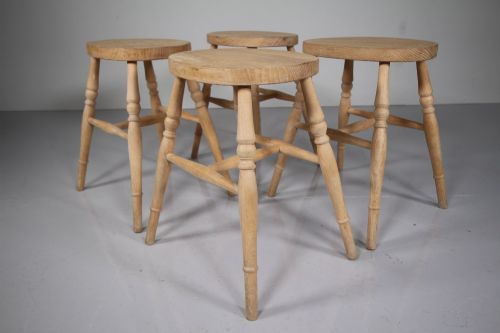
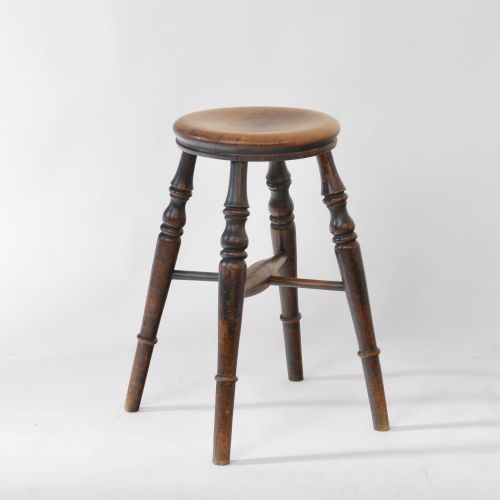
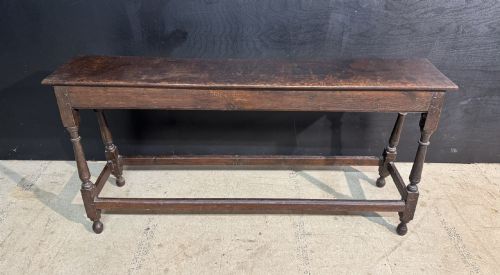
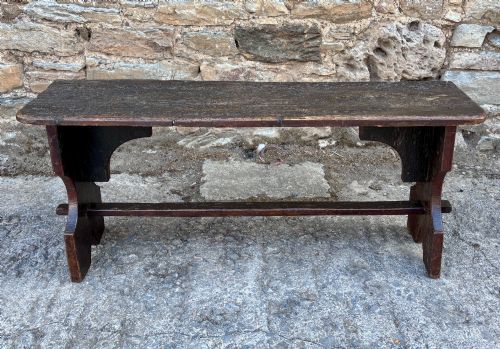
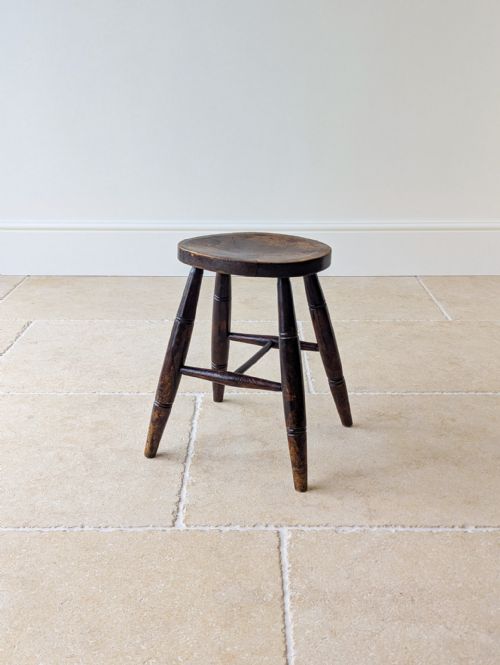
Low oak seating brings together a diverse group of domestic furnishings designed for compact spaces and fireside comfort, ranging from joint stools and milking stools to low armchairs and bedroom chairs. When exploring low oak seating, expect to encounter substantial timbers fashioned into functional domestic pieces intended for everyday service rather than formal display.
The pieces appearing in this selection draw primarily from nineteenth-century vernacular traditions alongside Edwardian workshops and Arts and Crafts movements, displaying styles from rustic farmhouse to Victorian country. Oak forms the primary structural substance, frequently paired with secondary materials like elm, ash, rush and fabric to create seats designed for practical utility close to the ground.
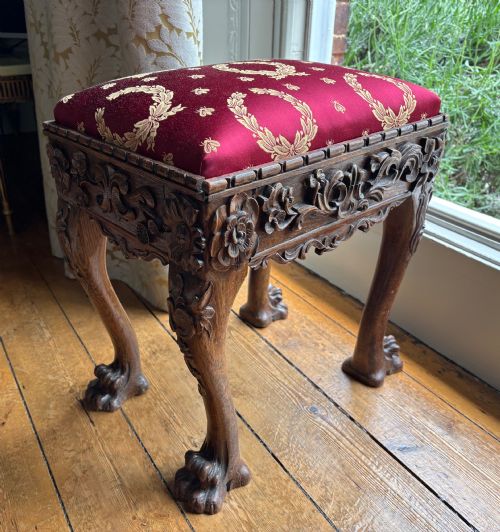
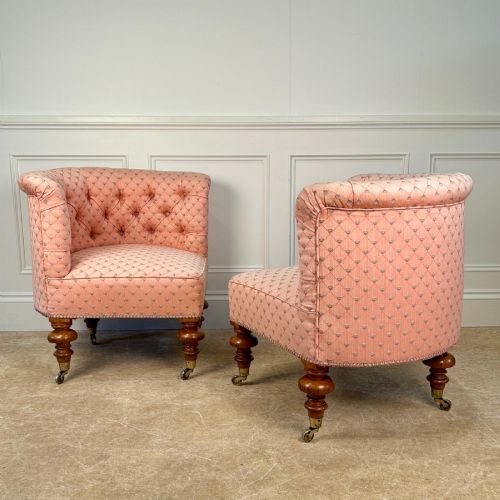
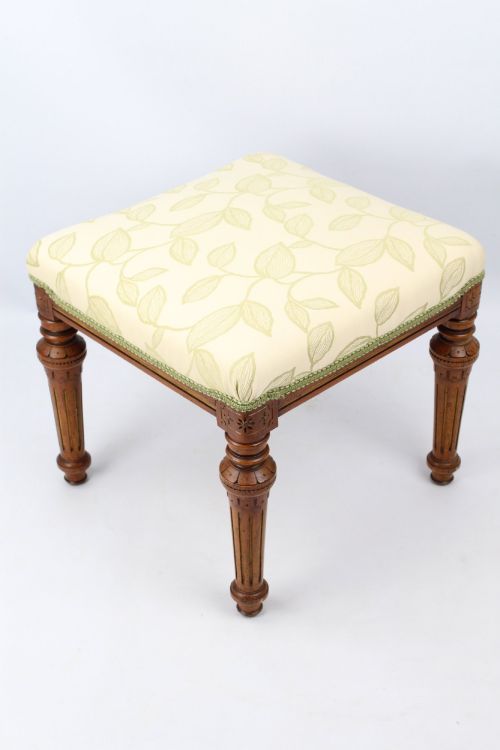
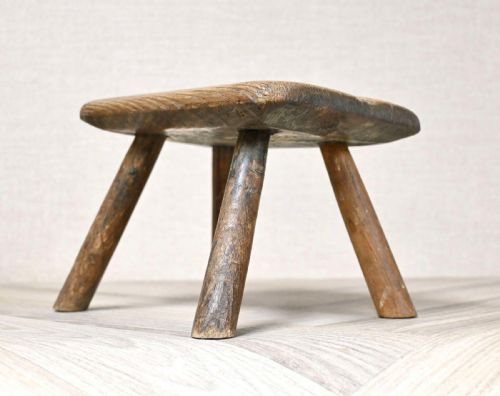
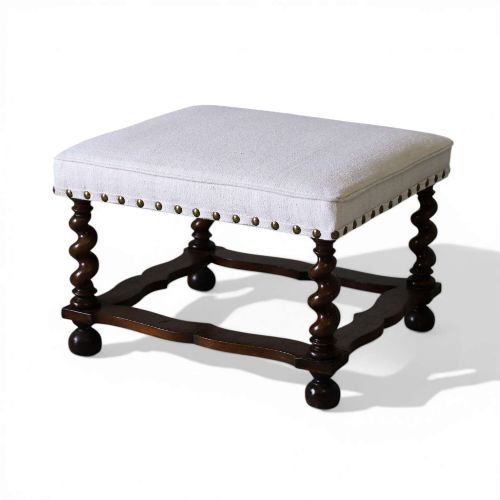
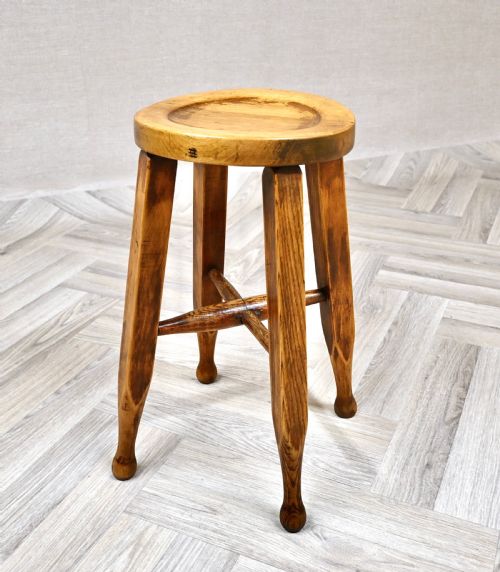
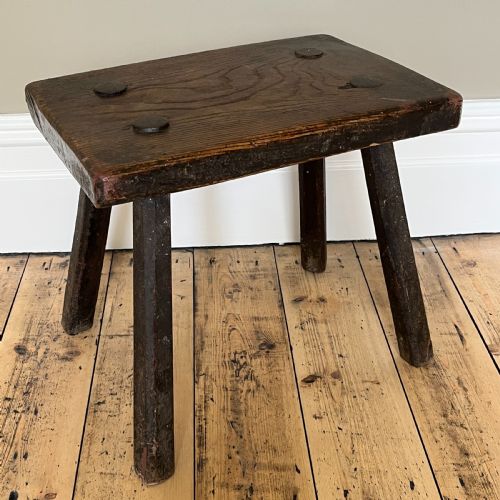
Forms span simple three-legged milking stools and joint stools up to carved dressing stools, footstools and low-slung armchairs. These items served various household functions across centuries, appearing beside hearths, in hallways, or tucked beneath desks and dressing tables.
Assessing craftsmanship and finish
Quality in low oak seating rests upon the integrity of the timber selection, the tightness of traditional joinery, and the harmony of proportion between the low frame and the seat. Superior examples demonstrate thoughtful detailing, such as finely turned stretchers, balanced leg placement, and well-executed hand carving.
The distinction between standard utility items and finer workshop pieces lies in the crispness of the carpentry and the sympathetic integration of secondary materials like rush or woven cord. Masterful proportion ensures that heavier timbers retain a sense of neatness and balance close to the floor.
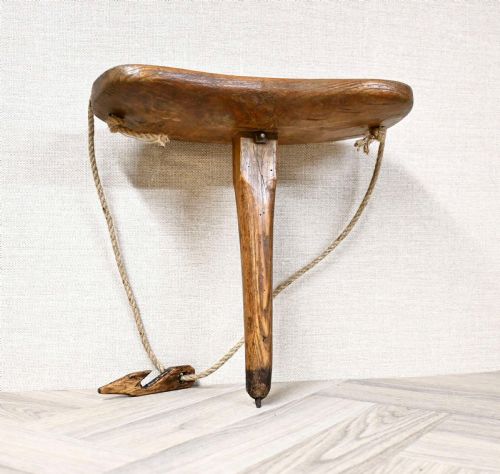
Several items stand on just one leg, offering a delightfully unstable perspective on traditional country milking furniture.
Liberty Morris & Co·Harry & Lou Epstein·Jack Grimble·Wheelers of Arncroach
The Low Oak Seating Glossary
- Joint stool
- A solid wooden stool constructed with mortise and tenon joints, commonly featuring turned legs and horizontal stretchers. These sturdy items served as general seating or small tables in early households.
- Rush seat
- A seating surface woven from dried marsh rushes, providing a flexible and resilient texture. This traditional method often appears on chairs and stools associated with country and Arts and Crafts workshops.
- Bobbin framing
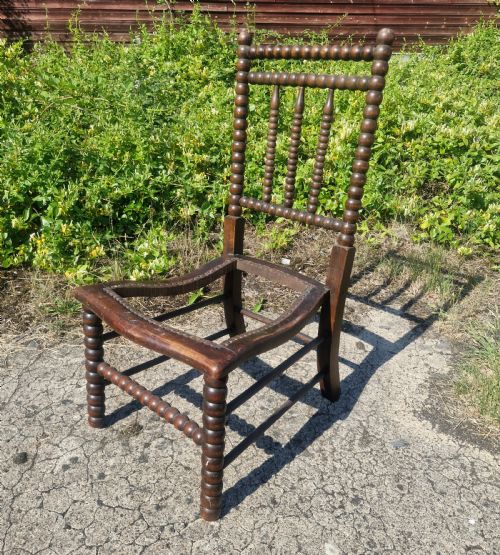
- A style of furniture turning where the wood is shaped into a series of rounded spheres resembling bobbins or spools. This decorative technique is frequently found on nineteenth-century framework and chairs.
- Windsor chair
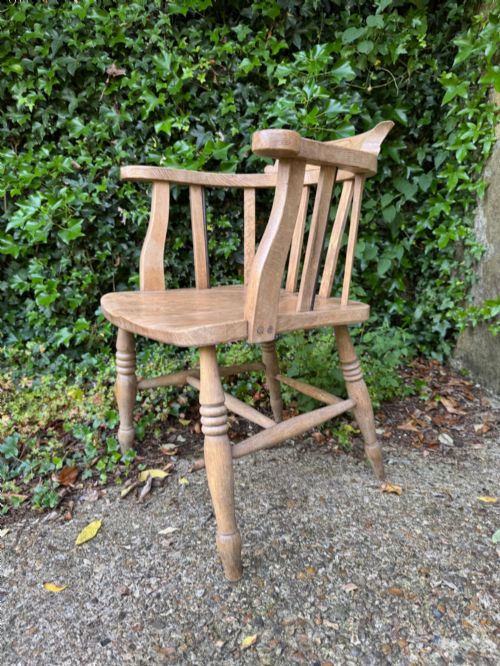
- A chair built with a solid wooden seat into which the legs and back spindles are directly bored and wedged. Country versions often utilise mixed timbers such as ash and elm.
- Stretcher
- A horizontal wooden brace connecting the legs of a chair or stool to provide structural rigidity. These elements frequently feature decorative turnings or serve as footrests.
Low Oak Seating: Frequently Asked Questions
What is a joint stool?
A joint stool is a sturdy wooden seat built using pegged mortise and tenon joinery rather than glued joints. These versatile items were standard household fixtures in earlier centuries.
They often served multiple purposes around the home, acting as seats, small side tables, or steady platforms for reaching high places.
Where should I place low seating?
Low oak seating works well beside a fireplace as a hearth stool, in an entryway as a bench, or tucked beneath a dressing table. Their modest height keeps sightlines open in smaller rooms.
Pairing them with larger armchairs or placing them near low coffee tables creates functional, intimate seating arrangements.
How do I care for rush seats?
Rush seats require a dry environment and gentle cleaning to maintain their woven fibres. Avoid using excess water, which can cause the natural material to swell and weaken.
Regular dusting with a soft brush helps keep the weave clear of debris while preserving the natural patina of the dried marsh plants.
How do I date an oak stool?
Dating low oak seating involves examining the tool marks, construction methods, and joinery style. Hand-sawn boards, pegged joints, and timber shrinkage patterns offer clues to age.
Comparing the turning styles and hardware against documented historical periods helps narrow down the decade or century of manufacture.