

Louis XVI Overmantel
A louis xvi overmantel brings classical symmetry and proportion to a room, framed in gilded wood and designed to sit above a fireplace.
Louis XVI Overmantel
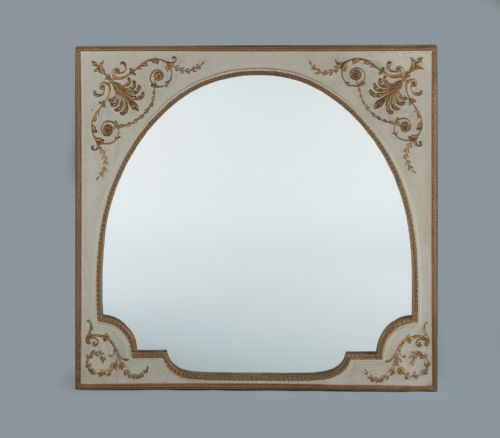
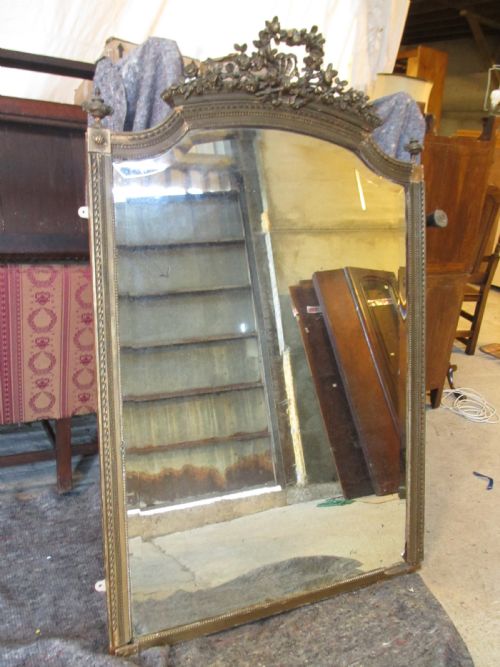
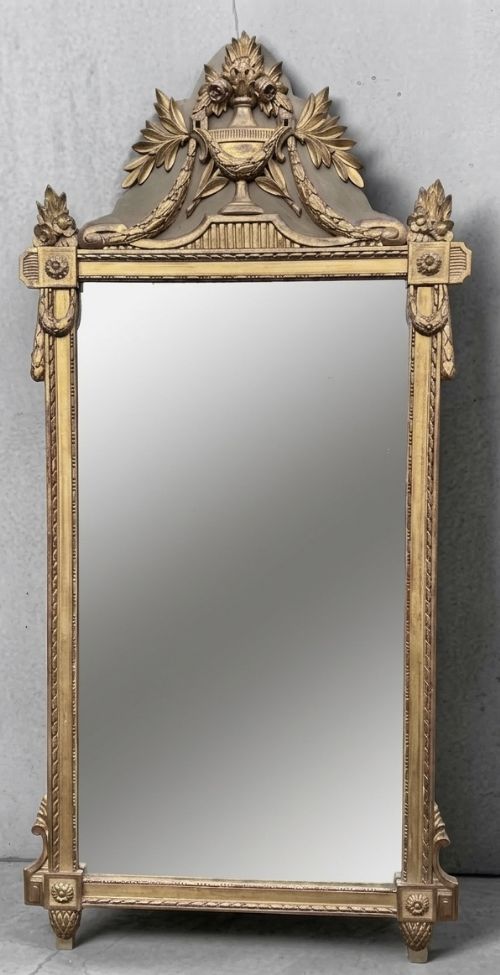
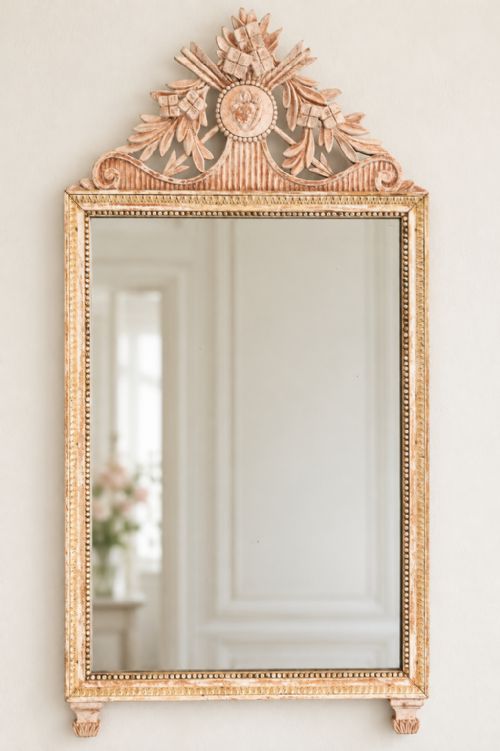
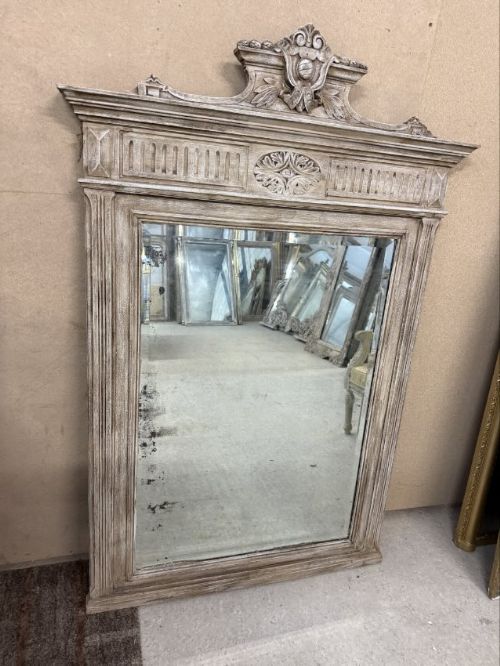
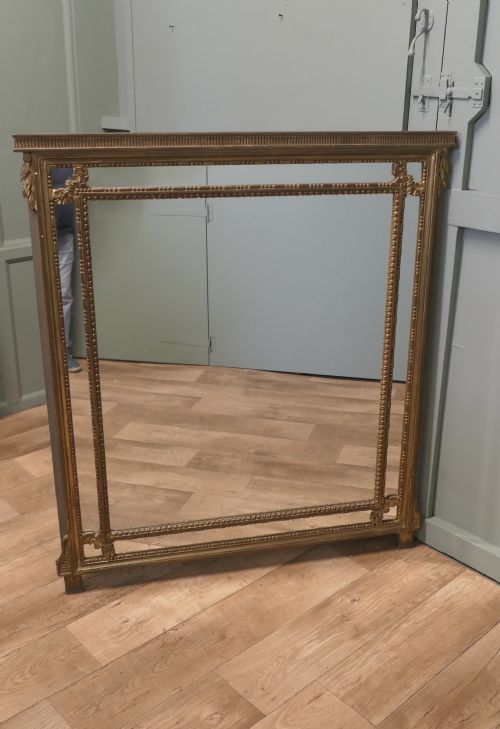
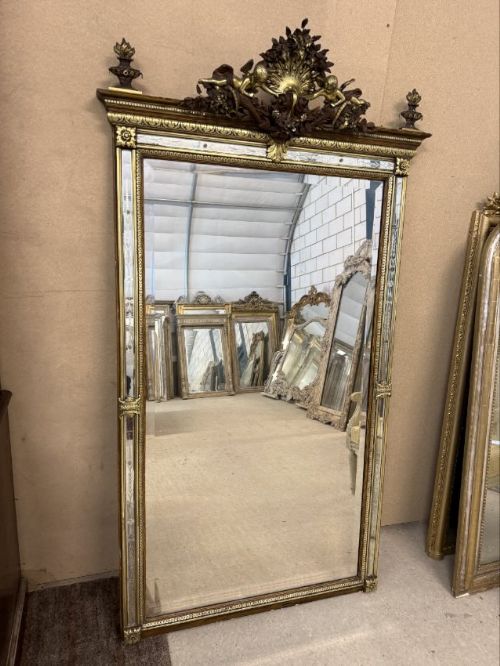
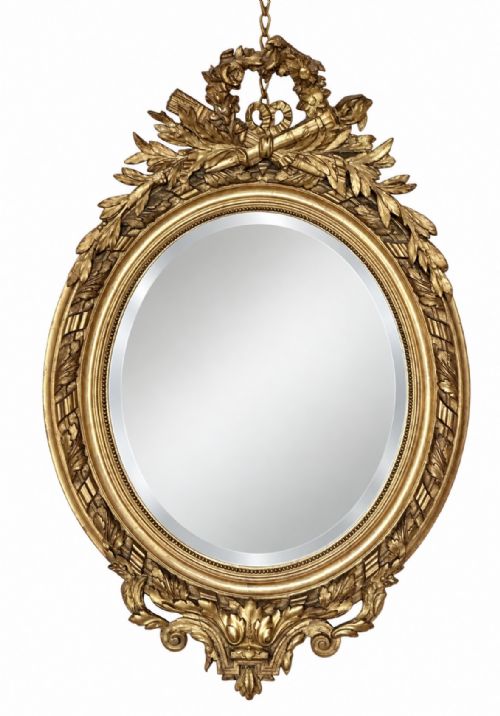
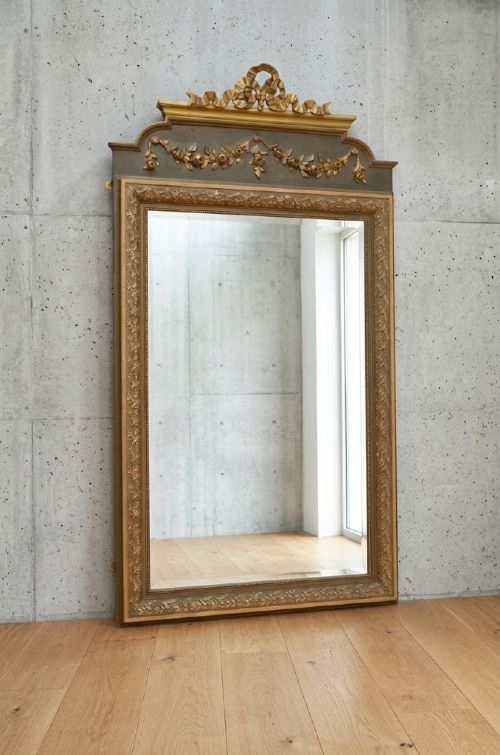
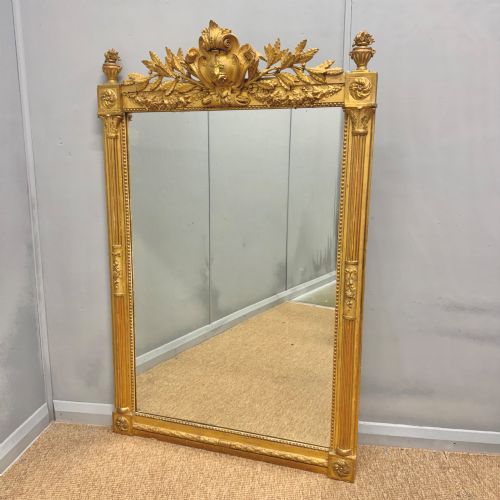
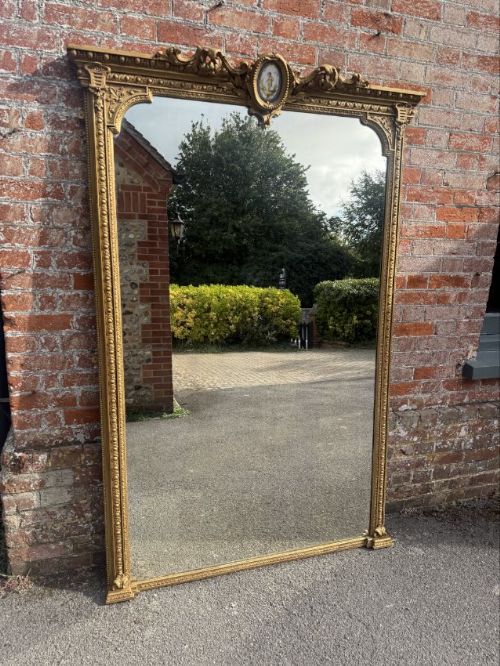
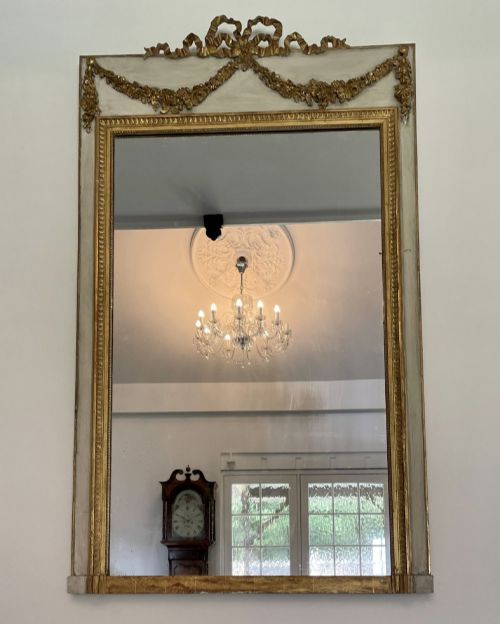
A louis xvi overmantel typically takes the form of a large wall mirror or trumeau mirror designed for placement above a mantelpiece. These pieces originate predominantly from nineteenth century France, alongside examples from the eighteenth century, incorporating styles such as French Neoclassical and Louis XVI Revival.
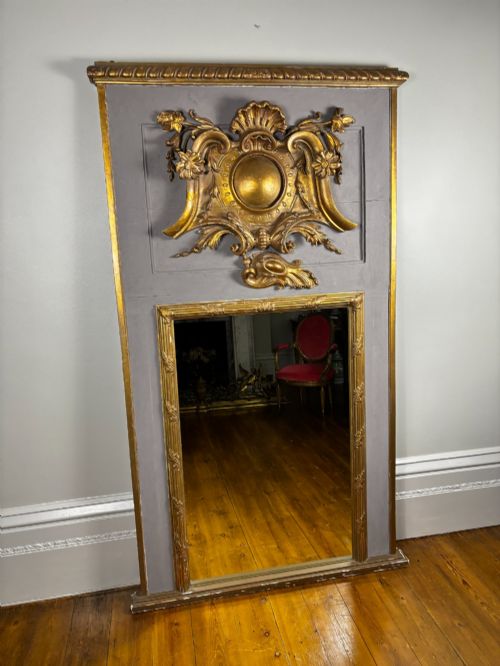
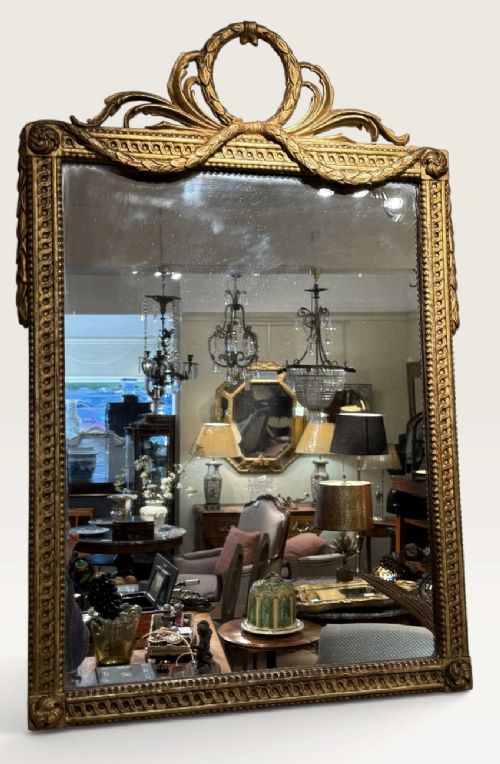
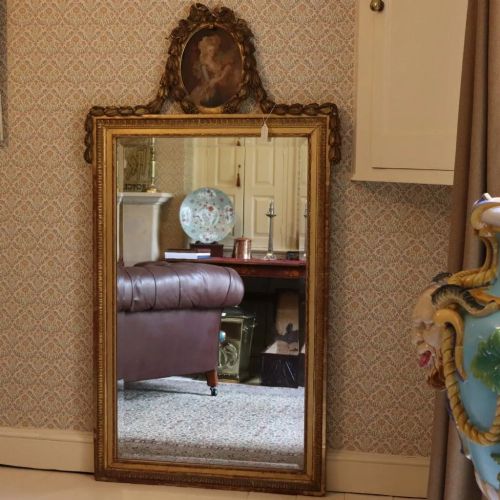
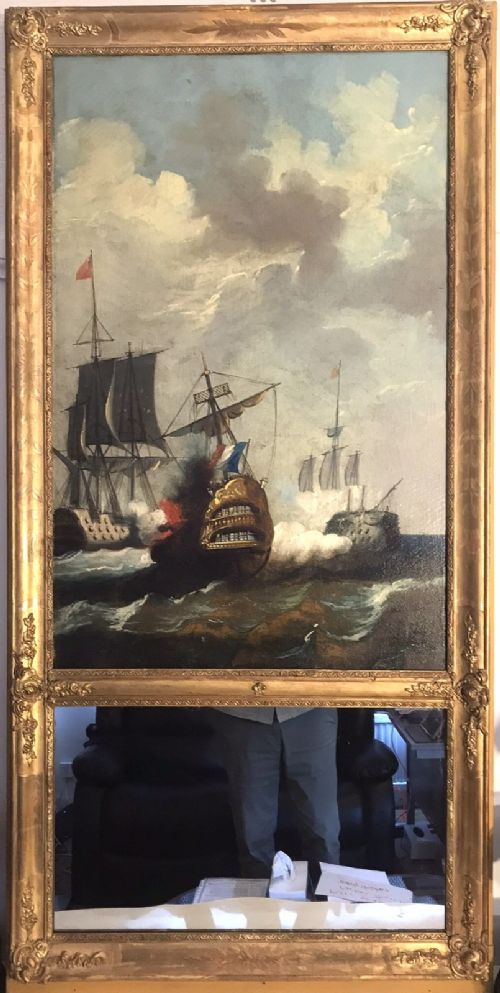
The selections available range from tall decorative gilt wood frames to painted panels featuring integrated oil paintings or classical architectural motifs like columns and ribbon crests. The proportions are suited for hanging horizontally above a fireplace or vertically as pier mirrors.
How they were made
Makers built these frames using solid wood substrates, frequently applying layers of gesso to build up crisp relief ornament before gilding with gold leaf or applying paint. Carved details such as rope twists, columns, and crests demonstrate traditional joinery and hand-carving techniques.
Reflecting historical manufacturing methods, many incorporate original mercury glass plates, which often display foxing and age spots resulting from the silvering process.
Louis XVI Overmantel Retail Price Guide 2026
Typical asking prices for louis xvi overmantel among the pieces listed under this phrase on Sellingantiques today, from the lower quarter to the upper quarter. They describe what is for sale here now, not the wider market.
Listings feature periods spanning from the eighteenth century through the Victorian era, utilising materials including giltwood, gesso, composition, and mercury glass.
What varies in quality
Quality rests in the crispness of the hand-carved gesso and wood details, where sharply defined ornamentation separates superior examples from softer castings. The depth and integrity of the original gold leaf or parcel gilt finish also indicate higher standard production.
The preservation of the glass plate matters greatly, with genuine period mercury glass adding depth and character that later replacements lack.
The Louis XVI Overmantel Glossary
- Giltwood
- Wood that has been coated with gold leaf or a gold-coloured metallic finish. This technique creates a luminous surface that catches the light in a room.
- Trumeau
- A decorative wall mirror featuring an integrated panel above the glass, frequently decorated with oil paintings or carved wood motifs. These units were built to fit specific architectural spaces in period interiors.
- Gesso
- A plaster mixture applied to wood frames to create a smooth surface for carving and gilding. It allows intricate low-relief ornamentation.
- Mercury glass
- A type of silvered glass produced by pouring a liquid mercury amalgam between double-walled blown glass. Over time, the chemical reaction creates distinctive dark spots known as foxing.
- Overmantel
- A large mirror or painting specifically designed to hang on the wall directly above a fireplace mantel. Its proportions balance the architectural weight of the hearth below.
Louis XVI Overmantel: Frequently Asked Questions
Where should an overmantel mirror hang?
These mirrors traditionally hang centrally on the chimney breast directly above the fireplace mantel. The lower edge sits just above the shelf to create a balanced vertical relationship with the hearth.
In rooms without a functional fireplace, they function effectively mounted at mantel height above low sideboards or console tables to anchor the wall space.
What is a trumeau mirror?
A trumeau mirror combines a looking glass with a decorative upper panel, often containing an oil painting or carved wooden relief. These architectural elements originated in eighteenth century French interior design.
The upper section displays pastoral scenes, maritime paintings, or neoclassical motifs, integrating the mirror into the wood panelling of a room.
How do I identify mercury glass?
Period mercury glass displays a characteristic dark, mottled speckling behind the glass plate, known as foxing. This uneven degradation occurs naturally as the reflective backing ages.
Modern replacement mirrors feature uniform, clear reflections without the deep, cloudy patina characteristic of nineteenth century glass.
Are these mirrors heavy?
These pieces possess substantial weight due to their solid wood construction, thick gesso ornamentation, and heavy glass plates. Large nineteenth century frames require secure wall fixings attached directly into structural studs or masonry.
Professional installation is essential to support the load safely and prevent movement against the wall.