


Vintage French Overmantel
A vintage french overmantel brings historic scale and reflection to a room, hung above a fireplace or mounted as a principal wall piece.
Vintage French Overmantel
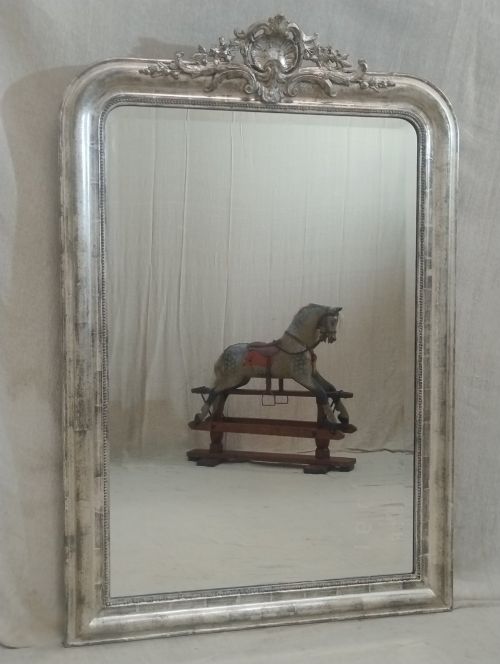
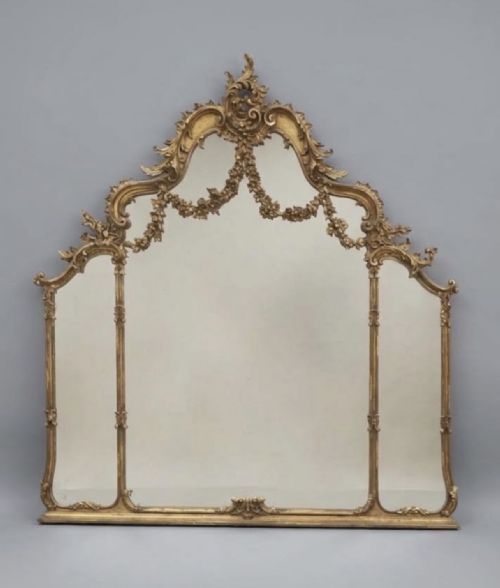
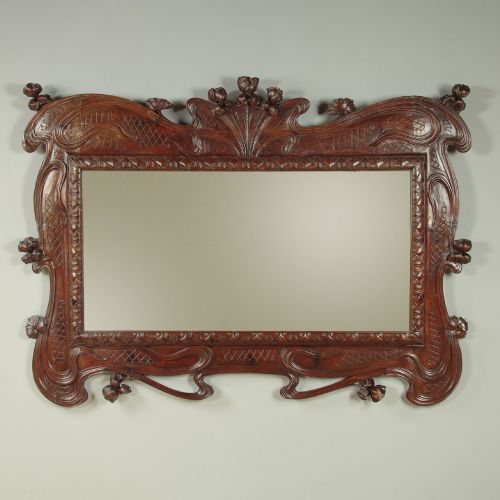
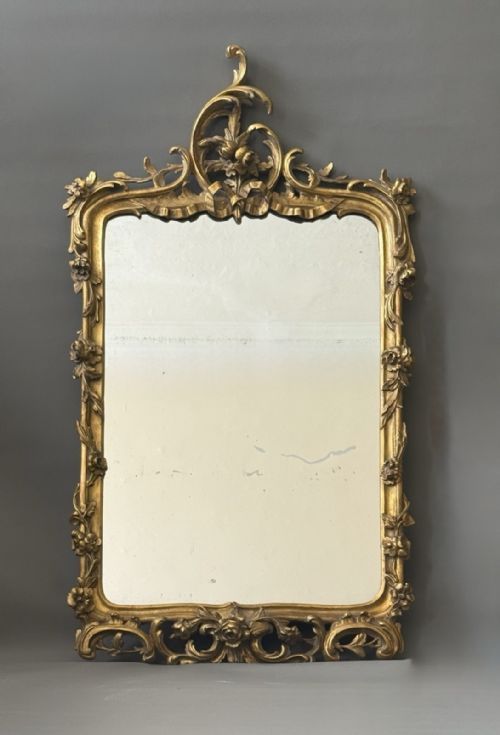
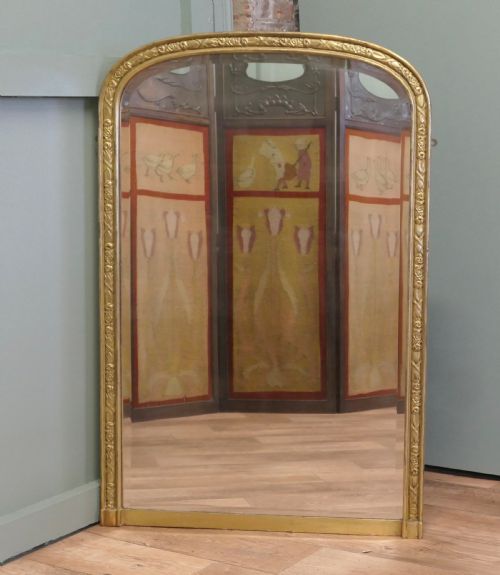
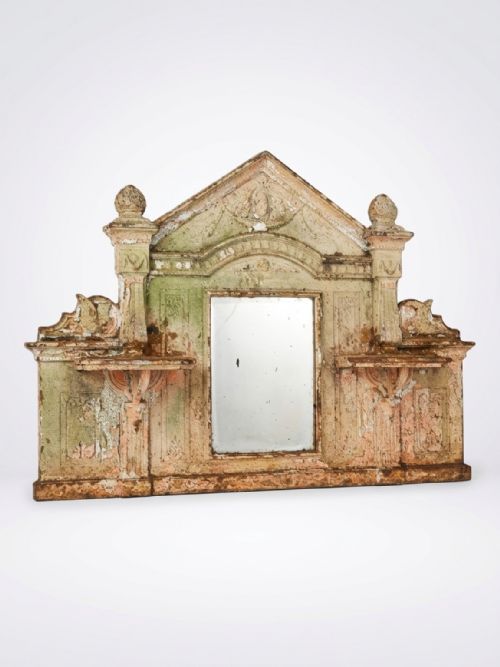
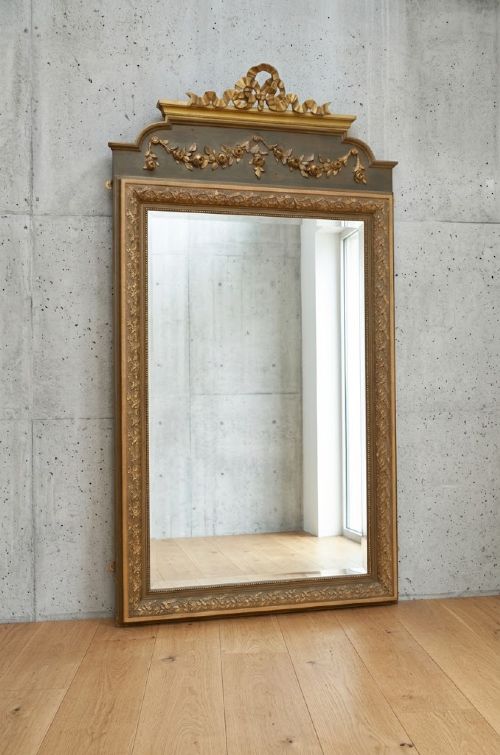
A vintage french overmantel comprises large-scale decorative mirrors designed originally to sit above domestic fireplaces. The selection on this page centres heavily on nineteenth-century examples, spanning periods from the eighteenth century through to nineteen-hundred. Common forms include arched tops, shaped crests, and tall rectangular formats suited to period interiors.
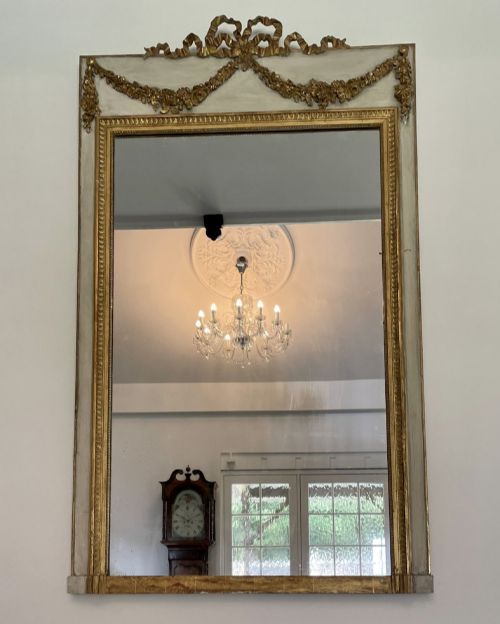
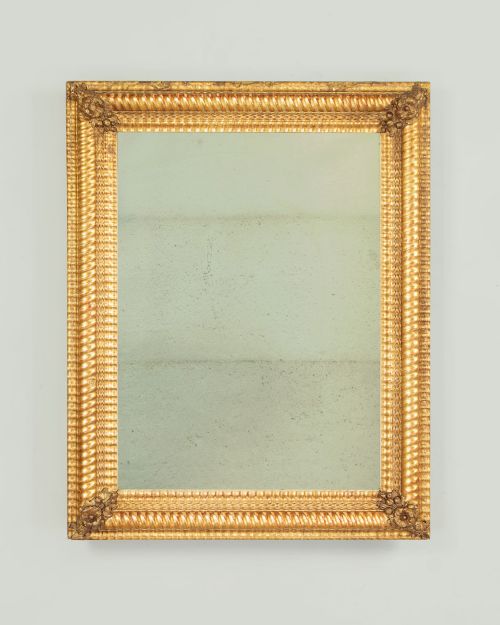
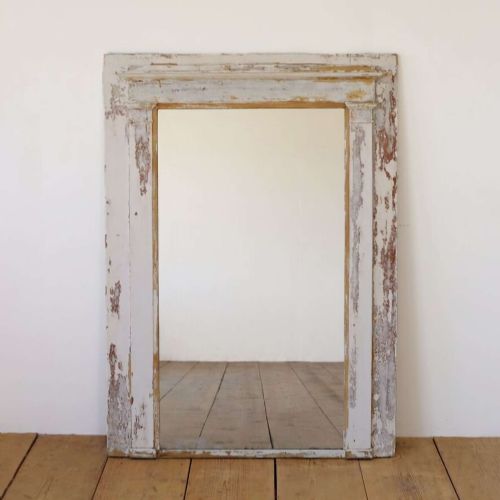
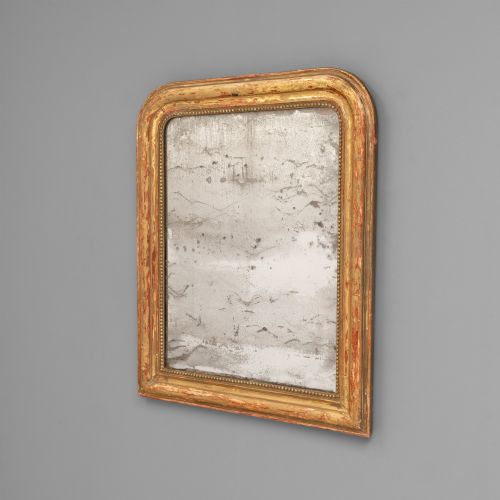
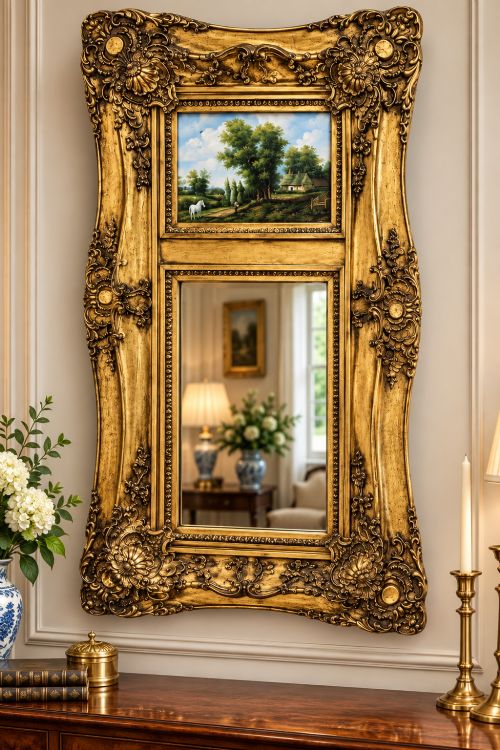
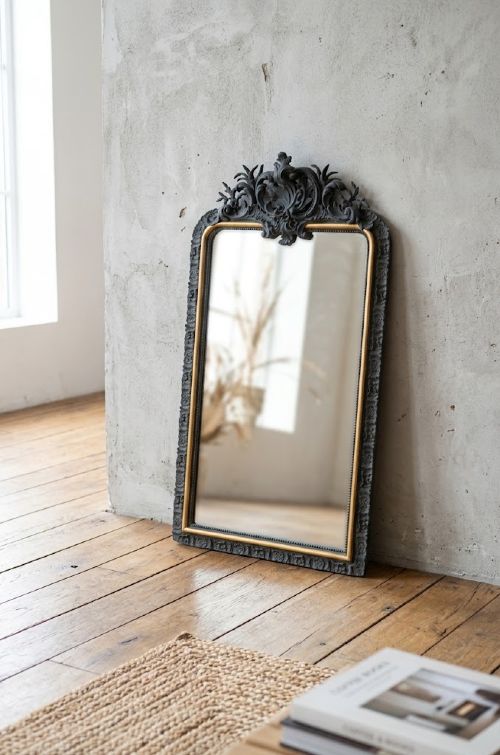
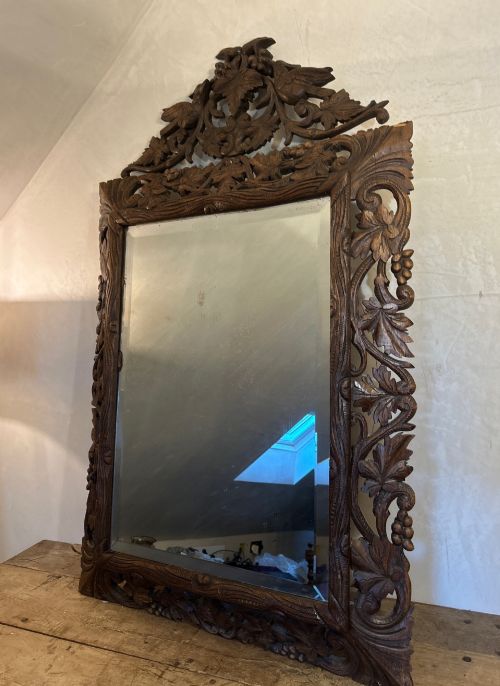
Makers and makers of the era utilised distinct regional aesthetics, moving from austere Louis Philippe frames with rounded upper corners to exuberant Rococo Revival carvings. Alongside traditional giltwood, pieces appear in painted wood, bleached oak, and ebonized finishes with parcel-gilt details. Trumeau panels and ribbon crests also appear within the selection.
Buyers encounter substantial architectural frames intended to anchor a room visually and physically. These mirrors often incorporate original glass plates, which display age-appropriate foxing and mercury backing. The overarching category balances utility with decorative grandeur, reflecting continental craftsmanship from the Victorian era and earlier French reigns.
How they were made
Carpenters built primary frames out of timber such as oak, pine, or fruitwood, joining them with traditional corner construction to support heavy glass. Carvers then applied layers of gesso - a mixture of plaster and glue - directly onto the wooden substrate to build up decorative relief. This gesso surface received intricate tooling, creating scrollwork, floral motifs, and architectural mouldings before any gilding took place.
Finishers applied thin sheets of gold leaf or silver leaf over the prepared gesso, securing the metal with size and burnishing it to a metallic sheen. Alternatively, frames received coats of paint or layered palettes like lilac and ink blue, alongside ebonised treatments. Glass plates were silvered using historical techniques, resulting in the characteristic mottled reflection known as foxing.
Materials recorded across the inventory include giltwood, carved oak, gesso, gold leaf, and painted wood in varied colour palettes.
What varies in quality
The depth and sharpness of the gesso carving dictate the visual fidelity of a frame. Superior pieces display crisp undercutting and well-defined floral or mythological motifs, whereas lesser examples rely on shallow moulding with softer detail.
The integrity of the surface finish and the retention of original gilding separate standard frames from finer works. Original mercury glass plates with deep foxing add historical weight, whereas later replacement mirrors alter the character of the piece.
The Vintage French Overmantel Glossary
- Gesso
- A plaster-based mixture applied to wooden frames to provide a smooth, sculptable surface for subsequent gilding. Artisans carved intricate details directly into this hardened layer.
- Giltwood
- Timber coated with gold leaf over a prepared bole and gesso ground. It provides a warm, reflective metallic lustre that ages with a dull patina.
- Trumeau
- A decorative wall mirror combined with an upper painted or carved panel. It often mirrors the width of a pier or mantel beneath it.
- Foxing
- Age-related spots and oxidation within the silvering of a mirror plate. This chemical breakdown creates dark, mottled patches across the reflective glass.
Vintage French Overmantel: Frequently Asked Questions
Where should an overmantel mirror hang?
These mirrors traditionally sit directly above a fireplace mantelpiece, anchored securely to the wall to support their considerable weight. They also function effectively as standalone floor-standing or wall-hung pieces in principal rooms.
Due to their height, they draw the eye upward and amplify natural light within high-ceilinged spaces.
How do I identify a Louis Philippe mirror?
Louis Philippe mirrors typically feature a simple rectangular format with distinctive rounded top corners. The frames often incorporate subtle ripple mouldings or restrained decorative carving rather than heavy Rococo ornamentation.
This style originated in nineteenth-century France and offers a cleaner aesthetic suited to both traditional and modern interiors.
What is mercury glass?
Historic mirrors were silvered using a tin and mercury amalgam poured behind the glass plate. Over decades, this chemical backing deteriorates, producing characteristic dark spots and cloudy areas known as foxing.
This ageing process confirms the authenticity of antique plates and distinguishes them from modern float glass.
How heavy are these large frames?
Nineteenth-century overmantel mirrors incorporate thick wooden frames, heavy gesso ornamentation, and substantial glass plates. They require robust wall fixings attached directly into structural studs or masonry to ensure safe suspension.
Professional installation is recommended given the dense materials and large physical dimensions.