
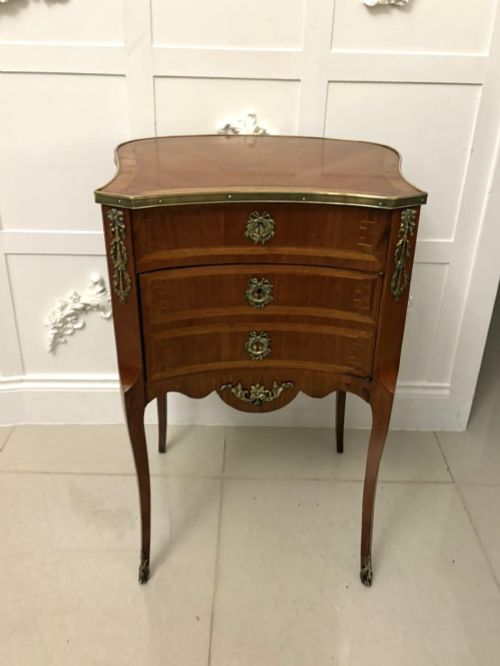
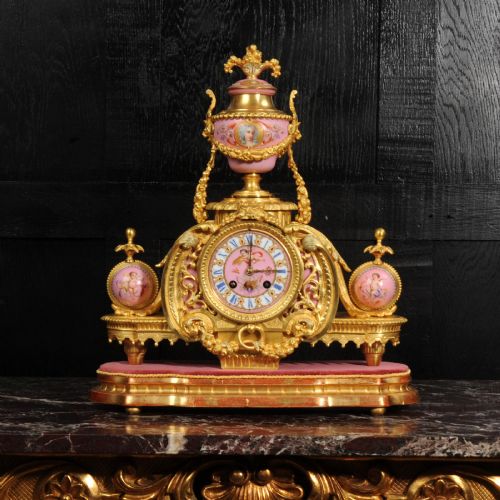
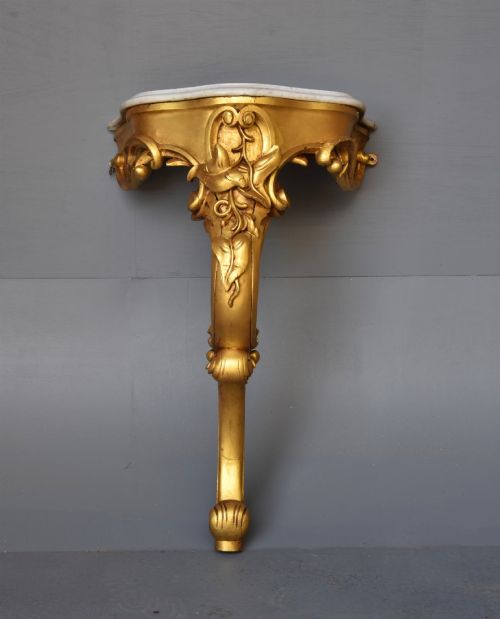

Louis XV Table
When you search for a louis xv table, you enter a world of serpentine curves, rich veneers, and fine gilt bronze mounts.
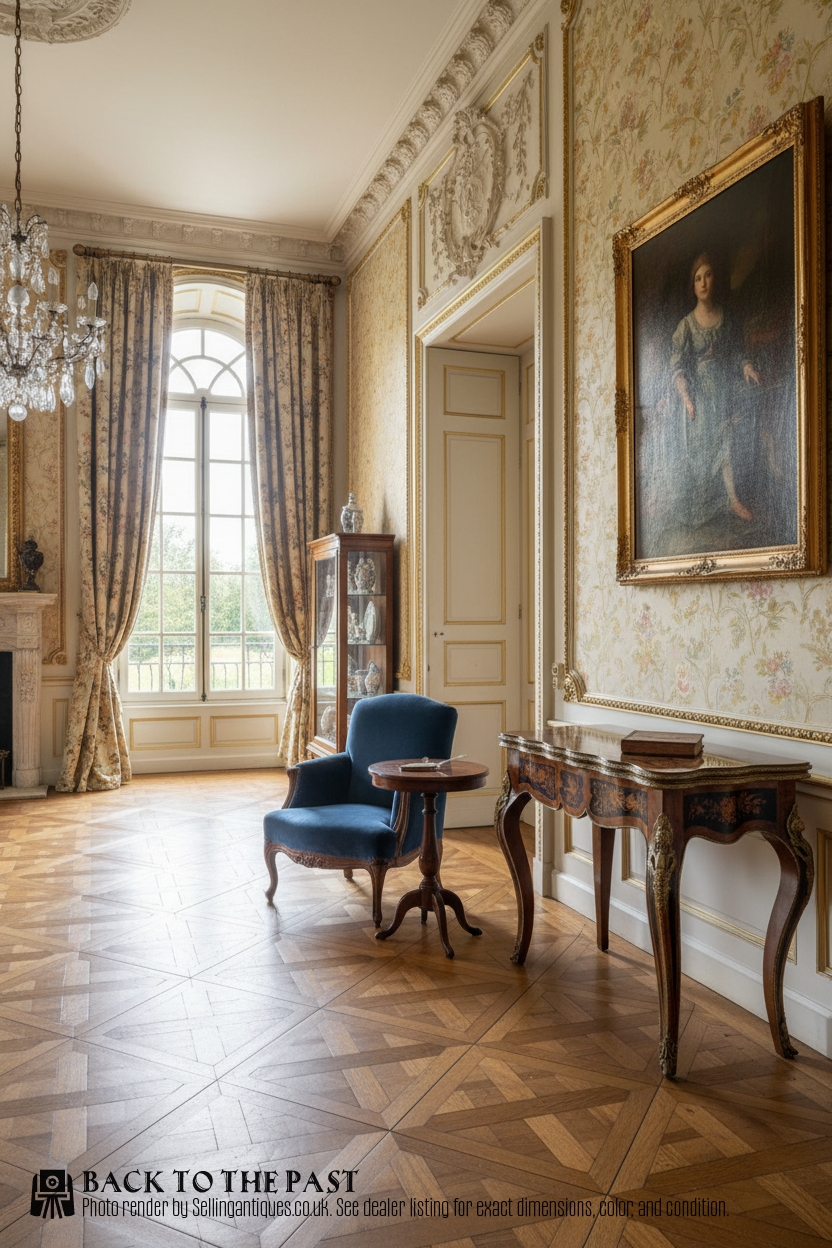
Louis XV Table
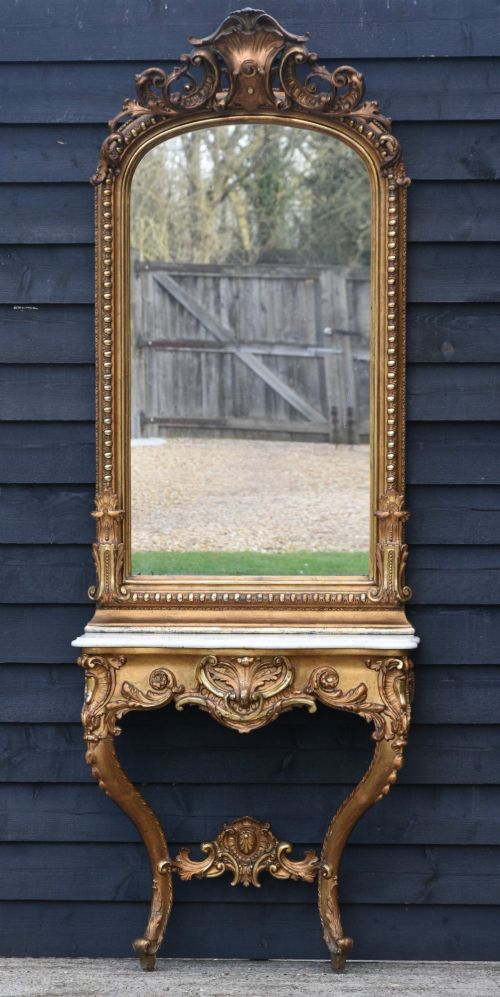
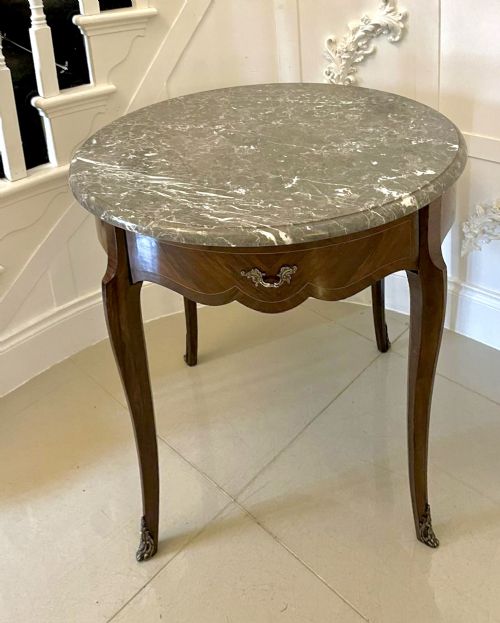
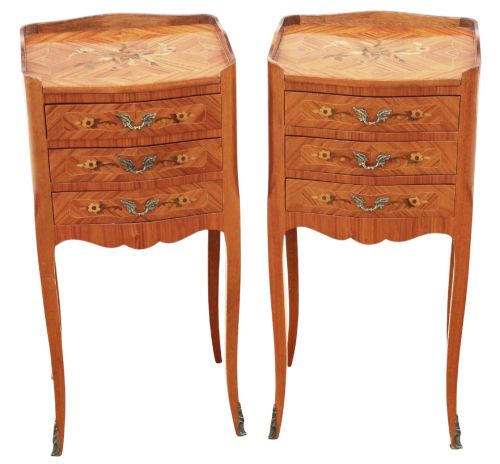
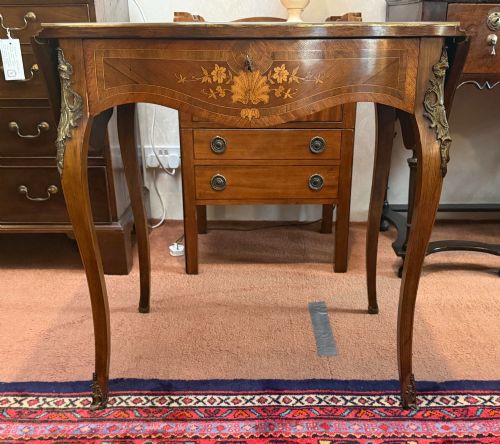
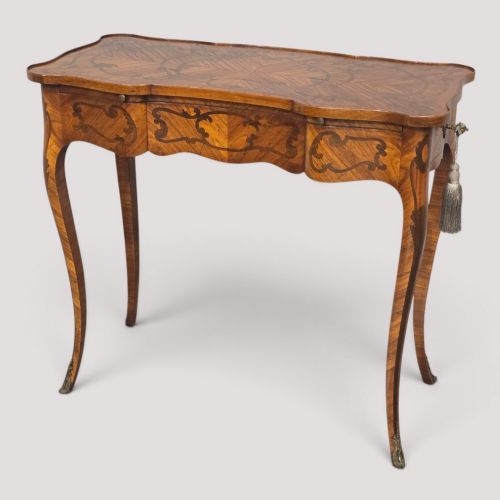
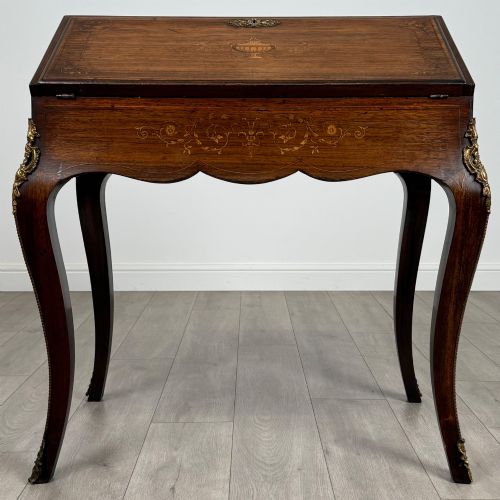
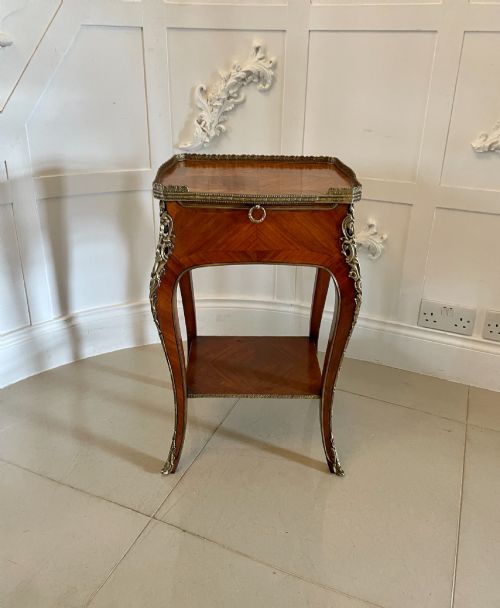
A louis xv table embodies the fluid, asymmetrical lines and organic forms of the Rococo movement, adapted by later makers during the nineteenth and early twentieth centuries. Buyers searching this phrase will find a diverse array of forms, from grand freestanding centre tables and writing desks to compact bedside cabinets and console tables.
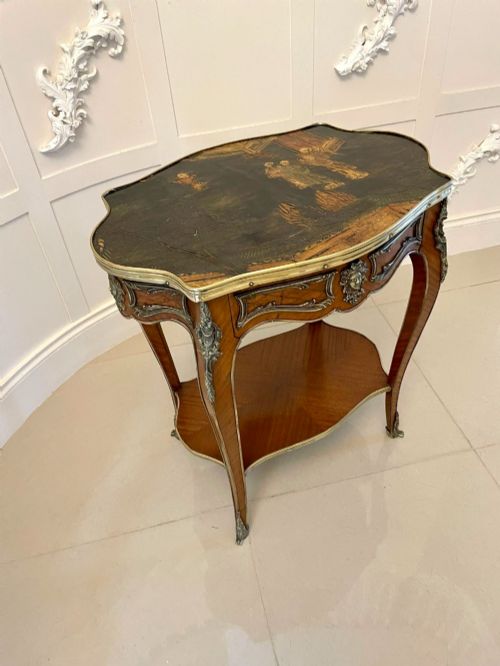
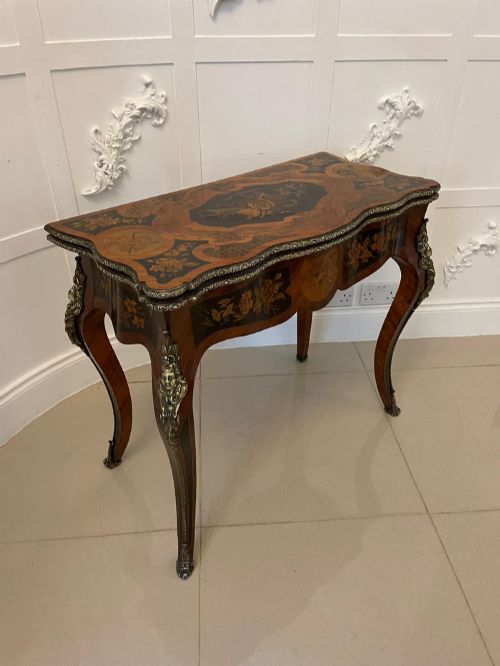
The pieces available most frequently on this page date from the nineteenth century through to the Edwardian era and the 1930s, reflecting a strong Victorian and later revival of French taste. These items range from elaborate marquetry-inlaid parlour pieces to painted boudoir furnishings with cabriole legs.
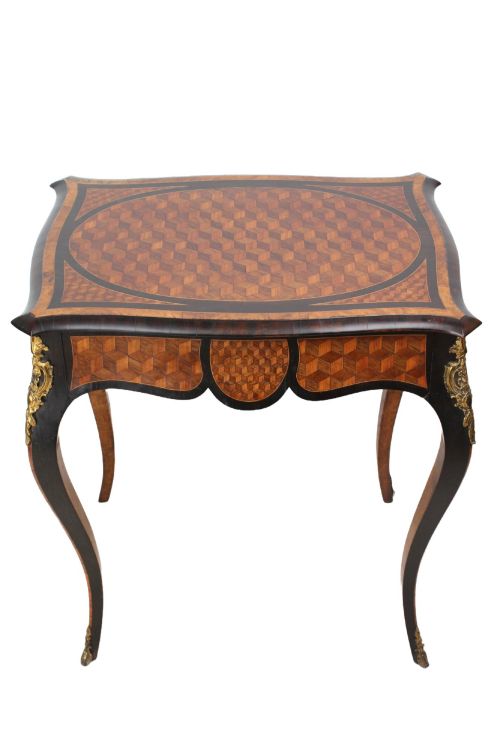
Whether designated as a bureau plat, an étagère, or a simple side table, each object displays the characteristic sweeping apron and curved leg associated with the style. Freestanding variations often feature detailed parquetry patterns designed to be viewed from every angle in a principal room.
Materials and Craftsmanship
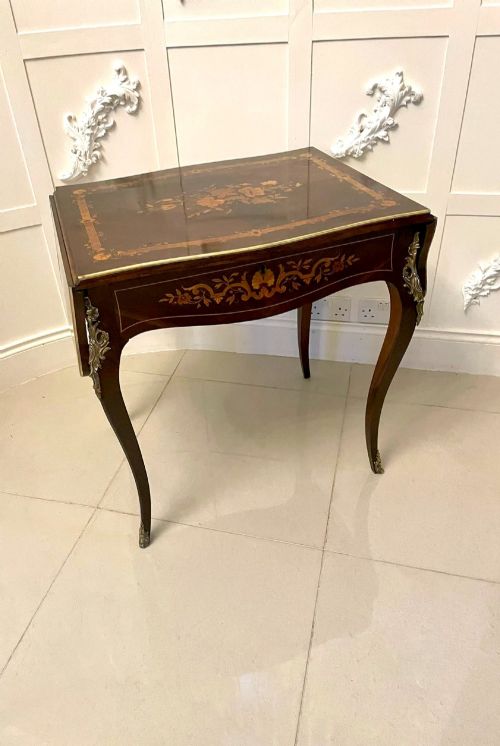
Cabinetmakers relied on dense exotic hardwoods such as kingwood, rosewood, and walnut as a stable foundation for intricate floral and geometric marquetry veneers. Satinwood and tulipwood were frequently contrasted within these inlaid panels to create a sense of depth and pictorial detail.
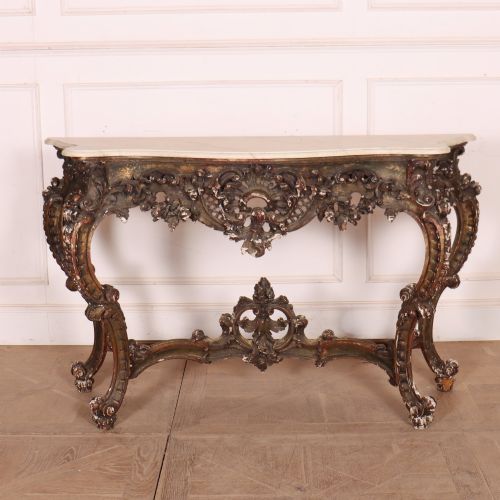
Gilt bronze and ormolu mounts were cast and hand-chiseled to accentuate the structural curves of the frame, protecting vulnerable corners while adding sculptural brilliance. Polished marble tops, often in shades of white or rouge, provided a durable and decorative surface for console and occasional tables.
Kingwood and ormolu dominate the materials recorded in nineteenth-century freestanding centre table listings.
Judging Quality and Execution
The distinction between standard production and master craftsmanship lies in the crispness of the ormolu chasing and the precision of the veneer work. Superior examples exhibit seamless integration between the bronze mounts and the wooden chassis, with hand-cut marquetry that remains tight and flush across complex serpentine surfaces.
Makers working at the highest level incorporated sophisticated internal mechanisms, such as writing slides or multi-tiered rotation, executed with smooth mechanical precision. The choice of secondary timbers and the depth of the hand-applied French polish further separate workshop pieces from mass-manufactured revival items.
François Linke·JAS Shoolbred·Joseph-Emmanuel Zwiener·Paul Sormani
The Louis XV Table Glossary
- Ormolu
- Gilded bronze used for decorative mounts and accents on fine furniture. The technique involves applying a gold amalgam to a cast bronze base before firing.
- Marquetry
- The art of applying small pieces of veneer to a structure to form decorative patterns or pictures. Craftsmen utilise various grain directions to catch the light.
- Bureau plat
- A freestanding writing desk with a flat top, usually featuring drawers along the frieze. These tables were traditionally finished on all sides to stand centrally in a room.
- Cabriole leg
- A furniture leg that bends outward in a convex curve and tapers inward in a concave curve, ending in a pad or scroll foot. This form mimics the natural shape of animal limbs.
- Parquetry
- Geometric wood inlay forming repeating patterns such as cubes or chequers. It differs from marquetry through its reliance on strict geometric repetition rather than pictorial designs.
Louis XV Table: Frequently Asked Questions
Are these tables solid wood?
Most pieces utilise a stable secondary timber core, such as oak or pine, which is then covered in decorative hardwood veneers like kingwood, walnut, or rosewood. This method prevents the warping that often affects large expanses of solid exotic timber.
Solid wood is occasionally found in simpler country or regional pieces, but finely ornamented examples rely on veneer to achieve complex geometric and floral marquetry patterns.
How do I distinguish 19th-century revival from 18th-century originals?
Nineteenth-century revival pieces, which make up the vast majority of standard marketplace offerings, often display machine-sawn veneer thicknesses and nineteenth-century construction hardware. Original eighteenth-century pieces show distinct hand-tool marks, traditional joinery specific to that era, and timber shrinkage consistent with great age.
Examination of the underside and drawer linings usually reveals the age of the construction methods and the tools utilised by the cabinetmaker.
Can I use a console table as a desk?
Console tables are generally designed to stand against a wall and often lack adequate knee clearance or functional drawers for regular writing tasks. Their shallow depth makes them better suited for display purposes beneath mirrors or artwork.
If you require a writing surface from this period, look specifically for a bureau plat or a designated writing table that offers proper ergonomic depth and integrated stationery drawers.
How do I care for a marble top?
Marble is a porous material that is sensitive to acidic substances like wine, citrus, and vinegar, which can etch the polished surface. Wipe spills immediately with a damp cloth and mild soap, avoiding harsh chemical cleaners.
Occasional application of a specialised stone wax helps protect the polish and maintains the natural lustre of the marble without damaging the underlying structure.