

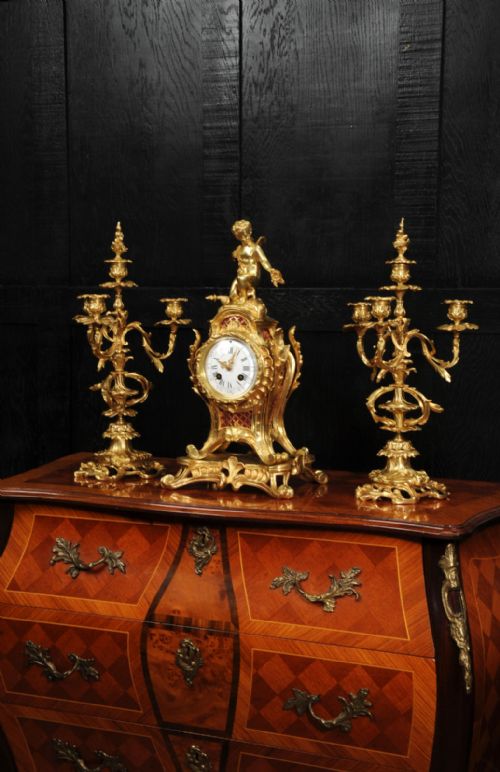


Louis XV Clock Garniture
A louis xv clock garniture brings exuberant French Rococo revival bronze, porcelain and ormolu into a room with striking decorative presence.
Louis XV Clock Garniture
A louis xv clock garniture typically comprises a central mantel clock accompanied by matching side pieces such as cherub candelabras or urns, forming a unified decorative set. These assemblies draw upon French Rococo revival aesthetics with characteristic asymmetry and organic scrollwork.
Most examples found in these listings date from the nineteenth century, specifically spanning decades from eighteen sixty to nineteen hundred. The forms range from grand bronze sculptural sets to delicate Paris porcelain and ormolu mounted compositions.
Buyers encounter complete three-piece garniture sets featuring intricate figural subjects like Cupid or cherubs alongside traditional dial faces. The enduring appeal lies in this complete decorative harmony designed for the nineteenth century mantelpiece.
How they were made
These sets utilise cast bronze and ormolu to create elaborate mounts with deep scrolling and gilded surfaces. Foundries combined these metallic elements with cobalt blue porcelain, white marble, red marble and Imari ceramic bodies.
Enamel dials feature prominently on the mantel clocks, often paired with hand-painted porcelain panels in the Sevres style. Artisans chased the bronze and mounted the porcelain components to achieve the ornate profiles characteristic of the revival periods.
Periods represented span from eighteen sixty through to nineteen hundred, encompassing French Rococo and Louis XVI revival styles.
What varies in quality
Quality rests upon the crispness of the bronze casting and the depth of the ormolu gilding. Superior examples display finely chased detail in sculptural figures like Cupid and cherubs, where every contour remains sharp.
The integration of materials dictates the overall merit of a set, particularly the hand-painted execution on porcelain panels and the harmony between the clock body and its matching candelabras.
The Louis XV Clock Garniture Glossary
- Ormolu
- Gilded bronze used extensively for decorative mounts on nineteenth century French clock sets. This technique involves applying a gold amalgam to a bronze base.
- Garniture
- A set of matching decorative objects for a mantelpiece, typically consisting of a central clock flanked by two matching candelabras or vases. Such sets created a balanced display.
- Rococo Revival
- A nineteenth century design movement reviving the asymmetric curves and naturalistic motifs of the original eighteenth century French style. It dominates the ornamentation of these clock sets.
Louis XV Clock Garniture: Frequently Asked Questions
What pieces make up a clock garniture?
A standard garniture consists of a central mantel clock accompanied by two matching side pieces, such as candelabras or urns. These matching components were designed to sit together on a mantelpiece.
The matching side pieces share the materials and decorative motifs of the central clock, typically featuring bronze, ormolu, and porcelain elements.
How do you date a French clock set?
Dating relies on stylistic clues, material combinations, and manufacturing techniques recorded across the nineteenth century. Most surviving examples date from periods between eighteen sixty and nineteen hundred.
Examination of the dial enamelling, the style of the bronze casting, and the specific porcelain decoration helps narrow the period of origin.
Where were these clock sets displayed?
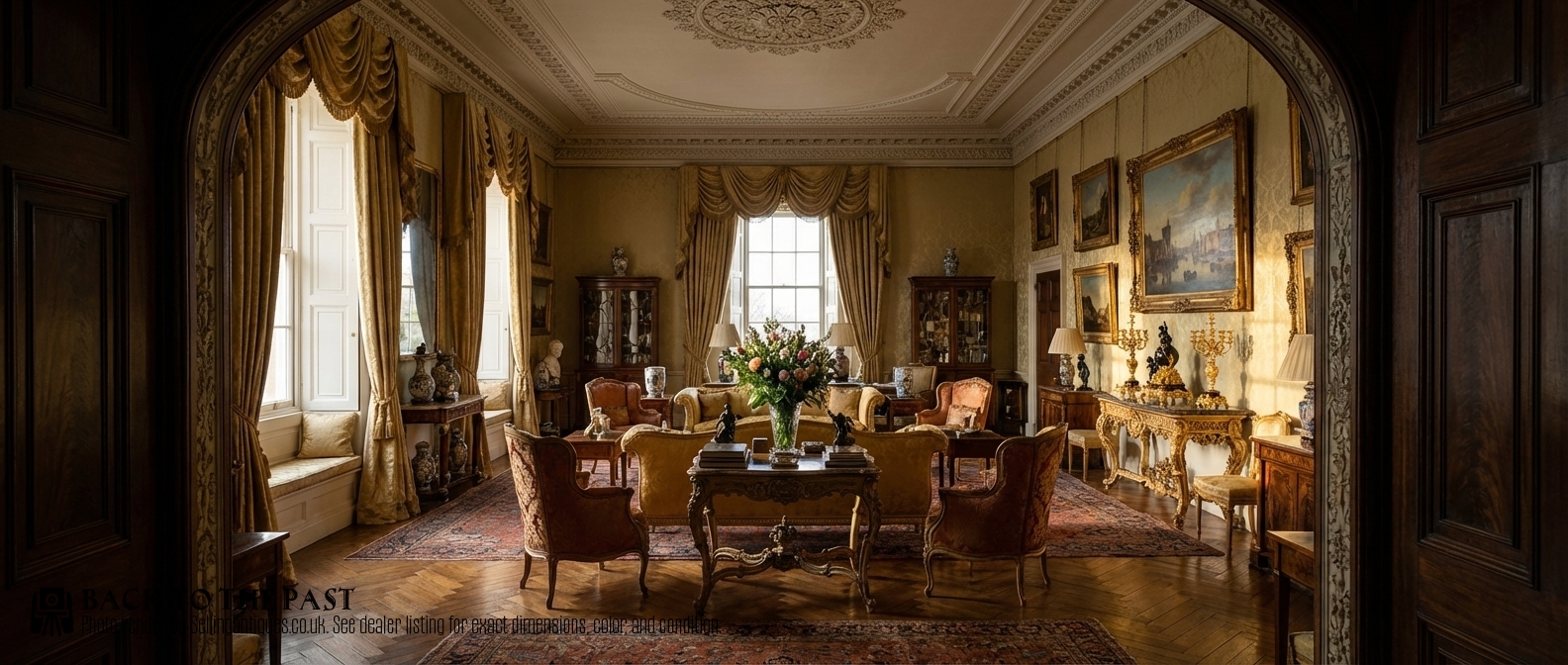
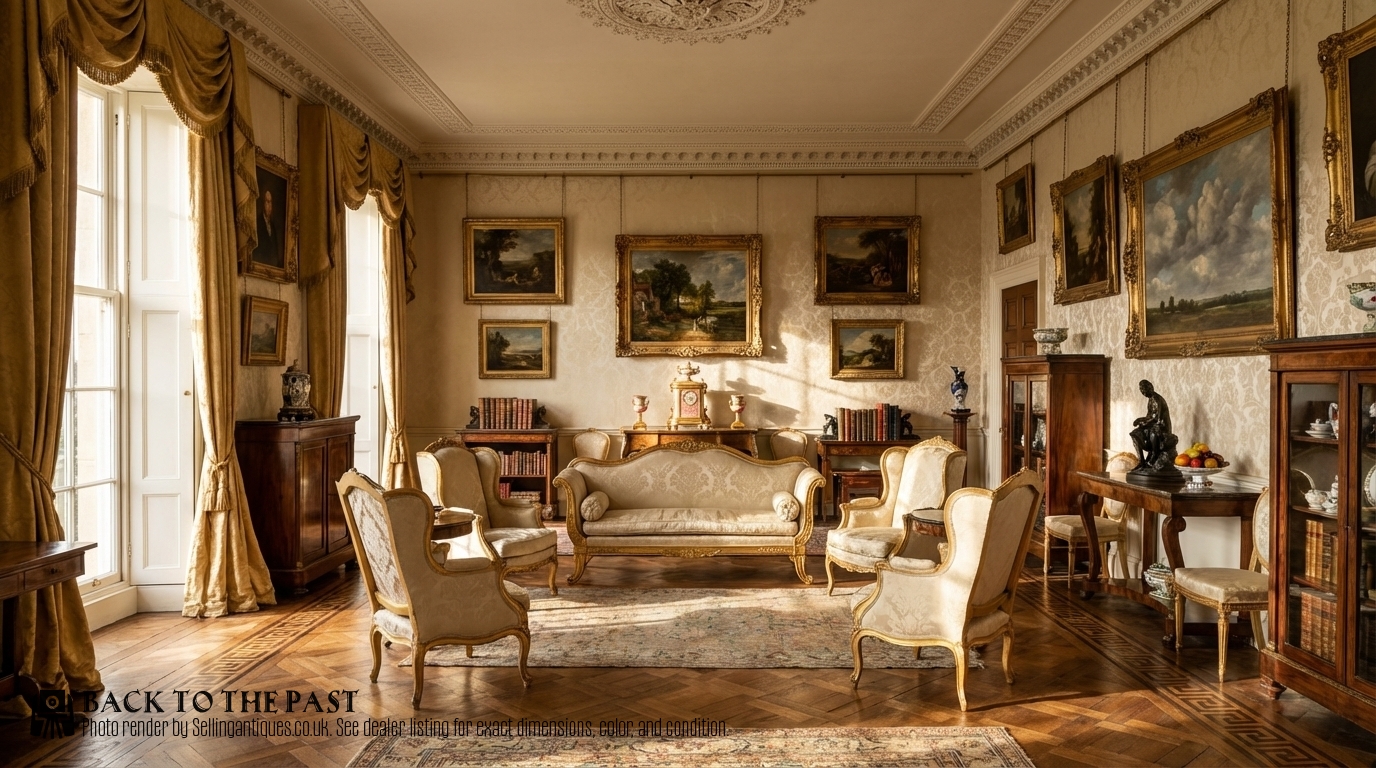
These decorative sets were designed to anchor the mantelpiece in formal nineteenth century reception rooms and parlours. The three-piece arrangement provided grand symmetrical presence.
Placing the central clock between matching candelabras created a balanced visual display that reflected contemporary interior fashion.