


Louis XV Bench
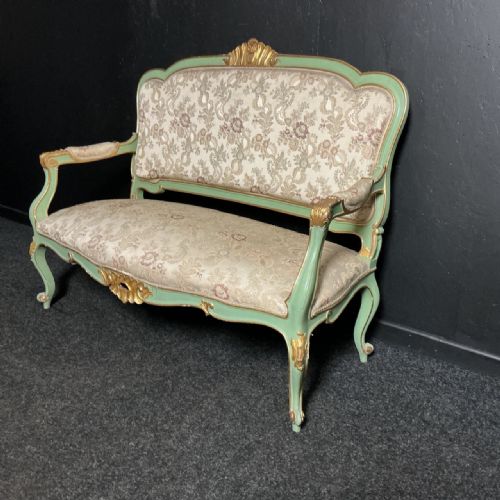
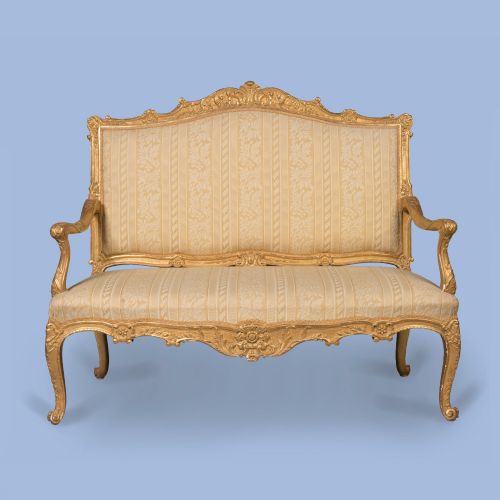
A louis xv bench brings the fluid curves and carved elegance of eighteenth-century France into a room, offering seating that doubles as ornate sculpture.
Louis XV Bench
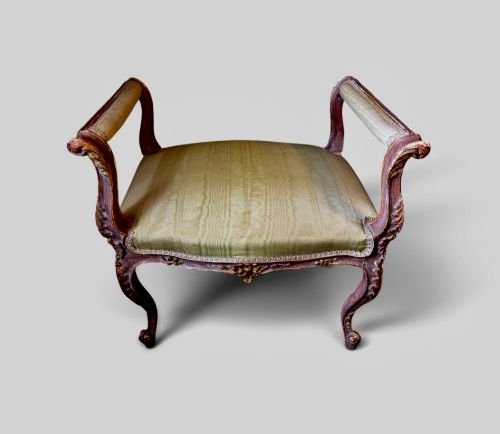
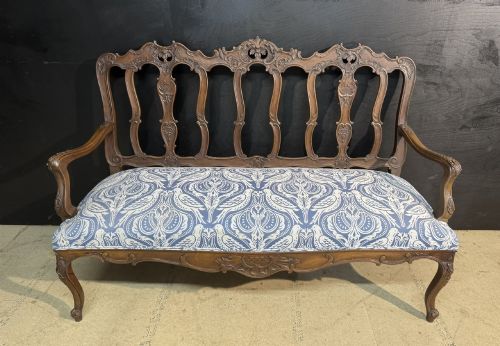
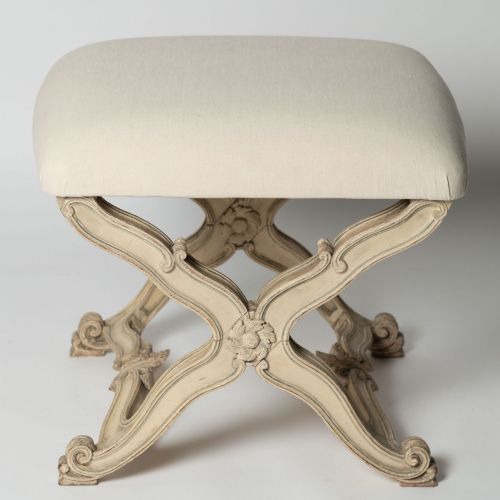
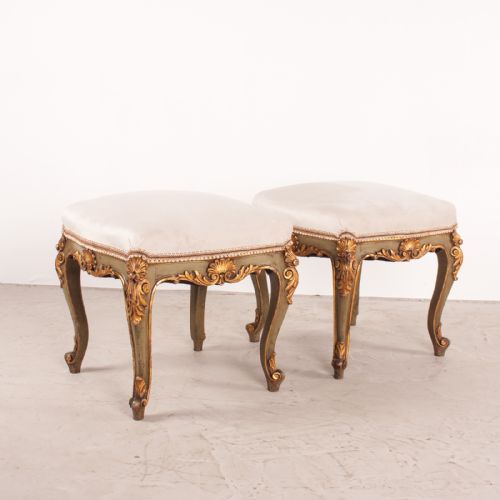
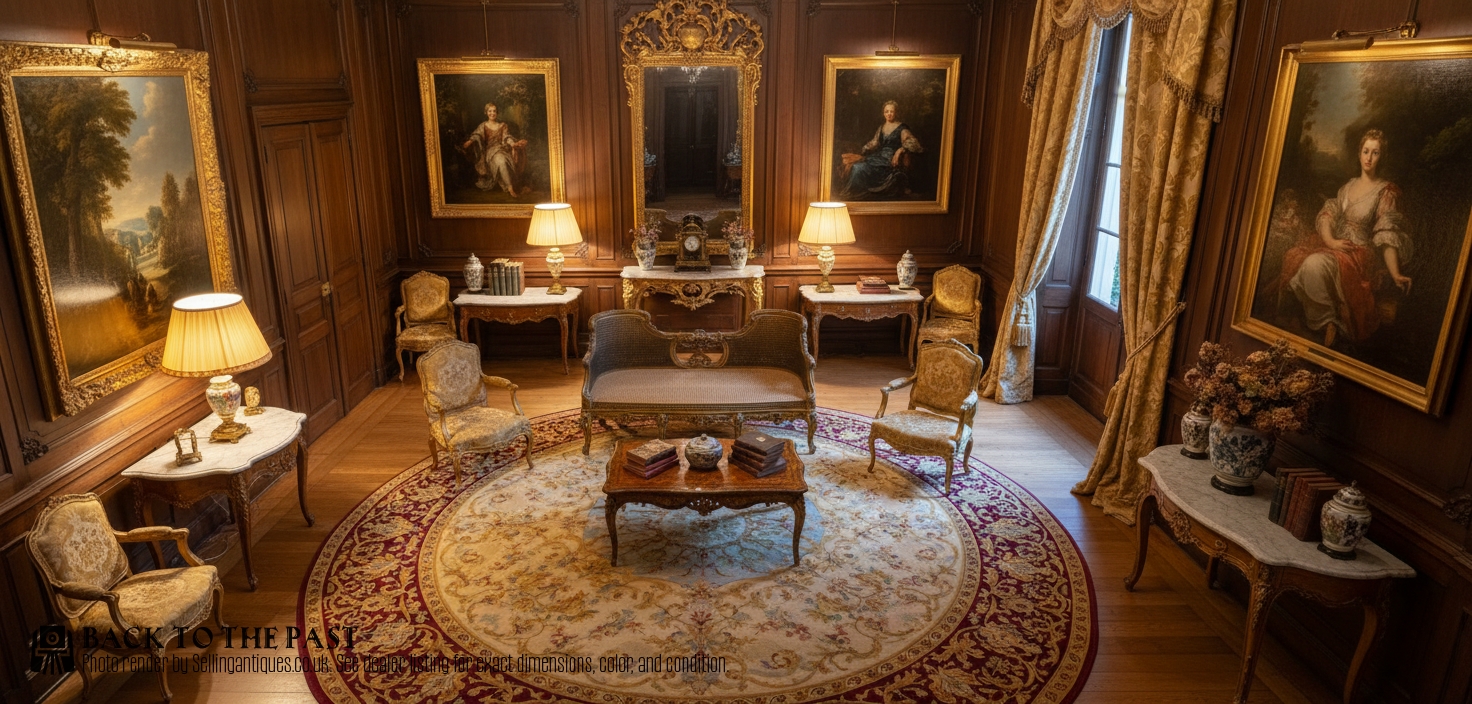
When you search for a louis xv bench, you encounter a variety of low seating forms designed with characteristic asymmetrical scrolls and sweeping lines. The listings show that buyers most frequently meet smaller seats, window seats, and footstools alongside larger multi-seater sofas and canapés.
The period scope extends from authentic eighteenth-century examples to later nineteenth-century revivals and twentieth-century interpretations. These pieces originate largely from French and continental workshops, embracing styles from French provincial to ornate rococo revival.
Object types vary widely across the inventory, encompassing daybeds, long stools, and open-arm couches. Each version employs the signature cabriole leg and flowing structural contours associated with the court aesthetic.
Materials and Construction Methods
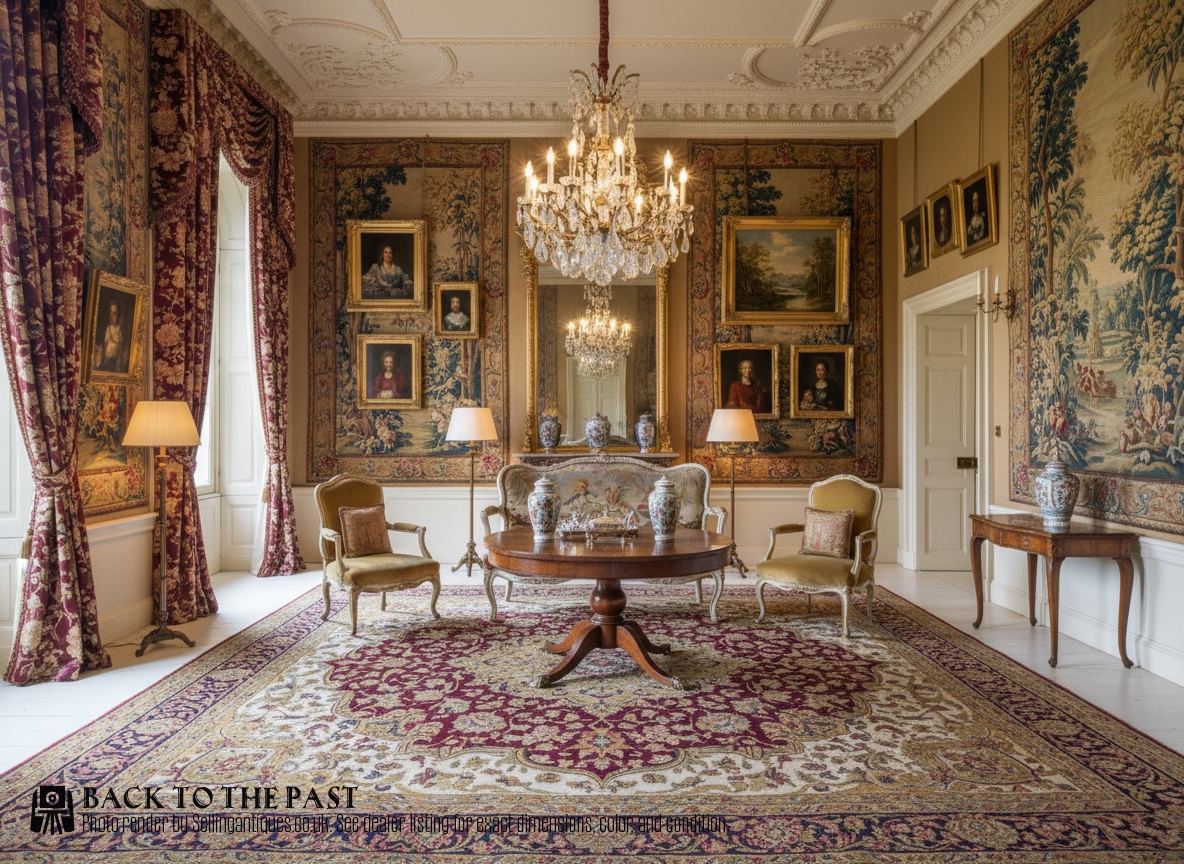
Makers shaped the structural frames primarily from walnut and various other woods, often finishing the surfaces with gilding, paint, or parcel gilt highlights. Giltwood appears extensively on formal pieces, while painted finishes suit provincial interpretations.
Upholstery relies on traditional textiles including velvet, silk, linen, and various decorative fabrics. Several pieces also incorporate woven cane panels within the wooden framework for lighter texture.
Listings feature frames constructed from walnut, giltwood, and painted wood, upholstered in velvet, silk, linen, and cane.
Distinctions in Execution
The crispness of the hand-carved ornamentation separates superior examples from simpler production. Deeply undercut foliage, scrolls, and floral motifs carved directly into the solid wood indicate skilled joinery and artistic effort.
The integrity of the frame construction and the choice of surface finish dictate the overall success of the piece. Finely preserved original gilding or carefully applied painted patination holds greater visual appeal than heavy, modern refinishing.
The Louis XV Bench Glossary
- Canapé
- An upholstered sofa or settee featuring an exposed wooden frame, typically carved in the rococo manner. This form provides seating for two or more occupants.
- Giltwood
- Wood that has been coated with a thin layer of gold leaf or gold paint. This treatment enhances formal seating pieces intended for grand interiors.
- Bergere
- An enclosed upholstered armchair or settee with solid wooden sides and a padded seat. The style offers comfortable, sheltered lounging.
- Cabriole leg
- A furniture leg that curves outward in a convex arc and then bends inward in a concave arc, terminating in a decorative foot. This silhouette defines much eighteenth-century design.
- Cane
- Woven rattan or plant material used to create light, resilient panels for backs and seats. It provides a decorative alternative to full fabric upholstery.
Louis XV Bench: Frequently Asked Questions
What distinguishes a Louis XV bench from a standard stool?
A Louis XV bench typically incorporates characteristic stylistic markers such as cabriole legs, asymmetrical scrollwork, and carved floral motifs derived from rococo design.
Standard modern stools lack these specific historical carved details and fluid structural curves.
How were these benches used in historic interiors?
Historic interiors utilised these pieces as moveable seating in salons, bedchambers, and long galleries where guests gathered.
Window seats and daybeds provided comfortable spots for daytime resting or reading near natural light.
How do I care for giltwood and painted finishes?
Giltwood and painted surfaces require gentle dusting with a soft, dry cloth to prevent abrasion of the delicate metallic leaf or pigment.
Keep these pieces away from direct sunlight and moisture to preserve the stability of the wood and finish.
Are these pieces from the eighteenth century?
The inventory includes items spanning from authentic eighteenth-century examples to nineteenth-century revival pieces and twentieth-century interpretations.
Examining the construction methods, wear patterns, and wood characteristics helps determine the exact period of manufacture.