
London Brass Dial Clock
A London brass dial clock brings centuries of precise horological craft into a room.
London Brass Dial Clock
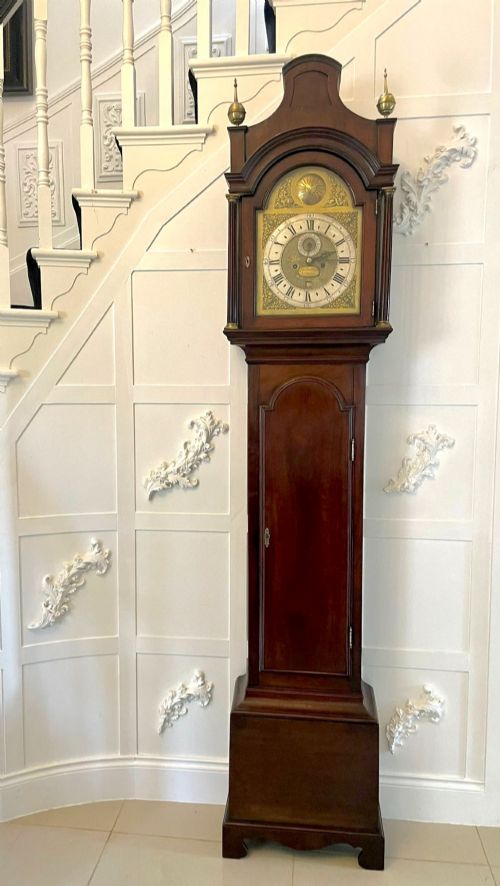
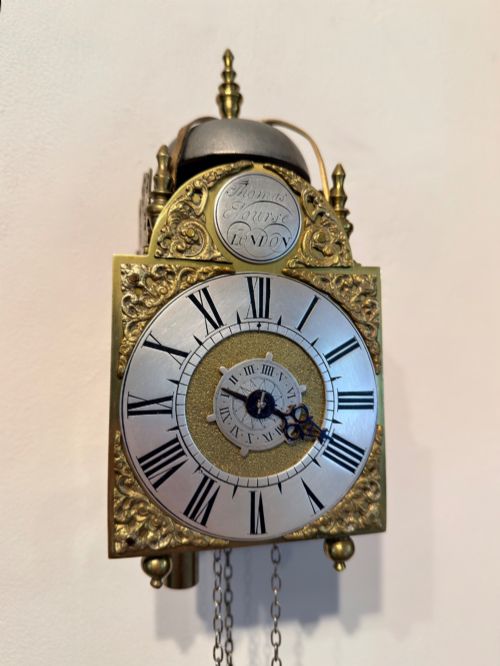
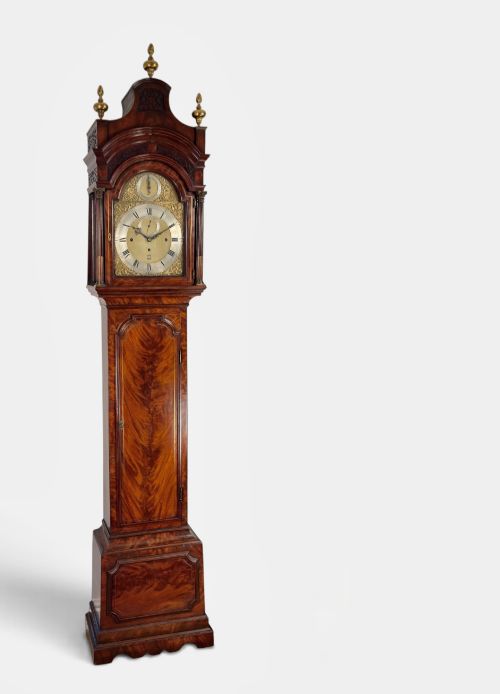
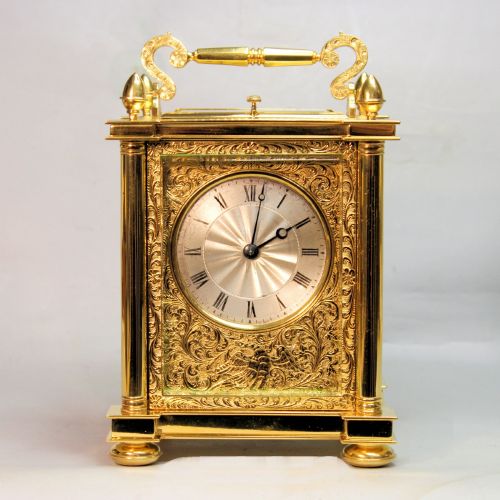
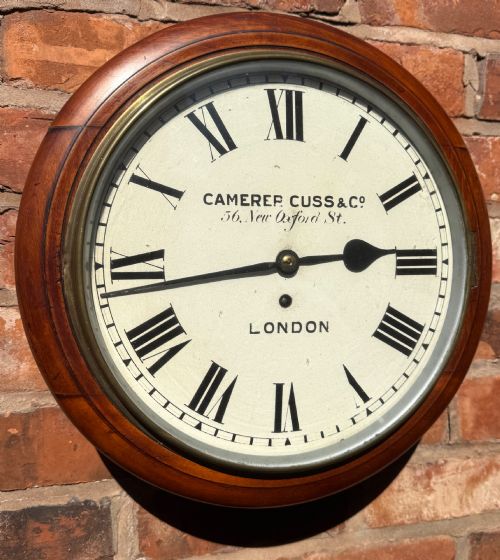
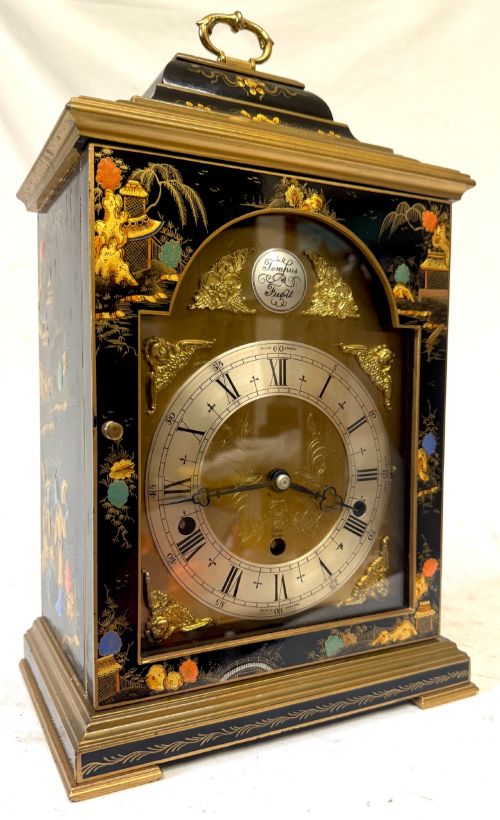
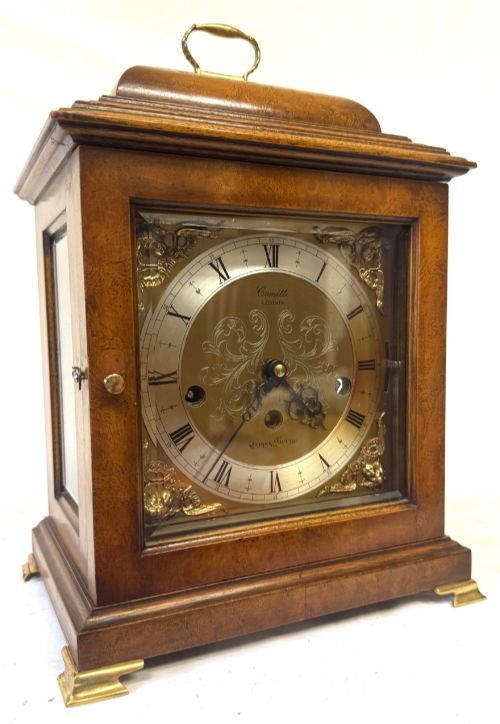
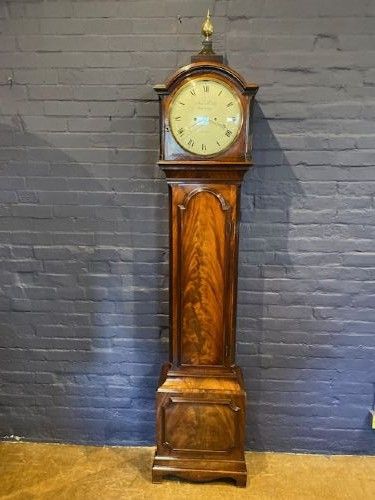
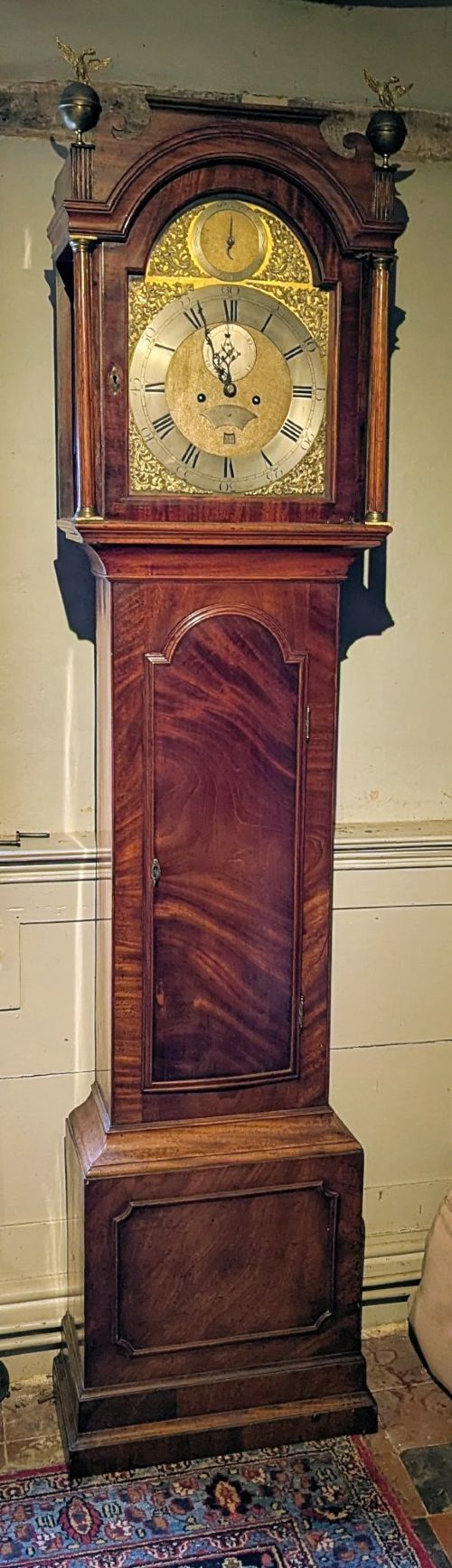
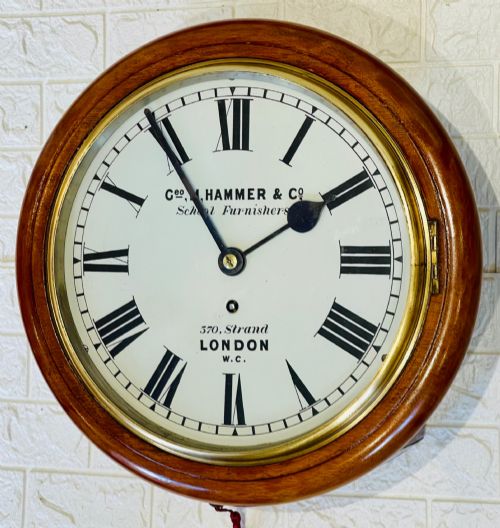
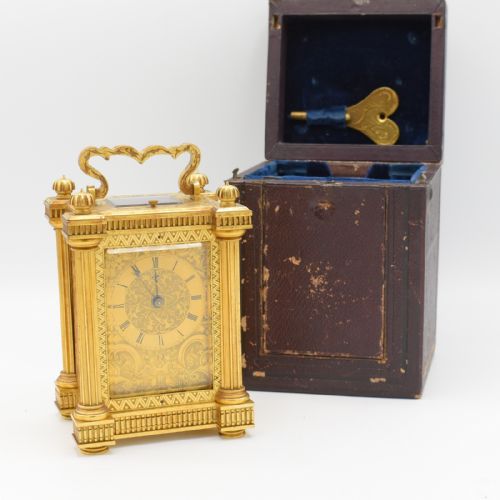
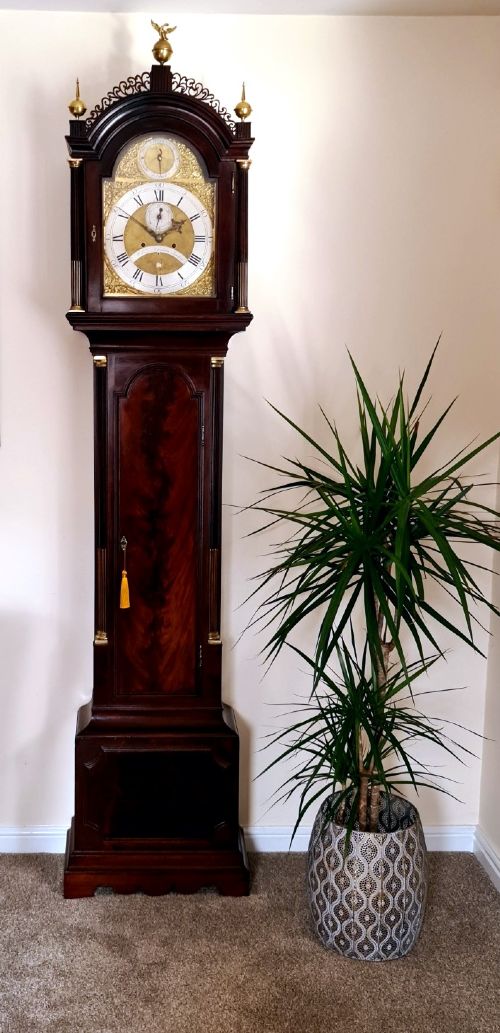
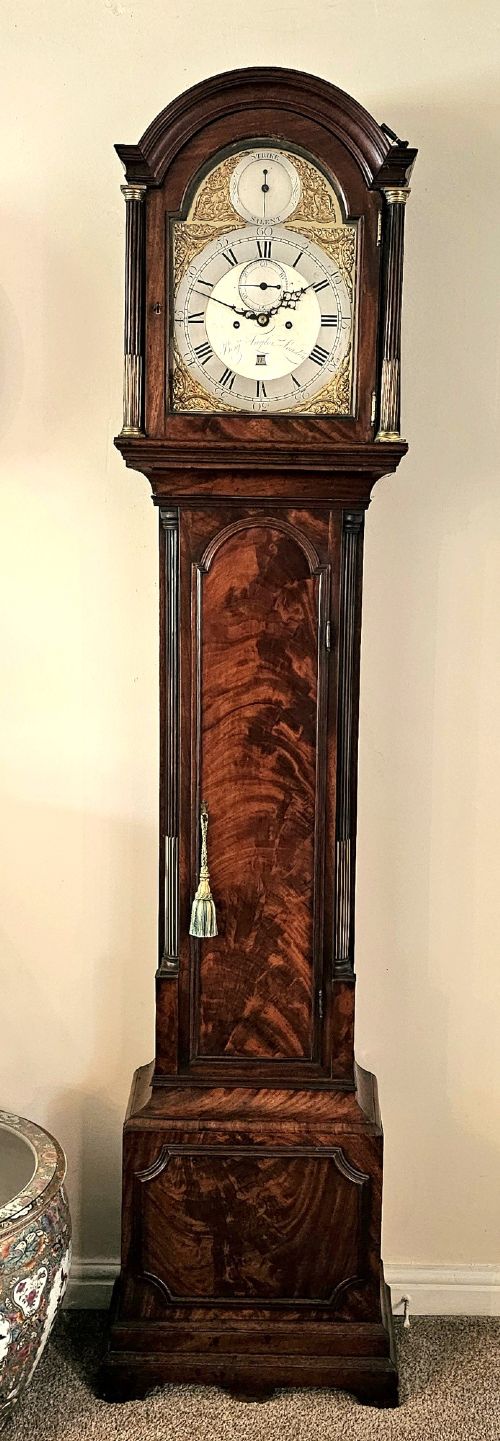
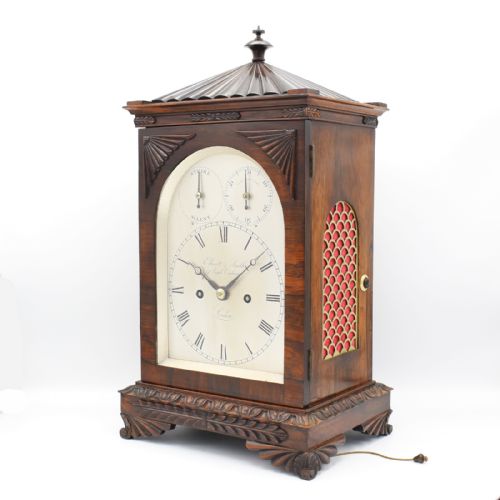
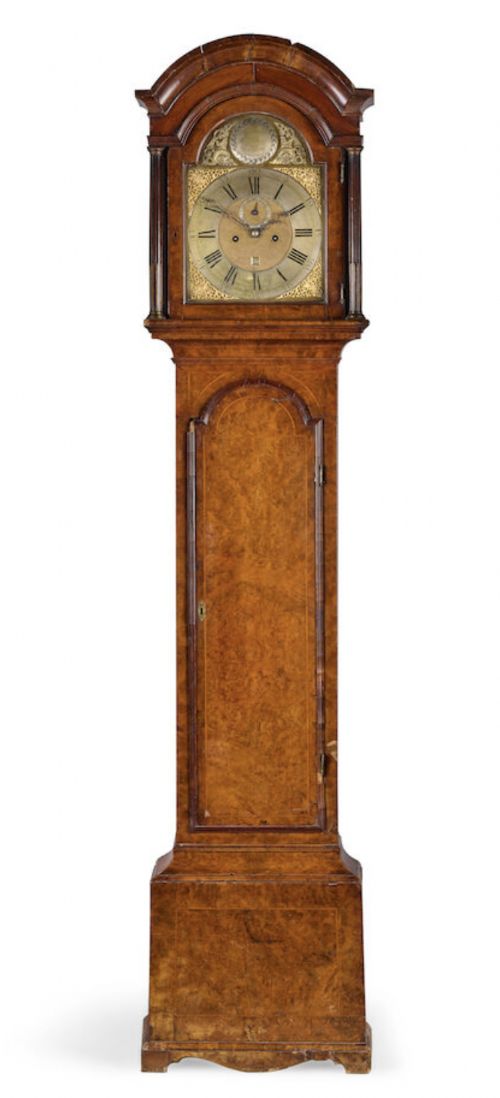
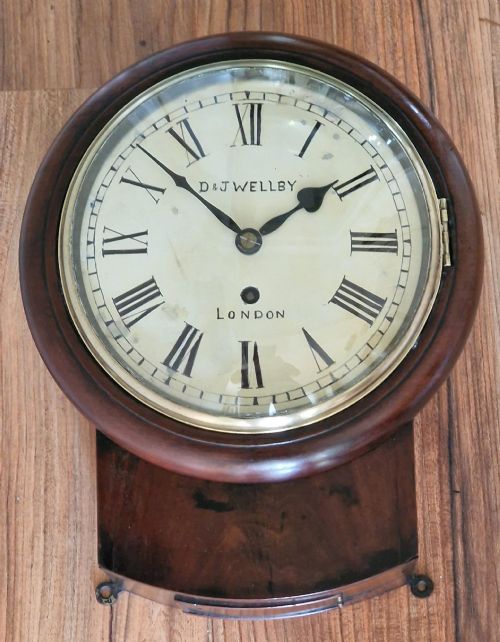
A london brass dial clock encompasses tall case pieces, wall dials and mantel designs originating from capital workshops. Buyers examine longcase clocks, wall clocks and bracket clocks spanning the eighteenth to the twentieth century.
The longcase format dominates the earlier periods, housed in mahogany, walnut or oak cabinetry. Wall clocks and fusee dial pieces appear frequently from the nineteenth century onward, often featuring circular bezels and brass or silvered metal faces.
Distinguishing Quality
The refinement of the movement and the integrity of the fitted case determine the standing of each piece. Signed dials from notable makers indicate higher workshop status, while timber selection and cabinetry detail separate standard production from superior examples.
Charles Shuckburgh·John Ellicott·Cousens & Whiteside·Camerer Cuss & Co·Elliott·Comitti Of London·James McCabe·Howell & James·William Jourdain·Benjamin Taylor·Ellicott & Smith·Windmills and Wightman·D&J Wellby·Pickford Of London·Henry Weedon·Mclennan·Margaine Of France·John Walker·Thwaites·Thomas Vernon·Dent·Cole·Langley Bradley·William Payne·Des Granges
The London Brass Dial Clock Glossary
- Fusee
- A conical pulley used in clock movements to maintain even tension on the gear train as the mainspring unwinds. This mechanism ensures consistent timekeeping throughout the running cycle.
- Dial
- The face of the clock where the hours and minutes are displayed. On these pieces, dials are typically formed from brass, silvered metal, or enamel.
- Longcase clock
- A tall pendulum clock housed in a wooden floor-standing case, commonly referred to as a grandfather clock. These tall enclosures protect the weighted movement.
- Bracket clock
- A portable table or mantel clock originally designed to sit on a wall bracket. They often feature carrying handles and glazed side panels.
London Brass Dial Clock: Frequently Asked Questions
How do I wind an antique clock?
Winding requires a key matched to the specific square arbor on the dial face. Turn the key gently until resistance signals the mainspring is fully wound.
Avoid over-winding, as this strains the vintage mechanism and can damage the internal gearing.
Where should I place a longcase clock?
Position the piece against a sturdy interior wall away from direct sunlight and heating vents. Temperature fluctuations cause timber cases to expand and contract.
A level floor ensures the pendulum swings evenly and the movement keeps accurate time.
What does a fusee movement do?
The fusee is a conical drum connected to the mainspring by a fine chain or cord. As the spring loses power, the chain moves to a wider part of the cone.
This clever design equalises the pull on the gear train throughout the entire running period.
How do I identify the age of a clock?
Examine the maker's signature on the brass dial, the timber used in the case, and the construction style of the movement. Georgian and earlier pieces often display hand-engraved brass plates.
Later Victorian and twentieth-century examples incorporate standardised components and different wood finishes like burr walnut or lacquered Chinoiserie.