



Lion Mask Brass Vessel
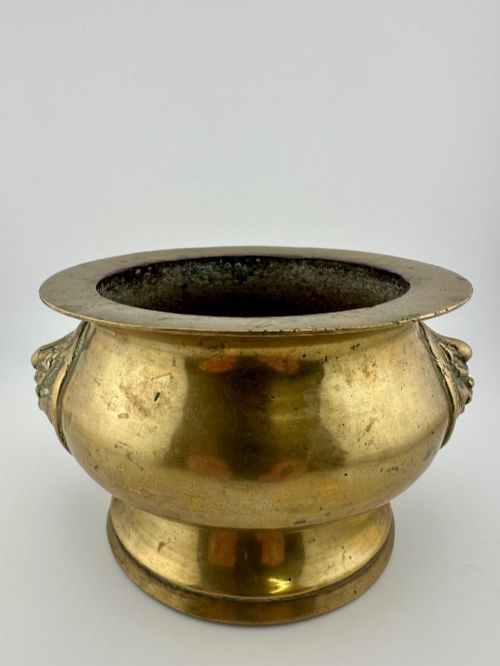
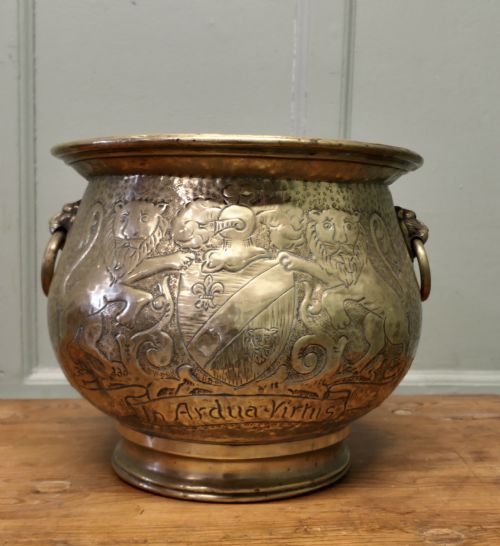
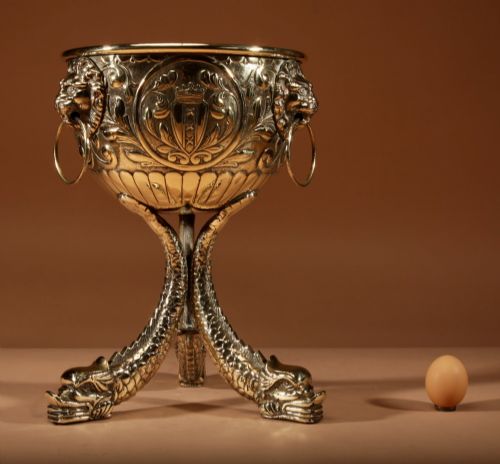
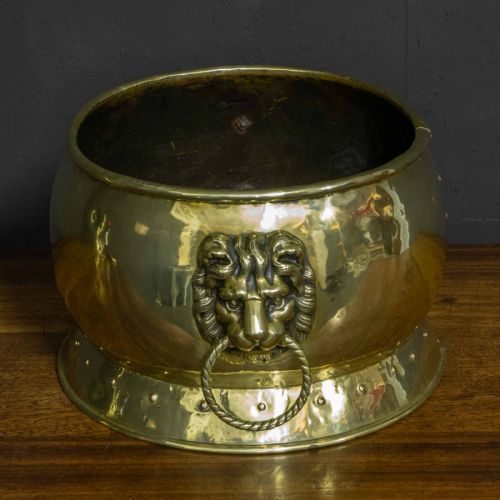
A lion mask brass vessel delivers heavy metal and classical cast detail straight to your hearth or garden.
Lion Mask Brass Vessel
A lion mask brass vessel combines utilitarian holding forms with cast sculptural ornament, appearing primarily as jardinieres, planters, and incense burners. These items serve to hold plants, logs, or incense, bringing weight and historic metalwork into domestic spaces.
The versions most frequently met on this page date from the nineteenth century, including Victorian pieces alongside examples from the eighteenth century and the early twentieth century. Styles span from Dutch traditional and French Empire to Gothic Revival and Qing dynasty echoes.
Forms range from cylindrical planters and log buckets to handled censers and cauldrons. Makers utilised brass predominantly, alongside bronze, copper, and mixed metals paired with mahogany mounts.
How they were made
Metalworkers employed casting, embossing, and piercing techniques to shape vessels from brass, bronze, and copper sheets or molten pours. Handles and decorative motifs like lion masks were cast separately and affixed to the main body.
Surface treatment involved hammering, chasing, and turning on the lathe to finish cylindrical bodies and accentuate raised shields or foliate patterns. Mahogany mounts on specific umbrella stands demonstrate mixed-material construction typical of the period.
Lion Mask Brass Vessel Retail Price Guide 2026
Typical asking prices for lion mask brass vessel among the pieces listed under this phrase on Sellingantiques today, from the lower quarter to the upper quarter. They describe what is for sale here now, not the wider market.
A lion mask handle usually stares straight ahead, guarding the plant life within from unseen domestic spirits.
What varies in quality
Material gauge and construction integrity distinguish robust domestic containers from lighter decorative items. Heavy-gauge brass and secure joins ensure structural longevity across heavy jardinieres and log buckets.
The Lion Mask Brass Vessel Glossary
- Jardiniere
- An ornamental pot or stand for holding flowers and plants. These vessels often sit on floors or tabletops.
- Dinanderie
- A medieval term revived for various objects made of brass or copper alloy, often embossed or hammered. This covers many European decorative metal vessels.
- Censer
- A vessel made for burning incense, frequently featuring ritual handles. Chinese bronze examples often incorporate lion masks.
- Pierced work
- Metal perforated with patterns by hand or tool. This technique lightens heavy brass bodies with decorative openwork.
Lion Mask Brass Vessel: Frequently Asked Questions
What were lion mask brass vessels used for?
These vessels held indoor plants, cut flowers, burning incense, or fireplace logs depending on their size and depth. Domestic interiors of the eighteenth and nineteenth centuries utilised them as both functional containers and decorative ornaments.
Larger cylindrical forms served as umbrella stands or log buckets near hearths, while smaller censers and bowls remained on tables for burning aromatic substances.
How do I date a brass vessel?
Dating relies on stylistic clues, manufacturing marks, and construction techniques visible on the metal body. Nineteenth-century examples often display machine-turned elements or specific revival motifs like Gothic shields.
Earlier pieces from the eighteenth century show hand-beaten surfaces and distinct patination acquired through centuries of polishing and atmospheric exposure.
Are these vessels waterproof?
Many historic jardinieres and planters lack modern waterproof linings, meaning direct planting can risk moisture damage to the metal or underlying surfaces. Placing a hidden plastic or ceramic insert inside protects the antique brass from prolonged dampness.
Checking the base for soldered repairs or historic patches helps determine if a vessel holds water safely without leaking.