



Heavy Brass Container
A heavy brass container antique is a robust domestic vessel built to hold fuel or water, prized for its honest utility and enduring metalwork.
Heavy Brass Container
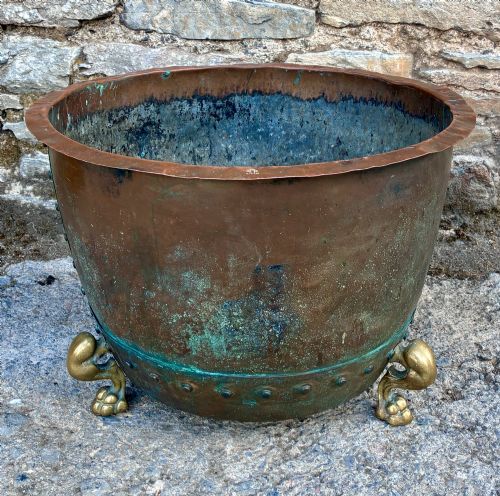
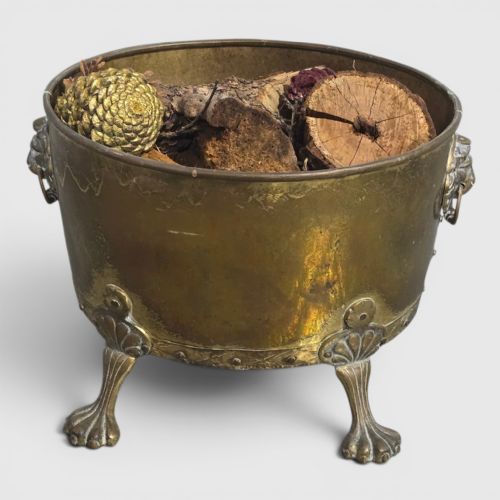
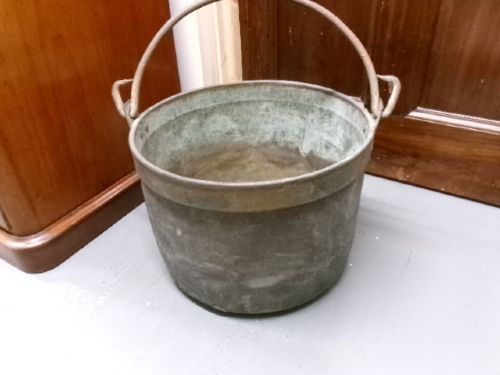
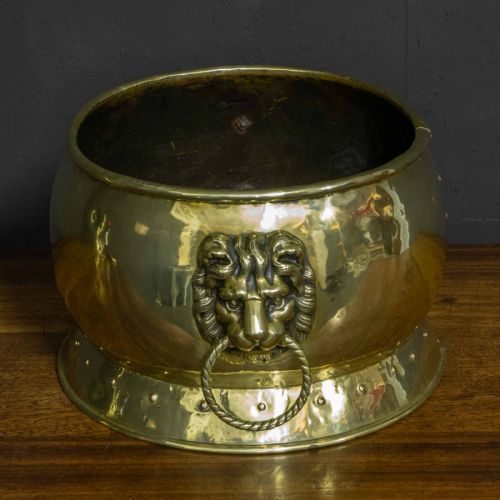
A heavy brass container antique encompasses utilitarian vessels such as log bins, coal buckets, cauldrons, and pails designed for daily domestic service. These objects originate primarily from the nineteenth century, including specific decades like the 1860s, 1880s, 1890s, 1900s, 1910s, and 1930s, reflecting Victorian and later practical needs.
Buyers on this page most frequently encounter Victorian brass coal buckets, log bins, and copper vessels with swing handles or riveted construction. Styles range from plain utilitarian forms to Anglo-Indian campaign buckets, Indo-Persian designs, and rustic farmhouse or Arts and Crafts examples.
How they were made
Makers utilised heavy brass, copper, cast brass, iron, and galvanised steel to construct these containers for demanding household tasks. Metal sheets were shaped and joined with rivets, while handles were forged or cast to withstand heavy loads of coal and logs.
Surface treatment involved beating, riveting, and polishing to create both functional storage pieces and decorative domestic items. Construction methods prioritized structural strength, ensuring the vessels endured decades of heat, weight, and constant handling.
Heavy Brass Container Retail Price Guide 2026
Typical asking prices for heavy brass container among the pieces listed under this phrase on Sellingantiques today, from the lower quarter to the upper quarter. They describe what is for sale here now, not the wider market.
Listings feature items from the 1860s through the 1930s, using brass, copper, iron, and galvanised steel in Victorian, Arts and Crafts, and Anglo-Indian styles.
What varies in quality
Quality rests upon the weight of the metal, the integrity of the riveted joints, and the presence of maker attribution such as the work of William Soutter and Sons. Substantial gauge brass and copper command greater appreciation because they retain their structural form better under heavy use.
Design elaboration also separates standard utilitarian buckets from superior examples, particularly where hand-hammered detailing, swing handles, or distinctive Anglo-Indian and Indo-Persian stylistic motifs elevate the object beyond simple utility.
William Soutter and Sons
The Heavy Brass Container Glossary
- Coal scuttle
- A domestic container designed specifically for holding and transporting coal to a fireplace, often featuring a shovel scoop or angled opening. These vessels combine functional metal construction with decorative presence by the hearth.
- Cauldron
- A large metal pot or kettle with a swing handle, traditionally used for heating liquids over an open fire. In nineteenth-century examples, heavier brass and copper construction allowed them to serve dual decorative and storage roles.
- Campaign bucket
- A portable metal vessel originally constructed for travel or military use, characterised by sturdy recessed handles and reinforced joints. Anglo-Indian variants often display distinctive decorative brass work.
- Riveted copper boiler
- A large water-heating or washing vessel assembled from heavy copper plates joined by mechanical rivets. This method of construction ensures a tight, durable seam capable of enduring high heat.
- Log bin
- A deep floor-standing container intended to store firewood near a hearth. They utilise heavy brass, iron, or copper to support the rough weight of timber logs.
Heavy Brass Container: Frequently Asked Questions
What were heavy brass containers used for?
These vessels served practical nineteenth-century domestic duties, primarily hauling and storing coal, carrying water, or holding firewood near the hearth. Their robust construction was engineered to withstand the heavy wear of daily household maintenance.
Over time, many of these utilitarian pieces transitioned from active service to decorative fireside accessories, appreciated for their warm metal tones and solid historical craftsmanship.
How do I date a Victorian brass bucket?
Dating relies on examining the manufacturing techniques, such as hand-riveted seams, cast handles, and material composition like heavy brass, copper, or iron. Stamped makers' marks or specific stylistic cues like Anglo-Indian motifs also provide clues to the decade of origin.
Comparing the weight of the metal and the style of the rim or swing handle against documented nineteenth-century examples helps narrow down whether a piece belongs to the Victorian era or later twentieth-century production.
Can I use an antique brass bucket for logs?
Yes, many of these containers were originally manufactured as log bins or heavy pails and remain structurally suited for holding firewood. Their solid brass, copper, and iron construction handles the rough weight of timber without difficulty.
Placing logs inside adds an authentic period atmosphere to a fireplace setting, provided the interior is kept dry to preserve the historic metal surface.
What is the difference between brass and copper?
Brass is an alloy of copper and zinc, typically exhibiting a brighter yellow or golden tone, while copper is a pure metal with a distinct reddish-brown hue. Both materials were frequently used interchangeably or together in nineteenth-century fireside vessels.
Objects listed on this page often combine both metals, using copper for the main body and brass for handles, rims, or riveted accents to create visual contrast.