
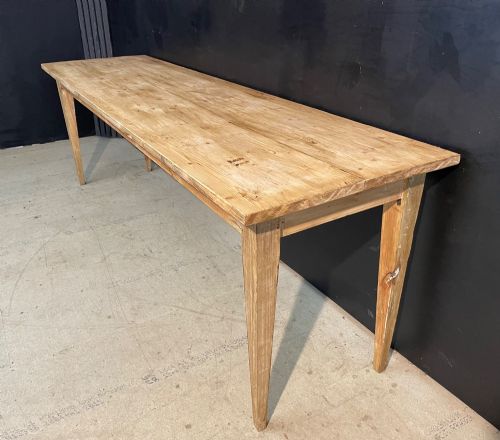
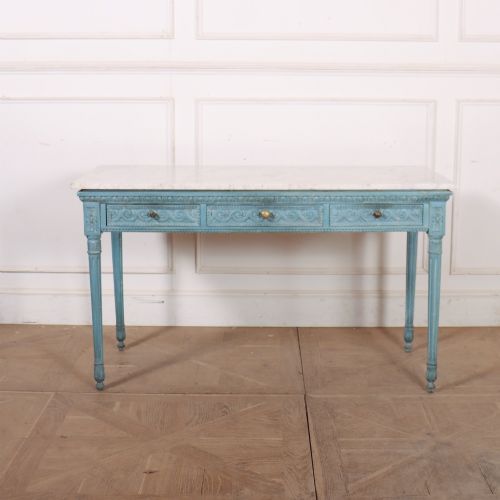
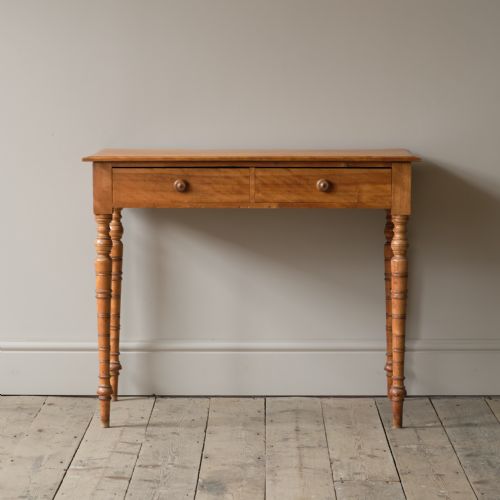

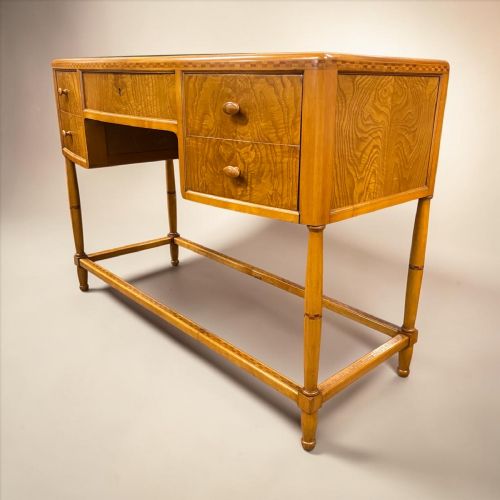
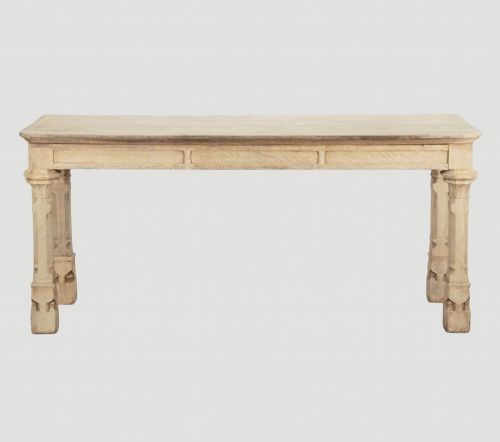
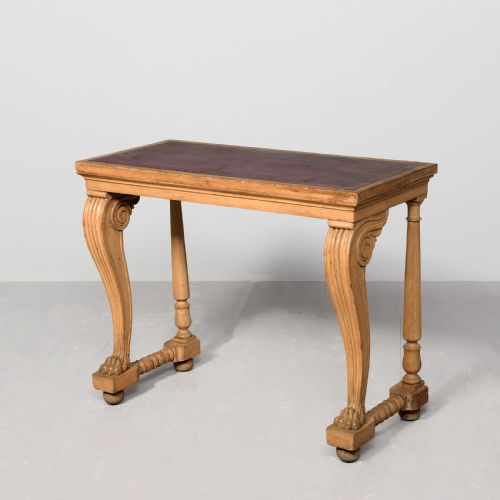
Light Wood Side Table
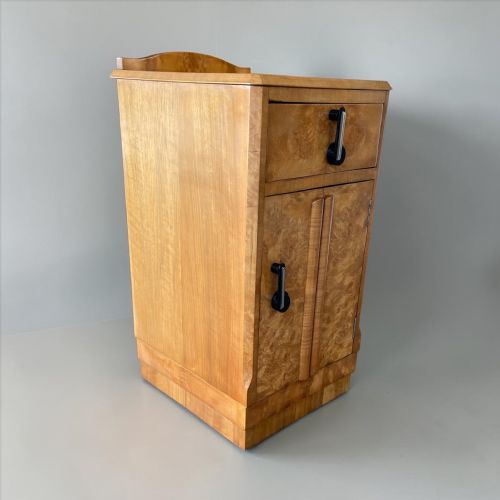
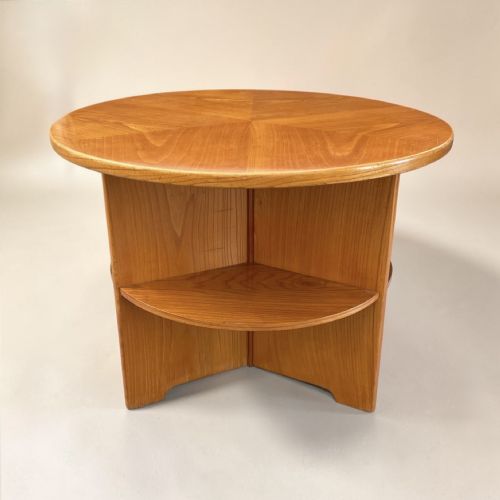
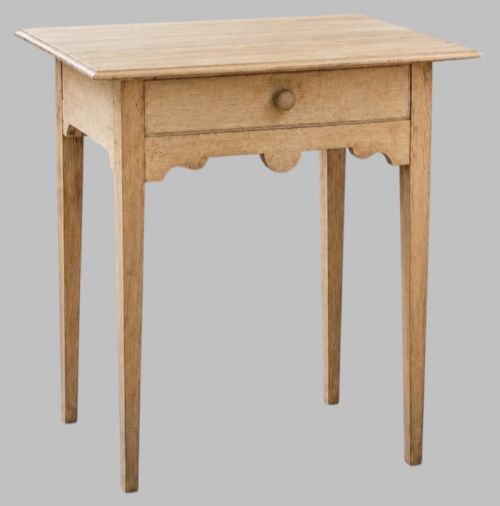
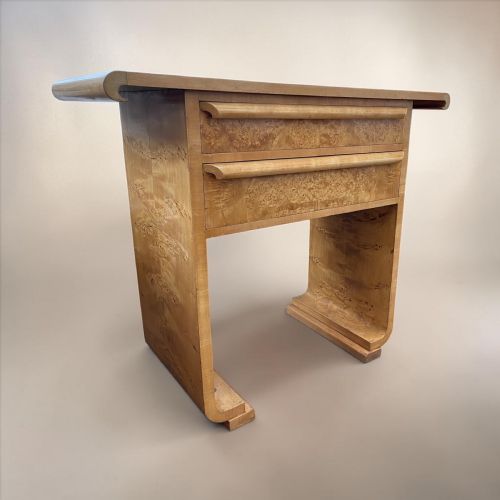
A light wood side table brings warmth and pale timber grain to a room, ranging from Georgian oak to Art Deco elm.
Light Wood Side Table
A light wood side table encompasses side tables, bedside cabinets, console tables, and occasional tables shaped from pale timbers. These pieces emerge from periods spanning the eighteenth century through the Art Deco era and the twentieth century.
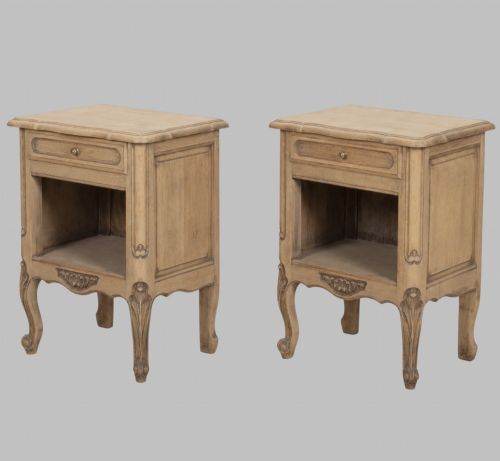
The version most commonly met on this page is the bleached oak or birch side table, often originating from Georgian, Victorian, or early twentieth-century workshops. They appear in forms designed for practical placement beside beds, chairs, or along hallways.
Makers and regional joiners across England, France, Sweden, and Italy shaped these lighter woods into tables, servers, and writing desks. The selection includes rustic country pieces alongside refined modernist designs.
How they were made
Joiners and cabinet makers utilised solid oak, birch, satin birch, ash, elm, pine, and cherry wood for these tables. Timber selection dictated the structural integrity and the natural grain pattern visible across the top surface.
Construction techniques include traditional mortise and tenon joints, hand-carving, and turnings appropriate to periods such as the Georgian era or the Art Deco movement. Some pieces rely on intentional bleaching processes to achieve their pale surface tone.
Surface treatments range from waxed finishes that highlight the fiddleback sycamore or elm grain to painted elements and occasional marquetry inlay.
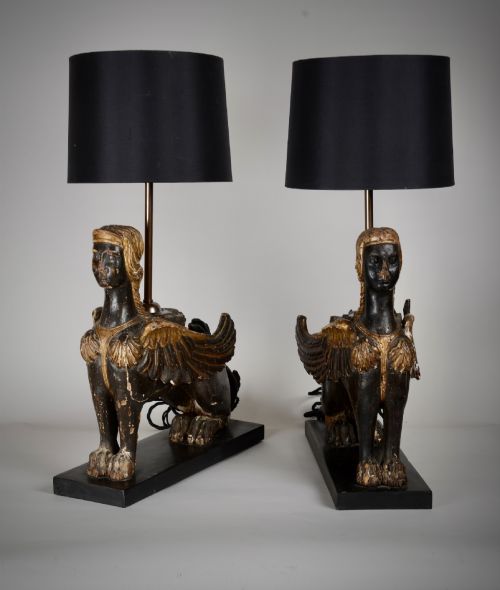
A Black Forest bear carved from linden wood stands ready to hold a lamp in the collection.
What varies in quality
The distinction between standard examples and superior pieces rests on the choice of timber and the crispness of the joinery. Solid fiddleback sycamore, figured birch, and well-executed carving denote higher workmanship than utility pine.
Proportion and structural balance separate simpler provincial items from sophisticated urban commissions. A well-proportioned console or side table maintains clean lines and balanced weight across its legs and top.
Fortnum and Mason·James Mein of Kelso·Hille, England
The Light Wood Side Table Glossary
- Bleached oak
- Oak timber treated to lighten its natural dark tone, creating a pale surface popular in twentieth-century and earlier revived interiors. This finish softens the visual weight of heavy furniture.
- Console table
- A table designed to stand against a wall, frequently supported by two or four legs or brackets. They often function as serving or display surfaces in hallways.
- Fiddleback sycamore
- Sycamore timber featuring a undulating grain pattern that resembles the back of a violin. It catches light across the surface.
- Occasional table
- A small, movable table intended for intermittent use within a living space or bedroom. These pieces include octagonal and pedestal forms.
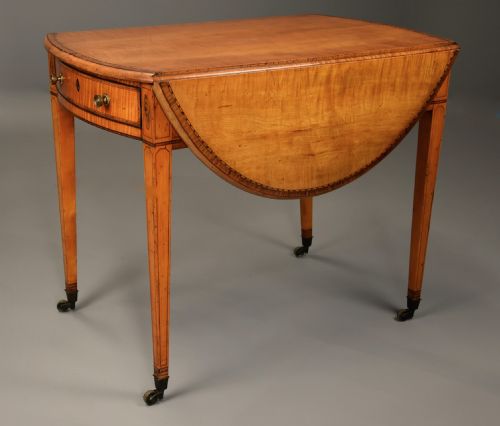
- Pembroke table
- A small rectangular table with hinged drop leaves on either side. It typically includes one or more small drawers.
Light Wood Side Table: Frequently Asked Questions
Where should I place a light wood side table?
These tables fit easily beside a bed, next to an armchair, or placed flat against a hallway wall as a console. Their pale tones brighten darker corners without dominating the surrounding furniture.
Consider the height of your seating or bed before selecting a bedside cabinet or occasional table to ensure comfortable daily use.
How do I care for antique bleached oak?
Dust regularly with a dry cloth and avoid harsh chemical cleaners that strip the delicate surface finish. Natural wax applied sparingly helps maintain the timber protection.
Keep these tables away from direct heat sources and strong sunlight to prevent the light wood from drying out or discoloring over time.
What is the difference between an occasional table and a side table?
Side tables generally serve a fixed purpose beside a bed or chair for lamps and books. Occasional tables are lighter, smaller, and moved about the room as needed.
Both forms utilise materials like oak, birch, and pine across various historical periods.
How can I date a wooden side table?
Dating relies on examining construction marks, tool traces, timber preparation, and the overall style of the piece. Georgian and Victorian pieces show hand joinery methods distinct from twentieth-century Art Deco production.
Hardware such as handles and hinges also provides reliable clues to the manufacturing decade.