


Turned Wood Side Table
A turned wood side table brings functional timber and shaped supports together, offering a practical surface suited to daily placement in a room.
Turned Wood Side Table
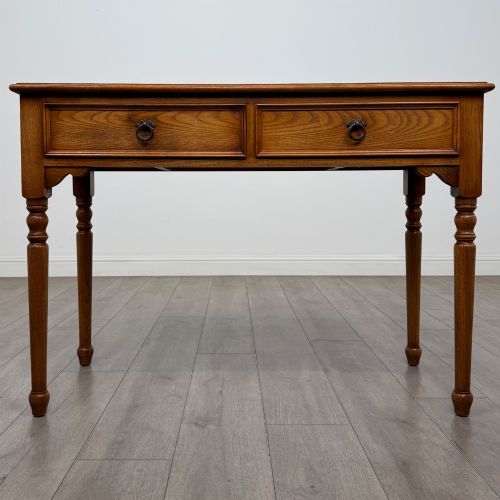
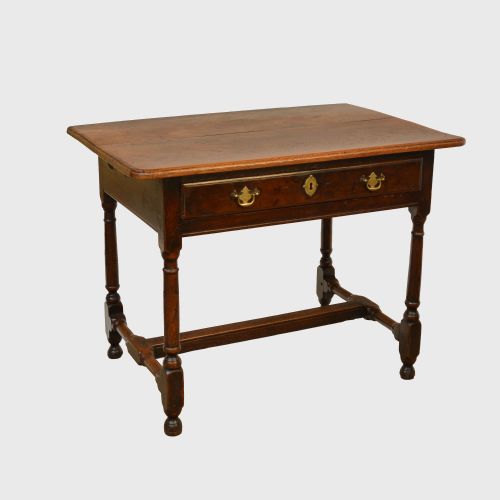
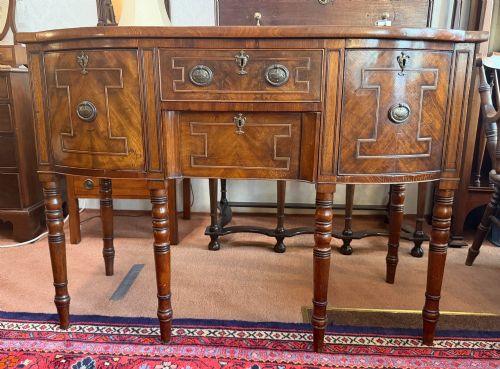
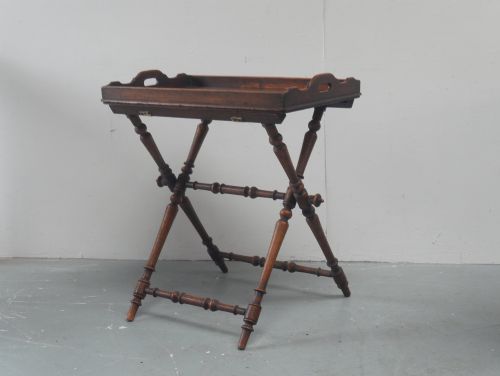
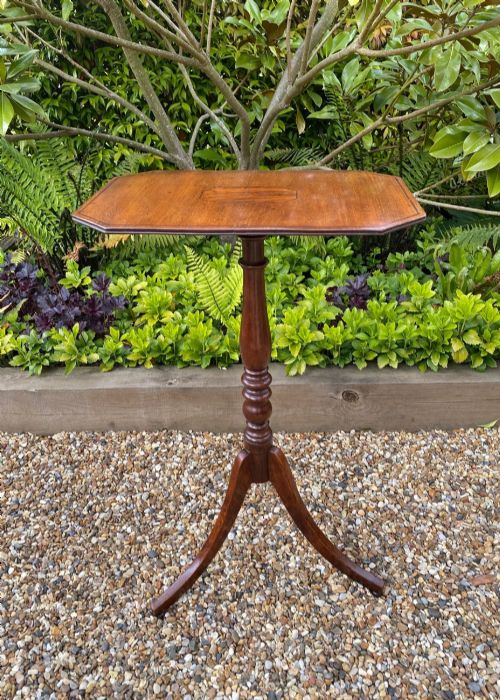
A turned wood side table is a compact surface built for occasional use, positioning a top upon shaped or lathe-formed legs. Buyers seeking a turned wood side table encounter various forms ranging from simple lamp stands to occasional tables and small desks.
The materials span oak, mahogany, walnut, elm, and yew, reflecting centuries of timber working traditions. Examples date from the 17th century through the Georgian, Victorian, and Edwardian periods.
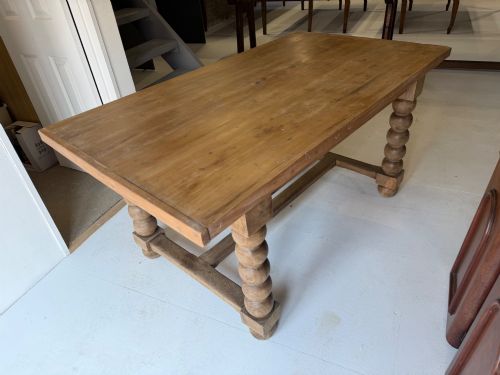
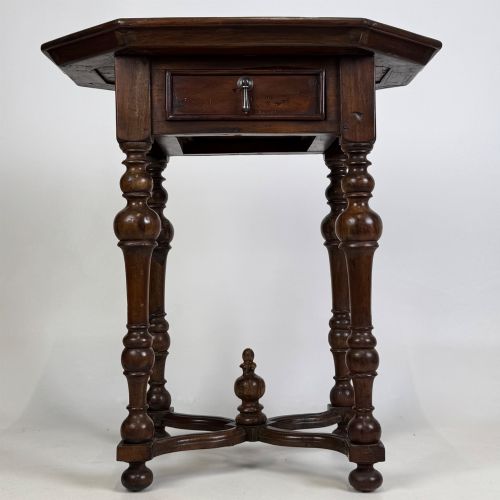
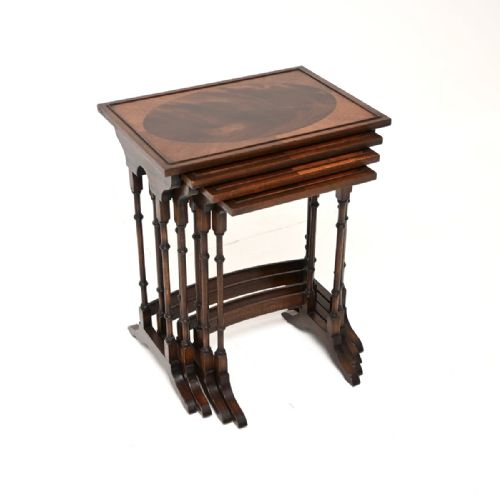
Turned components such as bobbin legs or pedestal columns define the structural character of these pieces. The selection on this page demonstrates how domestic timber tables evolved across different eras of British and continental design.
How they were made
Cabinet makers utilised solid hardwoods like oak, mahogany, and walnut, often applying decorative veneers to table tops. Turning lathes shaped upright supports, legs, and pedestals into bobbin, spiral, or columnar profiles.
Joinery methods included traditional mortise and tenon joints to secure frames, alongside turned stretchers for under-tier bracing. Surfaces received hand-applied finishes, polish, or occasional paint to protect and enrich the timber grain.
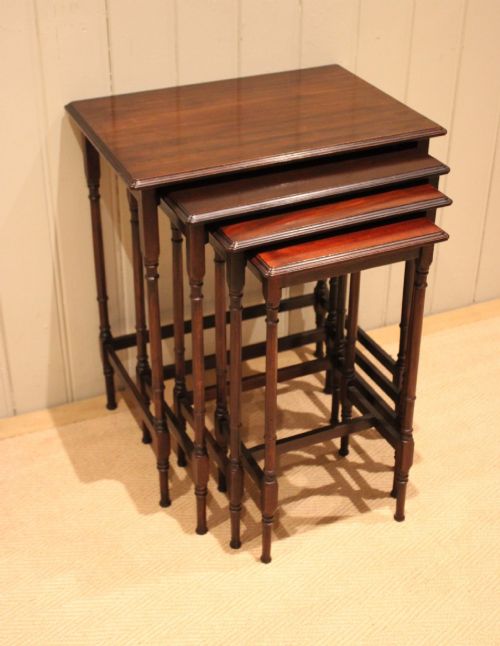
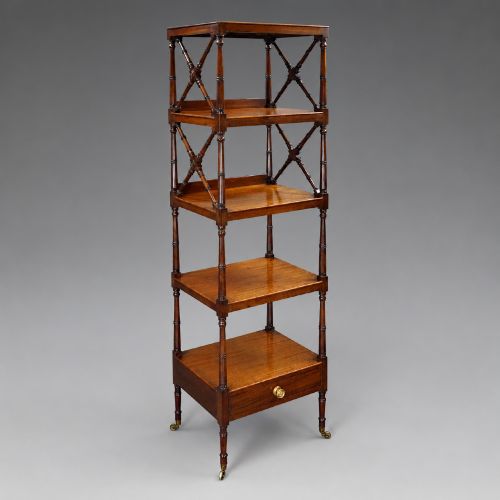
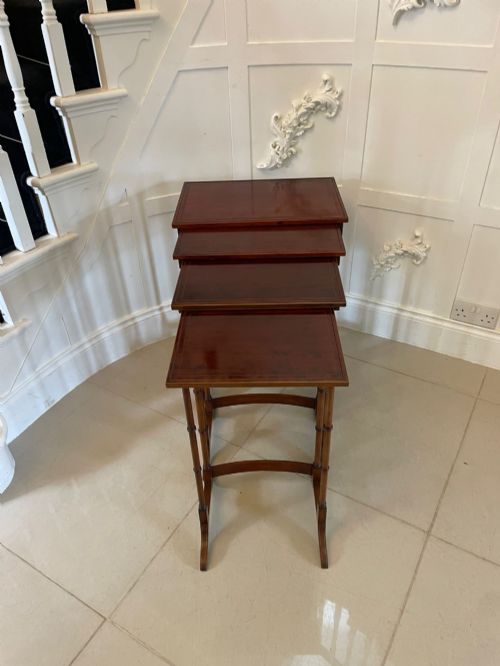
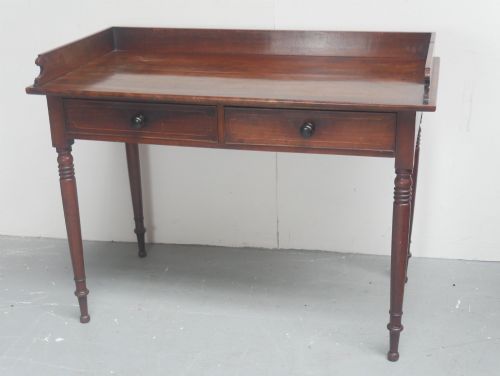
The inventory includes specialised forms like wine tables, washstands, and nests of tables supported by turned legs.
What varies in quality
The choice of timber grade and grain figure dictates the foundational quality of a piece, with dense hardwoods and well-matched veneers standing out. Superior examples display crisp turning on the legs and precise joinery that keeps the frame rigid over time.
Proportion and restraint in ornament separate finer workshop output from simpler utility items. The integration of secondary woods and the retention of original surface patination contribute further to a piece's standing.
The Turned Wood Side Table Glossary
- Bobbin leg
- A turned leg shaped to resemble a string of rounded bobbins or spools. This style appears frequently on 17th-century and revival furniture.
- Wine table
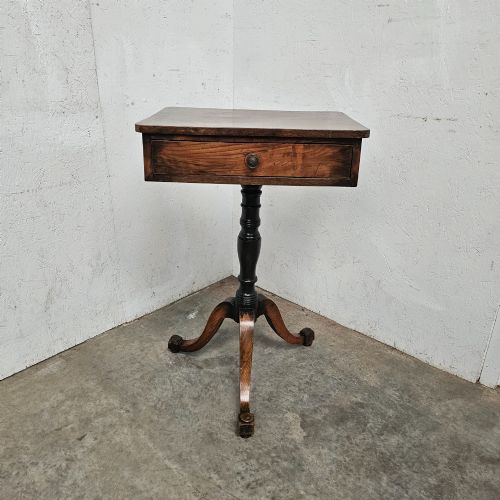
- A small occasional table designed for holding glasses or candles, usually featuring a circular top on a turned pedestal base. These compact pieces were easily moved around a reception room.
- Washstand
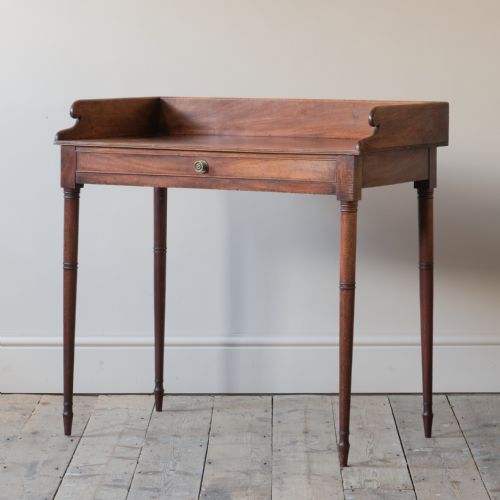
- A utilitarian table made for ablutions, often fitted with shelf tiers or splashbacks. They frequently employ turned supports and durable hardwood construction.
- Pedestal table
- A table supported by a central turned column resting on feet. This design maximises legroom around the perimeter of the top.
Turned Wood Side Table: Frequently Asked Questions
Where should I place a side table?
A side table sits easily beside seating or against a hallway wall, providing a convenient surface for lamps or books. Its compact footprint allows it to fit into corners and narrow spaces.
Ensure the height aligns with nearby armchairs or sofas for comfortable daily use. Selecting a timber finish that complements existing furniture helps the piece integrate naturally into the room.
How do I date a turned table?
Dating relies on examining the timber species, construction methods, and turning styles visible in the legs and stretcher base. Earlier pieces often utilise solid oak or walnut with hand-cut joinery.
Later Victorian and Edwardian examples may feature machine turning, softer secondary woods, or factory-applied finishes. Comparing the overall form against known historical periods clarifies the era of manufacture.
Are these tables strong enough for daily use?
Solid hardwood construction and sturdy lathe-turned legs provide substantial durability for normal domestic tasks. Tables built from dense timbers like oak or mahogany withstand regular placement of household objects.
Checking that the frame remains tight at the joints ensures stability during use. Periodic light polishing maintains the timber surface against everyday wear.
What is a bobbin leg?
A bobbin leg is a support turned on a lathe to create a repeating series of rounded spherical or oval shapes. This decorative turning technique became popular during the 17th century.
Revival pieces from later centuries also adopted this distinctive profile to evoke earlier craftsmanship. The pattern adds textural interest to the structural legs of side and occasional tables.