




Lid Covered Porcelain Urns
Lid covered porcelain urns combine practical containment with sculptural presence, offering a decorative focal point shaped by centuries of international craftsmanship.
Lid Covered Porcelain Urns
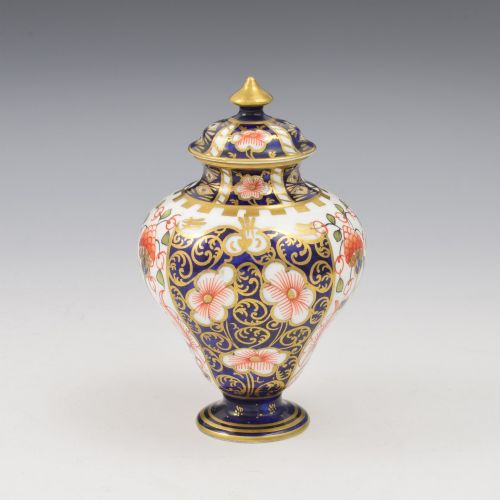
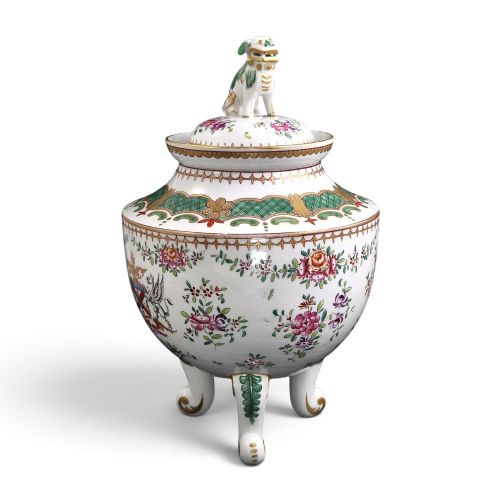
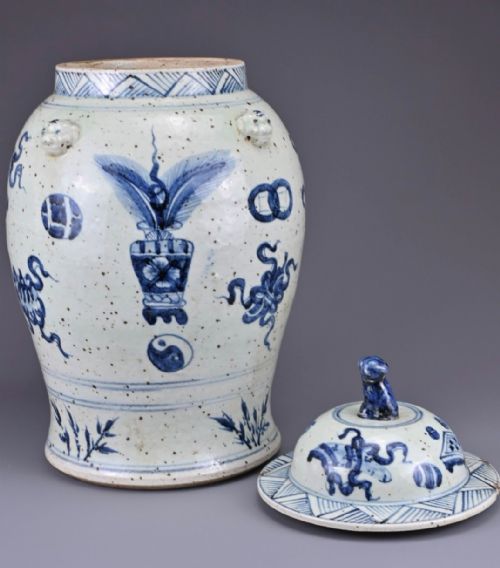
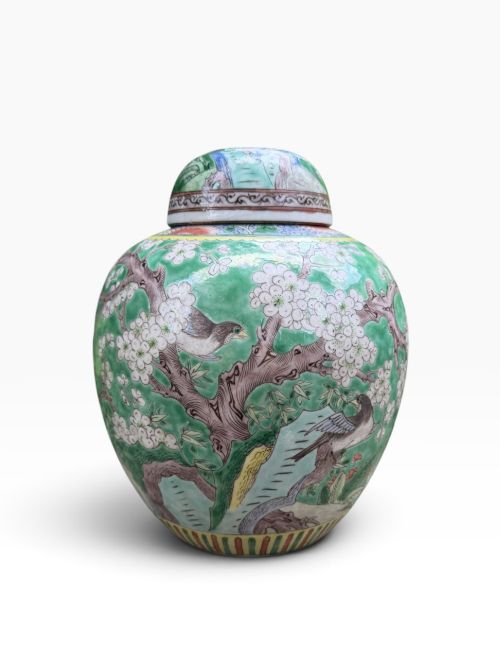
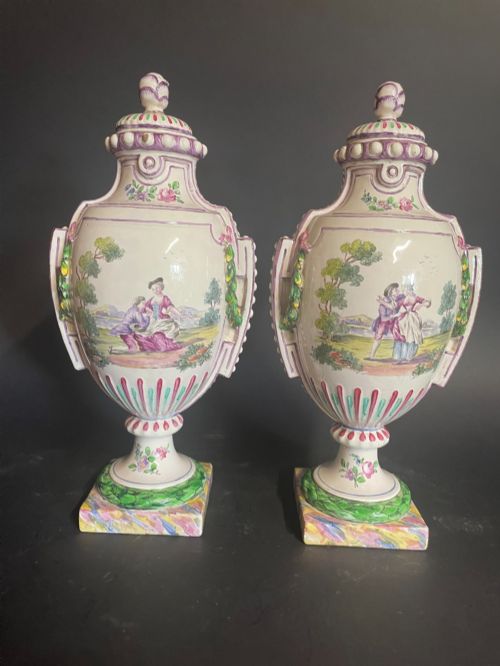
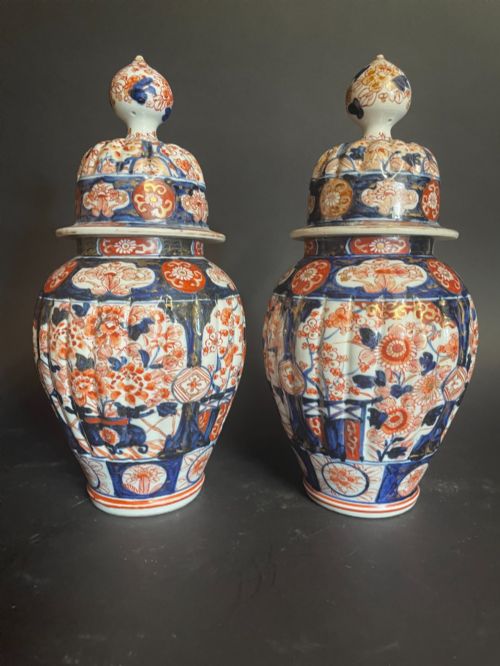
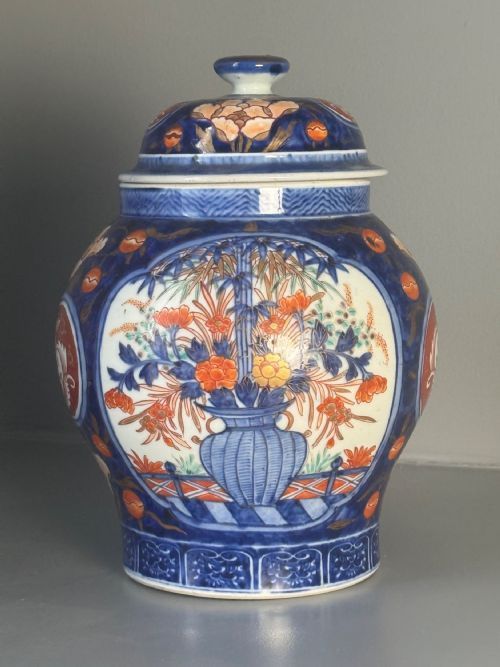
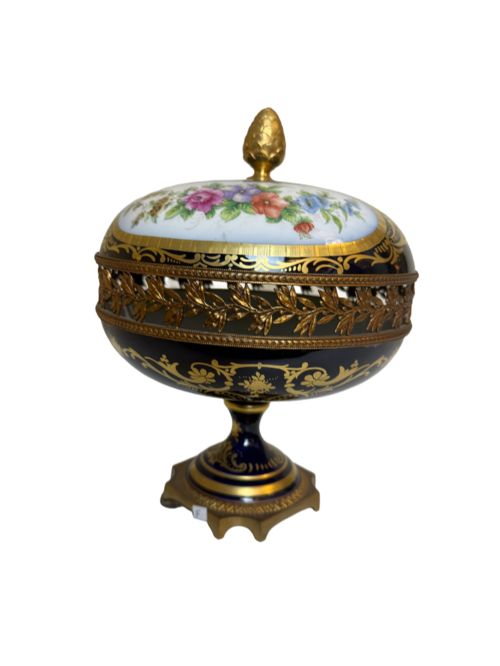
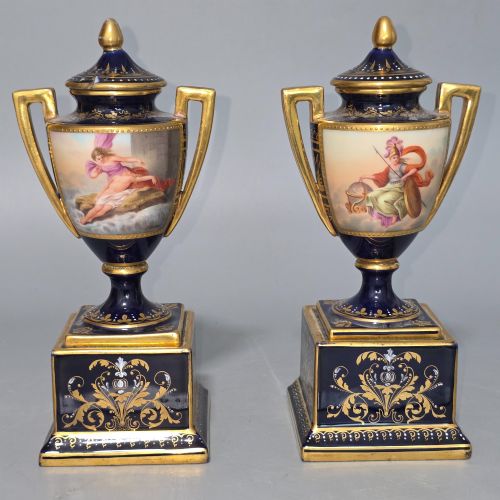
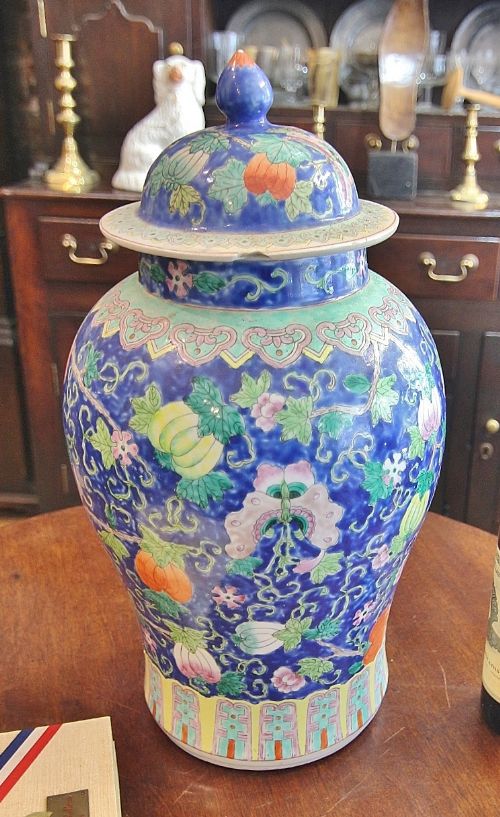
When you search for lid covered porcelain urns, you encounter vessels designed for display, storage, and potpourri across multiple global traditions. The selection ranges from substantial Japanese Imari pieces and Chinese ginger jars to European factory productions in the Rococo Revival, Regency, and Edwardian styles.
The physical forms include ginger jars, pedestal vases, and amphora shapes spanning the eighteenth, nineteenth, and twentieth centuries. Japanese Arita wares and French or English factory pieces dominate the selection, offering varied scales from miniature cabinet specimens to large floor-standing vessels.
How they were made
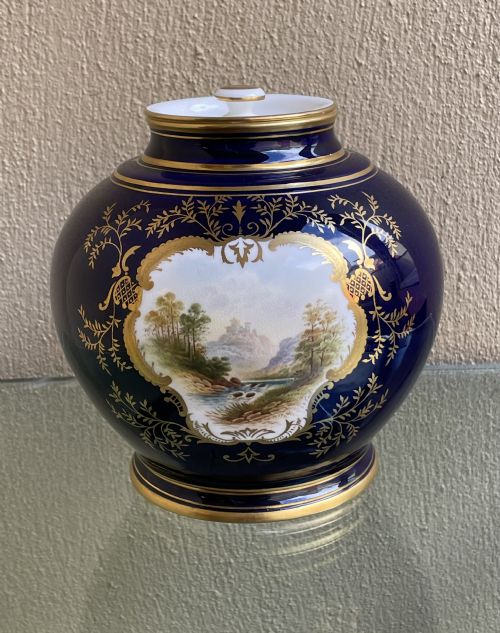
The manufacture relies upon ceramic bodies shaped on the wheel or cast in moulds, finished with enamel painting, glaze, and hand-applied gilding. Many pieces incorporate rich cobalt blue underglazes alongside complex overglaze enamel palettes.
Makers utilised gold leaf, gilt highlights, and intricate transfer printing or brushwork to articulate forms rooted in Qing Dynasty, Japanese Meiji, and European revivalist aesthetics.
Materials documented across the inventory include porcelain, earthenware, ceramic, enamel, glaze, and gold leaf.
What varies in quality
Quality rests upon the precision of the hand-painted brushwork, the depth and brilliance of the glaze, and the crispness of the porcelain or ceramic moulding. Superior examples display controlled enamel application and harmonious proportions between the vessel body and its matching lid.
The sophistication of the palette and the ambition of the decorative scheme distinguish standard domestic wares from exceptional factory productions by makers such as Royal Worcester, Samson Paris, or Vienna.
Royal Crown Derby·Samson Paris·Chamberlain Worcester·Royal Vienna·Coalport·Royal Worcester·Masons Ironstone·Helena Wolfsohn Dresden
The Lid Covered Porcelain Urns Glossary
- Imari
- A style of Japanese porcelain featuring a distinct palette of underglaze blue, iron red, and gold, named after the port of shipment.
- Pot pourri
- A vessel equipped with a pierced lid designed to diffuse scent from dried flower petals and spices contained within.
- Baluster
- A vase form characterised by a rounded body that tapers toward the base, often fitted with a domed cover.
- Earthenware
- A porous ceramic body fired at lower temperatures than porcelain, commonly seen in nineteenth-century ironstone and faience productions.
- Amphora
- A two-handled jar shape derived from ancient classical pottery, adapted by nineteenth-century European porcelain manufacturers.
Lid Covered Porcelain Urns: Frequently Asked Questions
How were lidded urns used historically?
These vessels served to store dry goods, display ornamental designs, or hold fragrant mixtures of dried flowers and spices. Their matching lids kept contents contained while enhancing the sculptural silhouette.
Larger scaled examples functioned primarily as garniture sets on mantelpieces or architectural furniture. Smaller covered jars were frequently utilised on dressing tables or within cabinet displays.
How do I distinguish Japanese Imari from European copies?
Japanese Imari porcelain typically exhibits a heavier potting body, distinct iron-red and cobalt tones, and specific underglaze characteristics particular to the Arita kilns. European factories often employed lighter paste bodies and distinct paste formulations.
Examining the foot ring and base glaze provides further clues regarding regional manufacturing techniques. Factory marks, where present, assist in separating European revival pieces from their Asian antecedents.
What defines a ginger jar lid style?
Traditional ginger jar covers sit flush within or over the mouth of a broad-shouldered, straight-sided ceramic body. This profile originated in ancient China for the transport of spices and preserved roots.
Later European and Japanese iterations retained this signature silhouette while adapting the surface decoration to suit contemporary aesthetic movements like Rococo Revival or Art Nouveau.
How do I care for antique porcelain urns?
Display these vessels away from direct sunlight and areas subject to sudden temperature fluctuations to protect delicate glazes and gilding. Dust them gently using a soft, dry brush.
Avoid using water or chemical cleaners on pieces with overglaze enamels or gold leaf, as moisture can degrade fragile historic pigments. Handle lids separately from bodies to prevent chipping the rims.