


Lead Glass Wine Goblet
A lead glass wine goblet brings weight and clarity to the table, connecting drinkers directly to eighteenth and nineteenth-century glasshouses.

Lead Glass Wine Goblet
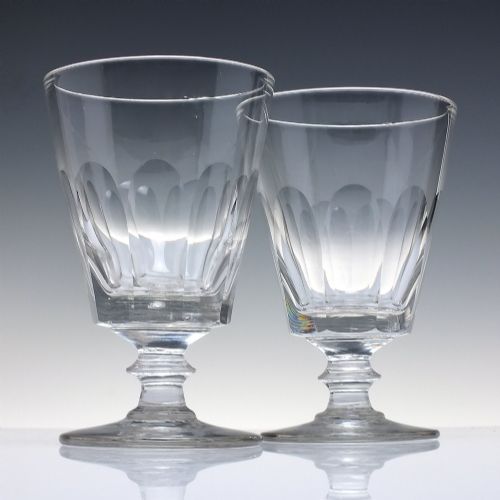
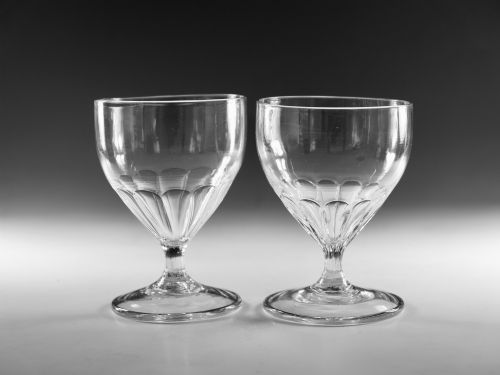
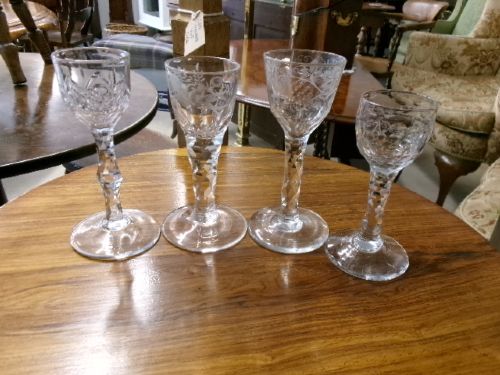
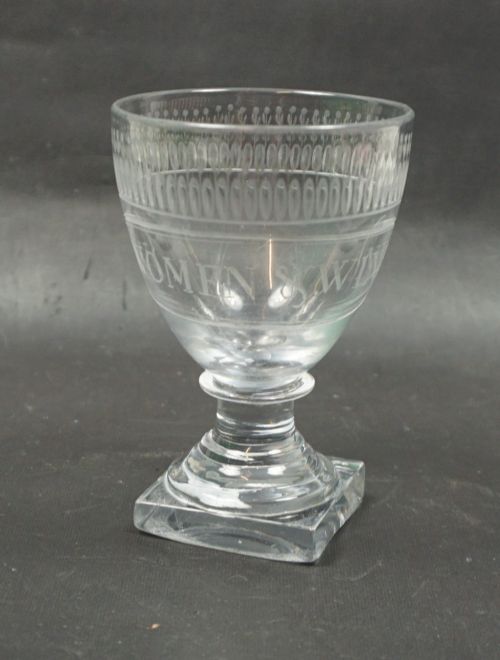
A lead glass wine goblet search leads directly to drinking vessels from the Georgian, Victorian, and Regency periods. These pieces include large ceremonial armorial goblets, heavy baluster forms, and generous rummers designed for social dining.
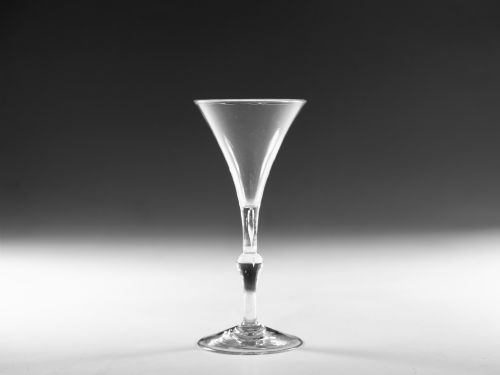
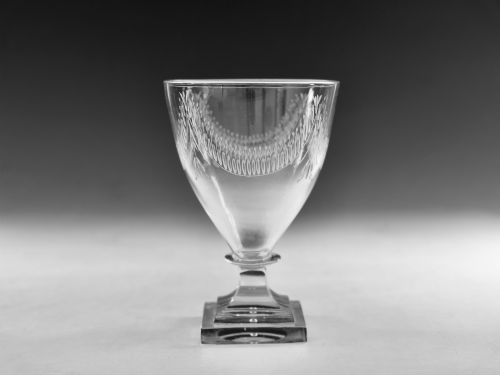
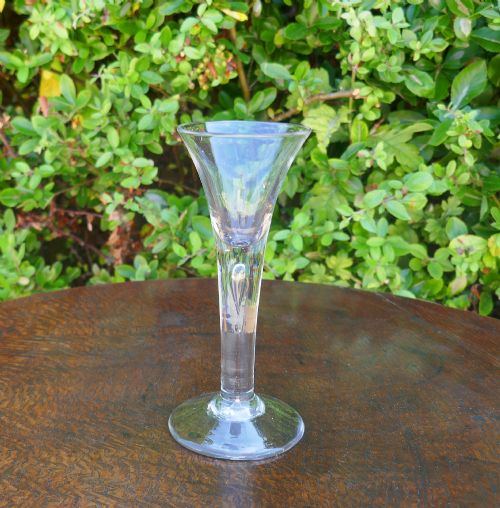
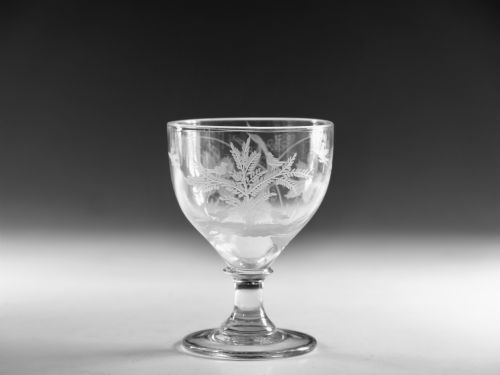
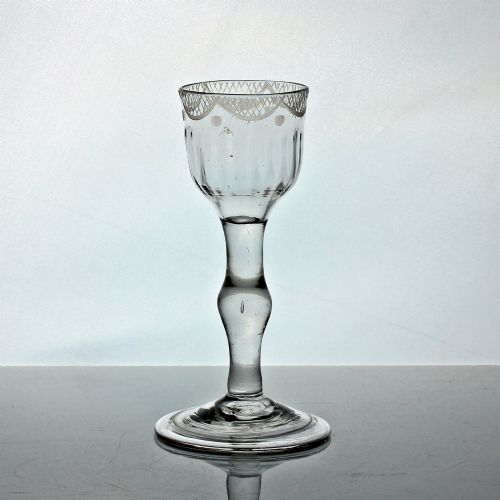
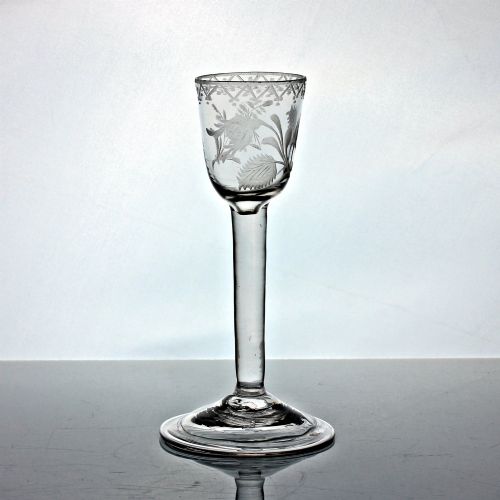
The pieces on this page span the eighteenth and nineteenth centuries, featuring forms ranging from early trumpet bowls to faceted stems and decorated bowls with wide foot bases. English origin dominates the selection, anchored by mid-eighteenth-century craftsmanship.
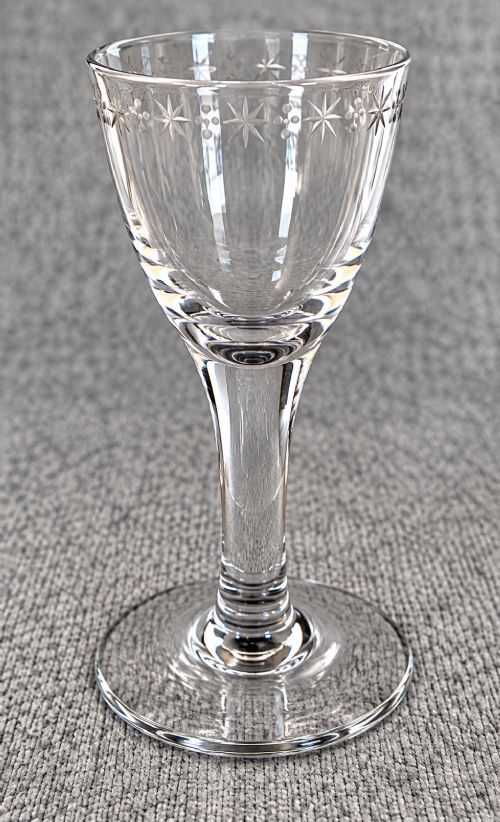
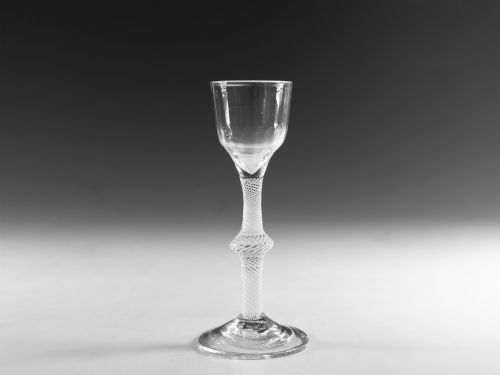
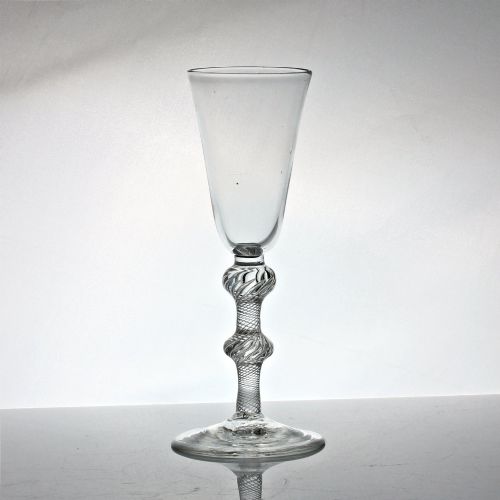
Buyers encounter distinct variations such as ogee bowls, pan top bowls, and flared bucket bowls sitting upon folded feet or domed feet. Single and double series twists appear frequently alongside engraved surfaces.
Distinguishing quality levels
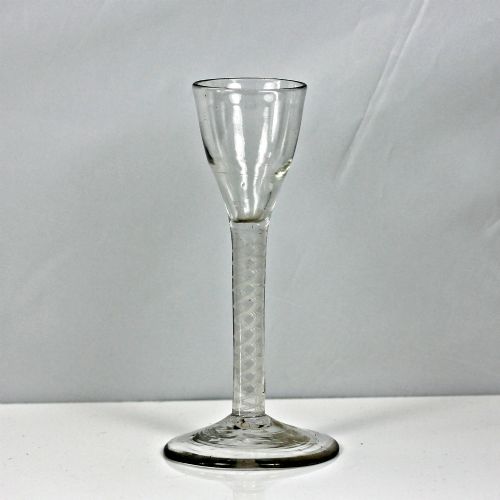
The refinement of the stem formation marks the distinction between standard vessels and exceptional examples. Complex air twists, multi-spiral opaque twists, and heavy baluster knops demand superior skill from the glassblower compared to plain stems.
Engraving depth and artistry elevate certain pieces, particularly armorial commissions or specialised toasts like Jacobite and commemorative subjects. The proportion between the bowl, stem, and wide foot base dictates the visual balance of the goblet.
Lead Glass Wine Goblet Retail Price Guide 2026
Typical asking prices for lead glass wine goblet among the pieces listed under this phrase on Sellingantiques today, from the lower quarter to the upper quarter. They describe what is for sale here now, not the wider market.
The Lead Glass Wine Goblet Glossary
- Air twist
- A stem containing spiral threads of trapped air created by drawing bubbles within the molten glass before stretching.
- Opaque twist
- A stem incorporating white enamel threads twisted into intricate patterns inside the clear glass rod.
- Baluster
- A thick, swelling stem form reminiscent of architectural pillars, popular in heavier eighteenth-century drinking vessels.
- Rummer
- A large, capacious goblet introduced during the Georgian era, primarily utilised for drinking wine, ale, or punch.
- Ogee
- A bell-shaped bowl profile curving inward at the rim and outward below, offering favourable acoustics and mouthfeel.
Lead Glass Wine Goblet: Frequently Asked Questions
How do I date a lead glass wine goblet?
Dating relies on combining stylistic markers such as bowl shape, foot formation, and stem construction. Eighteenth-century pieces often display heavier baluster forms or delicate air twists, whereas Victorian examples tend toward cut decoration and larger rummer proportions.
Changes in glass chemistry and pontil mark finishes also assist in narrowing the decade of manufacture. Comparing the specific knop configurations and engraving styles against dated examples establishes a reliable chronology.
What is an opaque twist stem?
An opaque twist stem contains fine threads of white enamel encased within the clear lead glass rod. Artisans formed these threads by pulling and twisting canes of coloured glass during the manufacturing process.
This technique flourished during the mid-eighteenth century, producing single and double series variations that catch the light beneath the bowl.
How were these goblets used historically?
These vessels served formal dining and tavern gatherings for toasts, wine consumption, and celebratory drinking. Larger rummers accommodated ale and punch, while smaller baluster and twist glasses held fine wines.
Armorial and engraved goblets often commemorated specific political loyalties, marriages, or social clubs, functioning as display pieces as well as functional drinkware.
Are lead glass wine goblets safe for daily use?
While structurally sound, antique lead glass requires careful hand washing and protection from sudden thermal shocks. Modern dining use remains possible for collectors who accept the responsibility of preserving fragile eighteenth and nineteenth-century glass.
Most owners choose to limit usage to special occasions or display them away from direct sunlight and heavy vibrations.