




Late Victorian Silver Dish
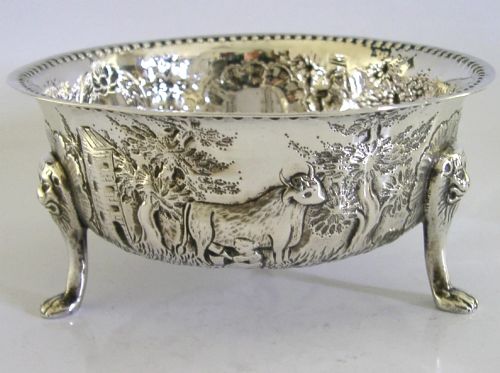
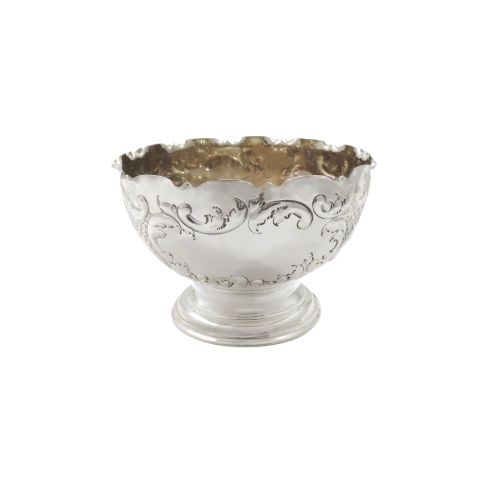
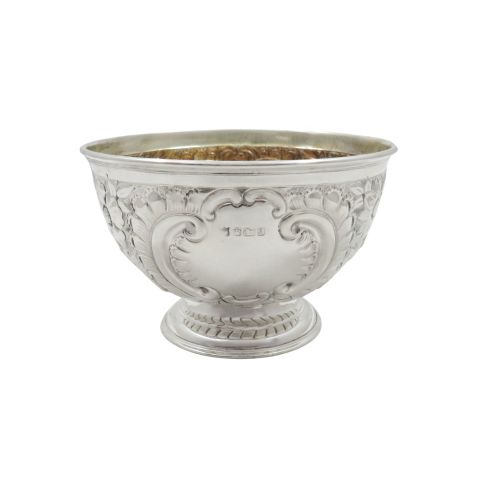
A late victorian silver dish brings the ornate domestic elegance of the final decades of the nineteenth century directly to the table.
Late Victorian Silver Dish
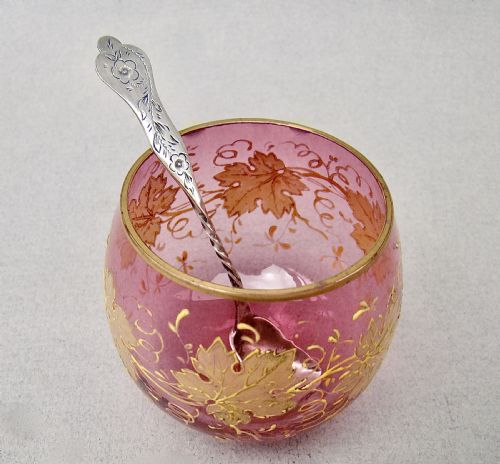
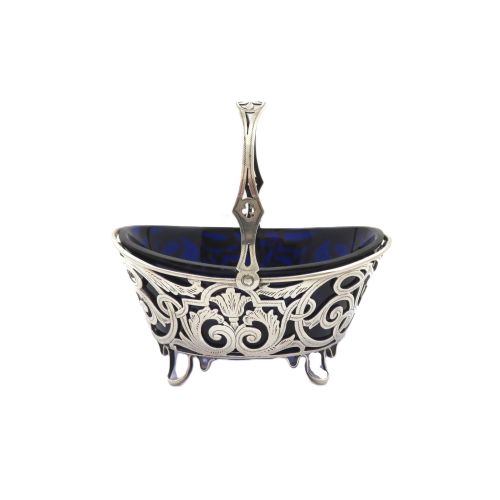
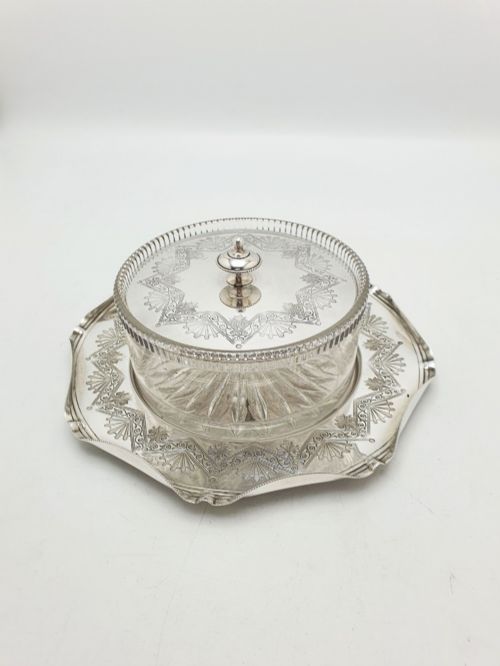
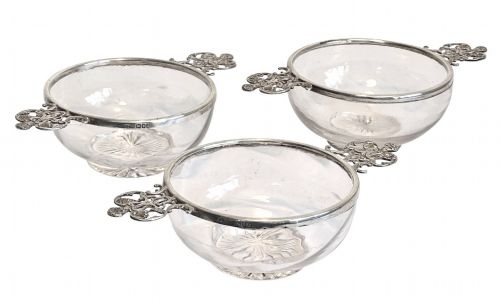
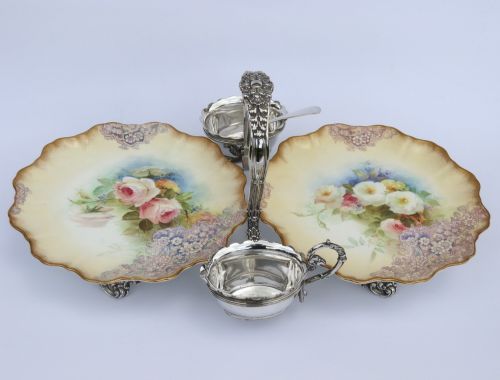
Originating predominantly from the closing years of the nineteenth century, these objects reflect the diverse social dining habits of the period. Alongside solid silver items, many examples incorporate cut glass liners, cranberry glass, or ceramic elements from potteries such as Doulton, demonstrating the era's taste for mixed materials at the dining table.
Materials and Techniques
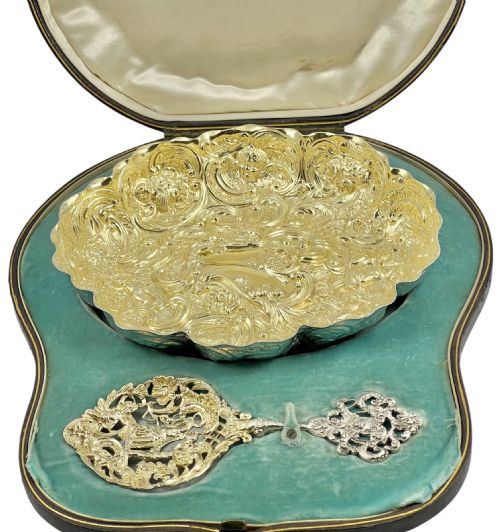
Manufacturing methods during this era relied heavily upon a combination of traditional silversmithing techniques and newer industrial plating processes. Solid sterling silver pieces frequently exhibit hand-pierced detailing, embossing, and chased floral motifs, whilst electroplated nickel silver provided a durable foundation for complex items like revolving butter dishes and strawberry sets.
The integration of decorative glass and ceramics was achieved through bespoke metal mounts, frames, and silver spoons. Cranberry glass, opaline glass, and hand-painted ceramic plates were secured within silver-plated or solid silver stands, combining the skills of glassmakers, potters, and metalworkers.
Listings feature items spanning from 1880 to 1900, incorporating sterling silver, silver plate, cranberry glass, and Doulton Burslem ceramics.
Assessing Quality
Quality in these pieces is determined by the crispness of the hand-chased or embossed ornamentation and the structural integrity of pierced metalwork. Superior examples display deep, sharp detailing in floral and vine motifs without thinning of the metal from over-polishing.
The inclusion of original components, such as matching glass liners, ceramic inserts, or fitted presentation cases, significantly elevates the standard of a piece. Maker attribution also plays a role, with established workshops demonstrating superior weight, balanced proportions, and careful finishing.
William Comyns·Walker and Hall·Daniel Arter·Frank Butler·James Deakin And Sons·Martin Hall·William Padley·Elkington And Co·Francis Howard·Hukin And Heath·Nathan And Hayes
The Late Victorian Silver Dish Glossary
- Sterling silver
- A silver alloy containing 92.5 percent pure silver and 7.5 percent other metals, usually copper, ensuring structural durability for tableware.
- Silver plate
- A base metal, often nickel silver, coated with a layer of pure silver through electroplating or older Sheffield plating techniques.
- Bonbon dish
- A small, decorative open vessel specifically designed for holding small sweets, sugar confections, or nuts on the table.
- Pierced work
- A decorative technique where patterns are meticulously cut out of the sheet metal by hand to create openwork lattice or floral designs.
- Gilt
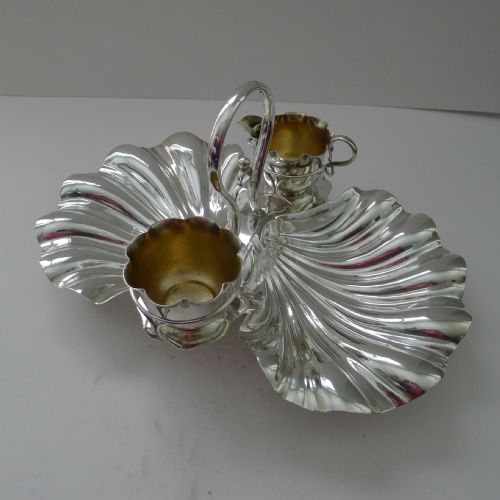
- A thin layer of gold applied to the interior surface of a silver bowl or spoon, often used to protect the metal from corrosive foods.
Late Victorian Silver Dish: Frequently Asked Questions
How were silver dishes used in the nineteenth century?
These vessels served specialised functions at the formal dining table, holding everything from butter, preserves, and olives to bonbons, fruit, and sugar. They were passed among guests or set centrally as part of elaborate dessert and tea services.
Their designs reflected the rigid etiquette of Victorian dining, where individual dishes and matching utensils were designated for specific courses and condiments.
What is the difference between solid silver and silver plate?
Solid silver, often marked as sterling silver, consists of a regulated high purity metal alloy throughout the entire object. Silver plate utilises a less expensive base metal, such as nickel silver, coated with a thin exterior layer of pure silver.
Both materials were widely used during the period, with silver plate offering a more accessible option for large serving pieces like warming dishes and vegetable covers.
How do I care for a vintage silver dish?
Maintenance requires gentle cleaning with a soft cloth and dedicated silver polish to remove tarnish without abrading the surface details or piercing. Items featuring glass liners or ceramic plates should have those components washed separately by hand.
Storing the pieces in dry conditions away from direct sunlight helps preserve both the metal and any original velvet linings or presentation cases.
How can I identify the date of a piece?
Dating relies primarily upon the hallmarks stamped into the metal on solid silver items, which indicate the assay office, date letter, and maker's mark. Silver-plated items often feature maker's marks and registry numbers that correspond to specific production years.
Stylistic indicators, such as the influence of the Arts and Crafts movement or Aesthetic Movement, also help narrow down the period of manufacture.