
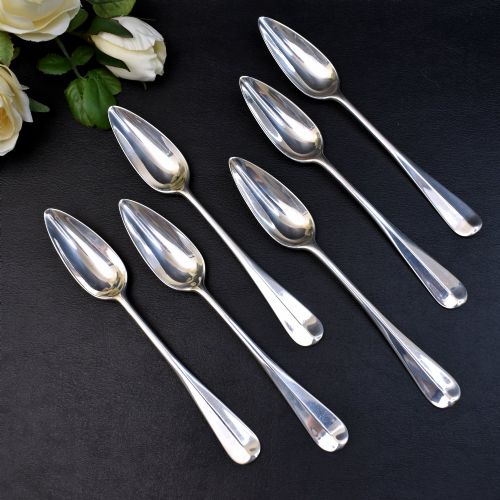


Hallmarked Silver Fruit Bowl
These hallmarked silver fruit bowl examples bring substantial presence to a table, combining weighty precious metal with period craftsmanship.
Hallmarked Silver Fruit Bowl
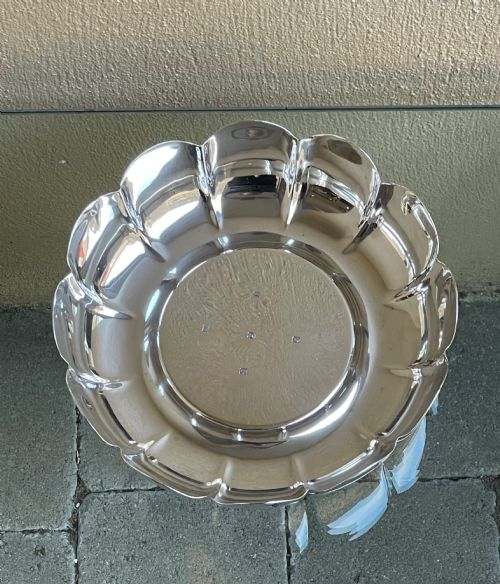
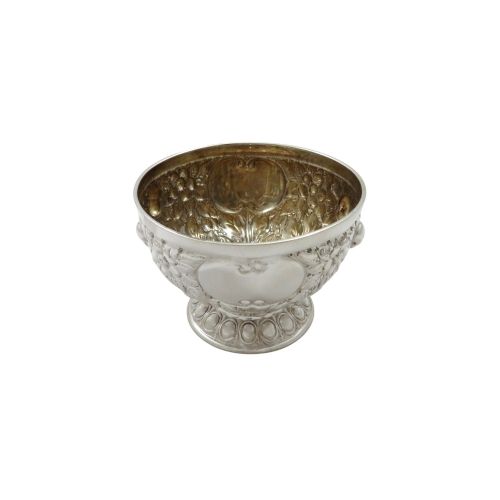
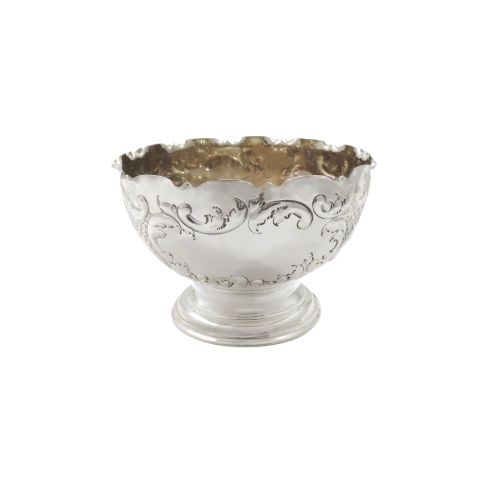
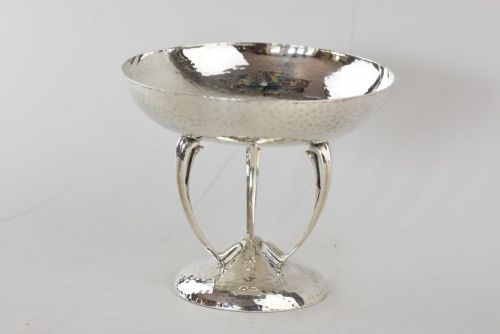
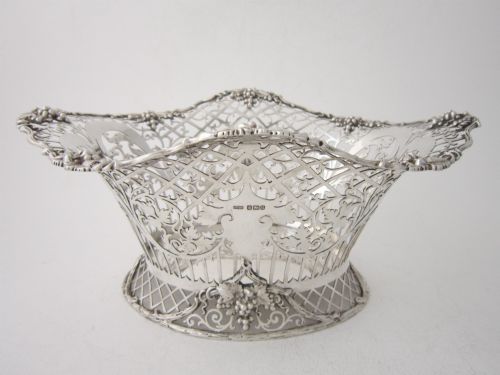
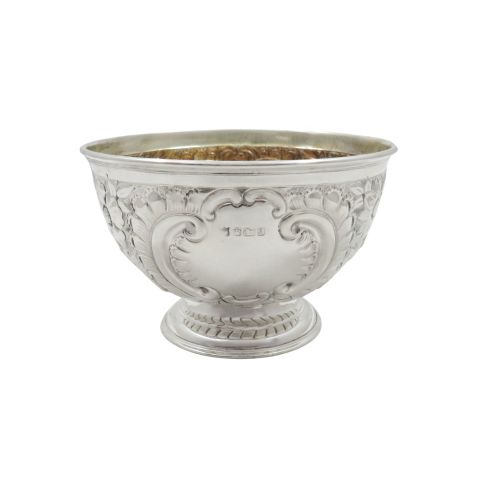
A hallmarked silver fruit bowl provides a formal centrepiece for a dining table or sideboard, appearing in forms ranging from pedestal dishes to oval pierced baskets. Buyers seeking a hallmarked silver fruit bowl will encounter Victorian and Edwardian examples most frequently, alongside pieces from the George V and Arts and Crafts periods.
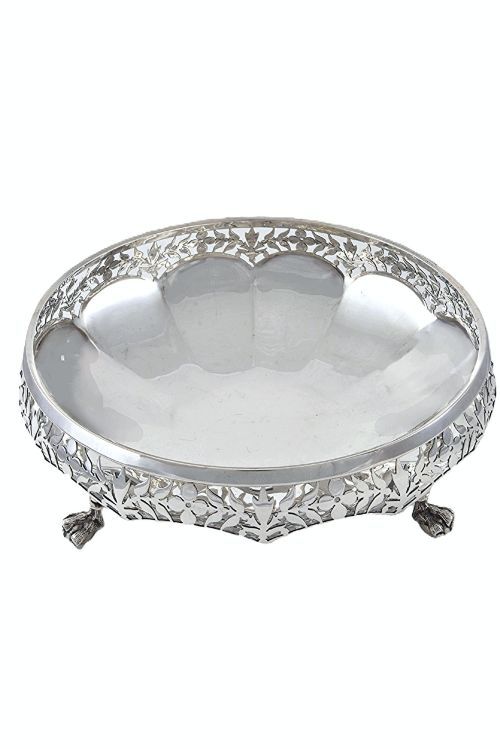
The objects take various shapes, including footed bowls, shallow dishes, and large centrepieces designed to display fruit or hold serving pieces. Makers also produced specialised items such as strawberry dishes, sugar baskets, and pedestal dishes within the broader category.
Origins span English, Scottish, and Irish workshops, reflecting diverse regional assay offices and manufacturing traditions from the nineteenth and twentieth centuries. These functional vessels combine domestic utility with decorative silverwork executed in solid silver and sterling silver.
What varies in quality
Quality depends on the weight and gauge of the silver used in the body, as heavier vessels maintain structural integrity and resist denting during use. The crispness of piercing, the detail in cast mounts, and the legibility of the hallmarks stamped into the metal indicate the standard of production.
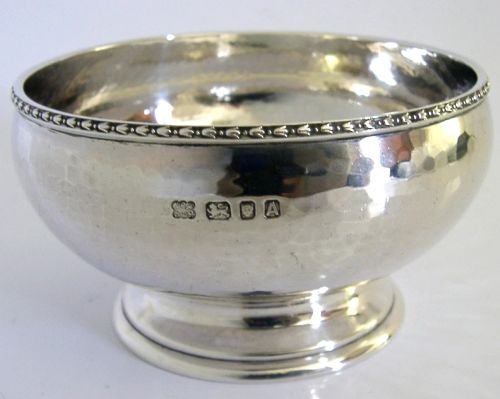
The reputation of the maker or retailer influences the standing of a piece, with firms like Elkington and Co, William Comyns, and the Goldsmiths and Silversmiths Company representing established manufacturing standards. Design complexity, from plain classical pedestals to elaborate Rococo Revival or hammered surfaces, also distinguishes finer examples.
Materials span sterling silver, solid silver, and cut crystal, often styled with Rococo Revival, Arts and Crafts, or Art Deco influences.
Goldsmiths and Silversmiths Company·Hamilton and Inches·Joseph Rodgers·William Comyns·Elkington and Co·Cooper Brothers
The Hallmarked Silver Fruit Bowl Glossary
- Hallmark
- Official stamps applied to precious metals indicating the standard of silver, the assay office, and the date letter. These marks allow collectors to trace the exact origin and year of manufacture.
- Pedestal dish
- A vessel raised upon a footed base or column rather than sitting flat on a surface. This form lifts fruit or floral arrangements above the level of the table.
- Pierced
- Metalwork perforated with decorative patterns such as lattices, scrolls, or geometric openings. This technique lightened large baskets while maintaining structural strength.
- Planished
- A surface texture created by repetitive overlapping hammer blows across the silver. It leaves a characteristic dimpled finish prized in Arts and Crafts metalwork.
- Centrepiece bowl
- A large vessel intended to anchor the middle of a dining table. These pieces often feature substantial weight and detailed ornamentation.
Hallmarked Silver Fruit Bowl: Frequently Asked Questions
What is a hallmarked silver fruit bowl used for?
These vessels served primarily to display fruit on dining tables, sideboards, or large side tables in formal rooms. Their substantial size and decorative presence also made them suitable for holding floral arrangements or serving bread.
Over time, owners repurposed these bowls for various display functions within domestic settings. Their solid metal construction allowed them to withstand regular use in wealthy households.
How do I identify the date of a silver bowl?
The assay office marks and date letters stamped directly onto the silver provide the exact year of manufacture. British hallmarks changed shape and letter combinations annually, allowing precise dating.
In addition to hallmarks, stylistic indicators such as Edwardian pedestal mounts or Arts and Crafts hammered textures help narrow down the period. Comparing the weight and form against recorded workshop styles confirms the era.
Are these bowls made of solid silver?
The listings on this page consist of sterling silver, solid silver, and associated silver components. Hallmarks guarantee the fineness of the metal, typically meeting the sterling standard of purity.
Unlike plated items, solid silver pieces possess an intrinsic material value and can be polished repeatedly over generations. The metal develops a soft patina through handling and age.
How should I clean a antique silver bowl?
Maintenance requires specialised silver polish and a soft cloth to remove tarnish without abrading the surface details or hallmarks. Gentle application preserves the crispness of engraved decoration and pierced patterns.
Avoiding harsh chemical dips protects the original patina and the integrity of soldered joints. Regular, light dusting prevents heavy tarnish accumulation on display pieces.