


Late Victorian Pottery Vase
A late victorian pottery vase brings distinct late nineteenth-century character to a room through varied styles and rich glazes.
Late Victorian Pottery Vase
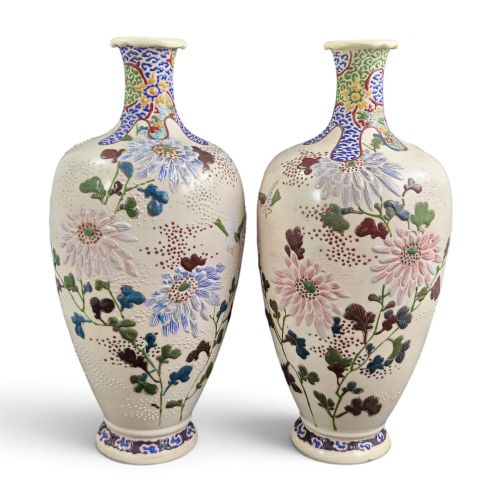
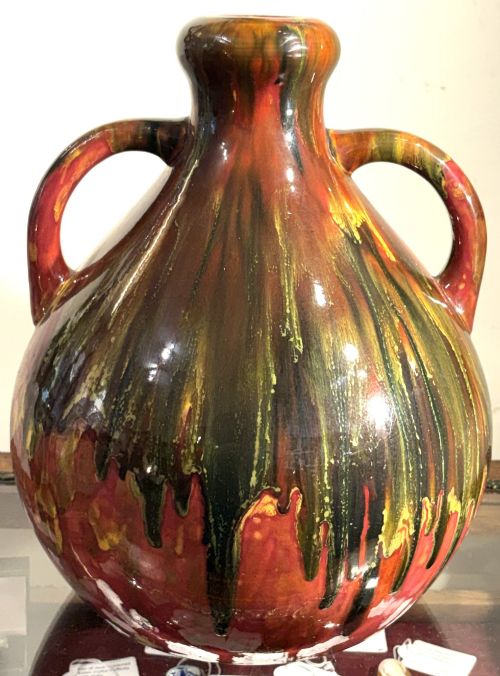
A late victorian pottery vase encompasses functional vessels and decorative objects produced during the 1880s, 1890s, and the turn of the century. Pieces range from large twin-handled statements and tall umbrella stands to miniature cabinet items.
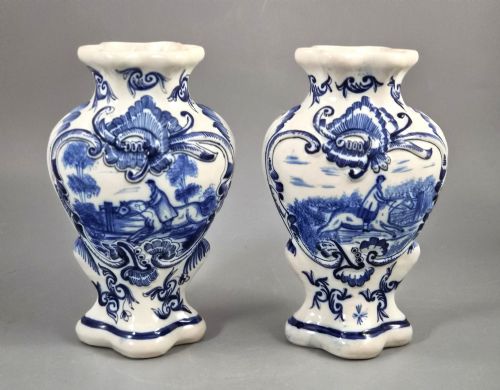
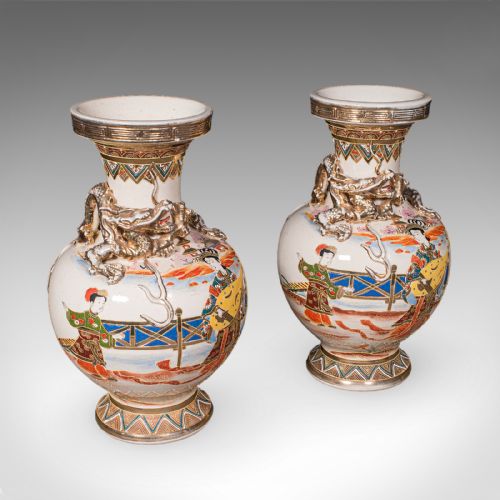
The aesthetic of a late victorian pottery vase draws on diverse movements including Arts and Crafts, Art Nouveau, and the Aesthetic Movement. Makers adopted Japanese Meiji motifs, Persian influences, and French Rococo Revival forms alongside traditional British studio pottery designs.
How they were made
Makers utilised earthenware, glazed earthenware, ceramic, and porcelain as the primary bodies for forming these vessels. Artisans shaped pieces into baluster silhouettes, ewers, jugs, and bottle vases.
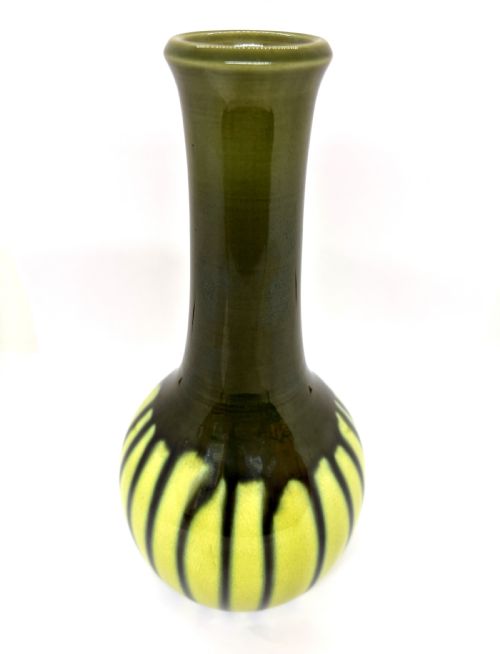
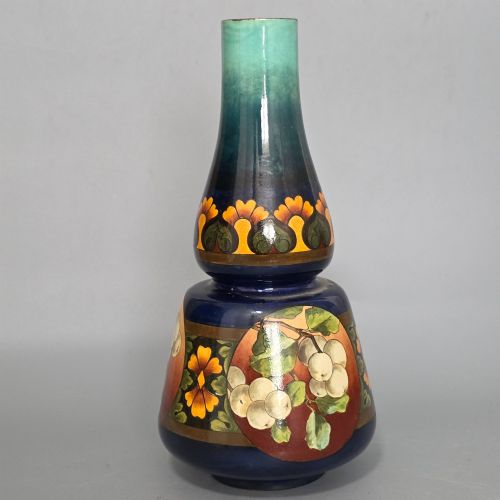
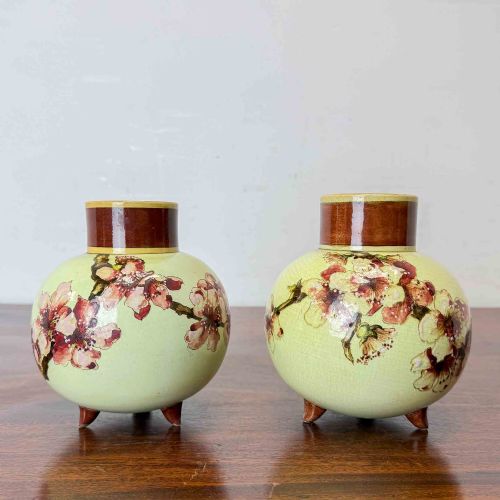
Decoration relied on applied glazes, enamel, gold leaf, and gilt accents, often featuring hand-painted botanical or abstract patterns. Specialised techniques included faience painting, Carrara ware, and patented surface textures developed by major potteries.
Listings feature earthenware, porcelain, and glazed earthenware across Arts and Crafts, Aesthetic Movement, and Art Nouveau styles.
What varies in quality
The distinction between standard production items and superior examples rests upon the execution of the hand-painting and the complexity of the glaze effects. Pieces carrying named artists or documented studio pottery origins command greater recognition.
Structural scale and condition also determine distinction, with large matched pairs and complex forms displaying superior craftsmanship compared to simpler utilitarian vessels.
Fourmaintraux-Courquin·Alice Euphemia Thatcher·Christopher Dresser·Sir Edmund Elton·Ernst Wahliss
The Late Victorian Pottery Vase Glossary
- Faience
- Earthenware decorated with opaque coloured glazes. This technique allowed makers to achieve rich, painterly surfaces on decorative vessels.
- Baluster
- A vertical architectural form swelling near the base that inspired many ceramic vessel profiles. It provides a stable and balanced silhouette for floral and abstract decoration.
- Ewer
- A large jug with a wide spout and flared handle historically used for water. In this period, it served primarily as a decorative display piece.
- Gilt
- A thin application of gold leaf or gold paint applied to ceramic surfaces. It highlights raised motifs and rims on porcelain and earthenware.
- Studio Pottery
- Ware produced by individual artists or small workshops rather than large industrial factories. These pieces often feature experimental glazes and distinct personal signatures.
Late Victorian Pottery Vase: Frequently Asked Questions
How do I date a late victorian pottery vase?
Dating relies on registration numbers, impressed pottery marks, and stylistic indicators associated with the 1880s and 1890s.
Changes in glaze chemistry and the transition from Victorian ornamentation to Art Nouveau linear designs also help narrow the period.
Were these vases used for fresh flowers?
Many vessels were functional and designed to hold water and botanical arrangements in domestic interiors.
Larger exhibition pieces and delicate painted porcelain examples served strictly as decorative mantel or cabinet ornaments.
What is the difference between earthenware and porcelain?
Earthenware utilises porous clay fired at lower temperatures, requiring an opaque glaze to hold liquid.
Porcelain employs refined kaolin clay fired at high temperatures, resulting in a vitrified, non-porous white body.
How should I clean my ceramic vase?
Dust surfaces gently with a soft, dry cloth to prevent accumulation in recessed decorative details.
Avoid immersing antique pieces with delicate enamel or gold leaf in water, as moisture can damage fragile surface decorations.