

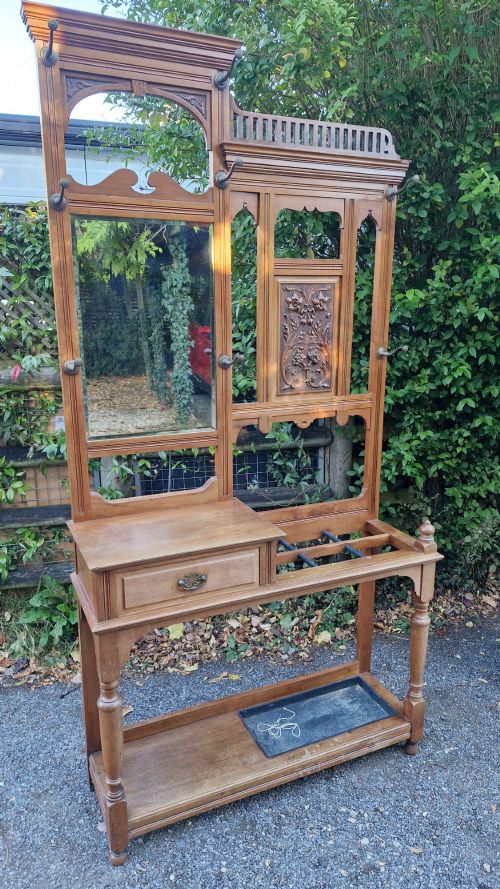
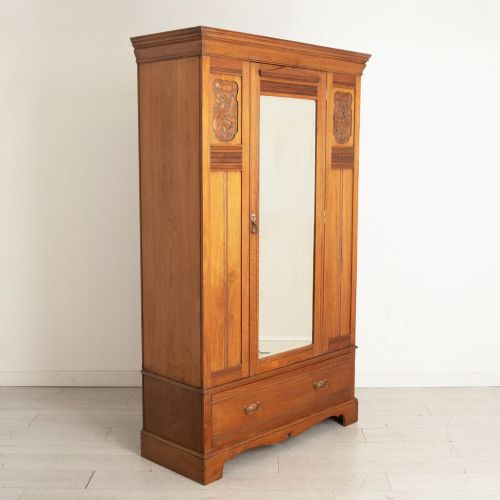
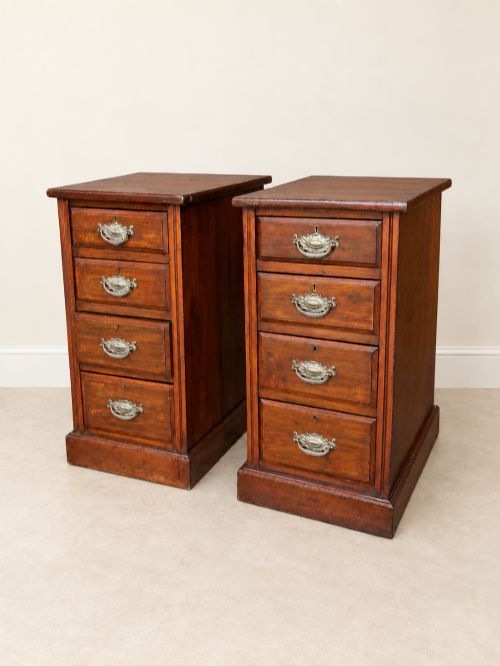
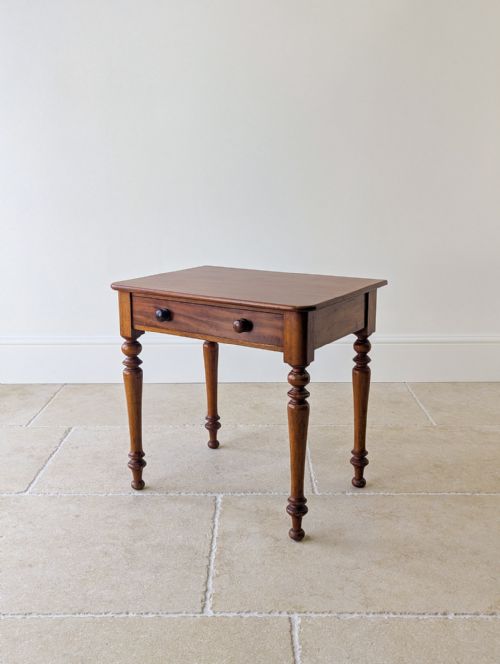
Late Victorian Drawers
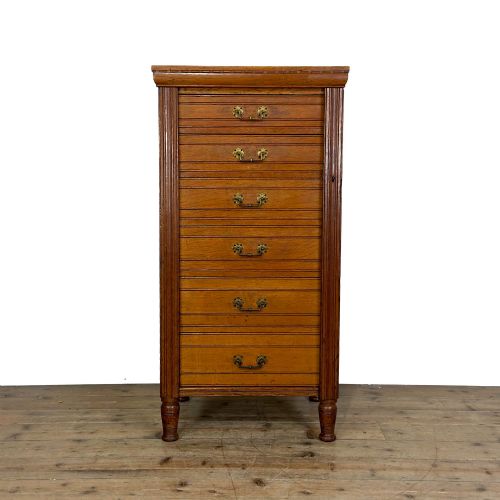
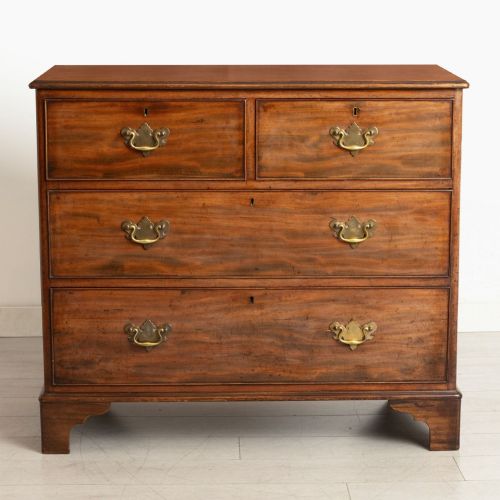
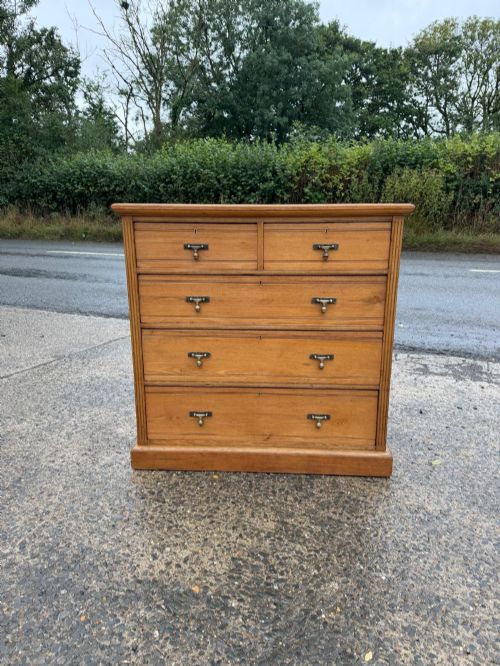
Late victorian drawers encompass sturdy chests, banks of small compartments and desks built in mahogany, oak and pine during the late nineteenth century.
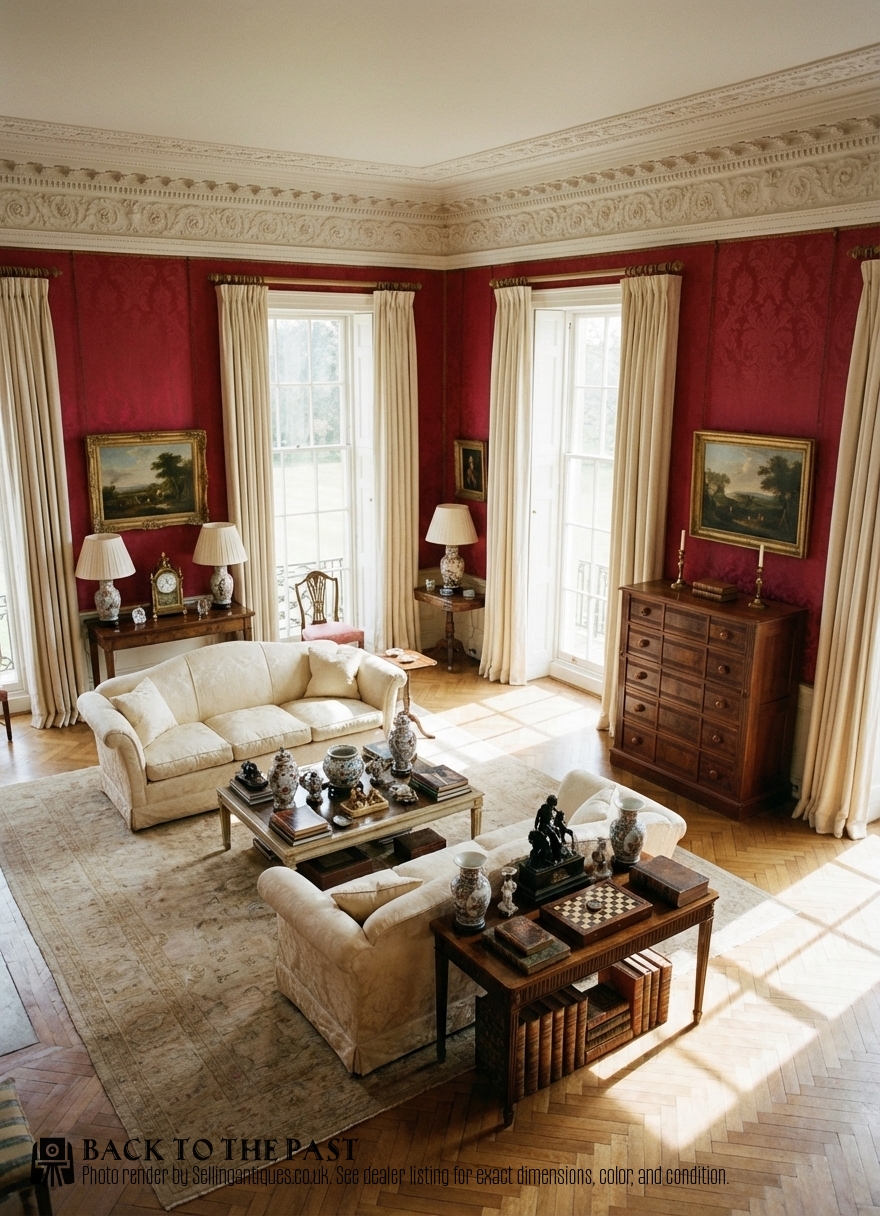
Late Victorian Drawers
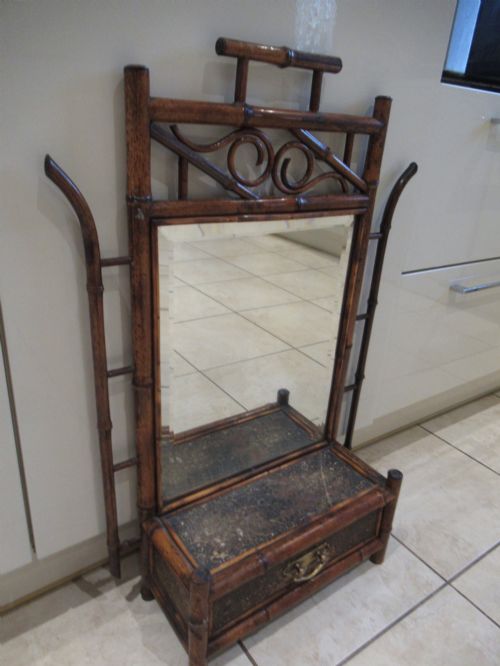
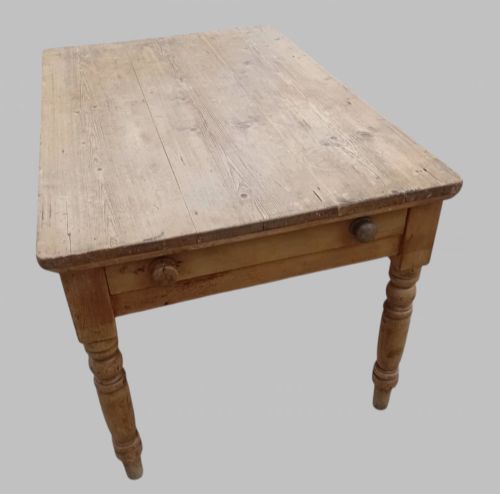
When you search for late victorian drawers, you encounter a wide variety of storage furniture produced predominantly in the closing decades of the nineteenth century. These pieces range from robust pine kitchen tables with integrated drawers to formal mahogany chests and specialised collectors cabinets.
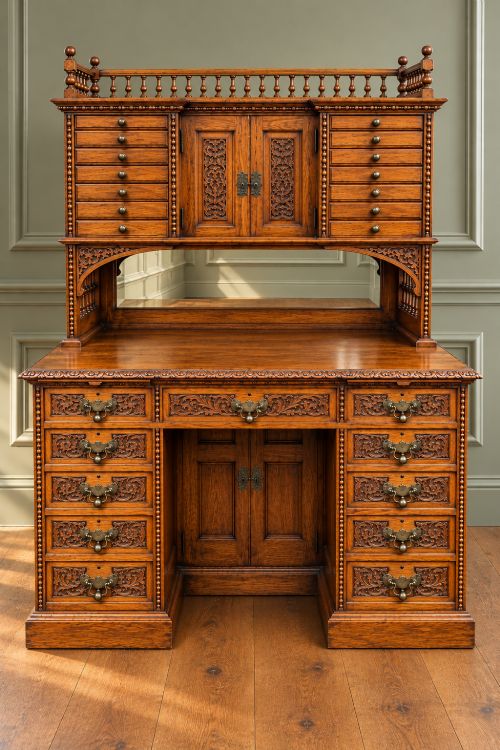
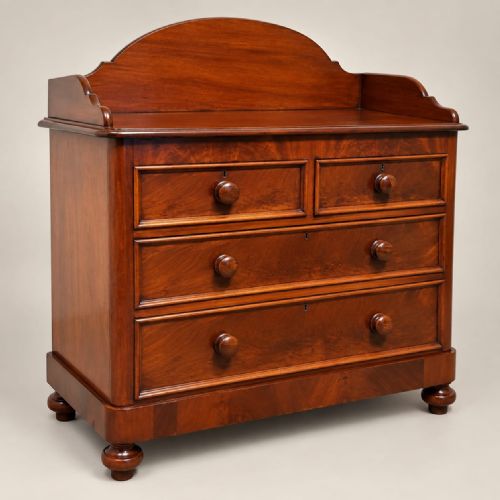
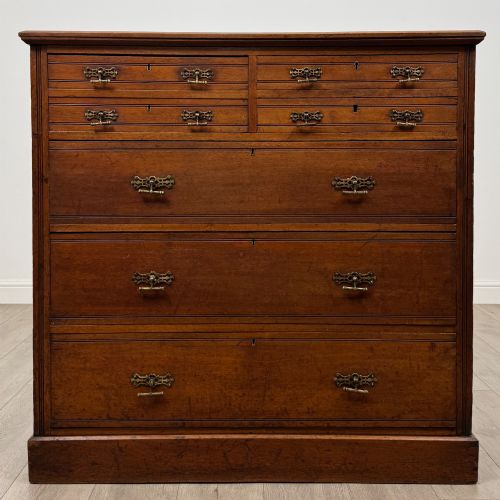
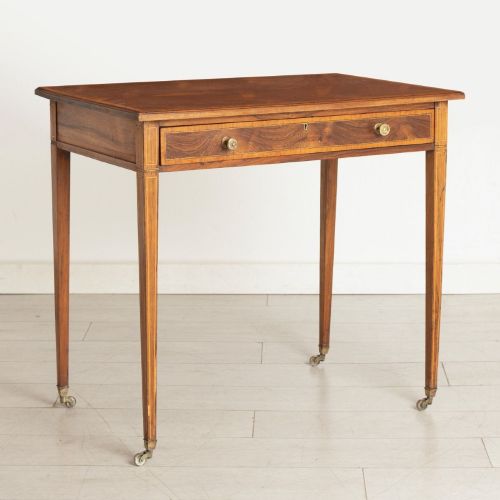
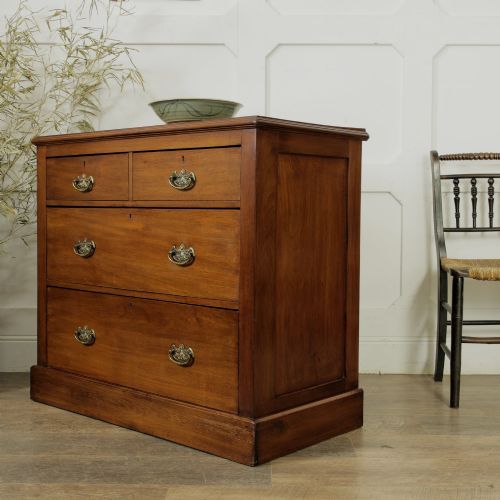
The most common forms on this page include standard chests of drawers in mahogany, oak or ash, alongside pedestal desks, writing tables and bedside cabinets. Makers of the period also produced utilitarian banks of drawers for chemists and offices, which now find use in domestic settings.
Stylistically, these items reflect the tastes of the era, moving from heavy Victorian proportions to the simpler lines of the Arts and Crafts movement and the decorative flourishes of the Aesthetic Movement. Furniture from this period balances practical utility with thoughtful craftsmanship.
How They Were Made
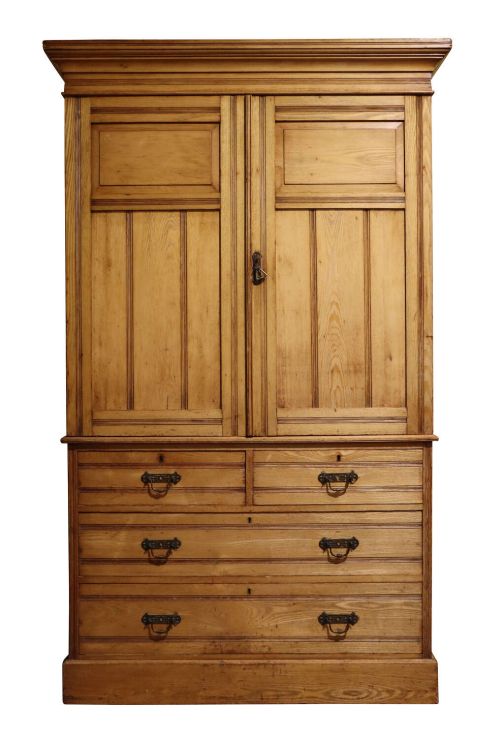
Cabinet makers of this period relied heavily on solid hardwoods like mahogany, walnut and oak for formal pieces, whilst utilising pine and ash for domestic and farmhouse furniture. Drawer linings were frequently fashioned from secondary timbers, and backs were often panelled.
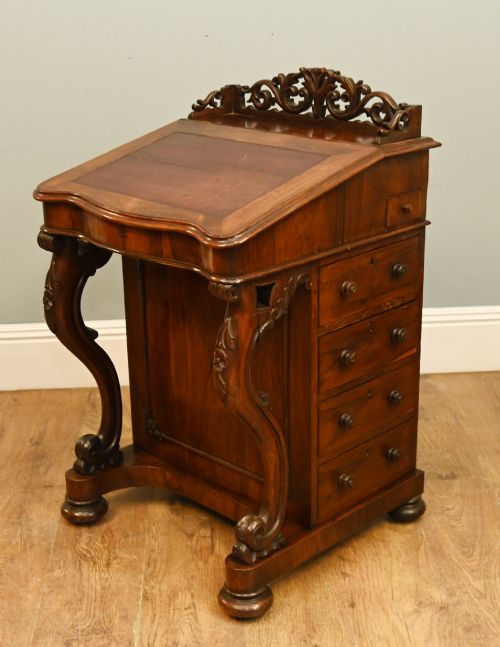
Construction techniques combined traditional joinery with the output of emerging factories and workshops. Dovetailed drawer joints and applied mouldings appear alongside decorative elements such as brass handles, leather inserts and occasional marquetry inlay.
Late Victorian Drawers Retail Price Guide 2026
Typical asking prices for late victorian drawers among the pieces listed under this phrase on Sellingantiques today, from the lower quarter to the upper quarter. They describe what is for sale here now, not the wider market.
The listings show a frequent use of mahogany, oak and pine, spanning standard chests, desks and specialised cabinets.
What Varies In Quality
Quality in these items is determined by the selection of timbers, the precision of the joinery and the integrity of the hardware. Pieces featuring figured veneers, such as burr walnut or birds-eye maple, demonstrate a higher tier of production than plain utilitarian equivalents.
The sophistication of the internal construction, including the presence of hardwood drawer linings and maker-stamped locks, distinguishes workshop-produced furniture from mass-market output. Surviving original handles and finishes also elevate the standing of a piece.
Edwards & Roberts·Maple & Co·Jas Shoolbred·Harris Lebus·Druce & Co·Liberty
The Late Victorian Drawers Glossary
- Wellington chest
- A tall, narrow chest of drawers characterised by a hinged locking side flap that secures all the drawers simultaneously. This form was widely produced in mahogany and walnut during the nineteenth century.
- Dovetail
- A traditional wood joint formed by interlocking wedge-shaped fingers, commonly used in drawer construction. Fine, numerous pins indicate attentive hand joinery.
- Kneehole desk
- A writing desk featuring a central recess for the user's legs, flanked by pedestals of drawers. These desks frequently appeared in oak and mahogany during the late Victorian period.
- Aesthetic Movement
- A late nineteenth-century design style that emphasised visual beauty over narrative subject matter, often incorporating ebonised finishes and Japanese-inspired details. Furniture in this style embraced simplified forms.
- Pedestal desk
- A heavy freestanding desk comprising two supporting columns of drawers beneath a wide writing surface. They were standard fixtures in offices and libraries of the era.
Late Victorian Drawers: Frequently Asked Questions
How do I identify late Victorian furniture?
Late Victorian pieces typically date from the final decades of the nineteenth century, bridging traditional revival styles with early Arts and Crafts simplicity. Look at the timber choices, construction methods and hardware to place them within this era.
Makers during this period also utilised factory machinery alongside hand joinery, resulting in distinct structural characteristics that separate them from earlier Georgian items.
Are these drawers suitable for daily use?
These pieces were built for robust domestic or commercial storage, making them practical for modern living. Solid timber construction and traditional drawer runners allow them to withstand regular handling.
Maintenance involves keeping them in stable environmental conditions to preserve the wood and original hardware.
What woods were commonly used?
Cabinet makers predominantly used mahogany, oak, walnut and ash for visible surfaces and structural elements. Secondary woods like pine appeared in drawer linings and internal framing.
Finer pieces sometimes incorporated decorative veneers such as burr oak, satinwood or birds-eye maple to enhance the exterior appearance.