

Late Victorian Chairs
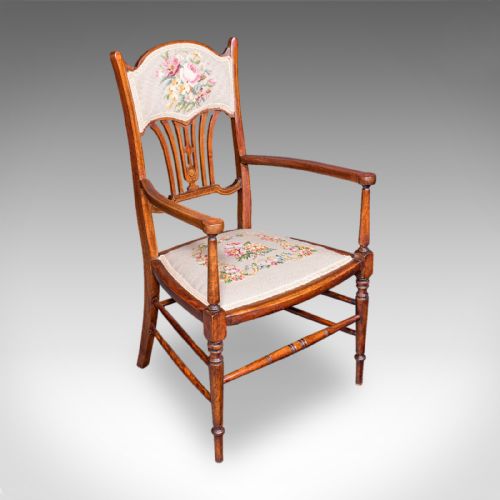
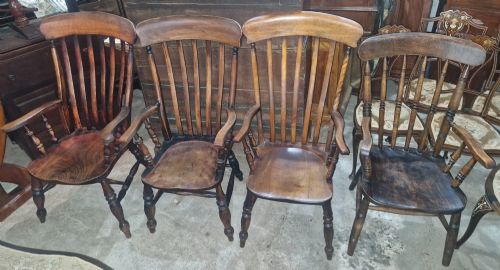
Late victorian chairs encompass diverse seating forms from robust Windsor kitchen armchairs to polished mahogany library seats made near the turn of the nineteenth century.
Late Victorian Chairs
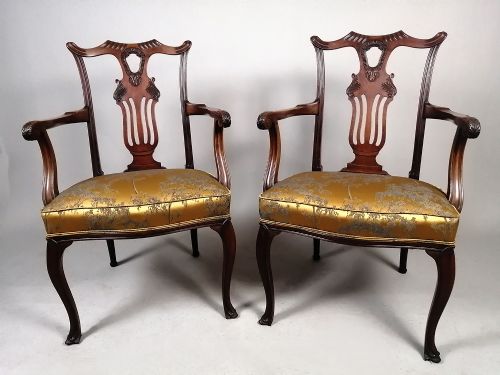
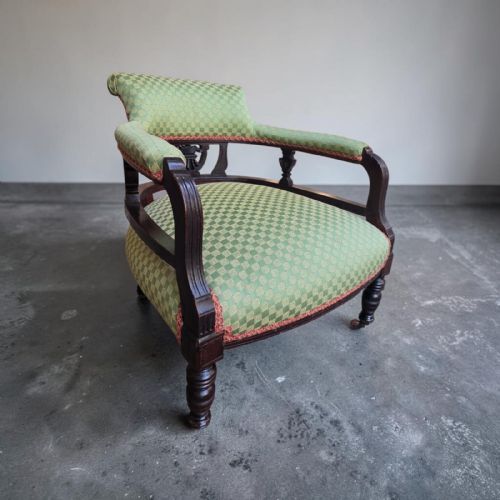
Late victorian chairs span domestic settings from formal dining rooms and drawing room salons to functional libraries and farmhouse kitchens.
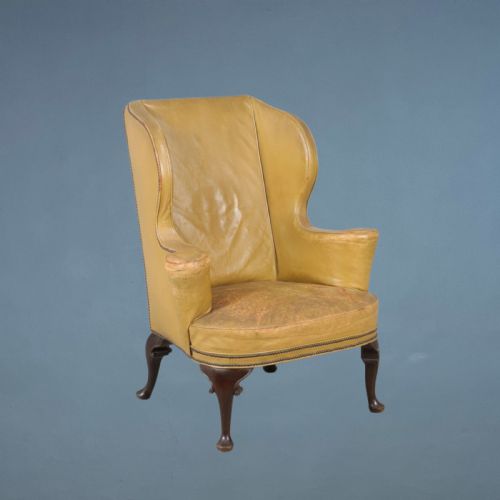
Buyers seeking late victorian chairs encounter solid timber Windsor models alongside upholstered wing armchairs and decorative salon suites.
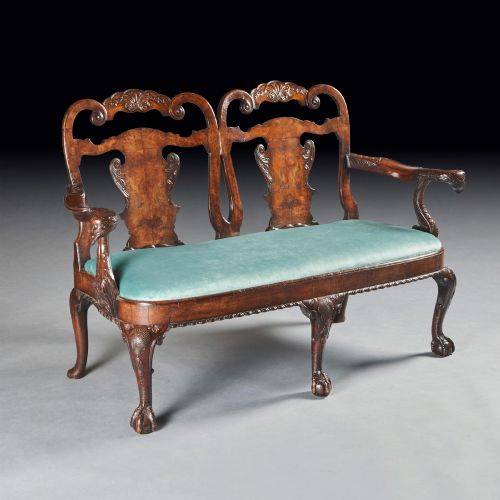
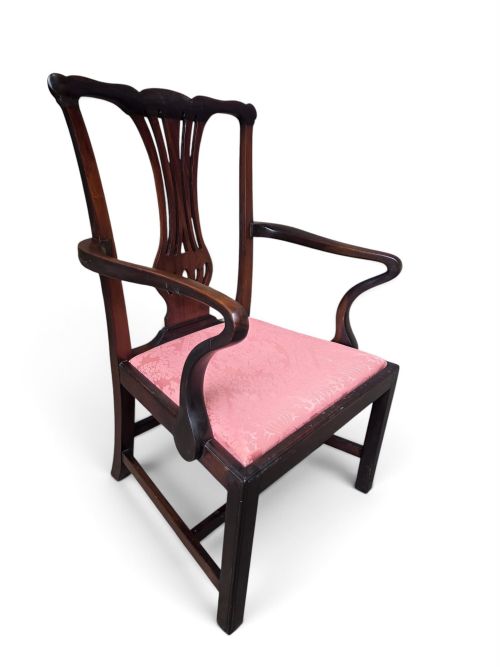
Sturdy oak and elm vernacular types share the period with revival designs in mahogany and walnut referencing earlier georgian styles.
Materials and Construction
Joinery relies on traditional methods like mortise and tenon joints, steam bending for curved components, and turned spindle work.
Woods span native hardwoods such as oak, elm, ash, and beech alongside imported mahogany and walnut for finer reception rooms.
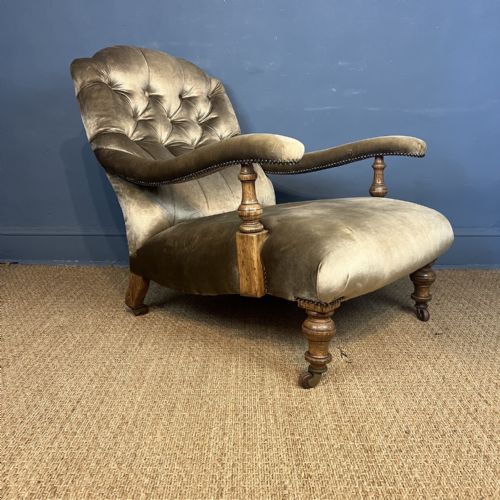
Upholstered items utilise horsehair stuffing, button back padding, and springs secured beneath leather, fabric, or needlework covers.
Late Victorian Chairs Retail Price Guide 2026
Typical asking prices for late victorian chairs among the pieces listed under this phrase on Sellingantiques today, from the lower quarter to the upper quarter. They describe what is for sale here now, not the wider market.
Metamorphic library chairs fold cleverly into sets of wooden steps for reaching high bookshelves.
Evaluating Craftsmanship
Timber selection and grain matching separate standard utility seating from high-end cabinet maker production.
The integrity of original joinery, minor timber shrinkage, and the preservation of authentic surface patination dictate overall desirability.
Howard and Sons·Morris and Co·Waring and Gillows
The Late Victorian Chairs Glossary
- Bergere
- An enclosed armchair with cane or upholstered sides and a loose seat cushion. It often appears in mahogany frames during the late nineteenth century.
- Windsor
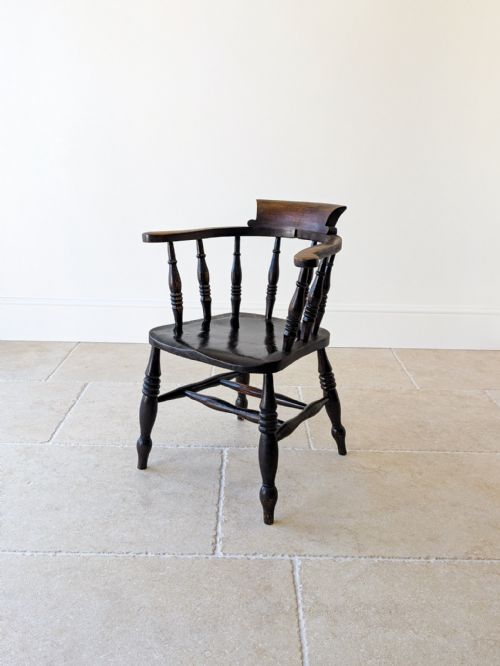
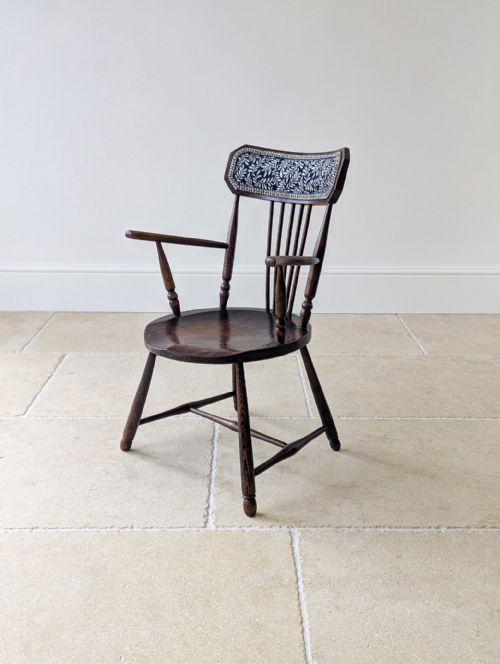
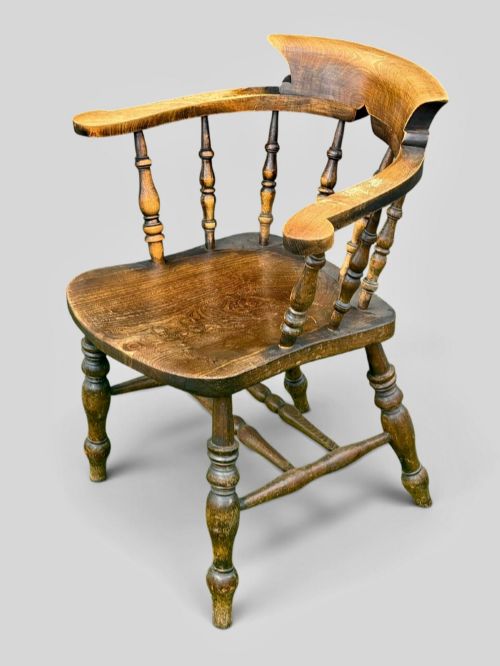
- A traditional wooden chair built with a solid saddled seat into which legs and spindles are wedged. Elm, ash, and beech are common woods for this form.
- Carver
- An armchair designed to match a set of dining chairs, typically positioned at the head of the table. These often mirror the splat or ladder back design of the smaller side chairs.
- Captain's chair
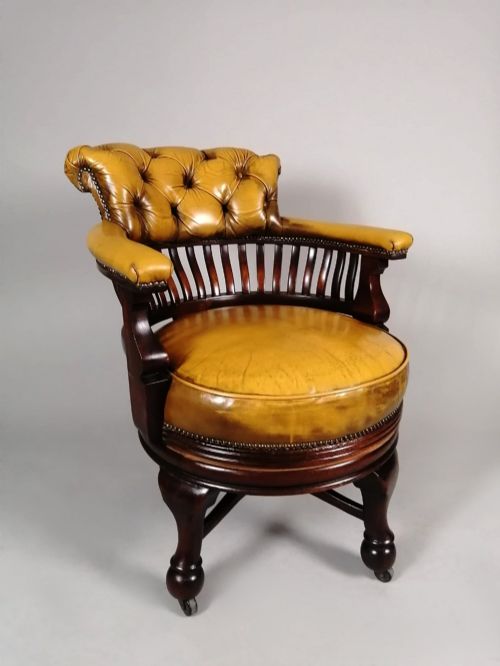
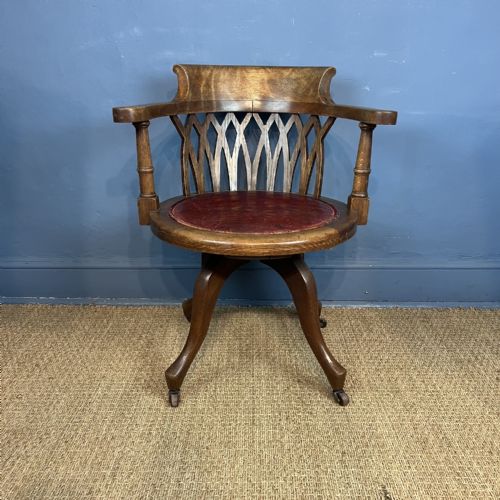
- A low, rounded wooden armchair originating from earlier office and vernacular forms. Examples from this era frequently incorporate revolving mechanisms for desk use.
- Salon suite
- A matching set of upholstered seating usually comprising a settee and several arm or side chairs. They were manufactured for formal reception spaces in walnut and mahogany.
Late Victorian Chairs: Frequently Asked Questions
How do I identify a Windsor chair?
Windsor chairs are built around a solid timber seat plank that receives turned legs below and spindle components above. They frequently combine elm seats with beech or ash frames.
Kitchen and farmhouse variants often show simple bow backs, while office versions incorporate desk swivels.
Were these chairs used in offices?
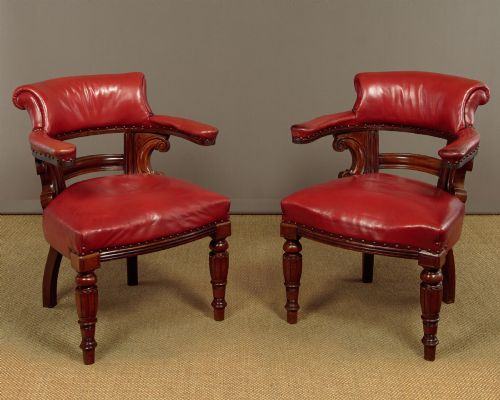
Office seating from this period includes revolving desk chairs and library armchairs fitted with leather upholstery. Heavy oak and mahogany woods provide necessary durability for daily workplace tasks.
Castors and adjustable heights appear frequently on professional desk models.
What woods were used for dining sets?
Dining sets predominantly employ mahogany and walnut, though oak examples also occur regularly. Rich timber tones suit formal dining rooms of substantial nineteenth-century houses.
Matching carver armchairs usually accompany larger sets of six or eight single chairs.
How should I care for leather upholstery?
Buttoned leather benefits from gentle cleaning and occasional wax treatment to maintain flexibility. Avoid direct sunlight to prevent drying and cracking of nineteenth-century hide.
Original patination on leather surfaces adds character and should be preserved rather than stripped.