
Six Victorian Chairs
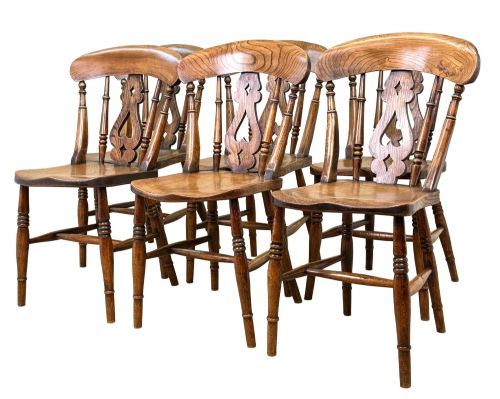
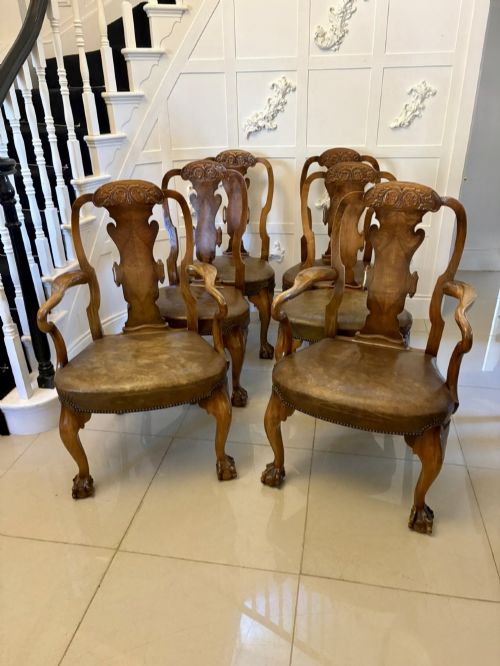
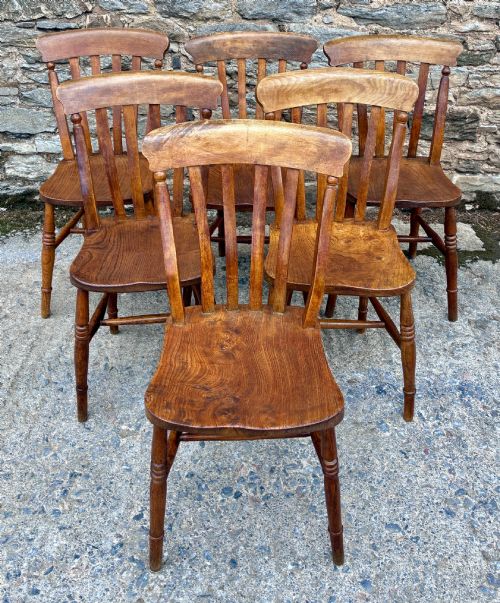
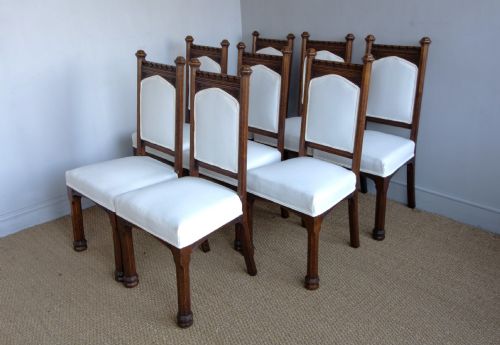
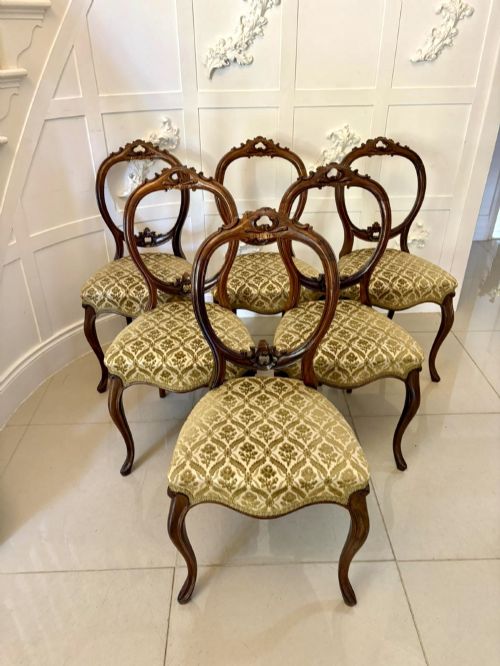
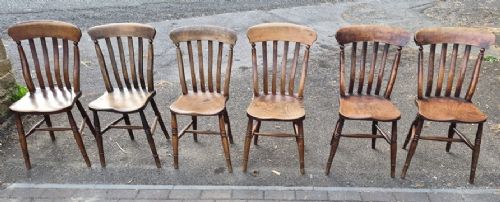
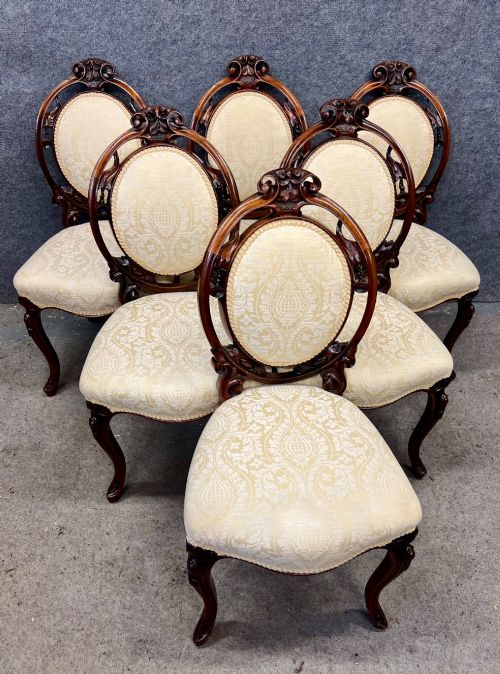
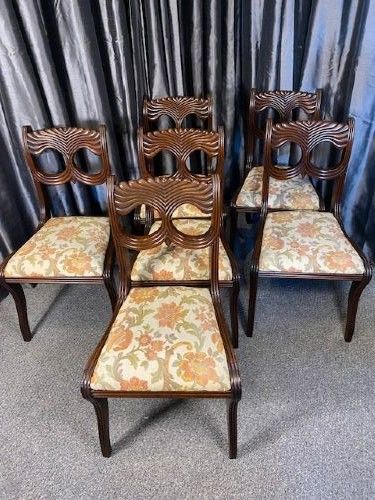
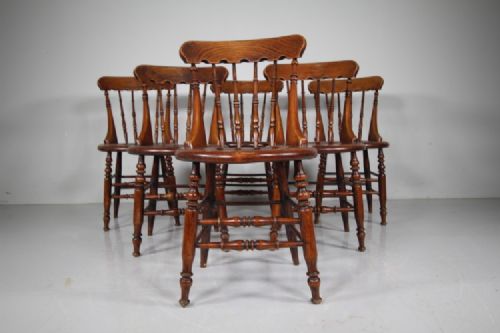
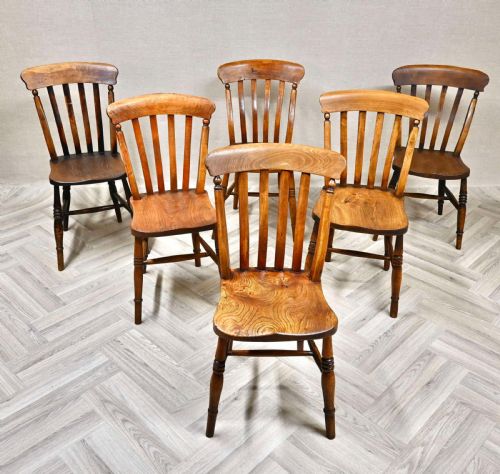
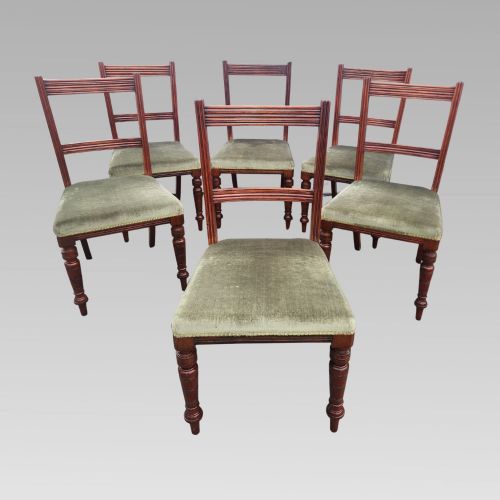
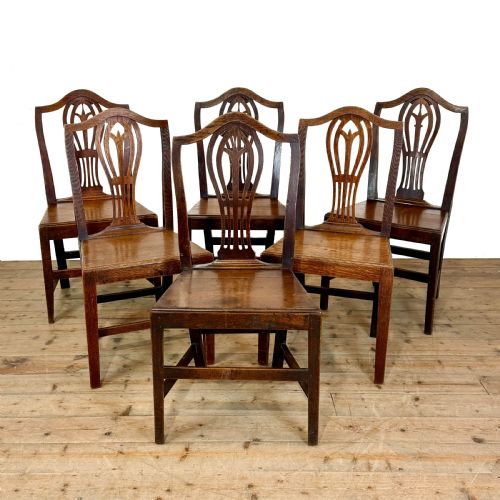
Six victorian chairs deliver uniform seating gathered from the nineteenth century, pairing formal walnut and mahogany frames with robust elm and ash country kitchen windsors.
Six Victorian Chairs
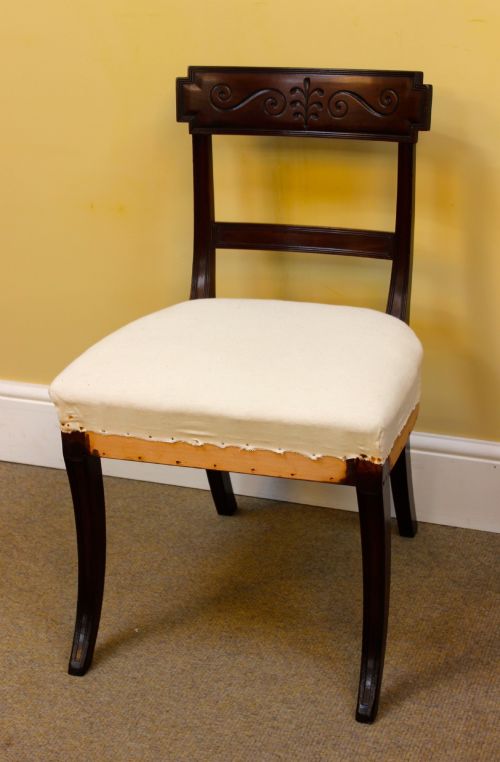
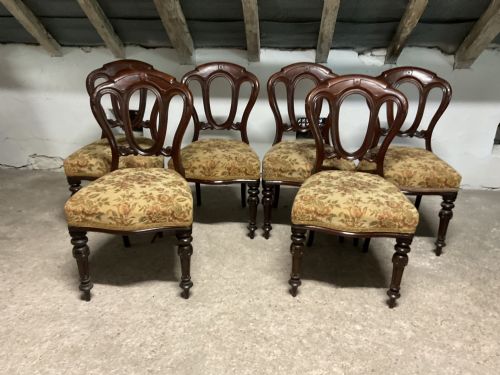
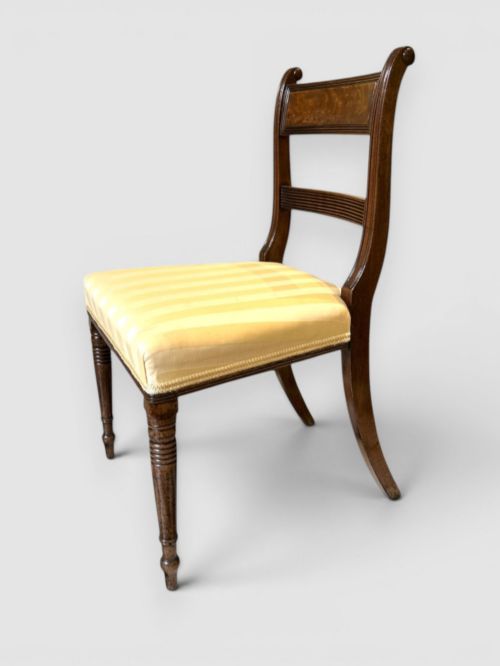
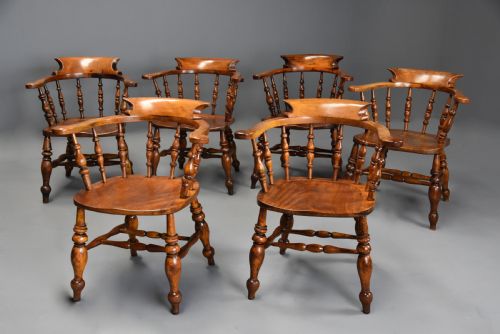
Six victorian chairs typically present as matching sets intended for formal dining rooms or sturdy farmhouse kitchens. Formal iterations rely on rich mahogany, walnut, and rosewood timbers shaped into balloon backs or carved revival designs. Country versions utilise combinations of elm, ash, and beech formed into Windsor, stick back, and lathe back frameworks.
The selections range from mid nineteenth century kitchen models to decorative salon and parlour seating. Buyers encounter both uniform sets and harlequin groupings collected together for their shared vernacular characteristics.
How they were made
Cabinet makers utilised dense hardwoods including mahogany, walnut, and rosewood for formal dining chairs, frequently applying hand-carved details to crest rails and splats. Country chair makers employed steam bending for ash hoops and shaped solid elm for saddle seats.
Joinery techniques relied on mortise and tenon joints alongside turned legs, while upholstered variants integrated fabric, velvet, needlepoint, and horsehair stuffing secured over webbing or springs.
Listings span formal dining chairs in mahogany and walnut alongside vernacular Windsor and stick back kitchen seating in elm and ash.
What varies in quality
The distinction between tiers rests upon the selection of timber and the depth of carving executed by the maker. Premium dining chairs display highly figured grain, symmetrical turning, and substantial structural weight, whereas utilitarian kitchen seating relies on honest, functional assembly.
Matching consistency also dictates standing, as true sets sharing identical patination and original component parts command greater coherence than assembled harlequin groups.
S&H Jewell·Norwich Maker·Worksop
The Six Victorian Chairs Glossary
- Balloon back
- A rounded, curved top rail characteristic of formal mid nineteenth century dining seats. This shape mimics the profile of a hot air balloon.
- Windsor
- A traditional wooden chair constructed with turned legs and spindles wedged directly into a solid sculpted seat. These sturdy forms often feature comb backs or bow backs.
- Harlequin set
- A collection of seats that share a similar style, period, or region of origin but were not originally manufactured as a single unified group.
- Smokers bow
- A low-backed Windsor armchair featuring a continuous curved arm rail supported by turned spindles. These comfortable seats frequently served in offices and kitchens.
- Stretcher
- A horizontal wooden brace connecting the legs of a chair to provide structural rigidity. These supports appear frequently on turned leg farmhouse and kitchen models.
Six Victorian Chairs: Frequently Asked Questions
Are these chairs comfortable for daily dining?
Formal upholstered variants offer cushioned support suitable for long meals, while solid timber saddle seats provide an upright, supportive posture.
Buyers often add custom squab cushions to wooden kitchen models for extended sitting during modern dining use.
How do I identify a true set?
True sets share identical turning, matching timber grain patterns, and uniform dimensions across all members of the group.
Harlequin groupings display subtle variations in wood species or spindle count, indicating they were gathered together later.
Can I mix formal and country styles?
Mixing formal mahogany balloon backs with rustic elm windsors creates an eclectic dining arrangement.
Keeping a common element such as wood tone or leg shape helps unify disparate seating around a table.
How do I care for antique wood finishes?
Maintain timber surfaces by applying quality beeswax periodically to nourish the grain and preserve the historic patina.
Avoid placing these chairs near direct heat sources or strong sunlight to prevent timber shrinkage and cracking.