
Late Victorian Bronzes
Late victorian bronzes bring substantial nineteenth-century weight and classical form to interiors, offering enduring metalwork shaped by diverse revivalist tastes.
Late Victorian Bronzes
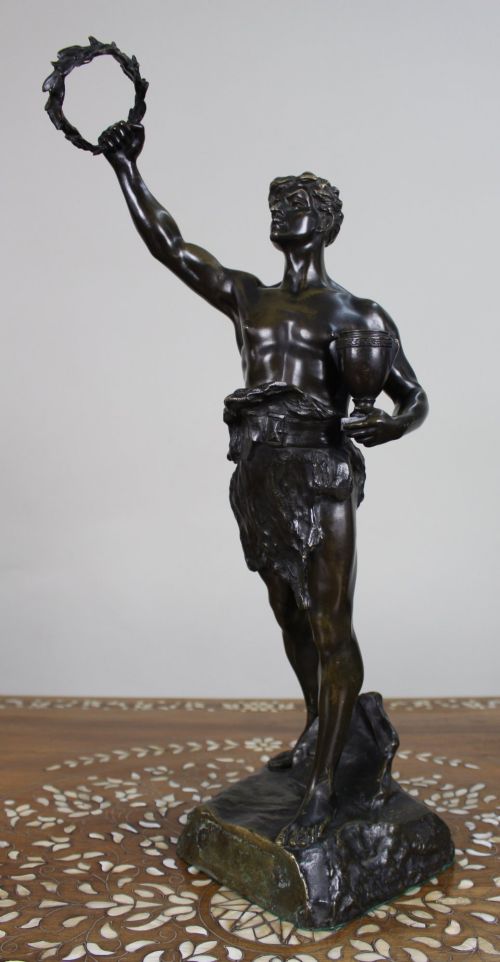
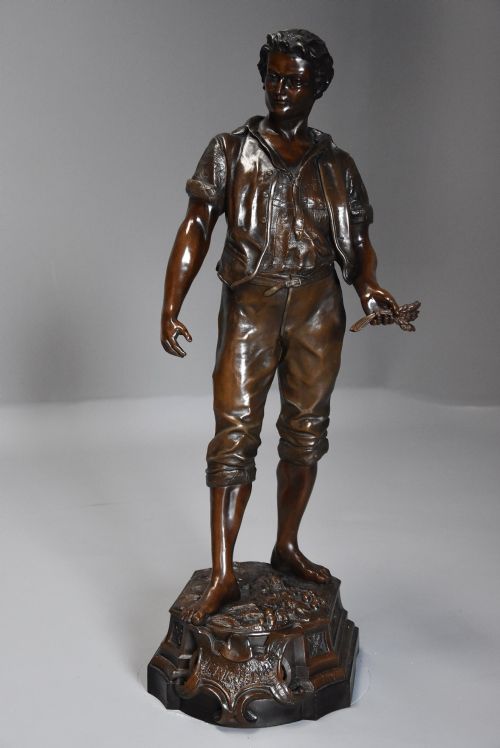
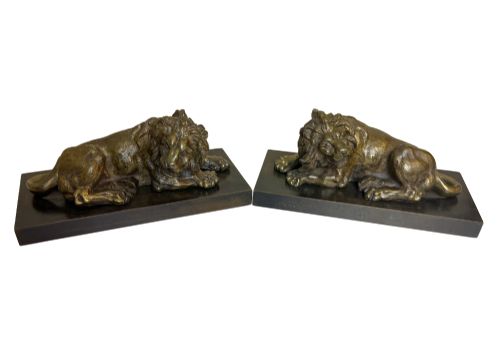
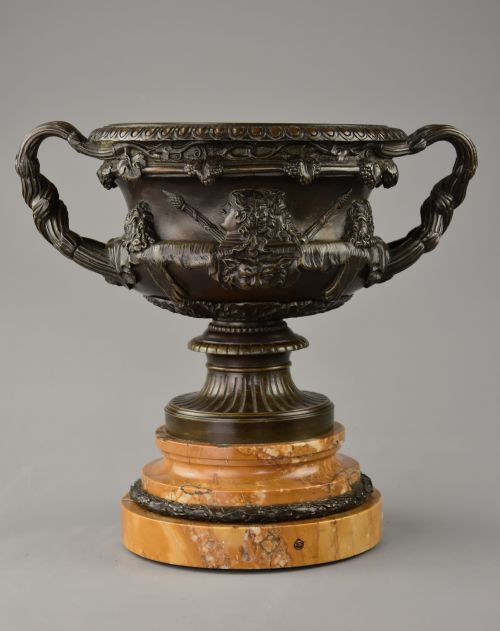
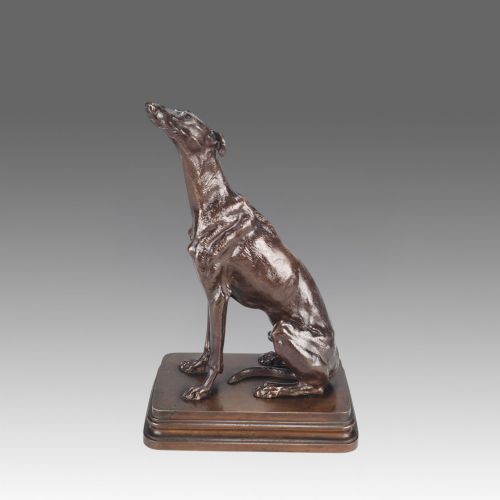
Late victorian bronzes encompass a wide range of decorative and functional objects produced during the late nineteenth century, spanning animalier figures, classical reductions, and portrait busts. These pieces frequently draw upon historical motifs from French Napoleon III, Louis XVI Revival, and Grand Tour styles.
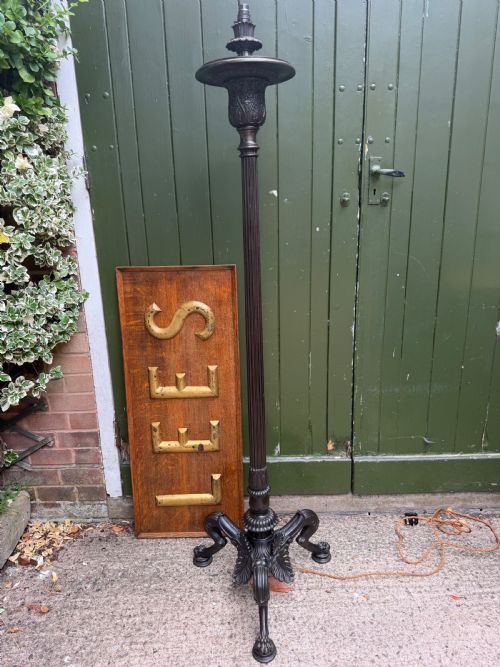
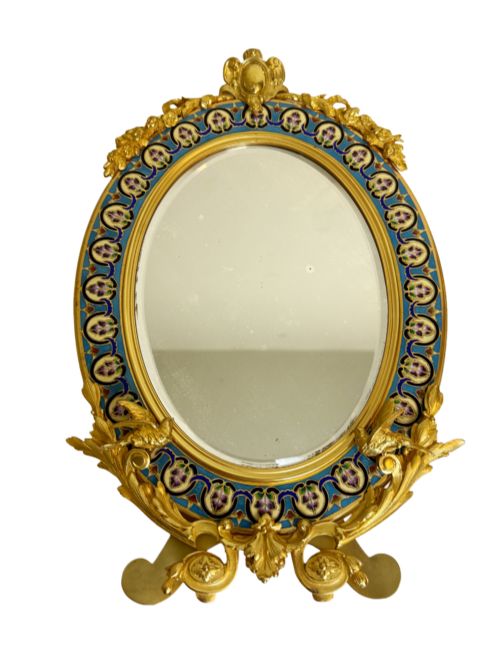
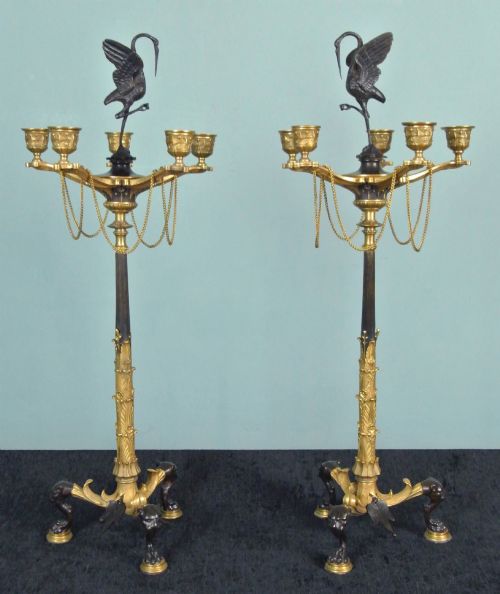
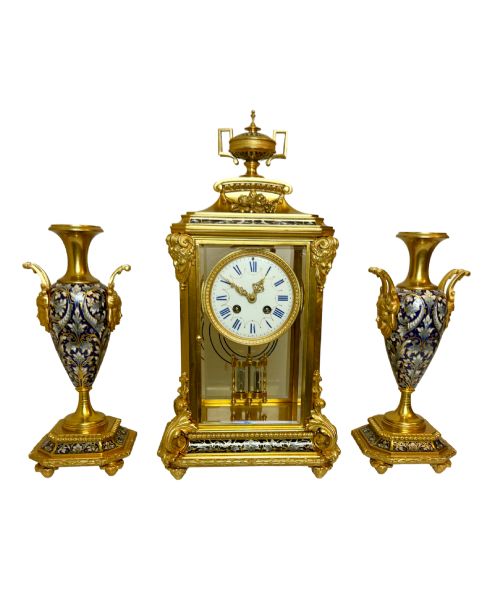
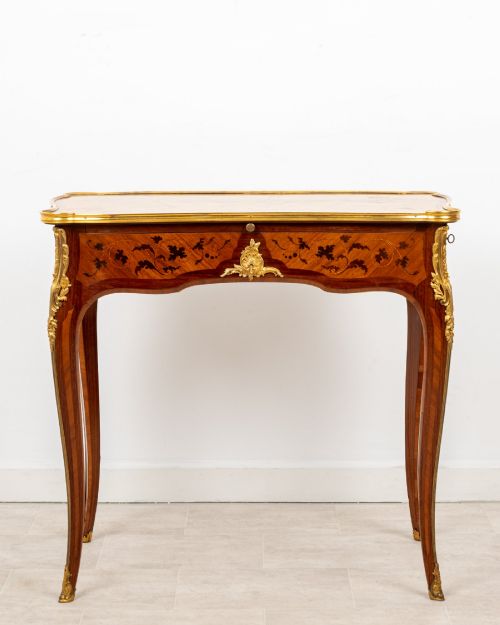
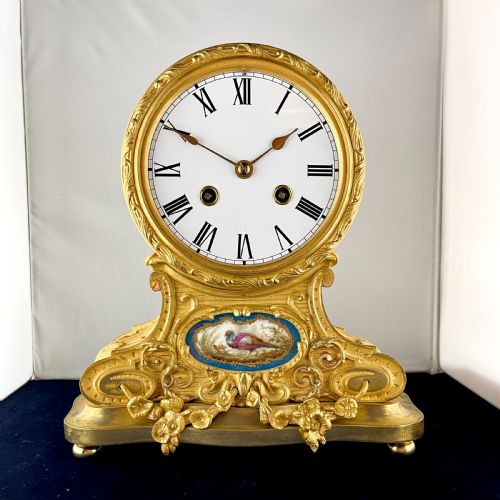
Buyers encountering this selection will find domestic metalwork ranging from mantel clocks and candelabra to dressing table mirrors and standard lamps. Many items combine bronze with materials like marble, champleve enamel, and ormolu to create ornamental richness.
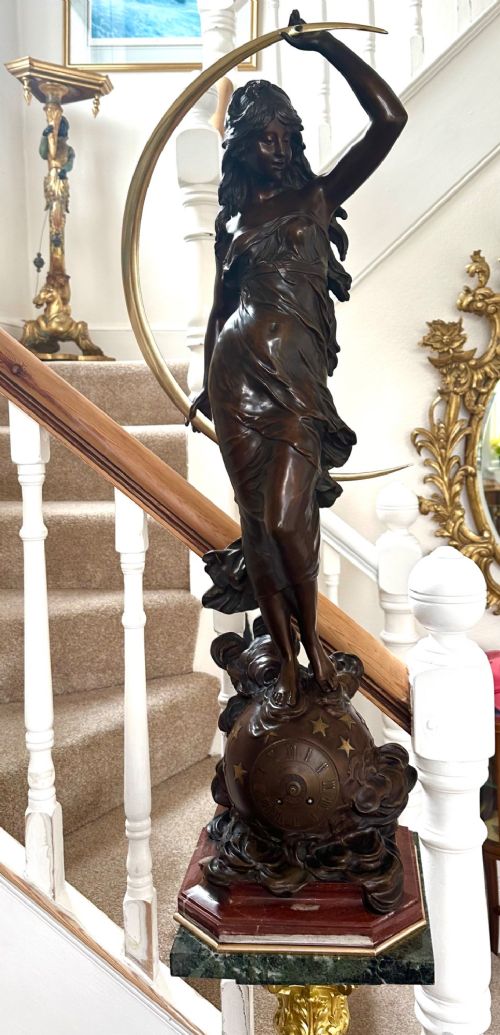
The objects reflect both British production and continental French foundry work, often incorporating classical figures, mythological subjects, and naturalistic animal studies. Such works served as centrepieces for period interiors and continue to function as decorative accents.
How they were made
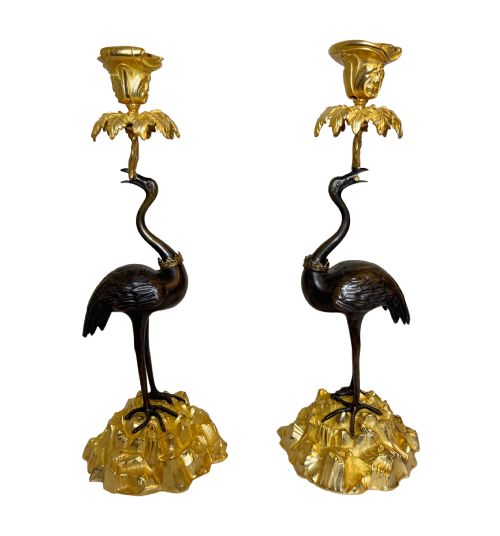
Foundries utilised traditional lost-wax or sand-casting techniques to produce these metal sculptures and decorative mounts, often finishing the surfaces with hand chiselling. Patination was carefully applied to achieve deep brown, green, or black tones, while other pieces received a bright gilt finish or ormolu mounts.
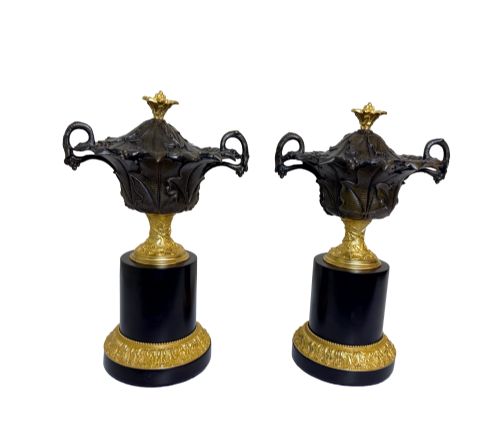
Many items integrate contrasting elements, binding cast metal with glass panels, porcelain plaques, or hand-painted champleve enamel cells. Marble pedestal bases frequently support the heavier figural groups and coupes, providing stability and visual contrast.
A bronze spaniel dog patiently accompanies a winged putto in one detailed domestic scene.
What varies in quality
Artist signatures and foundry stamps indicate higher workshop standards, particularly when attributed to established sculptors or makers. The integration of auxiliary materials, such as finely fitted enamel panels or heavy fire-gilt ormolu, further distinguishes the grade of a piece.
Lemoyne·F.Milliot·August Moreau·Alfred Dubucand·Jules Moigniez·Gabriel Viardot·Alfred Grevin·Sir Thomas BROCK R A
The Late Victorian Bronzes Glossary
- Animalier
- A nineteenth-century artistic genre focusing on the realistic depiction of animals, particularly dogs, lions, and horses. These sculptures often capture subjects in dynamic or resting poses.
- Champleve
- An enamelling technique where troughs or cells are hollowed out of the metal surface and filled with vitreous enamel powder before firing. This method creates colourful geometric or floral patterns on clocks and mirrors.
- Ormolu
- Gilt bronze produced by applying a mercury and gold amalgam to a bronze base, then heating it to vaporise the mercury. The technique yields a durable, rich golden surface typical of luxury furnishings.
- Patination
- The chemical or natural alteration of the bronze surface colour over time or through intentional treatment. Dark brown, black, and deep green patinations are common on nineteenth-century figures.
- Grand Tour
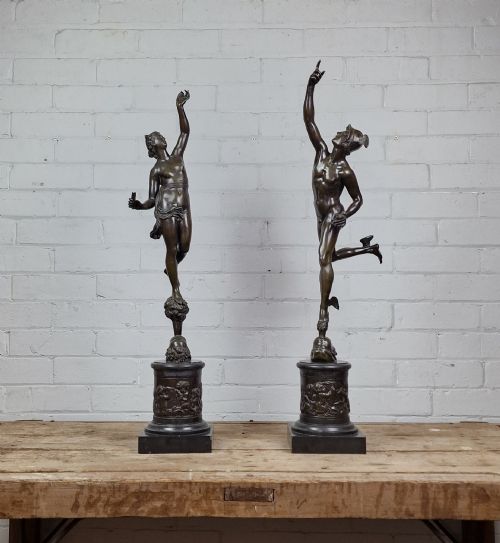
- A cultural tradition of European travel that inspired souvenirs such as reduced-scale bronze copies of classical antiquities. These reductions allowed collectors to display classical sculpture at home.
Late Victorian Bronzes: Frequently Asked Questions
How do I clean a bronze sculpture?
Dust the surface regularly with a soft, dry brush to prevent dirt accumulation. Avoid using chemical cleaners or abrasive cloths that can strip the original patination.
Apply a microcrystalline wax sparingly if the metal requires protection against moisture. Buff gently with a clean cloth to maintain a soft lustre without altering the finish.
Were these items used outdoors?
These decorative bronzes were designed strictly for interior display within parlours, libraries, and drawing rooms. Exposure to weather would damage delicate gilt finishes, enamel work, and integrated marble bases.
Interior placement ensured that materials like champleve enamel and fire-gilt ormolu remained protected from moisture and temperature extremes.
How can I tell if a piece is French or British?
French pieces frequently display hallmarks of continental foundry practices, such as champleve enamel integration or specific foundry stamps. Stylistic indicators like Louis XVI Revival motifs also point toward Parisian workshops.
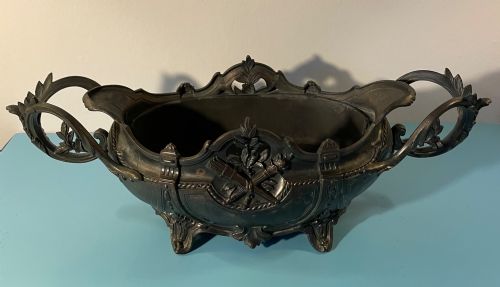
British production often aligns with domestic aesthetic movements, featuring cast-iron hybrids or portraits of British figures. Maker attributions and registration marks can provide further confirmation of origin.
What is the difference between bronze and spelter?
Bronze is a durable alloy primarily composed of copper and tin, capable of holding crisp surface detail during casting. Spelter is a softer, zinc-based alloy that was frequently used as a cheaper alternative for figural sculptures.
Objects cast in spelter are generally lighter and more brittle than genuine bronze. They often require a bronze-coloured metallic paint or finish to simulate the appearance of true bronze.